Optimizing Your Guests Per Table Wedding: The Ultimate 2025 Seating Guide
Planning your guests per table wedding? Discover expert advice on table capacities, 2025 trends, and seating etiquette to create a comfortable reception.
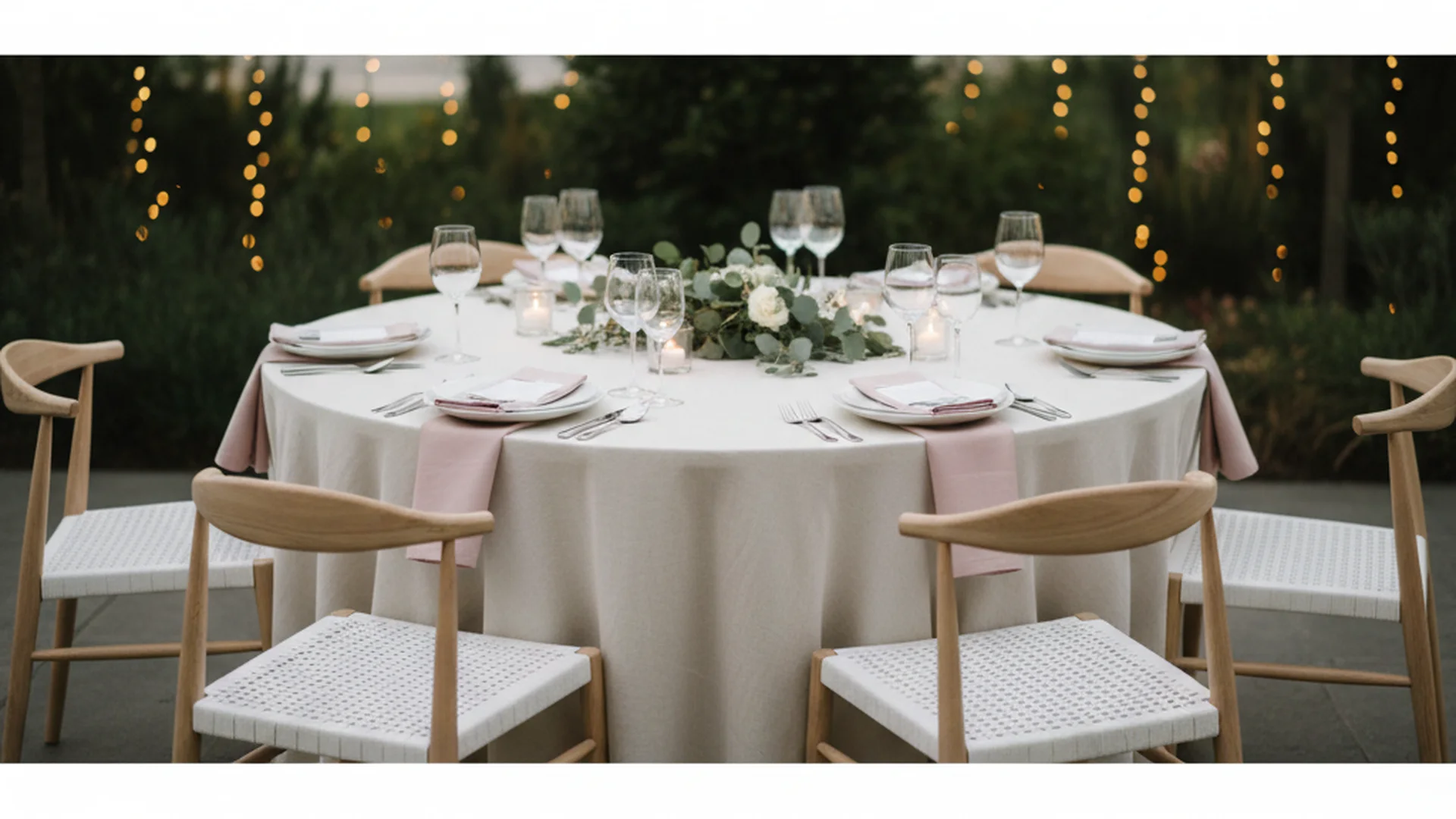
- Prioritize the "Comfort First" rule by seating 8 guests at a standard 60-inch round.
- Integrate 2025 trends like mixed table shapes and digital QR code seating charts.
- Avoid common pitfalls like oversized centerpieces and overcrowding tables.
The moment your guests step into your reception hall, the atmosphere is set by more than just the music or the floral scent in the air. It is defined by the layout of the room and the thoughtfulness of your seating arrangement. Determining the number of guests per table wedding planning requires is one of the most complex puzzles a couple will solve. It is a delicate balance of venue capacity, guest comfort, and social dynamics.
As an interfaith wedding officiant, I have seen firsthand how a well-designed floor plan facilitates connection and joy, while a cramped one can lead to "elbow hockey" and early departures. With the average guest cost in 2025 rising to approximately $284 per person, every seat at every table represents a significant investment in your celebration’s success.
Understanding Table Capacities: The Foundation of Comfort
Before you can dive into the social nuances of who sits with whom, you must understand the physical limitations of your furniture. While venues often provide "maximum" capacities to fit more people into a space, the "ideal" capacity is what ensures your guests can actually cut their steak and toast your happiness without bumping into their neighbor.
Round Table Standards
Round tables remain the gold standard for weddings because they encourage conversation among everyone at the table. However, the difference between "fitting" and "comfortable" is significant.
- 60-Inch Round Table: This is the most common wedding table size. While it can technically squeeze in 10 guests, the "Comfort First" rule recommends 8 guests. This allows for plated meals, multiple wine glasses, and bread plates without overcrowding.
- 72-Inch Round Table: For larger guest lists, these tables are a lifesaver. They ideally seat 10 guests, though they can accommodate 12 in a pinch.
Rectangular and Banquet Tables
Rectangular tables are perfect for creating a "family feast" vibe and are essential for modern long table wedding seating designs.
- 6-Foot Rectangular: Seats 6 guests (3 on each side). You can add 2 more on the ends, but be wary of guests' legs hitting the table legs.
- 8-Foot Rectangular: Ideally seats 8 guests (4 on each side). With the ends included, you can seat 10.
| Table Type | Ideal Capacity | Maximum Capacity | Best For |
|---|---|---|---|
| 60" Round | 8 Guests | 10 Guests | Standard Receptions |
| 72" Round | 10 Guests | 12 Guests | Large Ballrooms |
| 6' Rect. | 6 Guests | 8 Guests | Narrow Spaces |
| 8' Rect. | 8 Guests | 10 Guests | Family Style Dining |
Heads up
Calculating Your Final Guest Count
One of the biggest hurdles in planning your guests per table wedding layout is the uncertainty of RSVPs. You cannot finalize your table count until you know exactly who is coming.
On average, you should expect an 85% acceptance rate for local guests. If you have a high number of out-of-town guests, that number usually drops to roughly 55%. Using a (Marketing) - Tools - Guest Count Calculator can help you estimate these numbers early in the process.
Tip
Best Practices for Seating Etiquette
Seating is about more than just numbers; it is about social engineering. Your goal is to make every guest feel seen, honored, and comfortable.
The "Anchor" Strategy
Start by seating your "anchors"—the people who definitely belong together. These are your immediate family units, your core college group, or your work friends. Once the anchors are set, you can build the rest of the table around them with people who share similar interests or backgrounds.
Age and Ability Awareness
Accessibility is a cornerstone of modern wedding seating chart etiquette.
- Sound Sensitivity: Seat older guests or those with hearing sensitivities away from the DJ speakers or the live band.
- Mobility: Guests using wheelchairs, walkers, or canes should be placed at tables near the exits or at the ends of long rectangular tables to allow for easy movement without navigating a maze of chairs.
- Sightlines: Ensure your VIP tables (parents and the wedding party) have a clear view of the area where toasts and the first dance will occur. They shouldn't have to twist their chairs 180 degrees to see the action.
The Plus-One Rule
This is a non-negotiable in 2025: Always seat a guest with their date. Splitting couples across different tables is considered a major breach of etiquette and will likely result in guests moving themselves as soon as the meal starts.
Note
Modern Trends for 2025-2026 Receptions
The way we approach the guests per table wedding layout is evolving. We are moving away from the rigid, corporate banquet look toward something more "residential" and intimate.
1. Mixed Table Shapes
One of the biggest trends for 2026 is the "modular" approach. Instead of a room filled with identical rounds, planners are mixing table shapes. Combining rounds, squares, and long banquet tables creates a dynamic visual flow and allows you to accommodate different group sizes more naturally.
2. The Rise of the Sweetheart and King’s Tables
While traditional head tables (where the wedding party sits facing the room like a panel) are still common, many couples are opting for:
- Sweetheart Tables: A small table for just the couple. This allows for private moments and ensures the wedding party can sit with their own significant others.
- King’s Tables: A large, long rectangular table where the couple sits with their wedding party and the wedding party’s dates.
3. "Meadowcore" and Low Florals
Tall, towering centerpieces are being replaced by "Meadowcore" designs—low floral arrangements that look like they were plucked from a garden. These arrangements span the length of the table but remain under 12 inches high. This prioritizes "conversation flow," ensuring guests don't have to lean left or right to see the person across from them.
4. Digital Integration
To avoid the bottleneck at the entrance of the reception, many 2026 weddings are utilizing a digital wedding seating chart. A beautifully framed QR code allows guests to scan and find their table number on their phone instantly. This is often paired with a wedding seating chart app to manage last-minute changes on the fly.
From the OurVows workspace
Solving the seating puzzle?
Drag-and-drop tables, relationship warnings, and printable charts — built into your guest list.
Real-World Examples of Table Layouts
Example 1: The Intimate Garden Wedding
- Guest Count: 60
- Table Choice: Three long 16-foot "Feasting Tables" (each made of two 8-foot tables).
- Guests Per Table: 20 guests per long table.
- Why it works: It creates a communal, "big family dinner" atmosphere that fits a garden setting perfectly.
Example 2: The Grand Ballroom Affair
- Guest Count: 200
- Table Choice: A mix of 60-inch and 72-inch rounds.
- Guests Per Table: 8 guests at the 60-inch rounds; 10 guests at the 72-inch rounds.
- Why it works: It utilizes the venue's space efficiently while ensuring no one feels crowded.
Example 3: The Modern Industrial Loft
- Guest Count: 120
- Table Choice: All square tables.
- Guests Per Table: 8 guests (2 per side).
- Why it works: The sharp lines of the square tables complement the industrial architecture and offer a unique alternative to traditional rounds.
Common Mistakes to Avoid
Even with the best intentions, seating can go wrong. Here are the most frequent errors I see in modern receptions:
The "Too-Tall" Centerpiece
If a guest has to play peek-a-boo to talk to the person across the table, the centerpiece is a failure. Keep arrangements either under 12 inches or over 24 inches (on very thin stands) to clear the line of sight.
Neglecting the "Server Path"
You need at least 60 inches (5 feet) between round tables. This isn't just for guest comfort; it’s for the servers. If the aisles are too narrow, service will be slow, and your guests might end up with a spilled drink on their lap.
The Kids' Table Conundrum
A common misconception is that "adults only" means you don't need a kids' table if a few children are invited. If you have five or more children, a dedicated activity table with coloring books and quiet snacks is often better than seating them with adults who want to engage in sophisticated conversation.
Do this
Frequently asked questions
Do I really need a seating chart?
Where do I put divorced parents?
What is the "Yes" rate for invitations?
How do I handle plus-ones on the seating chart?
Finalizing Your Plan
The logistics of guests per table wedding planning can be daunting, but remember the purpose behind the puzzles. You are creating a space for your favorite people to witness your union and share a meal. By prioritizing comfort, following standard capacities, and leaning into modern trends like digital charts and mixed table shapes, you ensure that the focus stays where it belongs: on the celebration of your love.
If you are feeling overwhelmed, start with a how to make wedding seating chart tutorial and take it one table at a time. The effort you put into the layout today will pay off in a seamless, joyful reception tomorrow.
Ready when you are
Ready to Start?
Organize your guest list and table layout with ease.
Ready when you are
Plan your wedding without the chaos.
Free forever for couples just getting started. Two minutes to set up. No credit card.
Keep reading
The Ultimate Guide to Choosing the Best Wedding Seating Chart App for 2025–2026
Discover how a wedding seating chart app can save you significant planning time. Explore AI-driven tools, 3D floor plans, and expert seating strategies for your big day.
Navigating the Divorced Parents Seating Chart: A Diplomatic Guide for 2025-2026
Learn how to design a divorced parents seating chart that maintains peace and honors family. Expert tips for ceremony and reception layouts in 2025.
The Ultimate Wedding Seating Chart Timeline: A Month-by-Month Guide
Master your wedding seating chart timeline with our expert guide. From early drafts to last-minute changes, learn how to organize your guests stress-free.