The Ultimate Guide to Getting Ready Wedding Photos: Trends, Tips, and Timing
Master your getting ready wedding photos with our expert guide on timing, lighting, 2025 trends like 'The Beautiful Mess,' and how to capture authentic morning moments.
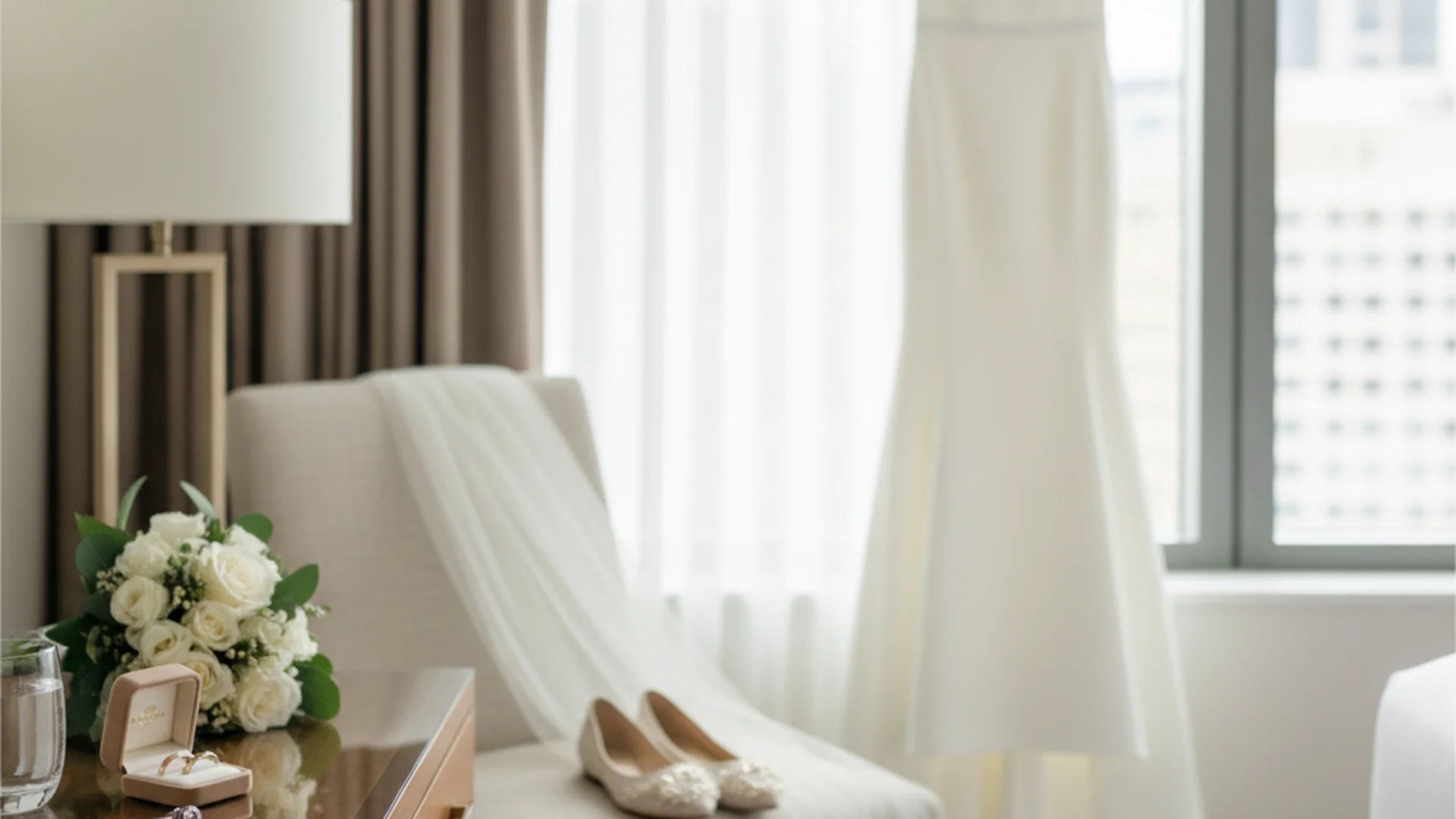
- Follow the 90-minute rule for stress-free preparation coverage.
- Prioritize natural light and designate a 'Clean Corner' for high-end editorial results.
- Embrace 2025 trends like motion blur and 'The Beautiful Mess' for authentic storytelling.
The morning of your wedding is a whirlwind of hairspray, champagne toasts, and just the right amount of nervous energy. In the past, getting ready wedding photos were often treated as a logistical afterthought—a few quick snaps of the dress hanging on a curtain rod and a staged shot of someone zipping up a gown. However, as we move into 2025 and 2026, the narrative has shifted. Today, the "prep" segment of the day has evolved into a sophisticated, editorial-style gallery that sets the emotional tone for your entire wedding story.
Whether you are aiming for a high-fashion "Vogue" backstage vibe or a grainy, nostalgic film aesthetic, your getting ready wedding photos are the opening chapter of your day. It’s the time when the anticipation is at its peak, and capturing those raw, unscripted moments requires more than just a camera—it requires a plan.
Why the Prep Period Matters More Than You Think
While it might be tempting to save a few dollars by having your photographer start at the ceremony, nearly 92% of modern couples now opt for full-day coverage that includes the preparation. There is a psychological benefit to this that many people overlook: it serves as a low-pressure warm-up.
Photographers report that couples who include getting-ready photos are 40% more likely to feel relaxed in front of the lens by the time the ceremony begins. It allows you to get used to the "click" of the shutter while you are surrounded by your closest friends and family, rather than making your "debut" in front of a camera during the high-stakes environment of the walk down the aisle.
Do this
The 90-Minute Rule: Mastering Your Timeline
One of the most common questions I hear as a Creative Director is: "How much time do we actually need?" To get those Pinterest-worthy Best Wedding Photography Styles into your gallery, you need to respect the 90-minute rule.
Most expert photographers request 60 to 90 minutes of dedicated preparation coverage. This isn't just a random number; it is a calculated breakdown of the artistic and candid requirements of the morning:
- 30–45 Minutes for Details (Flat Lays): This is when your photographer captures your invitation suite, rings, shoes, perfume, and florals. These shots require precision, styling, and often, a bit of "set design" by the pro.
- 30–45 Minutes for Candids and Dressing: This covers the final touches of makeup, the toast with your bridesmaids, and the emotional process of actually putting on the attire.
Timing for the Dress and Suit
Do not underestimate how long it takes to actually get dressed. While zipping a standard dress is fast, buttoning 50 delicate silk loops, adjusting intricate undergarments, and securing heirloom jewelry takes significant time. Budget at least 20–30 minutes for this process alone. If you rush this, the photos will reflect "stress" rather than "elegance."
Tip
Creating the Perfect Environment: Light and Space
The quality of your getting ready wedding photos is almost entirely dependent on two factors: the light in the room and the amount of "clutter" in the background. You don't need a five-star bridal suite to get amazing shots, but you do need to follow a few professional rules.
Light is King
Natural light is the secret sauce for "true-to-life" skin tones and editorial detail shots. When choosing your prep location, look for rooms with large windows.
Heads up
The "Clean Corner" Rule
Wedding mornings are messy. There are garment bags, half-eaten croissants, and plastic water bottles everywhere. To keep your photos looking high-end, designate one "Photo Zone" (preferably near the best window).
Real-World Example: I once worked with a bride in a tiny, cluttered hotel room. By moving just one armchair and a side table into a corner with good light and clearing a 5x5 foot space of all suitcases, we were able to create photos that looked like they were shot in a minimalist studio.
2025-2026 Trends in Getting Ready Photos
The aesthetic for the upcoming season is moving away from "perfect and posed" toward "authentic and cinematic." Here is what you can expect to see in the most stylish galleries of 2025:
1. "The Beautiful Mess"
In 2026, we are seeing a rise in "messy details." Instead of perfectly placed shoes, photographers are capturing the "aftermath" of the morning—champagne bubbles mid-spill, discarded silk ribbons, or the scattered petals from a bouquet. This adds a layer of "real life" energy that perfectly curated shots sometimes lack.
2. Editorial Candids & Direct Flash
There is a massive shift toward "paparazzi-style" prep photos. By using direct flash and high-contrast editing, photographers can create a high-fashion, "Vogue" backstage vibe. This works incredibly well for capturing the movement of hairspray or the sparkle of jewelry.
3. Film & Hybrid Photography
35mm film and the "disposable camera" look are huge for 2025. Couples are loving the grainy, nostalgic texture of film for the morning hours. It feels less like a production and more like a private memory.
4. Intentional Motion Blur
Instead of every photo being tack-sharp, 2025 trends include intentional blur. A veil being tossed, a bridesmaid laughing, or the quick movement of a champagne cork—these "blurry" moments convey the feeling and speed of the morning.
Note
From the OurVows workspace
Planning the photos?
Build a shot-friendly timeline and brief every vendor from one shared schedule.
The "Getting Ready" Box: A Pro Secret
One of the biggest time-wasters in wedding photography is "the hunt." When your photographer arrives, they shouldn't have to spend 20 minutes asking where the rings are or looking for a clean copy of the invitation.
Real-World Example: Create a "Detail Box" the night before. Inside, place:
- Both wedding rings (the photographer will take them to the ceremony later).
- A full invitation suite (including the envelope).
- Your shoes and perfume.
- Any heirlooms or "something blue."
- A "clean" copy of your vow books.
By having this ready, your photographer can start shooting the moment they walk through the door, maximizing your investment.
Tip
Don't Forget the Groom (and the Second Shooter)
Historically, the groom’s prep was overlooked, often relegated to a single shot of him tying his tie. In 2025/2026, the "parallel story" is essential. Groom prep usually requires less time (approx. 30–40 minutes), but it is no less important for the narrative.
Capture the toast with the groomsmen, the quiet moment of reading a letter from the partner, or the details of the watch and cufflinks. To do this effectively without stressing the timeline, you’ll likely want a second shooter. This ensures that while the primary photographer is with the bride, the "groom story" is being documented simultaneously. Check out our Wedding Photo Shot List for specific ideas for both partners.
Common Mistakes to Avoid
Even with the best intentions, certain pitfalls can derail your getting ready wedding photos. Here are the most frequent offenders:
| Mistake | Consequence | The Fix |
|---|---|---|
| Not Adding Buffer Time | Prep photos are the first to be cut if hair/makeup runs late. | Add a 20-minute "cushion" to your morning schedule. |
| "Faking It" Later | Photos of putting on shoes after the ceremony look stiff and staged. | Trust the process and capture it as it happens naturally. |
| Crowding the Room | Too many people create a chaotic environment for quiet, emotional shots. | Keep the inner circle small until the "reveal" or the toast. |
| Forgetting the Florals | Detail shots look "naked" without greenery or flowers. | Ensure bouquets arrive at the prep site, not just the venue. |
Heads up
Frequently asked questions
Do I really need photos of me with no makeup on?
What should I wear for getting ready photos?
How long does it actually take to get into a wedding dress?
Should we do a "First Look" during the prep period?
Conclusion: Capturing the Energy of the Morning
Your getting ready wedding photos are about more than just the dress and the shoes; they are about the transition from your "everyday self" to your "wedding self." By focusing on natural light, respecting the 90-minute rule, and embracing the authentic "beautiful mess" of the morning, you ensure that your wedding gallery feels like a complete story rather than just a collection of poses.
Remember, the goal of these photos is to capture the feeling of the day. Whether it's the nervous laughter between best friends or the quiet moment of reflection before the ceremony, these are the images that will bring the most vivid memories back in twenty years.
Do this
Ready when you are
Ready to Plan Your Day?
Check out our comprehensive guide to timing your wedding perfectly.
Ready when you are
Plan your wedding without the chaos.
Free forever for couples just getting started. Two minutes to set up. No credit card.
Keep reading
The Ultimate Guide to Engagement Photo Outfits: Trends for 2025 and 2026
Planning your engagement session? Discover the best engagement photo outfits, 2025-2026 trends, and expert tips to ensure you look and feel your best.
Modern Wedding Party Photo Ideas: Trends and Tips for 2025-2026
Discover the top wedding party photo ideas for 2025. From Vogue-style editorial posing to motion blur, learn how to capture stunning, modern group shots.
25 Essential Questions to Ask a Wedding Photographer Before You Book
Ensure your wedding memories are captured perfectly. Learn the 25 essential questions to ask a wedding photographer about logistics, style, and 2025 trends.