The Ultimate Evening Wedding Timeline: A 2025-2026 Planning Guide
Plan the perfect evening wedding with our comprehensive guide. Explore modern timelines, 2025-2026 trends, and expert tips to ensure your night flows seamlessly.
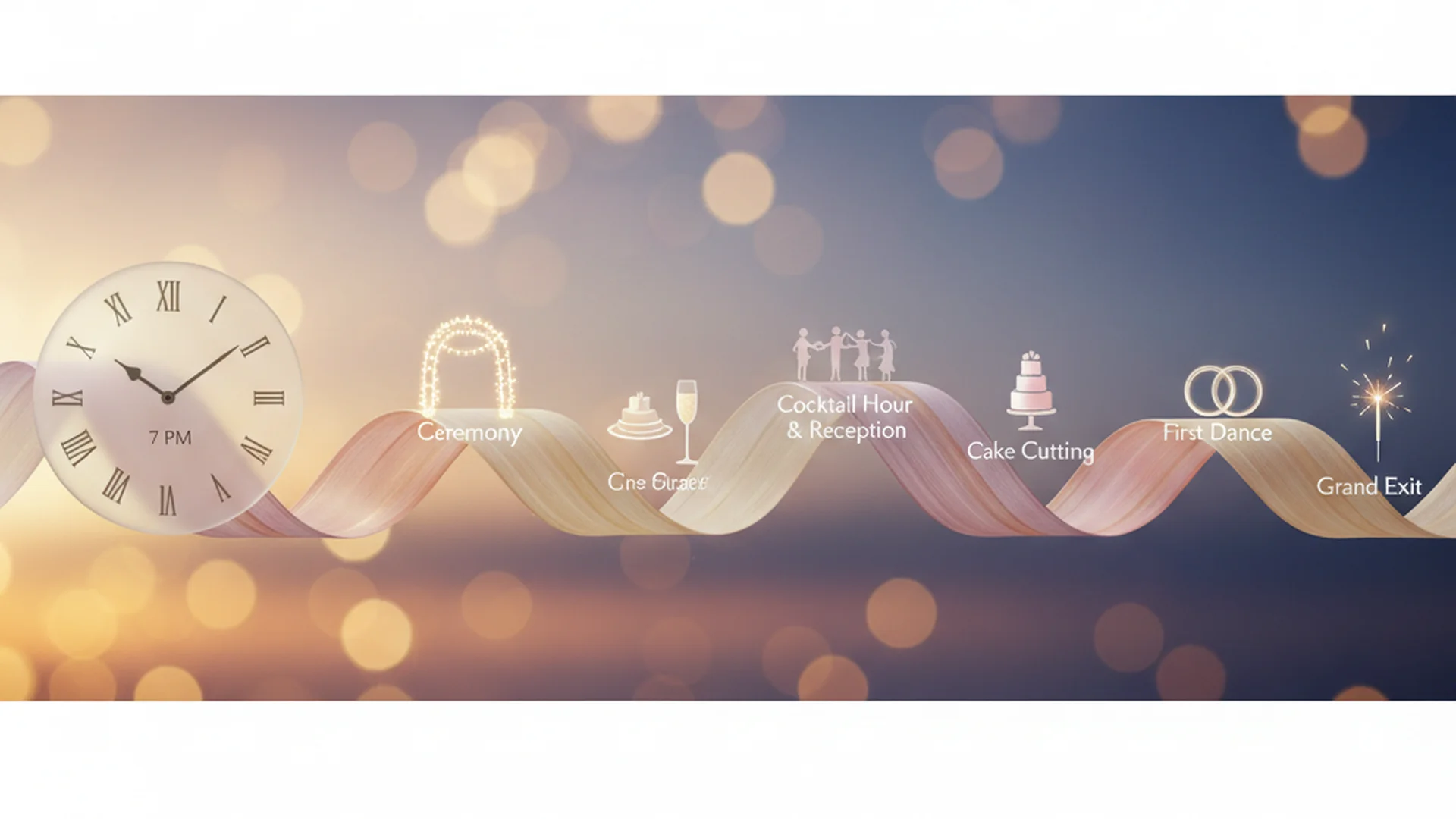
- An evening wedding typically spans 6 to 8 hours, with receptions lasting 4 to 5 hours.
- Prioritize a "First Look" to maximize daylight for portraits before a late ceremony.
- Incorporate modern 2025 trends like the "After-Party Era" and late-night snack service.
There is a specific, undeniable magic that comes with an evening wedding. As the sun dips below the horizon and the warm glow of candlelight takes over, the atmosphere shifts from a celebratory daytime gathering to a sophisticated, high-energy gala. However, crafting a flawless Evening Wedding Timeline requires more than just picking a late start time. It demands a strategic approach to lighting, guest energy, and vendor logistics.
As a professional vow ghostwriter and public speaking coach, I’ve seen firsthand how the flow of an evening impacts the emotional weight of the ceremony and the success of the toasts. If the timeline is too rushed, guests feel breathless; if it’s too slow, the energy dips before the first dance. In this guide, we will break down every minute of your evening celebration, incorporating the latest data and trends for the 2025-2026 wedding seasons to ensure your night is nothing short of legendary.
The Foundations of an Evening Schedule
When planning your evening, you are working against the clock in a way daytime weddings aren’t. You are chasing the sun for photos while balancing a more formal, meal-heavy reception. Most modern evening weddings follow a structure that prioritizes guest experience and photography lighting.
Tip
The Importance of the Start Time
For a traditional Saturday evening wedding, a 5:30 PM or 6:00 PM ceremony is the gold standard. This allows the event to transition naturally from the ceremony into a cocktail hour at dusk, followed by dinner under the stars or ballroom lights.
If you are hosting an outdoor wedding, your start time is dictated by nature. You should consult a "Sun and Moon" calculator for your specific date and location. To avoid the common mistake of losing light for your ceremony, aim to finish the ceremony at least 30 minutes before the official sunset time. This provides a "safety window" for those vital post-ceremony family portraits.
Expert Strategies & Best Practices
To make your evening flow like a professional production, you need to implement several industry-standard rules. These aren't just suggestions; they are the safeguards that prevent your wedding from running an hour behind schedule.
1. The "Buffer Rule"
In the world of wedding planning, 15 minutes is the blink of an eye. Always add 15–30 minutes of cushion between major events. For example, if your hair and makeup artist says they will be done by 3:00 PM, mark 3:30 PM as your "ready" time in the master schedule. This accounts for the time it takes to step into a dress, find your shoes, and handle any last-minute nerves.
2. The First Look: A Must for Evening Weddings
While some couples prefer the traditional "aisle reveal," experts highly recommend a First Look for evening weddings. Since your ceremony starts later in the day, doing your portraits beforehand ensures you utilize the best natural light.
Do this
3. Lighting Transitions
For evening weddings, the lighting is a character in your story. Work with your venue or planner to schedule a "lighting flip." As the dancing starts, the house lights should dim, and party lights, disco balls, or architectural uplighting should take over. This visual cue tells guests that the "formal" portion of the evening is over and it’s time to let loose.
Note
A Sample "Classic" Evening Timeline (6:00 PM Start)
If you’re looking for a starting point, this 6:00 PM ceremony template is the most popular choice for formal ballroom or estate weddings. You can also use a Wedding Day Timeline Generator to customize this further based on your specific needs.
| Time | Event | Description |
|---|---|---|
| 2:00 PM | Hair & Makeup Begins | The bridal party starts prep with a 45-minute buffer. |
| 4:30 PM | First Look & Portraits | Couple, Wedding Party, and Family photos. |
| 5:30 PM | Doors Open | Pre-ceremony music starts; guests begin to arrive. |
| 6:00 PM | Ceremony | A 20–30 minute service (standard for 2025). |
| 6:30 PM | Cocktail Hour | Sunset photos for the couple; drinks for guests. |
| 7:30 PM | Grand Entrance | Transition to the reception space. |
| 7:45 PM | Dinner & Toasts | Multi-course meal with speeches interspersed. |
| 9:00 PM | Dance Floor Opens | Formalities end; the party begins. |
| 10:30 PM | Late-Night Snacks | High-energy fuel (sliders, fries, or tacos). |
| 11:30 PM | Grand Exit | Sparklers, petals, or a classic car getaway. |
2025-2026 Trends: The Evolution of the Evening
The landscape of evening weddings is shifting. Gen Z and 2026 couples are moving away from the "cookie-cutter" reception and toward more personalized, experiential events.
The After-Party Era
The reception is no longer a single block of time; it’s being reimagined as a two-act event. The first act is the traditional dinner, while the second act is the "informal after-party." This often features an outfit change (shorter dresses or sleek suits), a change in music genre, and the arrival of high-energy espresso martini service.
Restaurant-Inspired Design
Instead of the massive "banquet hall" feel, many couples are opting for "clubby" lighting and café table lamps. This creates an intimate dinner party aesthetic that feels more like a night out at a Michelin-starred restaurant than a corporate event. If you are working on a tighter budget, you can see how this aesthetic fits into a $20000 Wedding Budget.
Wedding Content Creators
A top trend for 2025 is hiring a dedicated Social Media Content Creator. While your photographer captures the high-end art, the content creator captures the raw "behind-the-scenes" iPhone footage for Reels and TikTok, often delivering the edited content within 24 hours. This is perfect for evening weddings where the "party vibes" are a primary focus.
Tip
From the OurVows workspace
Build your day-of timeline in minutes.
Generate a minute-by-minute schedule, assign vendors, and share it with everyone who needs it.
Common Mistakes to Avoid
Even the most well-planned Wedding Day Hour by Hour Timeline can hit snags. Here are the three most common pitfalls for evening celebrations:
- Underestimating Hair & Makeup: This is the #1 cause of wedding delays globally. Planners suggest adding 45 minutes of buffer time to whatever estimate your artist provides. If one bridesmaid is late or a hairstyle needs to be redone, your entire evening will shift.
- The "Travel Time" Trap: Couples often budget 10 minutes for a drive that takes 10 minutes in a car. However, loading a wedding party of 14 people into a shuttle, ensuring everyone has their bouquets, and navigating city traffic actually takes 25–30 minutes. Always triple your "drive time" for the official timeline.
- The Cake Cutting Energy Kill: Stopping a high-energy dance floor at 10:00 PM to make everyone watch you cut a cake can kill the momentum of the party. Reality check: Many modern couples now do a "low-key" cake cutting during dinner or immediately following the grand entrance so the dancing is never interrupted once it starts.
Heads up
Real-World Examples
Example 1: The "Rainy Sunset" Save
A couple in Seattle had a 6:00 PM outdoor ceremony planned. At 4:00 PM, the weather report showed a massive storm hitting at 6:15 PM. Because they had built a "Buffer Rule" into their morning and finished their First Look early, they were able to move the ceremony start up to 5:30 PM. They finished just as the first raindrops fell, and guests moved safely into the indoor cocktail hour.
Example 2: The "Speech Sandwich"
At a formal New York evening wedding, the couple had six people who wanted to give toasts. Knowing this would take at least 30 minutes and bore the guests, they "sandwiched" the speeches. Two spoke during the salad course, two during the main course, and the final two (the couple) spoke just before the cake was served. This kept the kitchen on schedule and the guests engaged.
Example 3: The Late-Night Espresso Boost
A 2025 wedding in Miami featured a 7:00 PM start. By 10:30 PM, the heat and the alcohol were causing a lull. The couple had scheduled a "Surprise Espresso Martini Bar" and "Mini Cuban Sandwiches" for 10:45 PM. The sudden influx of caffeine and carbs revived the crowd, and the dance floor stayed packed until the 1:00 AM exit.
Frequently asked questions
What time should an evening ceremony start?
Should we do a 'First Look' for an evening wedding?
How long should the ceremony be?
When should we serve dinner?
How do we handle an "Unplugged" ceremony at night?
Conclusion
An evening wedding is an opportunity to create an atmosphere of elegance, intimacy, and high-energy celebration. By mastering the Evening Wedding Timeline, you ensure that every moment—from the first brush of makeup to the final sparkler exit—is intentional and stress-free. Remember to respect the "Buffer Rule," plan for the sunset, and don't be afraid to break tradition with modern trends like the after-party or a "speech sandwich."
If you need more help organizing your day, consider using a Complete Wedding Timeline Planning Guide or downloading a Wedding Timeline Spreadsheet to keep all your vendors on the same page.
Do this
Ready when you are
Ready to Build Your Schedule?
Use our interactive tools to create the perfect flow for your big day.
Ready when you are
Plan your wedding without the chaos.
Free forever for couples just getting started. Two minutes to set up. No credit card.
Keep reading
Mastering the Micro Wedding Timeline: A Guide to Intentional Celebrations
Planning a wedding with 20-50 guests? Discover the perfect micro wedding timeline to balance intimacy, luxury, and intentionality for your 2025 or 2026 celebration.

Mastering the 4 Hour Wedding Reception Timeline: The Ultimate Guide
Plan a high-energy celebration with our 4 hour wedding reception timeline. Learn expert tips on scheduling, cost savings, and 2025 wedding trends.

The Wedding Timeline Coordinator’s Playbook: Expert Tips for 2025-2026
Master your big day with expert wedding timeline coordinator tips. Learn about the Rule of 15, digital integration, and how to manage modern 2025 wedding trends.