Complete Wedding Timeline Planning Guide
Navigate your 2025-2026 wedding with our complete wedding timeline planning guide. Learn expert strategies for vendor booking, day-of logistics, and modern trends.
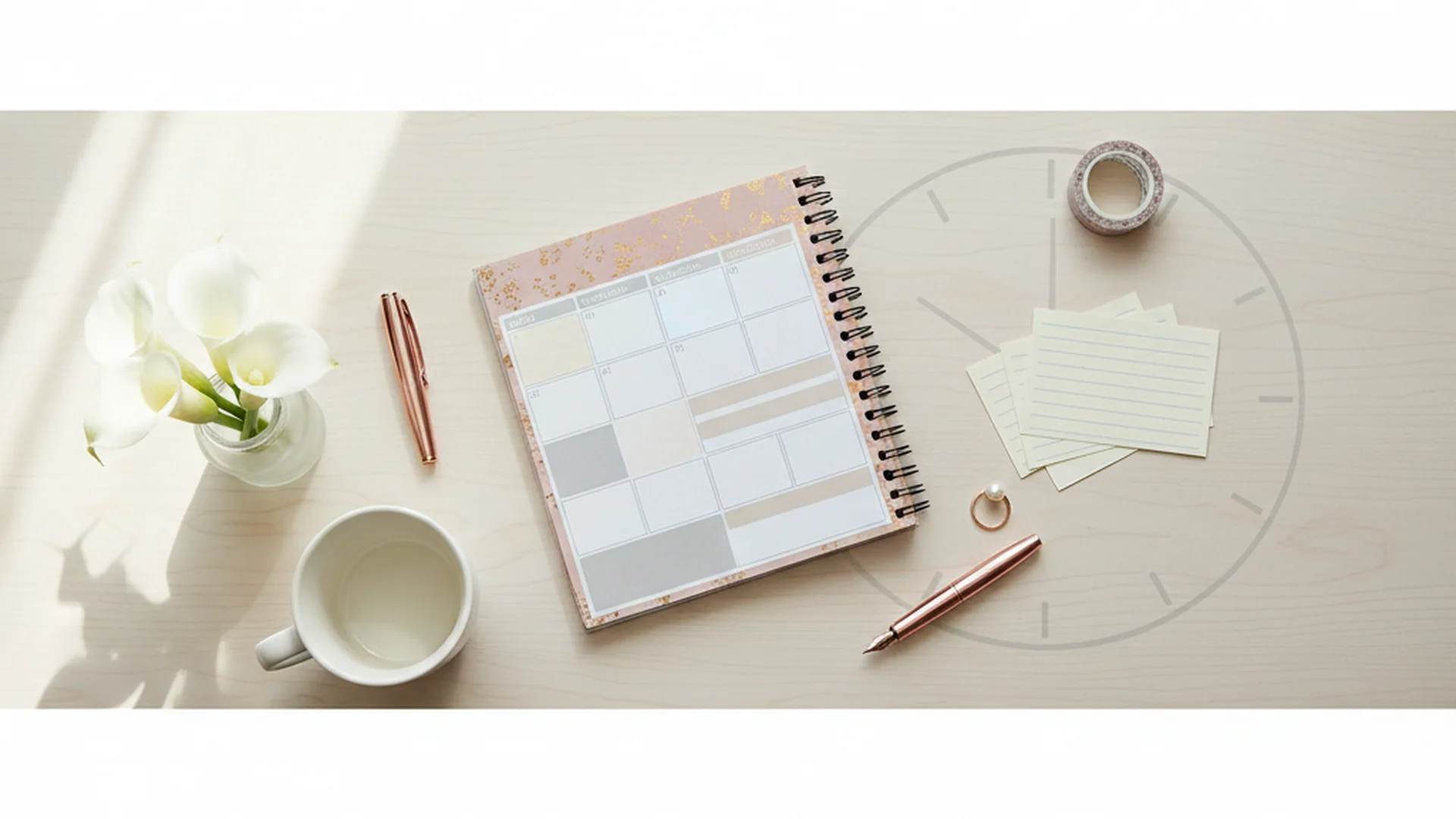
- Start planning early as average engagements now last 15 months.
- Build a 30-minute buffer into your day-of schedule to mitigate stress.
- Focus on personalization and "deconstructed" flows for 2025-2026 trends.
The transition from "Yes!" to "I do" is one of the most transformative periods in a couple's journey. However, with the average engagement now lasting 15 months and the logistical complexity of modern celebrations increasing, it is easy for the joy to be overshadowed by logistics. This complete wedding timeline planning guide is designed to act as your strategic roadmap, helping you navigate the 12 to 18-month window with clarity, purpose, and minimal stress.
As a relationship counselor, I often see how the pressure of planning can impact a couple's connection. By establishing a structured timeline early, you aren't just planning a party; you are practicing the communication and compromise skills that will serve your marriage for decades to come.
The Foundation: 12–18 Months Out
The initial phase of your wedding journey is about setting the "big picture." Many couples begin browsing venues and dates before they are even officially engaged. Once you have the ring, the real work begins.
During this stage, your priority is to secure the "Big Three": your venue, your photographer, and your planner. For the 2025 and 2026 seasons, these high-priority vendors are booking up faster than ever.
Setting Your Strategic Budget
Before signing any contracts, you must have a frank discussion about finances. The average U.S. wedding now costs between $30,000 and $32,000. Knowing your limit early prevents the "decision fatigue" that plagues so many couples.
Tip
Defining Your Guest List
Your guest count dictates almost every other decision, from the size of the venue to the amount of cake you’ll need. Use a Guest Count Calculator to get a realistic estimate of your headcount before you start looking at spaces.
The Vision and Logistics: 9–12 Months Out
Once the foundation is set, you can begin layering in the aesthetic and logistical details. This is the stage where your wedding begins to take on its unique personality.
Designing the Aesthetic
For 2025 and 2026, we are seeing a shift toward "Meadowcore" and sculptural designs. This means moving away from traditional, tight centerpieces toward floor installations that look like they grew naturally from the venue’s architecture.
Booking Tier-Two Vendors
Now is the time to secure your entertainment, florist, and caterer. If you are planning a non-traditional celebration, such as a Cocktail Style Reception Timeline, you need to ensure your caterer is experienced with "roaming food presentations" rather than just a standard seated dinner.
| Milestone | Key Action | Why It Matters |
|---|---|---|
| Attire | Order Dress/Suit | Most designer dresses take 9+ months to arrive and alter. |
| Stationery | Order Invitations | Custom suites require long lead times for design and printing. |
| Registry | Create Wishlist | Guests will look for this as soon as Save-the-Dates arrive. |
The Final Countdown: 1–6 Months Out
As you enter the six-month mark, the focus shifts from "searching" to "finalizing." This is where the complete wedding timeline planning guide becomes granular.
Hair, Makeup, and Trials
Experts recommend a minimum of 3 hours for the bride’s hair and makeup. A common mistake is scheduling the bride to go last. If the schedule runs over—which it often does—the bride experiences the most stress.
Note
Finalizing the Schedule
This is the time to decide if you want a "First Look." While only a minority of modern couples view it as a mandatory tradition, it is a logistical powerhouse. By doing portraits before the ceremony, you can actually attend your own cocktail hour.
Do this
Modern Trends for 2025–2026
The traditional wedding flow is evolving. If you want your celebration to feel current, consider these emerging trends.
1. The Deconstructed Wedding
Couples are ditching the rigid "Ceremony -> Cocktail -> Dinner" structure. Some are hosting the cocktail hour before the ceremony to loosen up guests, while others are opting for a 6 Hour Wedding Reception Timeline that feels more like a continuous party than a series of scheduled events.
2. Wedding Content Creators
A new vendor category for 2025 is the Wedding Content Creator. Unlike a videographer who delivers a cinematic film months later, a content creator captures behind-the-scenes "social-ready" moments for TikTok and Reels, delivering them within 24 hours.
3. Sustainability and Zero-Waste
Eco-friendly timelines are no longer a niche preference. From digital-first communication to zero-waste catering, couples are prioritizing their carbon footprint. If you are planning a Destination Wedding Day Timeline, consider how you can offset the travel impact of your guests.
From the OurVows workspace
Build your day-of timeline in minutes.
Generate a minute-by-minute schedule, assign vendors, and share it with everyone who needs it.
Real-World Timeline Examples
To help you visualize your day, here are three common scenarios based on current trends.
Example 1: The Traditional Evening Wedding
- 2:00 PM: Bride/Bridal Party finished with hair and makeup.
- 3:30 PM: First Look and Couple Portraits.
- 4:30 PM: Wedding Party and Family Photos.
- 5:30 PM: Ceremony begins.
- 6:00 PM: Cocktail Hour.
- 7:15 PM: Grand Entrance and Dinner.
Example 2: The Brunch Celebration
For those looking for a different vibe, a Brunch Wedding Timeline offers a bright, airy alternative.
- 8:00 AM: Hair and Makeup begins.
- 10:30 AM: Ceremony.
- 11:15 AM: Mimosa Hour.
- 12:15 PM: Brunch Service and Lawn Games.
Example 3: The Intimate Afternoon Wedding
If you prefer a shorter day, an Afternoon Wedding Timeline focuses on high-quality interactions over a long dance party.
- 1:00 PM: First Look.
- 2:30 PM: Ceremony.
- 3:30 PM: Heavy Hors d'oeuvres and Jazz Trio.
- 6:00 PM: Couple’s Departure.
Common Mistakes to Avoid
Even with a complete wedding timeline planning guide, small errors can snowball into major delays. Avoid these "timeline killers" frequently cited by professional coordinators.
Mistake #1: Underestimating Travel Time
Moving a bridal party of 10–20 people from a hotel to a venue takes three times longer than a solo ride. If Google Maps says the drive is 15 minutes, budget 45 minutes for the "loading and unloading" of people and gear.
Mistake #2: The Steaming Delay
Steaming dresses and suits takes significantly longer than expected.
Heads up
Mistake #3: Forgetting Vendor Teardown
Many venues have a strict "out by" time. If your music stops at 11:00 PM but you have to be out of the building by midnight, your vendors only have 60 minutes to clear everything. If you haven't accounted for this, you may face heavy overtime fees.
Mistake #4: Overcomplicating the Reception
Trying to fit a bouquet toss, garter toss, five speeches, a cake cutting, and two slideshows into a four-hour window will make the night feel like a series of interruptions. For a smoother flow, check out our guide on the 4 Hour Wedding Reception Timeline.
Frequently asked questions
When should we send our Save-the-Dates and Invitations?
How much time should we allot for hair and makeup?
Do we really need a "First Look"?
What is the best ceremony start time?
Conclusion
Planning your wedding is a marathon, not a sprint. By following this complete wedding timeline planning guide, you are giving yourself the gift of space—space to make decisions without pressure and space to enjoy the engagement period with your partner. Remember that the most successful weddings aren't the ones that go perfectly according to plan, but the ones where the couple is present enough to enjoy the imperfections.
Prioritize your wellness, lean on digital tools, and don't be afraid to ditch traditions that don't serve your vision. Your 2025 or 2026 wedding should be a reflection of your relationship: unique, intentional, and full of love.
Do this
Ready when you are
Ready to Start?
Begin your wedding planning journey with our expert tools.
Ready when you are
Plan your wedding without the chaos.
Free forever for couples just getting started. Two minutes to set up. No credit card.
Keep reading
Mastering the Micro Wedding Timeline: A Guide to Intentional Celebrations
Planning a wedding with 20-50 guests? Discover the perfect micro wedding timeline to balance intimacy, luxury, and intentionality for your 2025 or 2026 celebration.

Mastering the 4 Hour Wedding Reception Timeline: The Ultimate Guide
Plan a high-energy celebration with our 4 hour wedding reception timeline. Learn expert tips on scheduling, cost savings, and 2025 wedding trends.

The Wedding Timeline Coordinator’s Playbook: Expert Tips for 2025-2026
Master your big day with expert wedding timeline coordinator tips. Learn about the Rule of 15, digital integration, and how to manage modern 2025 wedding trends.