DIY Wedding Table Numbers: A Complete Guide to Styles, Savings, and 2025 Trends
Learn how to create stunning DIY wedding table numbers. From cost savings to 2025 trends like silver accents and QR codes, get expert tips for your big day.
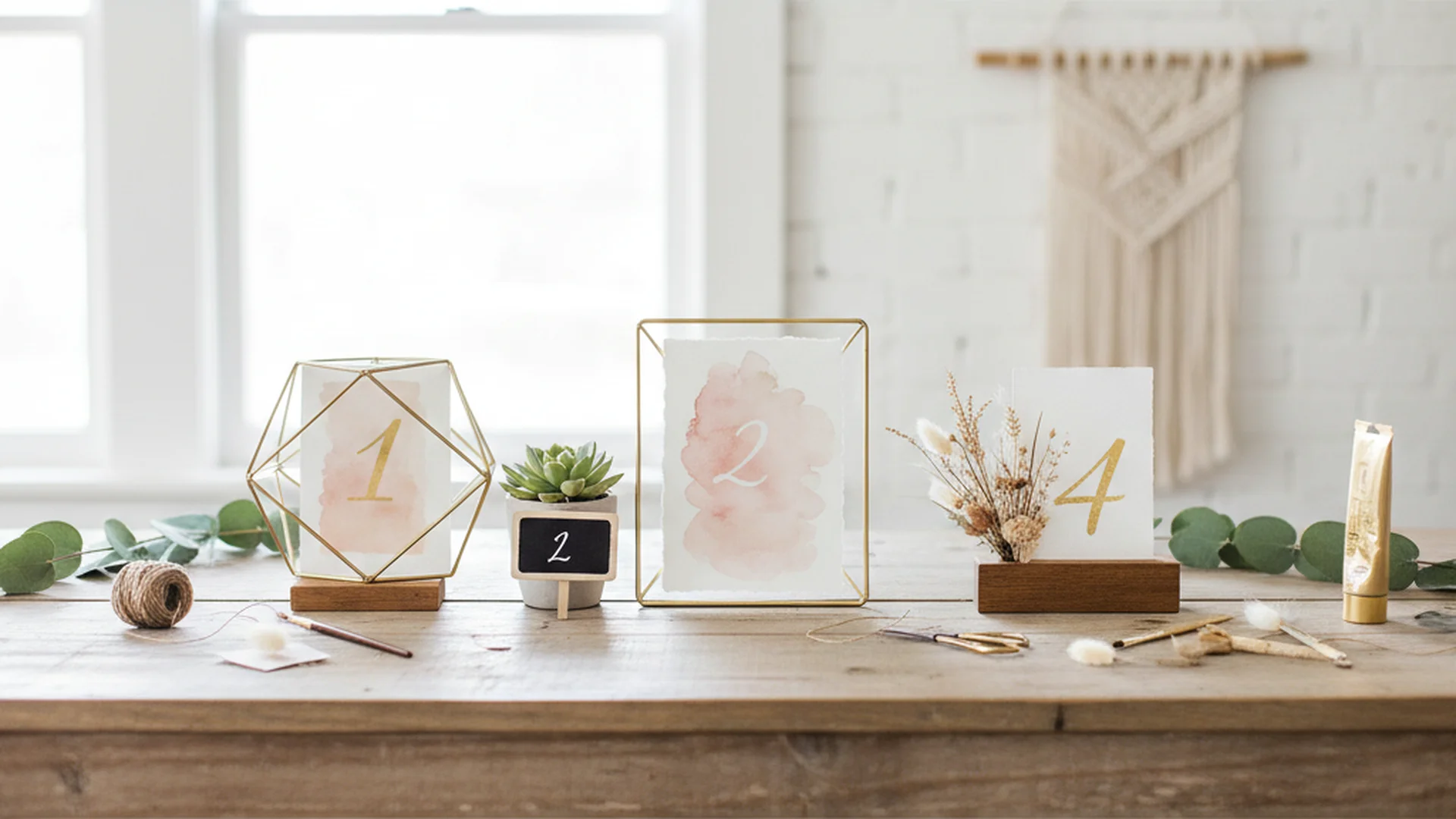
- DIY table numbers can save couples thousands of dollars compared to professional signage.
- The gold standard for visibility is a 5x7 inch card with 2-inch tall numbers.
- Emerging trends for 2025-2026 include "fruit and veggie" centerpieces and silver leaf finishes.
Planning a wedding is a journey of a thousand details, and among the most functional—yet often overlooked—elements are your table numbers. As couples look for ways to personalize their celebration while maintaining a budget, DIY Wedding Table Numbers have emerged as one of the most rewarding projects to tackle. Whether you are aiming for a minimalist "fine art" aesthetic or a maximalist garden party vibe, crafting your own signage allows you to infuse your unique story into the tablescape where your guests will spend the majority of their evening.
In my work as a relationship counselor, I often see how the process of DIYing wedding elements can actually be a beautiful exercise in communication and teamwork for a couple. It’s not just about the final product; it’s about the shared vision. With so many couples now including DIY elements in their weddings, you are in excellent company as you embark on this creative endeavor.
Why Choose DIY Wedding Table Numbers?
The decision to go the DIY route is often driven by two main factors: personalization and budget. Professional wedding signage suites, which include everything from welcome signs to seating charts and table numbers, can cost between $1,000 and $4,500. By choosing to create your own, you can often bring that cost down to a range of $100 to $250 for the entire suite.
When you look at the per-table cost, the savings are even more apparent. A custom-ordered acrylic or laser-cut wood number can run between $15 and $25 each. Conversely, a simple DIY approach using IKEA frames, heavy cardstock, or upcycled materials can cost as little as $1 to $5 per table. For the average 2025 wedding of 131 guests—requiring roughly 13 to 16 tables—those savings can quickly be reallocated to other priorities, like your DIY Wedding Centerpieces.
Do this
Design Fundamentals: Visibility Meets Aesthetic
Before you pick up a glue gun or open Canva, it is vital to understand the "Golden Rules" of table number design. A table number’s primary job is to help a guest find their seat in a crowded, potentially dim room.
Size and Legibility
Experts recommend that table numbers be at least 4x6 inches, though 5x7 inches is considered the gold standard for legibility from across a venue. The numbers themselves should be between 1.5 and 2 inches tall. If you use names (like cities you’ve visited or favorite books) instead of numbers, ensure the font is clear and high-contrast.
High Contrast is Key
Avoid "tone-on-tone" designs, such as light grey ink on white paper. While this looks beautiful in a flat-lay photograph, it disappears under reception lighting. For the best results, use:
- Black ink on ivory or white paper.
- White ink on dark wood or navy cardstock.
- Gold or Silver foil on high-saturated colors.
Heads up
Top 3 DIY Table Number Styles for 2025
As we look toward the 2025 and 2026 seasons, several distinct styles are dominating the wedding landscape. Here are three real-world examples of how to execute these trends.
1. The "Fine Art" Silver Frame
Moving away from the matte gold trend of the last decade, 2025 is all about silver, chrome, and pewter.
- The Project: Source mismatched silver frames from thrift stores or antique malls.
- The DIY: Clean the frames and use a silver leaf kit to touch up any dull spots. Print your numbers on high-quality, deckled-edge paper using a classic serif font to match your DIY Wedding Decorations.
- Why it works: It feels heirloom and sophisticated without the high price tag of new luxury frames.
2. The "Cottagecore" Embroidered Patch
For those embracing a more textural, "maximalist" look, fabric-based table numbers are a rising trend.
- The Project: Use linen or velvet fabric remnants.
- The DIY: Hand-embroider the table number or use a fabric transfer for a similar look. Pin the fabric to a small brass stand or wrap it around a decorative bottle.
- Why it works: It adds a layer of softness and homey charm to the table that paper simply cannot achieve.
3. The Interactive QR Code Number
Modern couples are increasingly using technology to bridge the gap between guests.
- The Project: A double-sided cardstock sign.
- The DIY: On the front, print the table number. On the back, print a QR code that leads to a "Story of Us" page or a shared photo album where guests can upload pictures of the night.
- Why it works: It’s functional signage that doubles as a conversation starter.
| Material Type | Estimated Cost (Per Table) | Skill Level | Best For |
|---|---|---|---|
| Cardstock | $1 - $2 | Beginner | Indoor/Classic |
| Acrylic | $5 - $10 | Intermediate | Modern/Minimalist |
| Wood/Stone | $4 - $8 | Intermediate | Rustic/Outdoor |
| Fabric/Linen | $3 - $6 | Advanced | Cottagecore/Boho |
From the OurVows workspace
Planning a wedding is a lot. We make it feel like less.
Checklist, budget, guest list, and a wedding website — together in one free workspace built for both of you.
Step-by-Step Guide: Creating Your Table Numbers
Regardless of the style you choose, the process generally follows a specific timeline to ensure you aren't rushing the week of the wedding.
Step 1: Determine Your Table Count
Before you buy materials, you need an accurate count. Use a (Marketing) - Tools - Guest Count Calculator to estimate how many guests will attend, then divide by your table capacity (usually 8 or 10). Always make 2–3 extra "blank" numbers just in case your guest list shifts at the last minute.
Step 2: Choose Your Base
The most common mistake is focusing on the design and forgetting how it will stand up. You have several options:
- Frames: The easiest way to ensure stability.
- Wire Holders: Simple and elegant, but can be tipped over by wind.
- Wooden Blocks: Great for a rustic look; requires a saw to cut the "slot."
- Weighted Objects: Think bottles, stones, or even the centerpiece itself.
Step 3: Prototype and Test
Create one single table number and place it in a room with lighting similar to your venue. Can you read it from 10 feet away? Does it fall over if you bump the table? If it passes these tests, proceed with the full set.
Tip
Common Mistakes to Avoid
In my years of consulting for weddings, I’ve seen many DIY projects go sideways. Here are the pitfalls to watch for:
1. The "Hidden" Cost of DIY
Couples often think DIY is always cheaper, but this isn't true if you have to purchase expensive tools. If you have to buy a Cricut machine, specialized vinyl, and $100 worth of "trial and error" materials just for table numbers, you might be better off buying them pre-made. Always calculate your "Time + Materials" cost before committing.
2. Printing on Thin Paper
Using standard 20lb printer paper will result in numbers that curl in humid venues or wilt under their own weight. Always use heavy cardstock (80lb to 110lb) for a professional feel.
3. Forgetting the "Double-Sided" Rule
Guests approach tables from all angles. If your table number is only printed on one side, guests walking from the opposite direction will be wandering aimlessly. Ensure your design is double-sided or use a 360-degree holder.
4. Poor Font Choices
It is tempting to use a beautiful, loopy script font, but these are often impossible to read from a distance. Use a mix: a bold serif or clean sans-serif for the number, and save the script for smaller decorative text.
Note
Frequently asked questions
Should I use numbers or names for my tables?
How do I make my table numbers windproof for an outdoor wedding?
Does the table number need to match the seating chart exactly?
How many table numbers should I make?
Final Thoughts on Your DIY Project
Creating your own table numbers is a fantastic way to add a personal touch to your wedding day while staying within your DIY Wedding Planning Guide parameters. By focusing on visibility, stability, and style, you ensure that your guests feel cared for and that your tablescapes look professionally curated.
Remember, the goal is to create a seamless experience for your loved ones. Whether you're using antique silver frames or high-tech QR codes, the effort you put into these small details will be felt by everyone who takes a seat at your celebration.
Do this
Ready when you are
Ready to Start?
Organize your guest list and plan your tables with ease.
Ready when you are
Plan your wedding without the chaos.
Free forever for couples just getting started. Two minutes to set up. No credit card.
Keep reading

Complete Guide to DIY Wedding Aisle Decorations: Trends, Costs, and Logistics
Learn how to design stunning DIY wedding aisle decorations. From flower math to 2026 trends, our expert guide covers costs, safety, and sustainable styling.
What to DIY for Wedding: The Savvy Couple’s Guide to 2025/2026 Trends
Wondering what to DIY for wedding celebrations this year? Discover the best projects, cost-saving stats, and 2026 trends to personalize your big day without the stress.
Creative DIY Wedding Reception Ideas for 2025-2026
Explore the top DIY wedding reception ideas for 2025 and 2026. From meadowcore centerpieces to sustainable decor, learn how to style your big day on a budget.