The Ultimate Wedding Videography Guide: Capturing Every Moment in 2025
From cinematic styles to the rise of social-first content creators, our wedding videography guide helps you navigate trends, costs, and styles for 2025 and 2026.
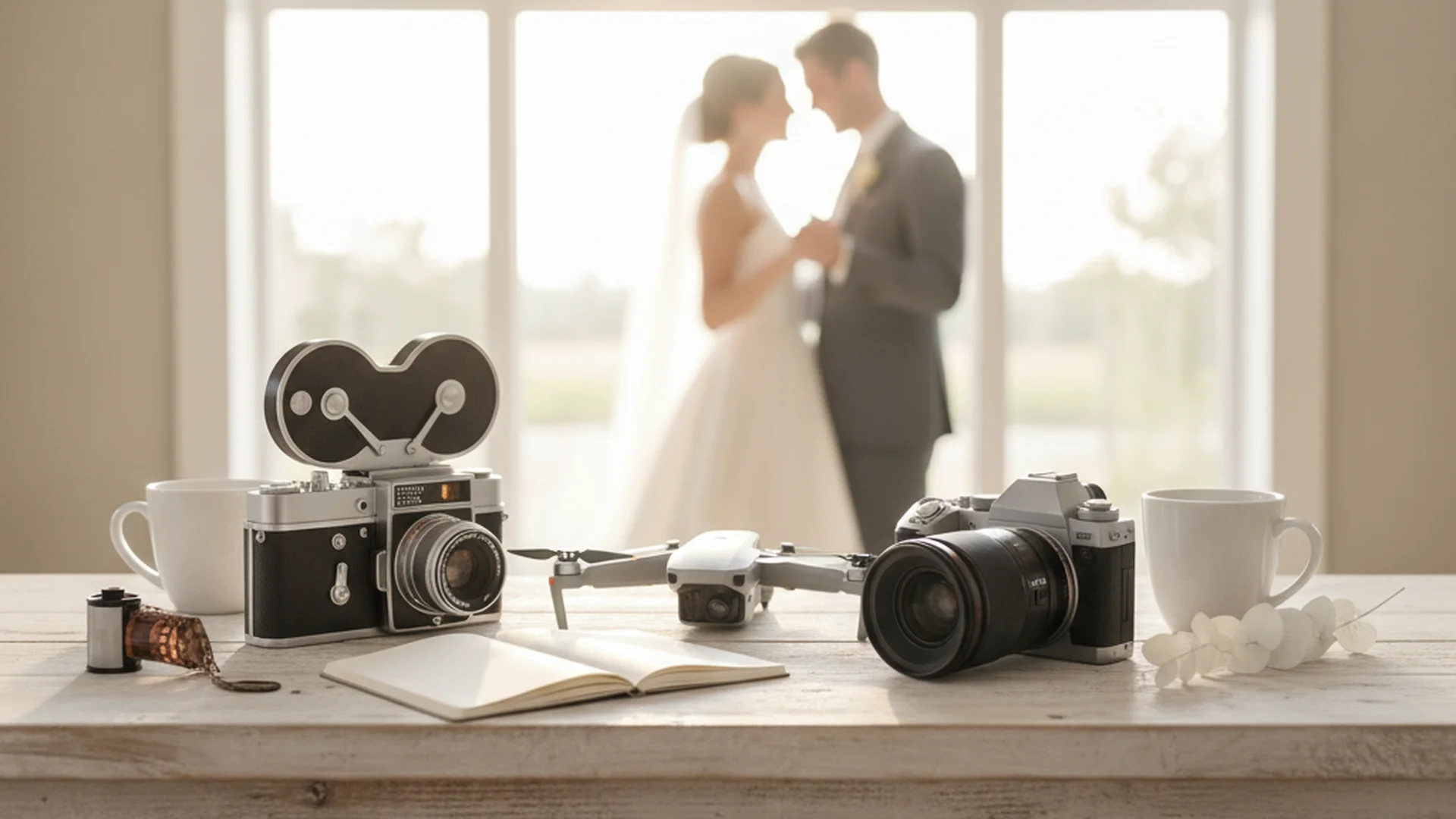
- Videography is the
- High-quality audio is more critical for emotional impact than 4K resolution.
- Social-first "vertical edits" are now a standard industry deliverable.
Your wedding day is a whirlwind of emotions, whispered promises, and spontaneous laughter. While photography captures the stunning still frames of your celebration, only film can preserve the tremor in your partner’s voice as they recite their vows or the sound of your grandmother’s laugh during the toasts. As a professional vow ghostwriter, I see firsthand how much heart goes into the spoken word—and this Wedding Videography Guide is designed to ensure those fleeting moments are captured perfectly for a lifetime.
With the global wedding photography and videography market projected to reach over $667 billion by 2030, the options for couples have never been more diverse or technologically advanced. Whether you are looking for a nostalgic Super 8mm film or a high-energy TikTok edit, understanding the landscape of modern wedding films is essential for planning your big day.
Why Videography is No Longer Optional
In previous decades, videography was often viewed as a "nice-to-have" luxury, frequently the first item cut when budgets got tight. However, 2025 and 2026 have seen a massive shift in consumer sentiment. Today, the vast majority of couples prioritize hiring a professional filmmaker.
The reason for this shift is emotional resonance. A photo captures the "what," but a video captures the "who" and the "how." When you look back at your wedding ten years from now, you will want to hear the specific inflection of your "I do" and see the way your father’s hands shook during his speech.
Heads up
If you are currently weighing your options, consider exploring Best Wedding Photography Styles to see how film can complement your aesthetic.
Understanding Wedding Film Styles
Before booking a vendor, you must identify which "storytelling language" resonates with you. Most modern videographers fall into one of two primary categories, though many offer a hybrid approach.
Cinematic Style
Cinematic wedding films feel like a high-end movie. They use professional color grading, slow-motion shots, and non-linear storytelling. The editor might intercut your morning preparations with your evening first dance to create a thematic emotional arc. These films are highly polished and often focus on the "grandeur" of the day.
Documentary (Journalistic) Style
This approach is more chronological and raw. The goal is to capture events as they happen without heavy intervention from the filmmaker. If you value authenticity and want a "home movie" feel that is professionally shot and edited, the documentary style is for you.
| Feature | Cinematic Style | Documentary Style |
|---|---|---|
| Storytelling | Non-linear / Artistic | Chronological / Narrative |
| Editing | High-production / Stylized | Natural / Realistic |
| Pace | Varied (Slow & Fast) | Consistent |
| Feeling | Like a Hollywood Movie | Like a Personal Time Capsule |
Note
The "Audio First" Rule: Why Sound Matters
If there is one piece of advice every couple should take from this Wedding Videography Guide, it is this: bad audio ruins a good video. You can have the most beautiful 4K footage in the world, but if the vows are muffled by wind or the speeches are distorted, the emotional impact is lost.
Professional Audio Techniques
- Lapel Mics: Your videographer should place a small, discreet microphone on the groom and the officiant. This captures clear, crisp vows without the "room echo."
- Soundboard Feeds: For the reception, the videographer should take a direct "line out" from the DJ's equipment to record the speeches directly from the microphone.
- Ambient Sound: High-quality filmmakers also capture "foley" or ambient sounds—the rustle of a dress, the chirping of birds at an outdoor ceremony, or the clinking of champagne glasses—to add texture to the film.
Tip
2025–2026 Videography Trends to Watch
The wedding industry is currently undergoing a "Retro Renaissance" combined with a "Social-First" revolution. Here are the trends defining the next two years of wedding cinema.
The Retro Renaissance (Super 8mm and VHS)
There is a massive surge in couples requesting a "lo-fi" aesthetic. This involves mixing modern digital footage with authentic Super 8mm film or VHS-style camcorder footage. This creates a nostalgic, "heirloom" feel that feels timeless rather than overly produced.
Social-First Deliverables and Vertical Edits
With social media engagement for video generally outpacing static photos, "Vertical Edits" (9:16 aspect ratio) have moved from an add-on to a core requirement. These are specifically edited for Instagram Reels and TikTok, focusing on high-energy transitions and trending audio.
The Rise of the Wedding Content Creator
A new category of vendor has emerged: the Wedding Content Creator. Unlike the professional videographer who uses heavy gear and takes weeks to edit, the Content Creator uses an iPhone to capture "behind-the-scenes" moments that are delivered within 24 hours.
Do this
From the OurVows workspace
Planning the photos?
Build a shot-friendly timeline and brief every vendor from one shared schedule.
Planning for Success: Synergy and Timing
To get the most out of your investment, coordination is key. Your videographer and photographer will be occupying the same physical space for 8–10 hours; they need to work as a team.
Photo-Video Synergy
Many experts now recommend "hybrid" teams—studios that offer both photography and videography. This ensures a consistent aesthetic and prevents the two teams from accidentally stepping into each other's shots. If you are hiring separate teams, make sure they have a consultation call before the wedding.
The Pre-Wedding Consultation
2–4 weeks before your date, schedule a call to discuss:
- Must-Have Moments: Is there a specific relative you want featured? A surprise dance?
- The Timeline: Ensure there is enough time for "creative shots" between the ceremony and reception.
- Vows and Speeches: As a public speaking coach, I always recommend sharing your vow length with your filmmaker so they can plan their memory card and battery swaps accordingly. If you need help with your words, you can use a Wedding Vow Writer to ensure your message is as cinematic as the film itself.
Tip
Common Mistakes to Avoid
Even with the best intentions, couples often fall into common traps when booking their videographer.
- Booking Too Late: Top-tier filmmakers often book out 12–18 months in advance. If you wait until the six-month mark, you may have to settle for a style that doesn't truly match your vision.
- Overusing Drones: While drone shots add a sense of scale, overusing them can feel impersonal and "corporate." Restrained drone use—specifically for venue establishing shots—is the 2026 trend.
- Asking for RAW Footage: Most professionals do not provide raw files because they are unedited, uncolored, and massive in size. If you absolutely want them, expect to pay a "hard drive" add-on fee and be prepared for the technical difficulty of playing them.
- Ignoring the Portfolio Depth: Don't hire based on a 60-second Instagram clip. Ask to see a full-length ceremony edit to ensure their lighting and sound quality remain consistent throughout a 30-minute event.
Real-World Examples of Modern Wedding Films
- The "Teaser" Success: A couple in New York requested a 24-hour "Sneak Peek" for their international family who couldn't attend. The videographer used AI-powered editing tools to deliver a 60-second highlight the very next morning.
- The Audio-Centric Film: A couple who wrote incredibly emotional, 5-minute vows worked with a videographer who used those vows as the entire "voiceover" for their 8-minute highlight film, creating a deeply personal narrative.
- The Retro Mix: A California beach wedding shot 80% on 4K digital cameras and 20% on a vintage 1970s Super 8mm camera. The final edit felt like a bridge between the present and the past.
Frequently asked questions
Is videography worth it if I already have a photographer?
Can I choose my own music for the wedding film?
How long does it take to get the final video back?
How long is the final film?
What is the difference between a videographer and a content creator?
Conclusion
Your wedding video is more than just a recording; it is an heirloom that will grow in value every year. By choosing the right style, prioritizing audio quality, and staying mindful of modern trends like social-first edits and retro aesthetics, you ensure that your wedding story is told with the depth it deserves.
Whether you are just starting your planning or are one month away, remember that the voices and laughter of your loved ones are the ultimate soundtrack to your life together.
Do this
Ready when you are
Ready to Start?
Begin planning your perfect wedding timeline today.
Ready when you are
Plan your wedding without the chaos.
Free forever for couples just getting started. Two minutes to set up. No credit card.
Keep reading
The Ultimate Guide to Engagement Photo Outfits: Trends for 2025 and 2026
Planning your engagement session? Discover the best engagement photo outfits, 2025-2026 trends, and expert tips to ensure you look and feel your best.
Modern Wedding Party Photo Ideas: Trends and Tips for 2025-2026
Discover the top wedding party photo ideas for 2025. From Vogue-style editorial posing to motion blur, learn how to capture stunning, modern group shots.
25 Essential Questions to Ask a Wedding Photographer Before You Book
Ensure your wedding memories are captured perfectly. Learn the 25 essential questions to ask a wedding photographer about logistics, style, and 2025 trends.