The Ultimate Wedding Video Shot List: Capturing Every Story in 2025
Ensure your wedding film is perfect with our expert wedding video shot list. Explore 2025 trends, essential audio moments, and professional cinematography tips.
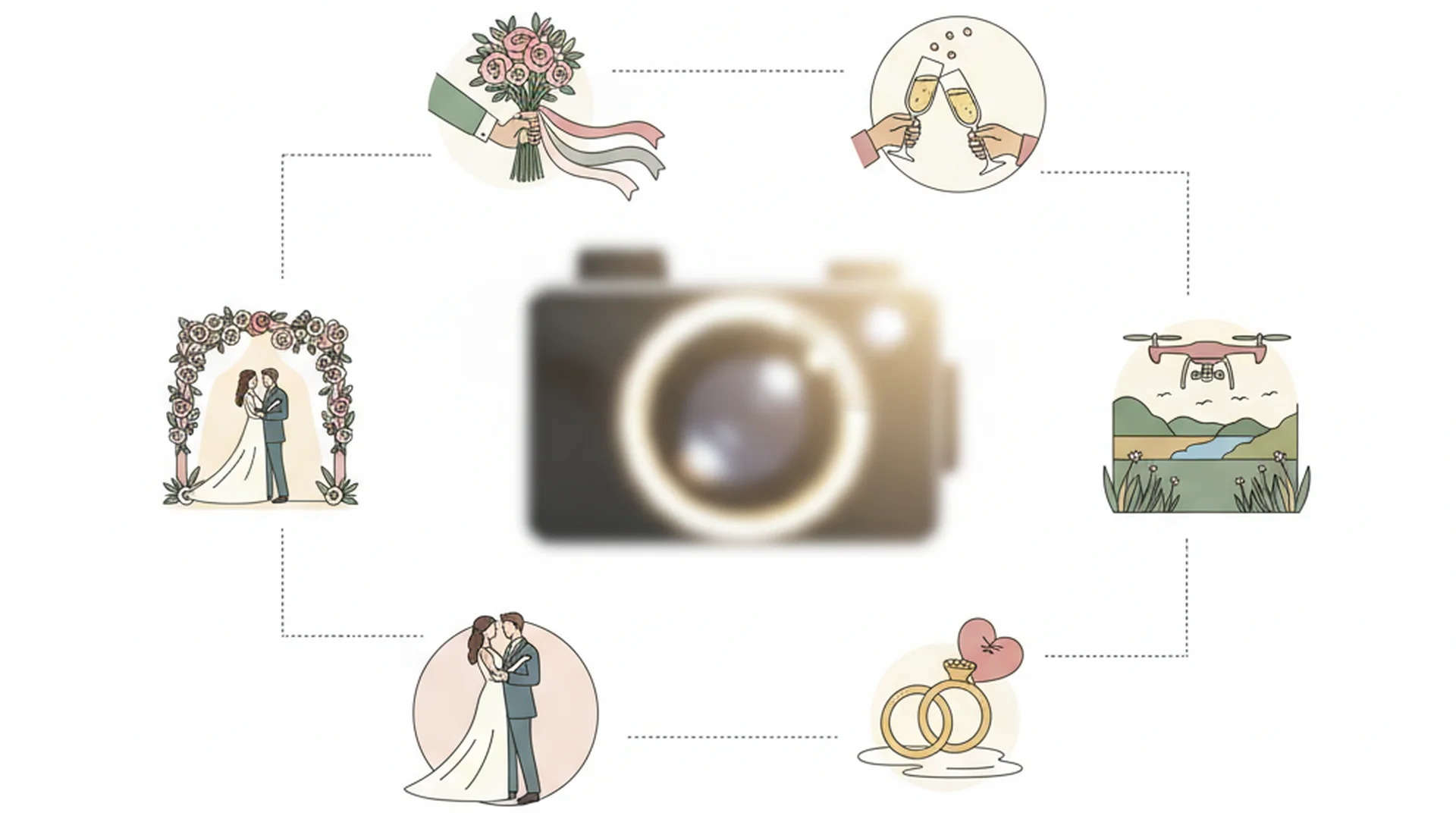
- Focus on intentional storytelling rather than a simple checklist.
- Prioritize audio quality for vows and speeches to enhance the emotional impact.
- Incorporate 2025 trends like vertical social media edits and vintage textures.
A wedding film is more than just a recording of an event; it is a living heirloom that captures the laughter, the whispers, and the movement of your most significant day. As an interfaith wedding officiant, I have stood at the center of hundreds of ceremonies, and I’ve seen firsthand how a well-prepared wedding video shot list can transform a chaotic day into a seamless cinematic masterpiece. In 2025 and 2026, the trend has shifted away from stagnant, "checklist-style" filming toward intentional storytelling that prioritizes raw emotion and authentic connection.
Whether you are aiming for a high-end cinematic production or a nostalgic, lo-fi documentary, having a roadmap is essential. A professional videographer doesn’t just record what happens; they anticipate the moments that matter most. By coordinating your vision with a structured list of must-have shots, you ensure that no heirloom detail or tearful glance is left on the cutting room floor.
The Evolution of Wedding Videography in 2025
The landscape of wedding media is changing rapidly. We are moving into an era where "social-first" content is just as important as the feature-length film. Couples in 2025 are increasingly requesting vertical edits for TikTok and Instagram Reels, delivered with a lightning-fast turnaround. Furthermore, the aesthetic is shifting toward a "perfectly imperfect" look—think grainy Super 8 film and unscripted, "behind-the-scenes" moments.
Tip
Phase 1: Pre-Ceremony and Preparation
The morning of the wedding is a treasure trove of quiet, intimate moments. This is where the "story" of your day begins. While your photographer captures the still images, your videographer should focus on the movement: the steam rising from a coffee cup, the nervous tapping of a foot, and the flowing fabric of the wedding attire.
Essential Preparation Shots
- The Details in Motion: Close-ups of the rings catching the light, the dress swaying on a hanger, and invitations being opened.
- Candid Groom/Bridal Suite Moments: Laughter with the wedding party, the clinking of champagne glasses, and the final touches of hair and makeup.
- The Transformation: Putting on the shoes, fastening jewelry, and the emotional moment the veil is placed.
- Letter Readings: If you are exchanging letters, this is a critical "audio event." Ensure the videographer uses a high-quality lavalier microphone to capture the shaky breath and the crackle in your voice.
Note
Phase 2: The First Look and Portraits
The "First Look" is one of the most cinematic moments of the entire day. Unlike the ceremony, which is public, the first look is a private exchange of energy that translates beautifully to film.
Key Motion Shots
- The Approach: The slow walk-up, the tap on the shoulder, and the anticipation in the groom’s eyes.
- The Reveal: The immediate reaction, the embrace, and the quiet whispers between the couple.
- The Romantic Session: This isn't about posing; it's about movement. Walking hand-in-hand, a slow dance in a field, or a shared laugh.
- The Golden Hour: Using the soft, warm light of the late afternoon to create a dreamlike sequence.
Tip
Phase 3: The Ceremony (The Heart of the Film)
As an officiant, I cannot stress enough how important the ceremony is for your wedding film. This is where the "why" of your wedding is articulated. A great wedding video shot list for the ceremony must prioritize both visuals and high-fidelity audio.
The Essential Ceremony Sequence
- The Venue Wide: An establishing shot of the ceremony space before guests arrive, perhaps using drone footage for scale.
- The Processional: Not just the couple, but the reactions of the parents and the joy of the wedding party.
- The Groom's Reaction: A dedicated camera on the groom as he sees his partner for the first time is a non-negotiable shot.
- The Vows and Exchange of Rings: These are the most important audio moments of the day.
- The First Kiss and Recessional: Capturing the "just married" euphoria as you walk back down the aisle.
Heads up
| Ceremony Moment | Visual Focus | Audio Focus |
|---|---|---|
| Processional | The Walk / Reactions | Processional Music |
| Vows | Close-ups of Faces | Clear Vocal Recording |
| Ring Exchange | Hand Detail Shots | Officiant's Words |
| First Kiss | Wide or Mid-Shot | Crowds Cheering |
Do this
From the OurVows workspace
Planning the photos?
Build a shot-friendly timeline and brief every vendor from one shared schedule.
Phase 4: Reception and Celebration
The reception is where the energy shifts. The goal here is to capture the "vibe" of the party. In 2025, couples are moving away from the formal, staged shots and toward "party-style" documentary footage.
The Reception Shot List
- Grand Entrance: High-energy shots of the wedding party entering the room.
- The First Dance: A mix of wide shots to show the room and tight shots of the couple's connection.
- Toasts and Speeches: Crucial for the narrative. Ensure the videographer captures guest reactions (laughter, tears) during the speeches.
- The Dance Floor: Candid, high-motion footage of guests having fun.
- Cake Cutting and Traditions: Quick, punchy clips of the classic moments.
Tip
Recent Trends for 2025–2026
The world of wedding videography is currently experiencing a creative "renaissance." Here are the trends you should consider adding to your shot list:
1. The "Vintage" Aesthetic
There is a massive resurgence in Super 8 film and lo-fi camcorder aesthetics. Many videographers are now offering "hybrid" packages where they shoot digital 4K for the main film but use an analog camera for nostalgic, grainy interludes.
2. Cinematic Drone Tracking
Drones are no longer just for static aerial views of the venue. In 2025, look for "tracking shots" where the drone follows the couple’s getaway car or flies through the reception space for a "one-take" immersive feel.
3. AI-Enhanced Storytelling
Videographers are beginning to use AI to clean up background noise in outdoor ceremonies and to "cull" thousands of clips to find the most emotional expressions faster than ever before.
Common Mistakes to Avoid
Even with a perfect wedding video shot list, things can go wrong if logistics aren't managed.
- Ignoring Lighting: Natural "moody" light looks great in photos but can lead to "noisy," grainy video in dark reception halls. Discuss a lighting plan for the dance floor with your pro.
- Over-Directing the Day: If you try to stage every single moment, the film will feel stiff. Trust your videographer to capture the unscripted magic.
- Underestimating the Timeline: Great cinematography takes time. Ensure you have allotted enough "portrait" time in your schedule. Consult the Best Time for Wedding Photos to align your video with the best lighting.
- The "Invisible" Videographer Myth: While pros try to be subtle, they need to be in the "action" to get the best shots. Make sure your guests know there will be a film crew present.
Frequently asked questions
What is a wedding video shot list?
How detailed should my list be?
Do I need a separate list for photo and video?
Can the videographer help create the list?
How long does it take to get the final video back?
Conclusion
Your wedding film is the only way to truly "re-live" the day—to hear the tremor in your partner's voice during their vows and to see the joy on your parents' faces during the first dance. By establishing a clear wedding video shot list, you aren't just creating a checklist; you are providing the foundation for a story that will be told for generations.
Remember, the best films are a collaboration between your vision and your videographer’s artistry. Communicate early, prioritize the moments that carry the most emotional weight, and don't forget the importance of high-quality audio.
Do this
Ready when you are
Plan Your Perfect Day
Use our suite of tools to organize your timeline and write your dream vows.
Ready when you are
Plan your wedding without the chaos.
Free forever for couples just getting started. Two minutes to set up. No credit card.
Keep reading
25 Essential Questions to Ask a Wedding Photographer Before You Book
Ensure your wedding memories are captured perfectly. Learn the 25 essential questions to ask a wedding photographer about logistics, style, and 2025 trends.

The Ultimate Guide to Engagement Photo Ideas: Trends for 2025 and 2026
Discover the top engagement photo ideas for 2025-2026, including the "Love Drunk" aesthetic, outfit tips, and expert advice for a perfect session.
Mastering the Glow: Essential Indoor Wedding Photography Tips for 2025-2026
Discover expert indoor wedding photography tips for 2025. From handling low light to mastering the direct flash trend, ensure your indoor ceremony looks stunning.