Wedding Tie vs Bow Tie: The Ultimate Groom’s Style Guide for 2025-2026
Deciding between a wedding tie vs bow tie? Explore 2025 trends, tuxedo etiquette, and expert tips to choose the perfect neckwear for your big day.
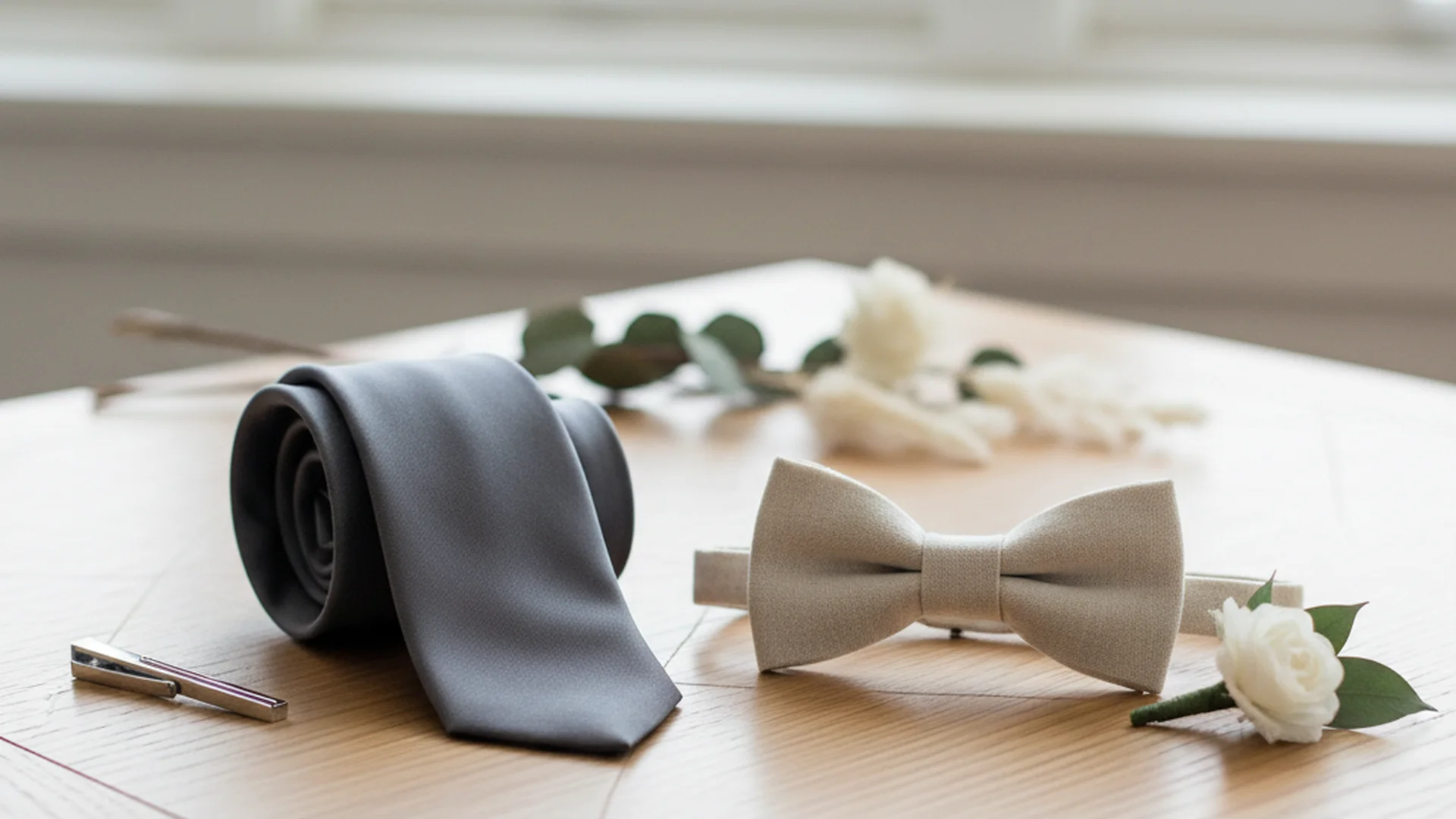
- Tuxedos strictly require bow ties, while suits offer more flexibility for both styles.
- Neckties provide a slimming vertical line, whereas bow ties draw attention to the face.
- 2025 trends emphasize "relaxed refinement" with matte fabrics like velvet and wool.
Choosing the right neckwear for a wedding is a defining style choice that sets the tone for the entire event. As we look toward the 2025-2026 wedding seasons, the wedding tie vs bow tie debate has evolved. It is no longer a simple question of "right vs. wrong," but rather a nuanced exploration of personality, fabric choice, and the rise of "relaxed refinement." Whether you are aiming for a traditional black-tie aesthetic or a modern monochromatic look, your neckwear is the focal point of your ensemble.
The Core Philosophy: Necktie or Bow Tie?
The decision between a necktie and a bow tie often comes down to the level of formality and the silhouette you wish to project. A necktie is the workhorse of menswear—versatile, familiar, and capable of adding a slimming vertical element to your torso. On the other hand, the bow tie is the ultimate symbol of occasion. It signals to the world that today is not just another day at the office; it is a celebration.
In 2025, we are seeing a shift toward "Quiet Luxury." This means moving away from high-shine, synthetic fabrics in favor of rich textures that feel substantial and photograph beautifully. Before you make your choice, it is essential to understand the "Tuxedo Rule" and how your venue influences your style.
The Tuxedo Rule and Formal Etiquette
If you have decided to wear a tuxedo, the debate is largely settled by tradition. In classic menswear etiquette, a tuxedo strictly requires a bow tie. Wearing a standard necktie with a tuxedo is considered a significant style faux pas in formal settings. This is because the design of a tuxedo—specifically the silk or grosgrain facings on the lapels—is meant to be complemented by the clean, horizontal break of a bow tie.
For those wearing a traditional suit, the world is your oyster. You can opt for a sophisticated long tie for a classic look or a bow tie to lean into a vintage-inspired or academic aesthetic. If you are still deciding on the base of your outfit, our Complete Guide to Wedding Attire offers a deeper look at suit types.
Visual Proportions and Body Type
The visual impact of these two accessories differs significantly:
- The Necktie: Creates a "slimming" effect. The vertical line draws the eye down the body, making the wearer appear taller and leaner.
- The Bow Tie: Draws focus upward toward the face and eyes. This makes it an excellent choice for grooms who want to highlight their facial features or a particularly well-groomed beard.
Tip
2025-2026 Trends: Relaxed Refinement
The upcoming seasons are defined by a move toward earth tones and tactile fabrics. We are seeing a departure from the ultra-skinny ties of the 2010s; the standard modern tie width for 2025 is between 2.5 and 3.0 inches.
The Rise of "Quiet Luxury" Textures
Forget the shiny polyester ties of the past. The trend for 2025-2026 is dominated by:
- Velvet: Perfect for winter weddings in deep emerald or burgundy.
- Matte Silk: Offers a sophisticated sheen without the "cheap" reflective quality of satin.
- Herringbone and Tweed: Ideal for autumn or rustic settings.
Trending Color Palettes
While navy and black remain staples, "Mocha Mousse" (a sophisticated brown-taupe) and "Royal Blue" are surging in popularity. For destination weddings, terracotta and sage remain the primary palette. If you are exploring color options, check out our guide on the Best Groom Suit Colors.
The Monochromatic Silhouette
A sleek, modern trend involves wearing a suit and tie in the exact same color. Imagine a forest green suit paired with a forest green knit tie. This creates a continuous, uninterrupted line that looks incredibly sharp in professional photography.
Matching the Venue and Fabric
Your wedding location should heavily influence your neckwear fabric. A silk tie that looks great in a ballroom might feel out of place at a coastal ceremony.
| Venue Type | Recommended Style | Recommended Fabric |
|---|---|---|
| Ballroom / Historic Estate | Butterfly Bow Tie | Silk Satin or Grosgrain |
| Rustic Barn / Outdoor | Standard Necktie | Linen, Cotton, or Wool |
| Modern Loft / Urban | Slim Necktie | Matte Silk or Knit |
| Beach / Tropical | No Tie or Linen Tie | Raw Silk or Linen |
Do this
From the OurVows workspace
Planning a wedding is a lot. We make it feel like less.
Checklist, budget, guest list, and a wedding website — together in one free workspace built for both of you.
Real-World Examples
To help you visualize these choices, let’s look at three distinct wedding scenarios:
Example 1: The Black-Tie Estate Wedding
The groom wears a classic black tuxedo with peak lapels. Following the "Tuxedo Rule," he selects a self-tie black silk bow tie. To stand out from his groomsmen (who are also in black-tie), he chooses a slightly larger "Diamond Point" bow tie, giving him a distinct, authoritative silhouette.
Example 2: The Autumn Barn Wedding
The groom opts for a three-piece tweed suit in charcoal. He chooses a necktie in a rich terracotta wool to match the seasonal colors. To coordinate with his partner’s Boho Wedding Dress, he leaves the knot slightly loose and uses a matte tie bar for a touch of refined ruggedness.
Example 3: The Coastal Destination Wedding
For a ceremony on the sand, the groom wears a light blue linen suit. He decides on a "Batwing" bow tie in a navy knit fabric. This choice is playful yet formal enough for a wedding, and it avoids the heavy feel of a traditional necktie in the heat. For more inspiration on this setting, see our Beach Wedding Dress Ideas.
Common Mistakes to Avoid
Even the most expensive suit can be ruined by poor accessory choices. Avoid these four common pitfalls:
- The "Mirror Image" Pocket Square: Do not use a pocket square made of the exact same fabric as your tie. This looks like a pre-packaged set from a department store. Instead, choose a pocket square that picks up a secondary color or complementary texture.
- The Belt with a Tuxedo: If you are wearing a tuxedo and a bow tie, never wear a belt. Tuxedo trousers should be held up by side adjusters or braces (suspenders). A belt creates a bulky "break" in your midsection.
- Ignoring the Shirt Placket: When wearing a bow tie, your shirt buttons are exposed. Use shirt studs rather than standard plastic buttons for a polished look. If you wear a necktie, the buttons are hidden, making studs unnecessary.
- The "Glossy" Trap: Avoid high-shine polyester. These fabrics reflect camera flashes poorly, often appearing white or "blown out" in photos. Matte silk, wool, or cotton-silk blends photograph much more naturally.
Heads up
Frequently asked questions
Can I wear a bow tie with a regular suit?
Should my tie match the bridesmaids' dresses?
Is a necktie easier for the reception?
How do I stand out from my groomsmen?
Conclusion
Whether you land on the side of the wedding tie vs bow tie, the most important factor is that you feel like the best version of yourself. The necktie offers a sleek, modern, and slimming profile that works beautifully with suits and rustic themes. The bow tie offers a sense of occasion, drawing focus to your face and honoring the traditions of formal wear.
As you plan your final look, remember to consider the venue, the fabric of your lapels, and the overall "relaxed refinement" of 2025 trends. By avoiding the common "mirror image" pocket square trap and opting for high-quality matte fabrics, you ensure that your wedding day style is both timeless and trend-forward.
Do this
Ready when you are
Planning your ceremony details?
Use our tools to craft the perfect day.
Ready when you are
Plan your wedding without the chaos.
Free forever for couples just getting started. Two minutes to set up. No credit card.
Keep reading
The Best Groom Suit Colors for 2025 & 2026: A Complete Guide
Explore the best groom suit colors for 2025-2026. From classic navy to trendy earth tones, find the perfect look for your wedding style and venue.
Flower Girl Dress Ideas: The Ultimate Guide for 2025 and 2026
Discover the top flower girl dress ideas for 2025–2026. From vintage revivals to 3D florals, find the perfect, comfortable look for your littlest bridal party members.
The Ultimate Bridesmaid Dress Guide: Trends and Tips for 2025–2026
Navigate the world of bridesmaid fashion with our 2025–2026 Bridesmaid Dress Guide. Learn about top trends, sizing secrets, and etiquette to keep your party happy.