Mastering the Wedding Seating Chart for 50 Guests: An Intimate Guide
Planning a wedding seating chart for 50 guests? Learn how to balance intimacy, social dynamics, and logistics for your boutique wedding with expert tips.
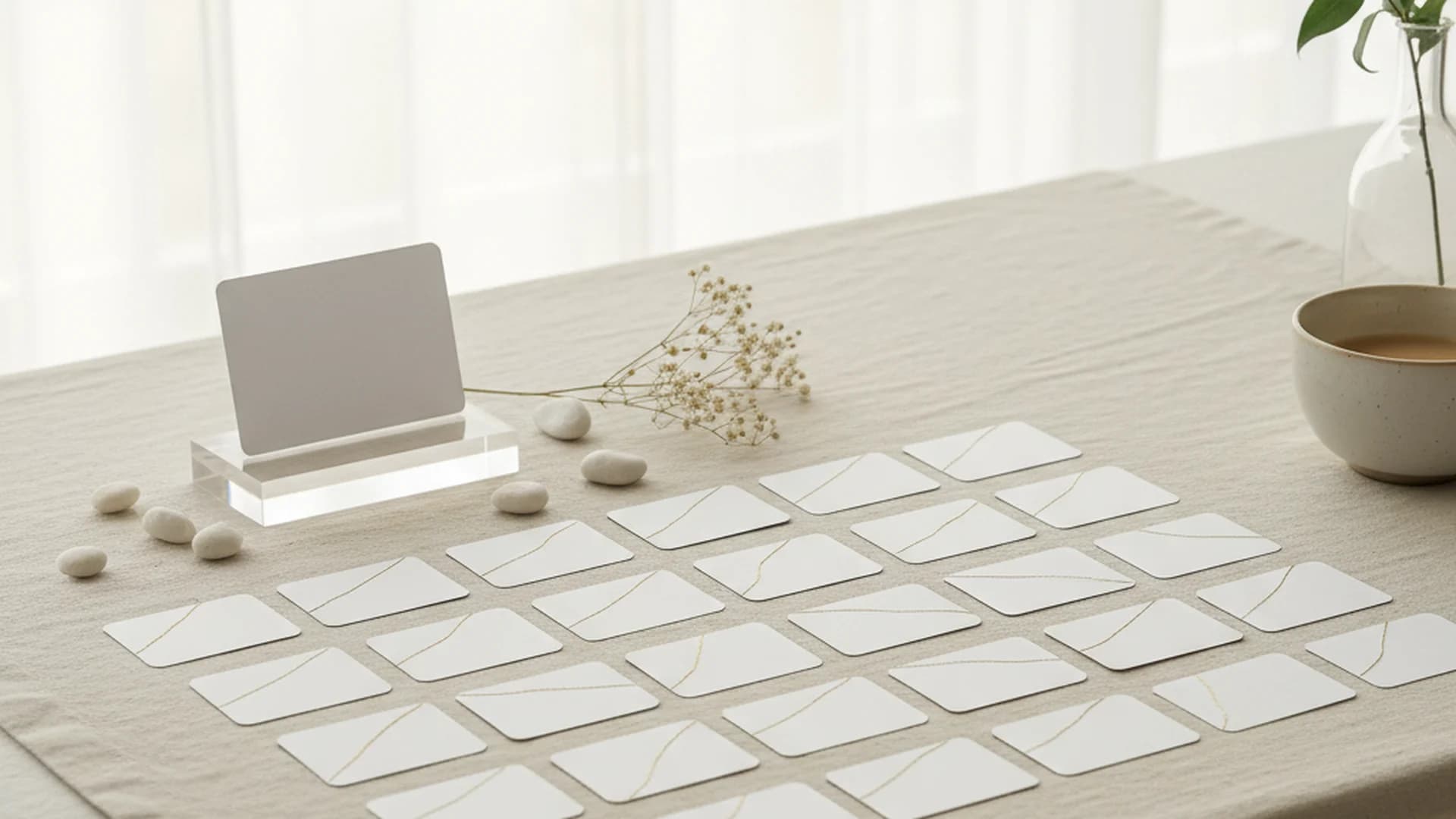
- Seating charts are mandatory at the 50-guest mark to prevent guest anxiety.
- A U-shape or King’s table layout creates a superior communal dining experience for this size.
- Alphabetical organization is the most efficient way to help guests find their seats quickly.
Planning a boutique celebration allows for a level of intimacy that larger events simply cannot match. However, creating a wedding seating chart for 50 guests presents its own unique set of social challenges. As a relationship counselor, I often tell my clients that the seating chart is the first "social contract" you present to your blended community. At this specific guest count—often called the "tipping point" of wedding sizes—the stakes for social dynamics are high. You aren't just placing bodies in chairs; you are curating a conversation and an experience that will define your reception.
Why 50 Guests is the "Tipping Point"
In the world of event planning, 50 guests is a significant number. Below 50, you might be able to get away with an "open seating" concept, though it is rarely recommended. Once you hit the 50-person mark, the "high school cafeteria" anxiety begins to set in for guests. Without a designated spot, the last few people to enter the room—often the ones who are the least socially connected to the group—are left wandering for a single open chair.
At this stage, a formal seating plan generally becomes essential to maintain a high-end guest experience. In our experience, most wedding guests prefer assigned seating over a free-for-all. When guests know exactly where they belong, they feel cared for and relaxed, allowing them to focus on the celebration rather than logistical stress.
Note
Choosing the Best Layout for 50 Guests
With a medium-sized guest list, you have incredible flexibility regarding floor plans. You aren't restricted to the traditional "sea of rounds" that 200-guest weddings require. You can explore Wedding Seating Chart Rules that prioritize connection.
The King’s Table (Long Banquet)
For 50 guests, 2 to 3 long banquet tables (8-foot to 12-foot) can be joined to create a "King’s Table" atmosphere. This layout feels like an upscale dinner party. It encourages cross-table conversation and looks stunning in photography.
The U-Shape Layout
This is my top recommendation for intimate weddings. A U-shape layout allows the couple to sit at the base of the "U," with all 50 guests branching out. Everyone can see the couple, and more importantly, everyone can see each other. This layout fosters a communal, "one big family" feeling that is impossible at larger scales.
Traditional Rounds
If you prefer a classic look, you will typically need 5 to 6 round tables (60-inch to 66-inch). To maintain comfort, stick to 8–10 people per table.
Heads up
The Social Puzzle: Grouping Your Guests
As a relationship counselor, I view the wedding seating chart for 50 guests as a social puzzle. At this size, every table's energy is palpable. If one table is "dead," it affects 20% of your total guest list.
Use "Anchors" for Every Table
Every table should have at least one "anchor"—a person who is naturally gregarious and knows everyone else at that table. This person acts as a natural conversation starter, ensuring that there are no awkward silences.
Managing Blended Families and Divorced Parents
This is where the boutique size can get tricky. With only 5 or 6 tables, "hiding" conflict is harder. For divorced parents, the best strategy is to place them at separate tables that are "equally close" to the couple. This avoids the appearance of a "favorite" parent and gives everyone their own sphere of influence.
Tip
Real-World Examples of 50-Guest Seating
To help you visualize your big day, here are three ways real couples have handled this guest count:
- The "Family Tree" Layout: A couple with two very large immediate families used two long parallel tables—one for the bride’s side and one for the groom’s—with a small sweetheart table connecting them at the top.
- The Mix-and-Match Garden Party: Using a variety of square and round tables, this couple assigned guests to tables but not specific seats, allowing for a more casual, "assigned-adjacent" feel.
- The Circular Ceremony-to-Reception: The couple sat at a circular table in the dead center of the room, with four "spoke" tables branching out, ensuring they were literally at the heart of the party.
| Layout Type | Best For | Spatial Requirement |
|---|---|---|
| King's Table | Formal/High-End | Large, long hall |
| U-Shape | Communal/Family | Wide, open space |
| Rounds | Classic/Traditional | Standard ballroom |
From the OurVows workspace
Solving the seating puzzle?
Drag-and-drop tables, relationship warnings, and printable charts — built into your guest list.
2025–2026 Trends for Intimate Seating
Smaller weddings allow you to spend more per guest on the "seating experience." Here are the trends we are seeing for the upcoming seasons:
- Personalized Love Notes: Because you only have 50 guests, it is feasible to write a one-sentence personalized note to every guest. Place these at their seats to make them feel truly valued.
- The "Cocktail Wall": An interactive trend where guests find their name on a glass of champagne or a signature cocktail that indicates their table number.
- QR Code Integration: A minimalist 2025 trend where a single aesthetic sign features a QR code. Guests scan it to see a digital, searchable list of their table assignment—perfect for tech-savvy, eco-conscious couples. You can even link them to a Wedding Seating Chart App to help them find their spot.
- Art Installation Charts: Moving away from foam boards, 2026 trends favor "art installations," such as hand-built wooden walls with shelves for mini-masterpieces or calligraphed mirrors.
Do this
Common Mistakes to Avoid
Even with a smaller guest count, it is easy to fall into these common traps:
The "Singles Table" Myth
One of the biggest mistakes is grouping all single people together. This often makes them feel isolated or "on display." Instead, seat them with people they actually know or share interests with. At a 50-person wedding, your goal is to integrate, not segregate.
Waiting Until the Last Minute
Most couples wait for the final RSVP to start. Recommendation: Start a draft seating chart 2 months out. It's much easier to delete a name than to rebuild the whole "puzzle" the week of the wedding.
Illegible Fonts
Avoid overly loopy "Pinterest calligraphy" for the names. If a guest over 60 can't read it in low reception lighting, it's a failure of design. Function must come before fashion.
Accessibility Oversights
Always seat elderly guests and those with mobility issues near the exits and restrooms. Additionally, keep them away from the DJ or speakers to protect their hearing.
Frequently asked questions
Do I really need a seating chart for only 50 people?
Should I assign specific seats or just tables?
Where should I place the seating chart display?
How do I handle guests who bring uninvited plus-ones?
Conclusion
Creating a wedding seating chart for 50 guests is an exercise in intentionality. It is your opportunity to play matchmaker, peacekeeper, and host all at once. By choosing the right layout—whether it's a communal U-shape or elegant rounds—and focusing on the social "anchors" at each table, you ensure that your boutique wedding feels like a cohesive celebration rather than a collection of separate groups.
If you are feeling overwhelmed by the logistics, remember that tools like Wedding Seating Chart Software can take the manual labor out of the process, leaving you more time to focus on the personal touches that make a 50-person wedding so special.
Do this
Ready when you are
Ready to Design Your Layout?
Start building your perfect seating plan with our intuitive tools today.
Ready when you are
Plan your wedding without the chaos.
Free forever for couples just getting started. Two minutes to set up. No credit card.
Keep reading
Navigating the Divorced Parents Seating Chart: A Diplomatic Guide for 2025-2026
Learn how to design a divorced parents seating chart that maintains peace and honors family. Expert tips for ceremony and reception layouts in 2025.
The Ultimate Wedding Seating Chart Timeline: A Month-by-Month Guide
Master your wedding seating chart timeline with our expert guide. From early drafts to last-minute changes, learn how to organize your guests stress-free.
Mastering the Pivot: How to Handle Last-Minute Seating Chart Changes
Learn how to manage last-minute seating chart changes with expert strategies, 2025 tech trends, and the 5% buffer rule to keep your wedding stress-free.