Wedding Program Order: The Ultimate Guide for 2025-2026 Ceremonies
Master your wedding program order with our comprehensive guide. From traditional sequences to modern digital trends, ensure your ceremony flows perfectly.
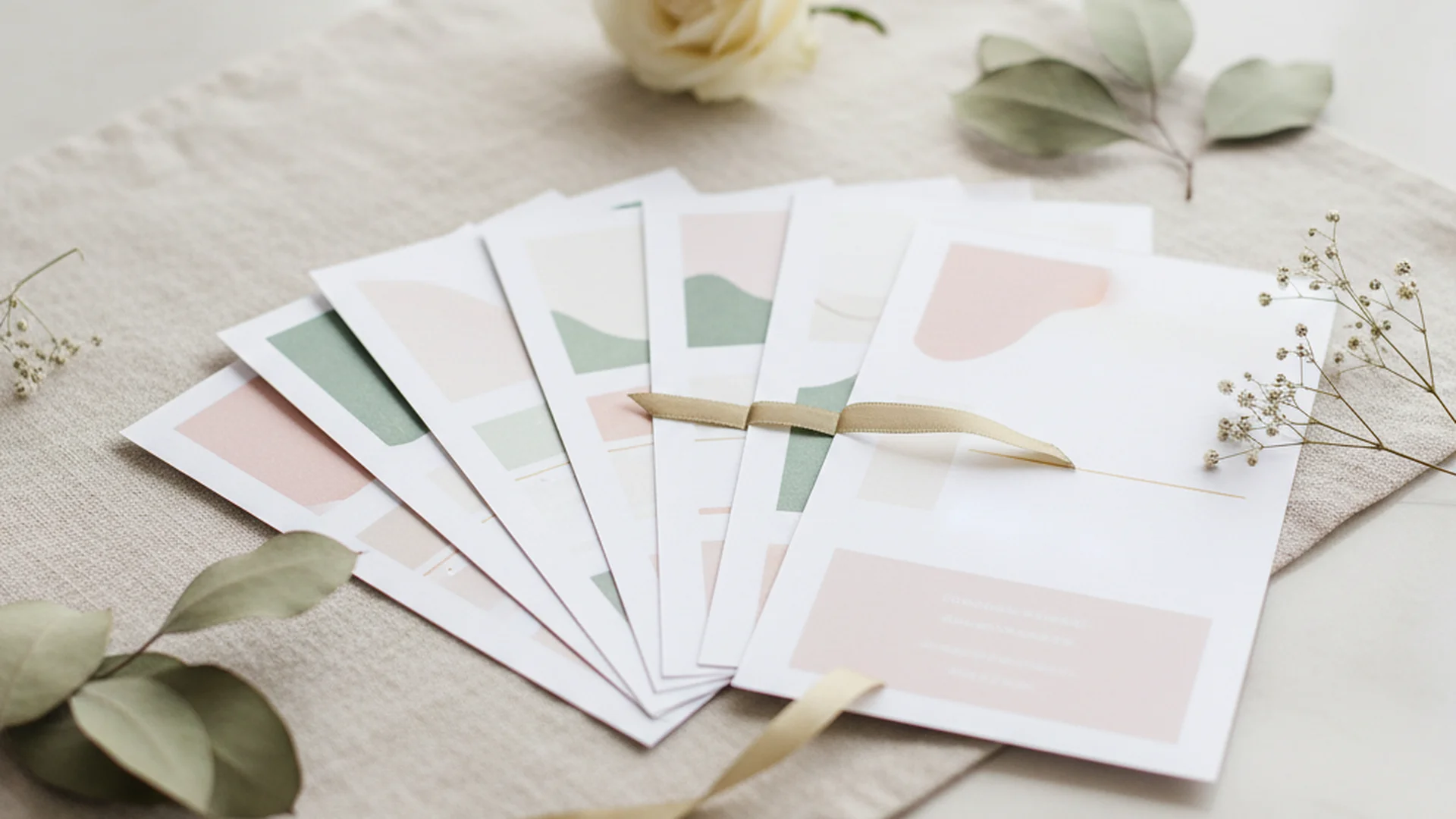
- A wedding program acts as a roadmap, keeping guests engaged and informed.
- Many modern couples use programs to communicate an "unplugged" ceremony policy.
- Secular and religious orders differ significantly, requiring careful planning.
Planning your wedding ceremony is one of the most intimate parts of the wedding journey, yet it often comes with a surprising amount of logistical stress. As guests arrive and take their seats, they look for a sense of direction. This is where your wedding program order becomes essential. Far more than just a piece of stationery, a well-thought-out program serves as a roadmap for your guests, a tribute to your loved ones, and a keepsake of your union. Whether you are planning a traditional church ceremony or a modern secular celebration, understanding the flow of events is the first step toward a seamless day.
Why the Wedding Program Order Matters
In my work as a relationship counselor, I often remind couples that the ceremony is the only part of the day specifically designed to honor the transition into a new life together. While the reception is for celebration, the ceremony is for commitment. A clear wedding program order ensures that your guests aren't just spectators—they are active participants in your story.
In the 2025–2026 wedding seasons, we are seeing a significant shift in how these programs are designed and delivered. With the average wedding size reaching 131 guests, clear communication is more important than ever. Furthermore, with many couples now opting for "unplugged" ceremonies, the program has become the primary tool for politely asking guests to put their phones away and remain present in the moment.
Note
The Standard Wedding Program Order: A Step-by-Step Blueprint
While every wedding is unique, most follow a "Ceremony Blueprint" that provides a familiar rhythm for guests. Here is the standard order for a secular or traditional non-denominational ceremony.
1. The Processional
The processional marks the official start of the ceremony. This is the entrance of the family and the wedding party. Traditionally, the order is:
- Officiant and Groom (often entering from the side)
- Groomsmen and Bridesmaids (walking in pairs or individually)
- Best Man and Maid of Honor
- Ring Bearer and Flower Girl
- The Bride and her escort
2. Words of Welcome
Once everyone has reached the altar, the officiant will offer opening remarks. This usually includes a "thank you" to the guests for attending and a brief reflection on the meaning of marriage.
3. The Readings
Readings allow you to personalize your ceremony. You might choose a favorite poem, a passage from a beloved novel, or a meaningful religious text. This is a great way to involve friends or family members who are not in the official wedding party.
4. The Vow Exchange
This is the heart of the wedding program order. Whether you write your own vows or use traditional ones, this is the moment where you make your lifelong promises to one another.
5. The Ring Exchange
Following the vows, the couple exchanges rings as a symbol of their unending commitment. The officiant usually says a few words about the symbolism of the circle.
6. Pronouncement and The Kiss
The officiant officially declares you married. This is followed by the "First Kiss," which serves as the emotional climax of the ceremony.
7. The Recessional
The ceremony concludes with the recessional. The newly married couple exits first, followed by the wedding party and then the immediate family.
Tip
Religious Variations and Cultural Traditions
While the secular order is common, many couples incorporate religious or cultural traditions that change the wedding program order.
Catholic Ceremonies
A full Catholic wedding often includes a Nuptial Mass. This can lengthen the ceremony to about an hour. It typically includes the Liturgy of the Word, the Liturgy of the Eucharist (Communion), and the final Nuptial Blessing. For a detailed breakdown, you might want to view a Catholic Wedding Ceremony Script.
Jewish Traditions
Jewish ceremonies are rich with symbolism. Key elements for the program include:
- The Ketubah Signing: Often done privately before the ceremony.
- The Chuppah: The wedding canopy representing the couple's new home.
- Sheva Brachot: The seven blessings recited over the couple.
- The Breaking of the Glass: The final act of the ceremony, followed by shouts of "Mazel Tov!"
Hindu Ceremonies
Hindu weddings are often multi-day events, but the main ceremony includes specific steps like the Ganesh Puja, the Saptapadi (the seven steps around the sacred fire), and the Mangal Pheras. If you are hosting a multi-cultural wedding, it is helpful to include a brief "glossary" in your program to explain these beautiful rituals to guests who may be unfamiliar with them.
| Ceremony Type | Average Duration | Key Feature |
|---|---|---|
| Secular | 20–30 Minutes | Personalized Vows |
| Catholic | 60–90 Minutes | Holy Communion |
| Jewish | 30–45 Minutes | Breaking the Glass |
| Hindu | 1.5–3 Hours | Sacred Fire (Agni) |
Modern Trends for 2025–2026
Wedding stationery is evolving. In 2025, we are seeing a move away from simple cardstock toward hyper-personalized and eco-friendly options.
The "Newspaper" Program
One of the hottest trends for the upcoming season is the 4-page "wedding daily." Styled like a vintage newspaper, these programs include:
- A "Love Story" timeline.
- Crossword puzzles or trivia about the couple.
- A "Who’s Who" section with fun facts about each bridesmaid and groomsman.
- "Extra! Extra!" headlines about the upcoming reception menu.
Digital and QR Code Programs
Sustainability is a major priority for modern couples, and a growing number of guests now expect digital integration. Instead of printing 150 paper programs, many couples are placing a single, beautifully framed QR code at the entrance. Guests scan the code with their phones to view the wedding program order on a mobile-optimized site.
Do this
Eco-Friendly "Seed Paper"
For those who love the feel of physical paper but want to remain eco-conscious, seed paper is a fantastic option. These programs are embedded with wildflower seeds. After the wedding, guests can take them home and plant them in their gardens, turning your program into a living memory.
From the OurVows workspace
Shaping your ceremony?
Draft your vows and ceremony, then keep the whole day organized in one place.
Essential Content for Your Program
Regardless of the design you choose, your program should act as a comprehensive guide. Ensure you include the following sections:
The "Who’s Who"
Don't just list names; list relationships. Instead of just "Sarah Miller," write "Sarah Miller, Sister of the Bride." This helps guests connect with the people standing at the altar with you. Include:
- Parents and Grandparents
- Officiant
- The Wedding Party
- Musicians or Soloists
The "Unplugged" Reminder
To ensure your photographer can get the best shots without a sea of iPhones in the way, include a polite note: "We invite you to be fully present with us during our ceremony. Please silence your phones and put them away until we are pronounced husband and wife."
In Memoriam
If you have lost parents or close family members, a dedicated "In Memoriam" section is a touching way to acknowledge their presence in spirit. You might list their names alongside a message like: "In loving memory of those who are watching from heaven today."
Heads up
Logistics: Ordering and Distribution
One of the most common questions I receive is: "How many programs do I actually need?"
If you are having an intimate wedding (under 50 guests), order one per person. For larger weddings (100+ guests), you can typically order one per household or one per couple. Most experts recommend ordering about 75% of your total guest count.
Distribution Strategies:
- Ushers: The traditional method. Have ushers hand them to guests as they are seated.
- The Basket Method: Place programs in a decorative basket or on a table at the entrance next to the guest book.
- Seat Placement: Place a program on every chair (or every other chair). This ensures everyone sees it, though it can be more labor-intensive to set up.
Tip
Common Mistakes to Avoid
Even the most organized couples can run into trouble with their wedding program order. Here are the most frequent pitfalls:
- Waiting Until the Last Minute: You should have your ceremony script finalized and your programs sent to the printer at least 3–4 weeks before the big day. Last-minute printing leads to typos and high rush-shipping fees.
- Over-Stuffing with Text: Guests won't read long paragraphs while waiting for the ceremony to start. Use bullet points, headers, and plenty of white space.
- Forgetting the Directions: If your reception is at a different location than the ceremony, your program is the perfect place to include the address or a small map.
- Ignoring Readability: Avoid light-colored fonts (like yellow or pale pink) on white paper. Stick to a font size of 10pt or 12pt to ensure older guests can read the text easily.
Frequently asked questions
Do I really need a program if my ceremony is only 15 minutes?
Who should be listed first in the "Parents" section?
When should guests arrive for the ceremony?
How do I handle a "Ring Warming" or other unity rituals in the program?
Final Touches: The Thank You Note
The back panel of your wedding program is the perfect place for a message of gratitude. Writing a collective thank you to your parents, your wedding party, and your guests for traveling to celebrate with you is a class act that never goes out of style.
As you finalize your wedding program order, remember that this document is a reflection of your personality as a couple. Whether it’s filled with jokes, deep spiritual meaning, or sleek modern design, it should feel like you.
For more help with your ceremony specifics, check out our guide on Bible Readings for Weddings or explore options for a Civil Wedding Ceremony Script.
Do this
Ready when you are
Ready to Start?
Organize your ceremony flawlessly with our digital planning tools.
Ready when you are
Plan your wedding without the chaos.
Free forever for couples just getting started. Two minutes to set up. No credit card.
Keep reading
The Ultimate Wedding Processional Order Guide: Traditions and Modern Trends
Master your wedding processional order with our comprehensive guide. From traditional Christian and Jewish lineups to modern LGBTQ+ and 2025 trends.
How to Officiate a Wedding for a Friend: The Ultimate 2025 Guide
Learn how to officiate a wedding for a friend with our comprehensive guide. From legal requirements to script writing, master the art of the ceremony.
The Ultimate Beach Wedding Ceremony Script Guide for 2025–2026
Craft a breathtaking beach wedding ceremony script with nautical metaphors, eco-chic rituals, and expert tips for a flawless seaside wedding in 2025–2026.