The Sequel is Better: A Complete Guide to Your Wedding After Divorce
Navigate your wedding after divorce with confidence. Learn about 2025 trends, etiquette, legal requirements, and how to blend families beautifully.
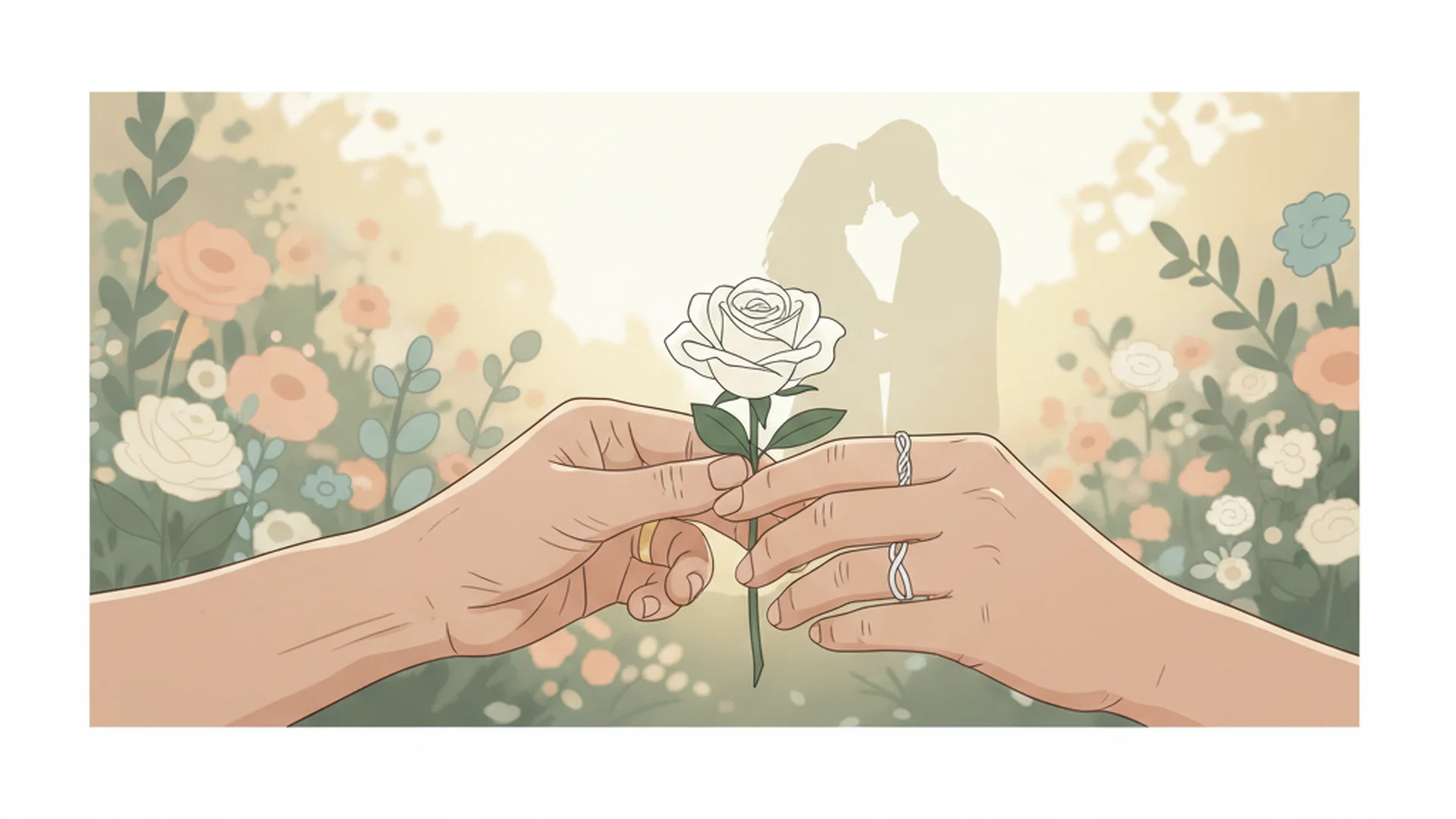
- Remarriage is a major trend for 2025, with most divorcees eventually remarrying.
- Modern etiquette allows for white dresses and large celebrations regardless of history.
- Legal waiting periods and financial transparency are critical logistical steps.
So, you’re doing it again. Welcome back to the aisle! Planning a wedding after divorce is a bit like filming a high-budget sequel: you have a better script, a more experienced lead actor, and hopefully, a much clearer vision of what makes a "happily ever after" actually work. In 2025, the stigma of the "second-timer" has officially evaporated, replaced by a sophisticated culture of "conscious remarrying" that celebrates resilience and maturity.
Whether you are planning an intimate micro-wedding or a lavish "second-chance" gala, this journey is about honoring where you’ve been while stepping boldly into where you’re going. As a wedding humor consultant, I often tell my clients that the best part of a second wedding is that you’ve already survived the worst-case scenario. Now, you’re just here for the cake and the commitment.
The Landscape of Remarriage in 2025–2026
Remarriage isn't just a niche occurrence; it’s a standard part of the modern American life cycle. The majority of divorced individuals eventually find their way back to the altar.
However, the "who" and "how" of these weddings are changing. We are seeing a significant gender gap in the remarriage market. Divorced men remarry at notably higher rates than women. This gap becomes even more pronounced in the "Grey Remarriage" demographic (those over 55), where men are significantly more likely to seek a new spouse than women, who often prioritize their independence and social circles.
Interestingly, the economic impact of a wedding after divorce is often positive. While a divorce frequently hits the wallet hard, remarried adults tend to see their median household wealth rise well above that of their single, divorced counterparts.
Timing and Emotional Readiness: The "One-Year Rule"
Before you book the venue, you have to ensure the "baggage" is packed away (or at least organized). Relationship experts and psychologists strongly recommend the "One-Year Rule." This suggests waiting at least one to three years after your divorce is finalized before saying "I do" again.
Why the wait? Couples who date for a longer stretch before remarrying tend to be far less likely to face a second divorce. It takes time to move past the "rebound" phase and ensure you aren't just using a new marriage to numb the pain of the previous one.
Tip
The Rise of Premarital Counseling
In 2025, premarital counseling is no longer seen as a "red flag" but as a luxury service for your relationship’s health. It’s where you discuss the hard stuff: how the first marriage ended, how you handle conflict, and what "forever" means this time around.
Modern Etiquette: Can I Wear White?
One of the most frequent questions I hear is: "Can I wear white again?" The short answer is: Yes.
Modern etiquette, backed by 2025 industry standards from platforms like Zola, confirms that white is no longer a symbol of virginity but a celebration of the person wearing it. Whether it’s your first or fifth wedding, if you want the white ballgown, buy the white ballgown.
However, many couples in the 2025–2026 season are opting for Second Wedding Dress Ideas that lean toward "Old Money" aesthetics—sleek silhouettes, polished silk, and sophisticated ivory tones rather than the "blushing bride" fluff of decades past.
Do this
Navigating the Legal and Financial Waters
A wedding after divorce involves more paperwork than a first-time nuptial. You aren't just merging two lives; you’re merging two histories, and potentially two sets of assets and debts.
Legal Waiting Periods
Did you know that in some states, you literally cannot get married the day after your divorce? You must check your local laws.
| State | Waiting Period After Divorce |
|---|---|
| Alabama | 60 days |
| Kansas | 30 days |
| Massachusetts | 90 days (Nisi period) |
| Wisconsin | 6 months |
The Prenuptial Agreement
In a second marriage, a prenup isn't about expecting a breakup; it’s about protecting your children’s inheritance and clarifying financial expectations. This is especially vital if you have assets from your first marriage or alimony obligations. Experts suggest that total financial transparency is the foundation of a successful "Sequel Marriage."
Heads up
From the OurVows workspace
Planning a wedding is a lot. We make it feel like less.
Checklist, budget, guest list, and a wedding website — together in one free workspace built for both of you.
Blending the Family: The "Unification" Trend
A large share of remarriages involve children from previous relationships. This has shifted the focus of 2025 weddings from the "couple" to the "unit." We call this Conscious Remarrying.
Instead of the children just sitting in the front row, modern couples are involving them in the ceremony itself. Some popular methods include:
- Junior Roles: Children acting as "Junior" bridesmaids or groomsmen.
- Family Vows: The couple makes promises to the children, and the children (if comfortable) make promises to support the new family.
- Unity Ceremonies: Using sand or candles to represent the blending of four, five, or six lives into one.
For more inspiration on this, check out our guide on Blended Family Wedding Ideas and how to craft Family Vows Blended Family.
Note
Trends for 2025–2026: The "Grey Remarriage" and Beyond
As "Grey Divorce" rates have climbed, so have "Grey Remarriages." Older adults (55+) are seeking companionship for their later years, focusing on travel-centric weddings and high-end dining experiences rather than dance-floor-heavy receptions.
Another trending niche is the "Sequel Wedding" or Reconciliation, where a small but growing number of couples remarry their former spouse. Surprisingly, these reunions tend to fare well when the original issues have been resolved through therapy and time. It turns out, sometimes the first draft just needed a heavy edit.
Common Mistakes to Avoid
Even with experience, it is easy to trip over the hurdles of a second wedding. Here are the most common pitfalls:
- The Rebound Rush: Getting married to prove to your ex (or yourself) that you are "fine." If the ink on the divorce papers isn't dry, wait.
- Hiding the Past: Not being honest about your role in the first marriage's failure. It takes two to tango, and it takes two to tank a marriage. Own your "side of the street."
- Avoiding the "Money Talk": Financial stress is the leading cause of second-marriage divorce. Use a Wedding Budget Calculator to stay on the same page from day one.
- Ignoring the Kids' Pace: Assuming they will be as happy as you are. Give them space to feel their feelings.
- Inviting the Ex: Unless you have a world-class co-parenting relationship and your new spouse is 100% on board, it’s usually best to leave the ex off the guest list.
Frequently asked questions
Can I have a bridal shower for a second marriage?
Do I need to tell my ex-spouse I’m getting married?
Should we register for gifts?
How do we handle the guest list with "former" in-laws?
Is it okay to have a large wedding?
Conclusion
A wedding after divorce is a powerful statement of hope. It says that despite the pain of the past, you still believe in the beauty of a shared life. By focusing on emotional readiness, financial transparency, and the needs of your blended family, you aren't just planning a party—you’re building a foundation that is stronger than the last.
Remember, this isn't about "getting it right this time." It's about being right for each other, right now.
Do this
Ready when you are
Ready to Plan Your Second Chance?
Start your journey with our custom planning tools today.
Ready when you are
Plan your wedding without the chaos.
Free forever for couples just getting started. Two minutes to set up. No credit card.
Keep reading

Second Marriage Bridal Shower: Modern Etiquette and Trends for 2025
Discover the modern approach to planning a second marriage bridal shower. From 2025 trends to etiquette for encore brides and blended families.
25 Inspiring Second Marriage Wedding Ideas for 2025-2026
Explore modern second marriage wedding ideas, from intimate micro-weddings to blended family ceremonies. Plan your perfect encore celebration with expert tips.
Bonding Your Blended Family: The Complete Guide to the Family Medallion Ceremony
Discover how the Family Medallion Ceremony honors children in blended families. Learn about its history, symbolism, and modern trends for 2025-2026.