Including Children in Wedding Ceremony: The Ultimate 2025 Guide
Discover modern ways for including children in wedding ceremonies. From "Ring Security" to "Mini Content Crews," learn how to create an intentional, kid-friendly day.
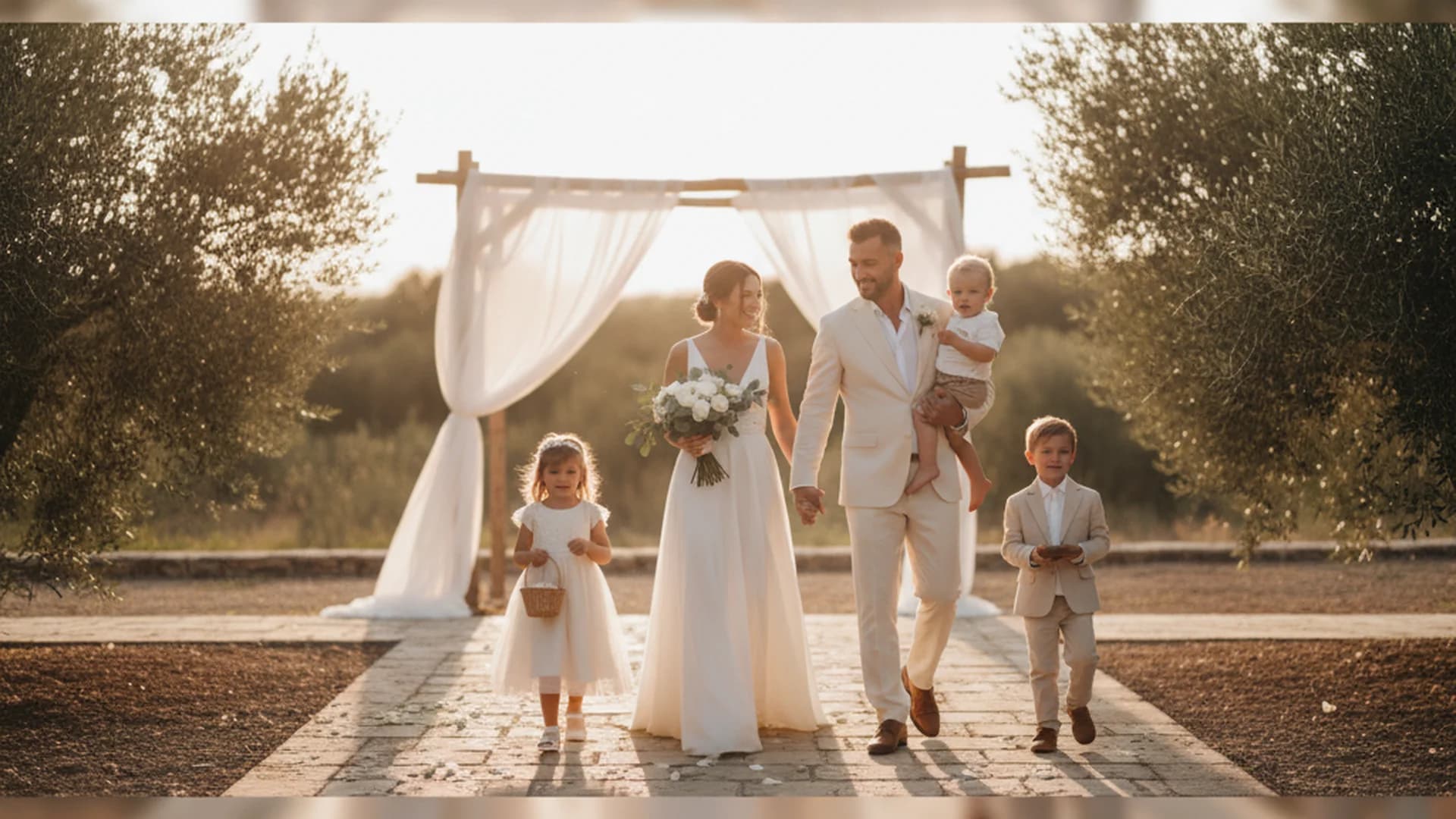
- Intentional inclusion moves beyond traditional flower girl/ring bearer roles.
- Professional on-site childcare is a top 2025 trend for keeping ceremonies elegant.
- Age-appropriate roles ensure children feel included without being overwhelmed.
Deciding on including children in wedding ceremony plans is often one of the first major hurdles couples face during the planning process. Whether you are navigating a second marriage and blending families or simply want your nieces and nephews to be part of the magic, the landscape of "kid-friendly" weddings has changed. Gone are the days of just handing a basket of petals to a shy toddler and hoping for the best.
As we move into the 2025–2026 wedding seasons, the trend is shifting toward "intentional inclusion"—creating meaningful, structured roles that acknowledge children as vital members of the new family unit. As a Creative Director and Wedding Humor Consultant, I’ve seen that the most memorable (and hilarious) moments of a wedding often involve a child’s unscripted honesty. But to make those moments work for you rather than against you, a bit of strategic planning is required.
The 2025 Landscape: To Invite or Not to Invite?
While "adults-only" weddings have seen a surge in popularity on social media, they are actually not the majority. Only a minority of weddings are strictly child-free, which means most couples are finding ways to integrate younger guests into their celebration.
The challenge lies in the logistics. The average wedding in 2025 targets approximately 116 guests, with a per-guest cost of roughly $284. When you include children, you aren't just adding a chair; you are adding specialized catering and, increasingly, professional childcare. A growing number of couples who invite children now provide dedicated entertainment zones to ensure the event remains elegant while accommodating younger guests.
Note
Modern Roles: Beyond Flowers and Rings
For the upcoming season, traditional roles are being reimagined to fit the personalities of Gen Alpha. We are moving away from rigid expectations and toward roles that empower children.
The "Ring Security" Detail
A standout 2025 trend for younger boys (or girls!) is the "Ring Security" role. Instead of a velvet pillow, the child is given a "Security" kit including sunglasses, a plastic earpiece, and a locked briefcase containing the rings. This adds a touch of humor and gives the child a "mission" to focus on, which often reduces stage fright.
The Mini Social Media Team
For tech-savvy tweens and teens (aged 10–14) who might feel "too old" for traditional roles, the "Mini Content Crew" is a brilliant solution. Task them with taking "behind-the-scenes" TikToks, capturing Polaroid photos of guests, or managing a disposable camera challenge. This keeps them engaged and provides you with candid memories from a unique perspective.
Flower Grannies and Mini Escorts
While "Flower Grannies" (grandmothers throwing petals) is a popular trend, many couples are combining the two. Having a child escort a grandparent down the aisle is a powerful way to show multi-generational connection, especially in Blended Family Wedding Ideas.
| Age Group | Recommended Role | Engagement Level |
|---|---|---|
| Under 3 | "Honored Guest" (with parent) | Low (High Unpredictability) |
| 4 to 7 | Flower Girl / Ring Bearer / Security | High |
| 8 to 12 | Junior Bridesmaid / Usher / Guest Book | Moderate |
| 13 to 17 | Content Crew / Reading / Junior Groomsman | High |
Strategic Planning for Success
The success of including children in wedding ceremony lineups depends heavily on age appropriateness. Children under 3 are considered "high unpredictability" guests. Experts recommend they be accompanied by a parent down the aisle rather than walking solo.
The Practice Dress Strategy
One of the best tips from etiquette experts is the "Practice Dress" strategy. Formal wear—tuxedos, stiff dresses, and patent leather shoes—can be itchy and restrictive. Have children wear their wedding attire for a few hours at home a week before the big day. This allows them to get used to the "stuffy" feel and helps you identify any comfort issues before the ceremony.
Tip
Interactive Unity Ceremonies
For those blending families, a unity ceremony is a perfect way to include children. Instead of just the couple lighting a candle, involve the children in a "Family Sand Ceremony" or a "Family Medallion" presentation. This symbolizes that the marriage is not just a union of two people, but the creation of a whole new family unit. For more ideas on this, see our article on the Family Medallion Ceremony.
From the OurVows workspace
Planning a wedding is a lot. We make it feel like less.
Checklist, budget, guest list, and a wedding website — together in one free workspace built for both of you.
Logistics: Food, Fun, and Naps
If you want the adults to enjoy the reception, you must cater to the kids. "Kid-friendly" food stations (taco bars, sliders, mac-and-cheese bars) have become increasingly popular at modern weddings. Not only do kids actually eat this food, but it significantly reduces the $284-per-head food waste.
Professional On-Site Childcare
The "Event Nanny" is the breakout service of 2025. Hiring a professional service allows parents to be present in the moment during the ceremony while kids are supervised in a nearby "Kid Zone." These zones are evolving beyond a simple coloring table; think mini movie theaters with bean bags, silent discos for kids, and DIY craft stations that match the wedding’s aesthetic.
Heads up
Common Mistakes to Avoid
Even with the best intentions, things can go sideways. Here are the most frequent pitfalls couples encounter:
- The Perfection Fallacy: Expecting a five-year-old to walk in a perfectly straight line without stopping to look at a bug is a recipe for stress. Some of the most cherished wedding photos are the "unscripted" ones—a toddler wandering off-path or a flower girl sitting down mid-aisle.
- Forcing the Spotlight: Never force a shy child into a role. Always give children an "out." If they get stage fright at the last minute, let them sit with a parent.
- Ignoring the Length: Keep ceremonies involving children under 20–30 minutes. Their attention spans (and patience) have limits.
- No Designated Escape Route: If a child starts to cry during the vows, you need a pre-arranged plan. Assign an adult (who is NOT in the wedding party) to quietly whisk the child to a pre-determined quiet area.
Do this
Frequently asked questions
How do I politely say "No Children" if I change my mind?
What roles can older children (10–14) play?
Should I provide a separate menu for children?
What if a child cries during our wedding vows?
How do I estimate the guest count if many people have kids?
Conclusion
Including children in your wedding ceremony is a beautiful way to celebrate family, especially during a second marriage. By moving toward intentional inclusion—choosing comfortable fashion, providing professional childcare, and assigning age-appropriate roles—you ensure that the day is joyful for guests of all ages. Remember, the goal isn't a "perfect" ceremony; it's a meaningful one. If a ring bearer loses a shoe or a flower girl drops her basket, laugh it off. Those are the stories that make your wedding uniquely yours.
Do this
Ready when you are
Ready to Plan?
Organize your kid-friendly wedding with ease.
Ready when you are
Plan your wedding without the chaos.
Free forever for couples just getting started. Two minutes to set up. No credit card.
Keep reading

Second Marriage Bridal Shower: Modern Etiquette and Trends for 2025
Discover the modern approach to planning a second marriage bridal shower. From 2025 trends to etiquette for encore brides and blended families.
25 Inspiring Second Marriage Wedding Ideas for 2025-2026
Explore modern second marriage wedding ideas, from intimate micro-weddings to blended family ceremonies. Plan your perfect encore celebration with expert tips.
Bonding Your Blended Family: The Complete Guide to the Family Medallion Ceremony
Discover how the Family Medallion Ceremony honors children in blended families. Learn about its history, symbolism, and modern trends for 2025-2026.