21 Meaningful Blended Family Wedding Ideas for 2025 and 2026
Planning a blended family wedding? Discover 21 modern ideas to honor children, navigate complex dynamics, and create a meaningful ceremony for your new family.
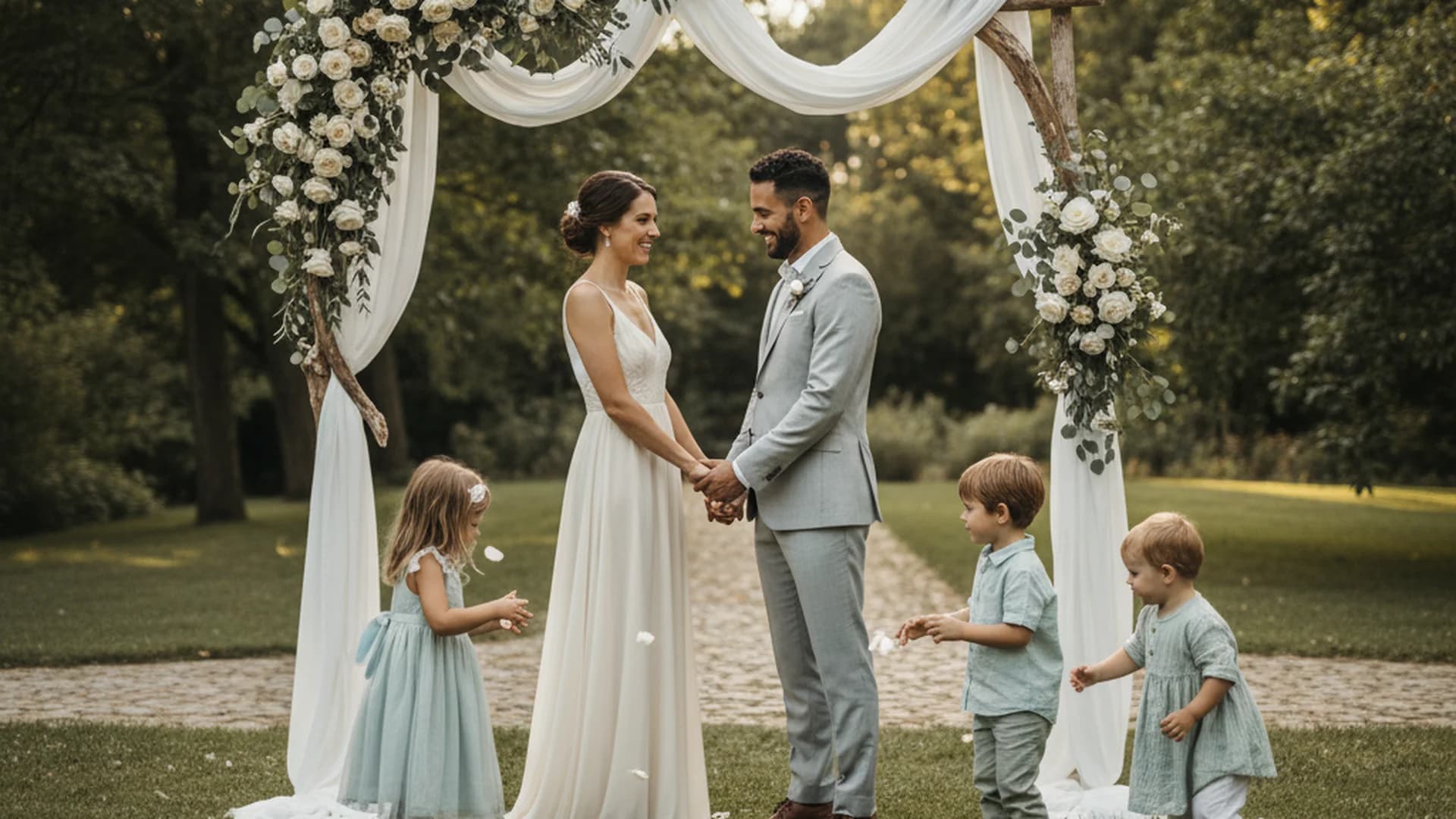
- Focus on 'We Do' rather than just 'I Do' to include children effectively.
- Navigate loyalty binds by giving children agency in their wedding roles.
- Use modern tech and 2026 aesthetic trends to create a cohesive family team.
Planning a wedding is a monumental task, but when you are merging two households, the stakes feel even higher. A blended family wedding isn’t just about the romantic union of two people; it is the intentional architectural design of a new family unit. As we move into 2025 and 2026, the trend has shifted away from the "perfect" aesthetic toward deeply personal, child-centric celebrations. Whether you are looking for blended family wedding ideas that include toddlers or teenagers, the goal is to ensure every member of the new unit feels seen, honored, and valued.
In my work as a vow ghostwriter, I often tell couples that the ceremony isn’t the finish line—it’s the ribbon-cutting ceremony for a lifelong project. With so many American families now identifying as remarried or recoupled, you are in good company. This guide will walk you through the logistics, the emotions, and the creative trends that will make your "Day One" as a blended family unforgettable.
The New Traditions: Redefining the Ceremony
The traditional wedding script often focuses exclusively on the couple. In a blended family context, this can sometimes make children feel like spectators to their own life changes. Modern traditions are pivoting toward inclusive rituals that symbolize the "blend."
The "Ring Warming" Ritual
Before the rings are placed on your fingers, they are passed through the hands of your family members. Each person holds the bands for a moment, offering a silent wish, prayer, or positive thought for the family’s future. This is a beautiful way to involve everyone, from the youngest child to the eldest grandparent, without requiring them to speak publicly if they are shy.
Multi-Member Unity Ceremonies
While the sand ceremony is a classic, 2025 trends are moving toward more tactile "living" symbols. A popular choice is the Tree Planting Ceremony, where the couple and all the children contribute soil from their respective previous homes into a single pot for a new family tree. If you prefer something sweeter, a Candy Blending allows each child to pick their favorite treat and pour it into a large glass jar, representing the unique (and colorful) flavors they bring to the household.
Family Vows and Charters
As a speaking coach, I often suggest that couples include a section of "Family Vows." This is not about the children making promises to the adults, but the adults making promises to the children. You might promise to provide a safe home, to listen to their voices, and to support their unique journeys.
Tip
Age-Appropriate Roles for Children
One of the most common questions I receive is how to involve children without making them feel pressured. The key is to match the role to the child’s developmental stage and personality.
Roles for Toddlers and Young Children (Ages 3–8)
Younger children often steal the show, but they can also be unpredictable.
- The "Vow Bearer": Instead of just rings, have them carry a scroll of the family vows.
- Bubble Leaders: Have them lead the "exit" ceremony by blowing bubbles as you walk down the aisle.
- Junior Wedding Party: They don’t need the "Flower Girl" label; "Junior Bridesmaid" or "Honorary Best Man" can make them feel more "grown-up."
Roles for Pre-Teens and Teens (Ages 9–17)
Teens often experience "loyalty binds," where they feel that celebrating a new marriage betrays their other biological parent.
- The Tech Captain: Give a tech-savvy teen the role of managing the Wedding Hashtag Generator or the QR code photo wall.
- The Music Curator: Let them help choose the processional music or the "family dance" song.
- Reading a Poem: If they are comfortable in the spotlight, a secular reading about family can be a powerful contribution.
Roles for Adult Children
For those in a "gray blend" (where the couple is 50+), adult children might feel like guests rather than participants. To honor them, consider having them walk you down the aisle or act as the "Witness" who signs the marriage license.
Note
Navigating the Complexities: Seating and Exes
The logistics of a second marriage require a nuanced approach to Second Wedding Etiquette.
Circular Seating and Family Pods
The traditional "Bride’s Side" and "Groom’s Side" often creates a literal divide that is counterproductive to blending. A major trend for 2026 is Circular Seating, where the couple stands in the center and guests sit in a 360-degree radius. This symbolizes that everyone is part of the same circle. If using traditional rows, "Family Pods" allow step-parents, biological parents, and children to sit in clusters that feel natural rather than hierarchical.
The Question of the Ex-Spouse
While it is rare to invite an ex-spouse to the wedding, acknowledging them can be a strategic move for the children's emotional well-being.
- The Private Acknowledgement: Acknowledge the other parent privately a few days before the wedding. Let the children know that you respect their relationship with their other parent.
- The "Safe Zone": Ensure there is a designated area at the reception where children can go if they feel overwhelmed or "guilty" for enjoying themselves.
| Component | First Marriage Standard | Blended Family Modern Approach |
|---|---|---|
| Processional | Bride & Father | Entire Family Unit Together |
| Vows | Couple Only | Couple + Promises to Children |
| Seating | Two Sides | Circular or "Family Pods" |
| The Trip | Honeymoon (Couple) | Familymoon (Including Kids) |
2025–2026 Trends: Tech and Aesthetics
The future of blended family weddings is tech-integrated and aesthetically sophisticated.
Earthy Sophistication: The "Curated Team" Look
The "matchy-matchy" look of identical bridesmaids is officially out. For 2026, the trend is Earthy Sophistication. Think palettes of Terracotta, Olive Grove, and Dusty Cedar. Each family member wears a different shade or texture (like velvet or satin) within that palette. This creates a "curated team" look that acknowledges individual identity while showcasing unity.
Tech-Enabled Inclusion
For families that are geographically dispersed, technology is bridging the gap:
- Cinematic Live-Streaming: Use multi-camera setups so distant step-grandparents feel like they are in the front row.
- QR Code Memory Walls: Place QR codes on every table. Guests can upload photos of the kids, the couple, and the "new" cousins in real-time, creating a digital scrapbook of the blend as it happens.
- AI-Driven Storytelling: Use AI tools to help draft a "Family Charter"—a document that outlines the values and traditions your new family hopes to uphold.
The "Non-Wedding" Vibe
Many Gen Z and Millennial couples are ditching the four-hour reception for "Flow-Based" celebrations. This feels more like a high-end family dinner party. There is no rigid timeline; instead, there is a focus on conversation, shared platters of food, and organic interaction.
Do this
From the OurVows workspace
Planning a wedding is a lot. We make it feel like less.
Checklist, budget, guest list, and a wedding website — together in one free workspace built for both of you.
Real-World Examples of Blended Family Success
Example 1: The "Familymoon"
Sarah and Mark, both with two children from previous marriages, decided to skip the tropical getaway for two. Instead, they took all four kids on a "Familymoon" to a mountain resort. They spent the week hiking and playing board games. Sarah noted, "The wedding was the ceremony for the adults, but the Familymoon was the wedding for the kids."
Example 2: The Medallion Ceremony
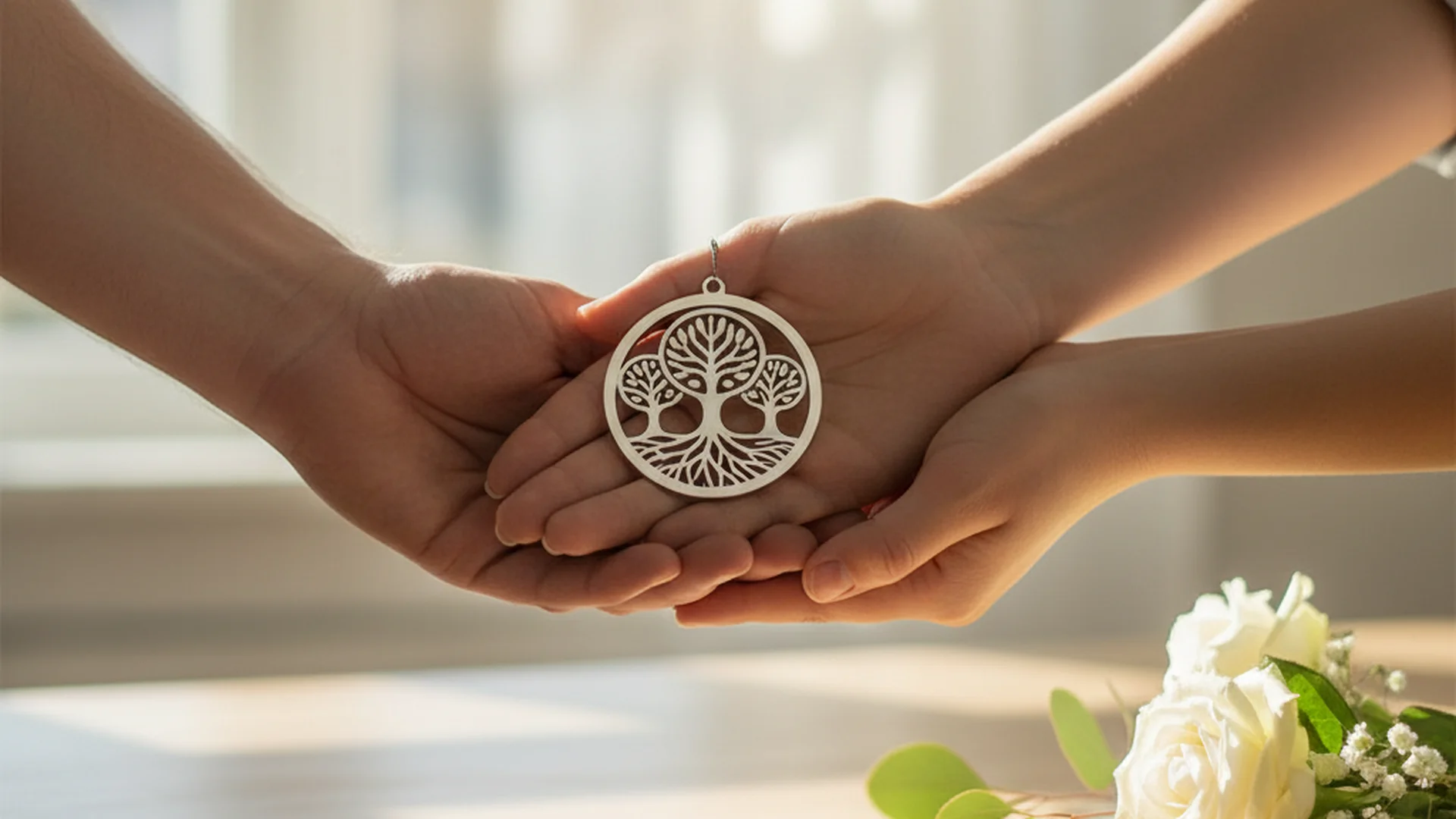
In a recent wedding I coached, the groom gave each of his new stepdaughters a Family Medallion Ceremony. It wasn't a ring (which might feel too much like a "proposal"), but a necklace that symbolized his commitment to being their protector and mentor.
Example 3: The Inclusive Invitation
A couple chose to word their invitations: "With joy, Julian, Maya, and their children, Leo and Sophie, invite you to join their celebration of becoming one family." This immediately signaled to guests that this was a collective event, not just a couple's event.
Common Mistakes to Avoid
- The "Instant Family" Myth: Do not use the wedding to force a narrative that you are all "one big happy family" immediately. Experts suggest blending takes 2 to 7 years. Respect the pace of the slowest-moving family member.
- Overlooking Loyalty Conflicts: If a child seems "difficult" on the wedding day, they are likely experiencing a loyalty bind. They may feel that by liking the new step-parent, they are "un-liking" their biological parent.
- Adults-Only Focus: If you are having a 10 Guest Wedding Ideas intimate ceremony, ensure the children aren't the only kids there, or they may feel like props.
- Financial "Strings": These days, many couples pay for their own weddings. This is especially wise for blended families to avoid the "strings attached" that can come with funding from biological grandparents.
Frequently asked questions
Should I include my ex-spouse in the wedding?
What if my child refuses to participate in the ceremony?
How do we handle different last names on the invitation?
Is it okay to have a bridal shower for a second marriage?
How do we handle seating for four sets of grandparents?
Conclusion
A blended family wedding is a beautiful, complex, and high-stakes celebration of hope. By moving beyond the "I do" and embracing the "We do," you are building a foundation of inclusion and respect. Remember that the wedding is just one day, but the bonds you are nurturing through these blended family wedding ideas will last a lifetime. Whether you are planning a 1 Year Anniversary Vow Renewal later on or jumping straight into a large-scale celebration, keep the children's hearts at the center of your plans.
Do this
Ready when you are
Planning Your Blended Ceremony?
Use our specialized tools to organize your family-centric wedding today.
Ready when you are
Plan your wedding without the chaos.
Free forever for couples just getting started. Two minutes to set up. No credit card.
Keep reading

Second Marriage Bridal Shower: Modern Etiquette and Trends for 2025
Discover the modern approach to planning a second marriage bridal shower. From 2025 trends to etiquette for encore brides and blended families.
25 Inspiring Second Marriage Wedding Ideas for 2025-2026
Explore modern second marriage wedding ideas, from intimate micro-weddings to blended family ceremonies. Plan your perfect encore celebration with expert tips.
Bonding Your Blended Family: The Complete Guide to the Family Medallion Ceremony
Discover how the Family Medallion Ceremony honors children in blended families. Learn about its history, symbolism, and modern trends for 2025-2026.