Thai Wedding Traditions: A Complete Guide to Rituals and Modern Trends
Discover the beauty of Thai wedding traditions, from the Khan Maak procession to 2025-2026 trends like sustainable merit-making and earthy terracotta palettes.
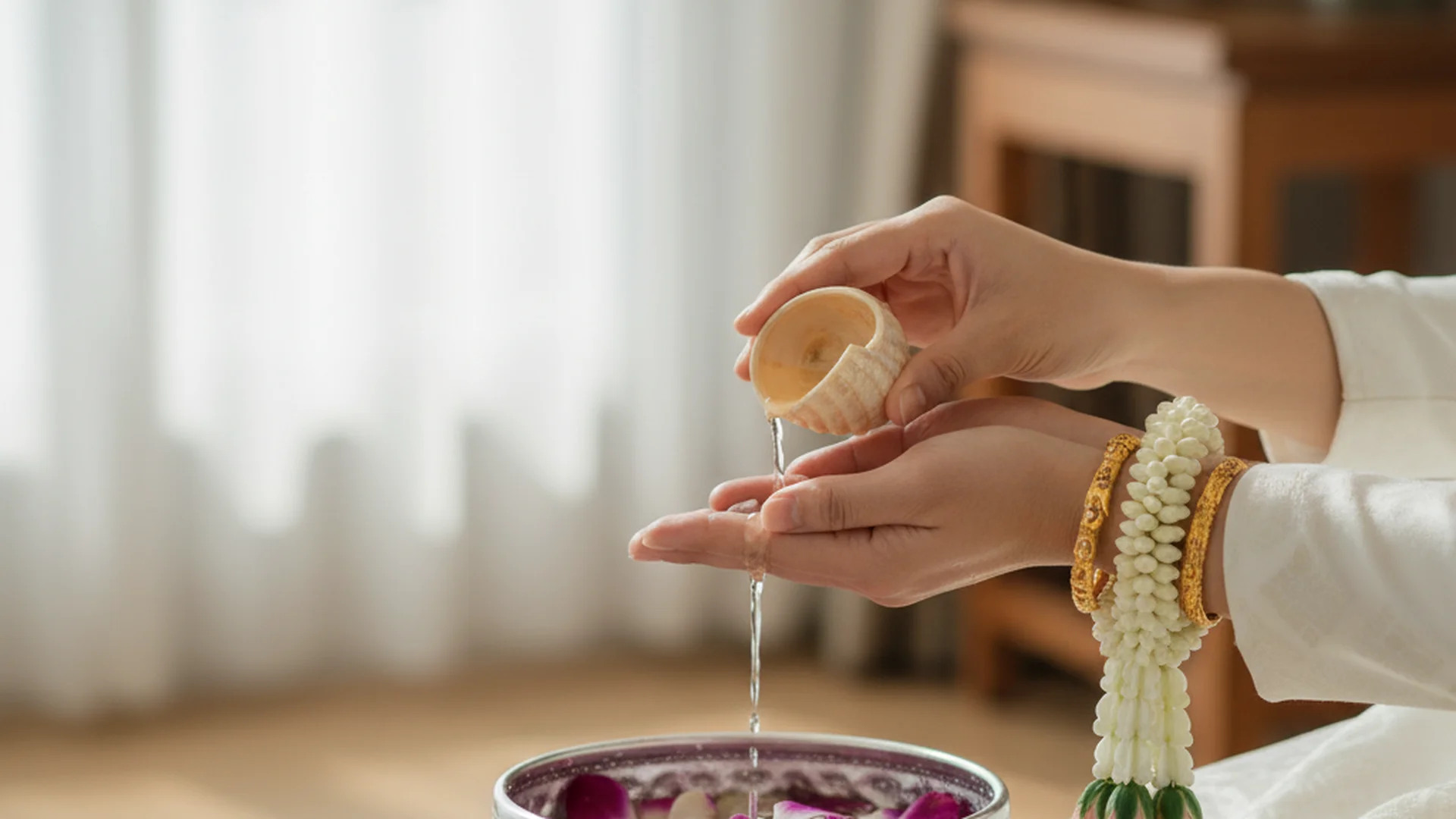
- Thai weddings are deeply rooted in the number nine, symbolizing progress and luck.
- The traditional 'Sin Sod' is evolving, with many modern families returning the dowry to the couple.
- 2025-2026 trends emphasize sustainability and nature-inspired color palettes like sage and terracotta.
The air in a traditional Thai household on a wedding morning is thick with the scent of jasmine, incense, and the rhythmic chanting of monks. For many couples, Thai wedding traditions represent a breathtaking blend of the "Saksit" (sacred) and the "Sanuk" (fun). As a professional vow ghostwriter, I often see couples struggling to balance these ancient rituals with their modern identities. Whether you are planning a destination wedding in Phuket or a traditional ceremony in Bangkok, understanding the layers of symbolism is the first step toward a meaningful union.
In the 2025 and 2026 wedding seasons, we are seeing a fascinating shift. While the core spiritual elements remain untouched, the aesthetic and environmental footprint of these celebrations are evolving. From the vibrant Khan Maak procession to the delicate water-pouring ceremony, every gesture is designed to invite luck, honor ancestors, and build community.
The Morning Rituals: A Step-by-Step Journey
Traditional Thai weddings are typically divided into two parts: the morning rituals, which are religious and family-oriented, and the evening reception, which is a celebratory party. If you are also exploring other heritage-rich ceremonies, you might find interesting parallels in Bangladeshi Wedding Traditions.
1. Buddhist Merit Making
The day often begins at dawn. To ensure a lifetime of luck, the couple invites nine monks to chant and offer blessings. The number nine (Gao) is essential because it sounds like the Thai word for "stepping forward" or "progress."
The couple provides food to the monks, a practice known as "making merit." This is a quiet, contemplative start to the day.
Heads up
2. The Khan Maak Procession
Once the religious blessings are complete, the atmosphere shifts from somber to celebratory. The groom leads a parade—the Khan Maak—to the bride’s house. This is often accompanied by traditional long drums and singing. The groom’s family carries trays of gifts, including betel nuts, flowers, and the Sin Sod (dowry).
3. The "Gate Games" (Hae Khan Maak)
Before the groom can reach his bride, he must pass through a series of "gates" (usually gold or silver chains held by the bride’s bridesmaids or family). To pass, he must perform tasks or pay "tolls" in the form of cash-filled envelopes.
Note
4. The Water Pouring Ceremony (Rod Nam Sang)
This is the most iconic of all Thai wedding traditions. The couple sits next to each other, joined by a Sai Monkhon (a white thread loop) that connects their heads, symbolizing their union while remaining separate individuals. Guests use a conch shell to pour holy water over the couple’s hands while offering a personal blessing.
The Symbolism of Luck and the Number Nine
In Thai culture, timing is everything. You will rarely see a wedding start at 10:00 AM. Instead, it will likely begin at 09:09 AM. This focus on auspicious timing is determined by the Thai lunar calendar or a consultation with a monk.
The Sai Monkhon (the white thread) is another vital symbol. It is typically blessed by monks and represents the spiritual bond between the two people. Unlike a Western "knot," the thread is meant to show that the couple's destinies are now intertwined, but their souls remain their own.
If you are planning a fusion wedding and need help articulating these complex symbols in your ceremony, using a Wedding Vow Writer can help you bridge the gap between traditional Thai sentiments and modern romantic expression.
2025-2026 Trends: Sustainability and Nature
The upcoming wedding seasons are leaning heavily into "Minimalist-Traditionalism." While the rituals remain the same, the "look and feel" are changing.
Sustainable Merit
Eco-consciousness is taking center stage. Instead of mountains of cut flowers that end up in the trash, 2025 couples are opting for "Sustainable Merit." This involves using potted herbs or local plants for the Khan Maak trays, which are later gifted to the local temple or community garden.
Earthy & Terracotta Palettes
While gold and pink have dominated for decades, 2026 is the year of the "Nature Palette." Think sage greens, muted clays, and terracotta. These colors reflect the natural beauty of Thailand’s landscapes—from the northern mountains to the southern shores.
Thai-Botanical Mixology
The traditional "open bar" is being elevated. At the evening reception, expect to see botanical bars serving craft cocktails infused with Thai flavors like kaffir lime, lemongrass, and butterfly pea flower. This is a sophisticated way to introduce international guests to local flavors.
| Trend Feature | Traditional Style | 2025-2026 Evolution |
|---|---|---|
| Color Palette | Gold, Pink, White | Sage Green, Terracotta, Clay |
| Floral Decor | Cut Jasmine & Roses | Potted Plants & Edible Centerpieces |
| Invitations | Paper with Gold Foil | AR-Enabled & Digital-Hybrid |
| Attire | High-Gloss Silk | Sustainable "Boran" Silk |
Guest Etiquette: A Cheat Sheet
Attending a Thai wedding is an honor, but it comes with a specific set of social "rules" that center on Kreng Jai (deep consideration for others).
- What to Wear: Opt for bright colors or pastels. Never wear black (the color of mourning) or all-white (associated with asceticism). If you are looking for other cultural dress codes, check out our guide on German Wedding Traditions.
- The Gift: Cash is king. Place your contribution in the same envelope that the invitation came in. There is no set amount, but it should reflect your relationship with the couple and the venue.
- The Elder Rule: In the water-pouring ceremony, elders always go first. This is a non-negotiable sign of respect in Thai society.
Tip
From the OurVows workspace
Planning a wedding is a lot. We make it feel like less.
Checklist, budget, guest list, and a wedding website — together in one free workspace built for both of you.
Real-World Examples of Thai Traditions in Action
Example 1: The Modern Sin Sod
Last year, I worked with a couple, Ananda and Sarah. Ananda’s family presented a significant Sin Sod during the morning ceremony to honor Sarah’s parents. However, immediately after the photos were taken, Sarah’s mother handed the tray back to the couple, stating it was their "seed money" for their first home. This reflects the 60% of modern families who now use the dowry as a gift to the couple rather than a payment to the parents.
Example 2: The Fusion Vow
A groom from the UK married a Thai bride in Chiang Mai. They used a Wedding Vow Writer to create a speech that explained the meaning of the Sai Monkhon (the white thread) to the English-speaking guests, ensuring everyone felt included in the spiritual significance of the moment.
Example 3: Tech-Hybrid Attendance
At a 2025 wedding in Koh Samui, the couple used high-quality live-streaming for the morning merit-making. This allowed the bride's 90-year-old grandmother in rural Isan to participate and "bless" the couple virtually, showcasing how technology is preserving traditions for those who cannot travel.
Common Mistakes to Avoid
- Wearing Black: Even a black tie or a dark charcoal suit can be seen as bad luck. Stick to navy, tan, or light grey.
- Asking About the Dowry Price: Never ask "How much was the Sin Sod?" It is considered incredibly gauche. This is a private family matter focused on honor, not a transaction.
- Arriving Too Early to the Evening Reception: If the invitation says 6:00 PM for the dinner, showing up at 5:55 PM might find the couple still finishing their sunset photos. The evening part of a Thai wedding is often more fluid than the strictly timed morning rituals.
- Pointing Your Feet: During the monk ceremony or when sitting on the floor for rituals, never point the soles of your feet toward the monks, the couple, or the Buddha images. Tuck your feet behind you.
Frequently asked questions
Is a Thai wedding ceremony legally binding?
Do I have to be Buddhist to participate in the rituals?
Who typically pays for the wedding?
What should I do if I am invited to the "Gate Games"?
Conclusion
Thai wedding traditions offer a profound look into a culture that values family, respect, and spiritual growth. Whether it’s the early morning chants of the monks or the joyful chaos of the Khan Maak procession, these rituals create a tapestry of memories that last a lifetime. As we move into 2025 and 2026, the embrace of sustainability and modern aesthetics only adds to the richness of these ceremonies.
By respecting the "Elder First" rule and choosing the right colors, you can ensure you are a welcome part of the celebration. Planning a wedding with such deep roots can be overwhelming, so don't be afraid to use tools like a Wedding Checklist Generator to keep track of every traditional detail.
Do this
Ready when you are
Planning Your Cultural Union?
Use our suite of tools to craft the perfect ceremony, from vows to budgets.
Ready when you are
Plan your wedding without the chaos.
Free forever for couples just getting started. Two minutes to set up. No credit card.
Keep reading
Dominican Wedding Traditions: A Guide to Island Heritage and Modern Trends
Explore vibrant Dominican wedding traditions, from the 13 gold coins (Las Arras) to the Hora Loca. Learn about costs, legalities, and 2025-2026 trends.
The Ultimate Guide to Bangladeshi Wedding Traditions: Rituals, Fashion, and 2025 Trends
Explore the vibrant world of Bangladeshi wedding traditions. From Gaye Holud rituals to 2025 pastel fashion trends and modern tech-integrated celebrations.
The Ultimate Guide to Moroccan Wedding Traditions: Rituals, Style, and Modern Trends
Discover the vibrant world of Moroccan wedding traditions. From the seven bridal outfits to the grand Amariya procession, explore rituals, costs, and 2025 trends.