The Ultimate Guide to Outdoor Wedding Photography Tips
Master the art of natural lighting and unpredictable environments with our comprehensive outdoor wedding photography tips for couples and photographers in 2025.
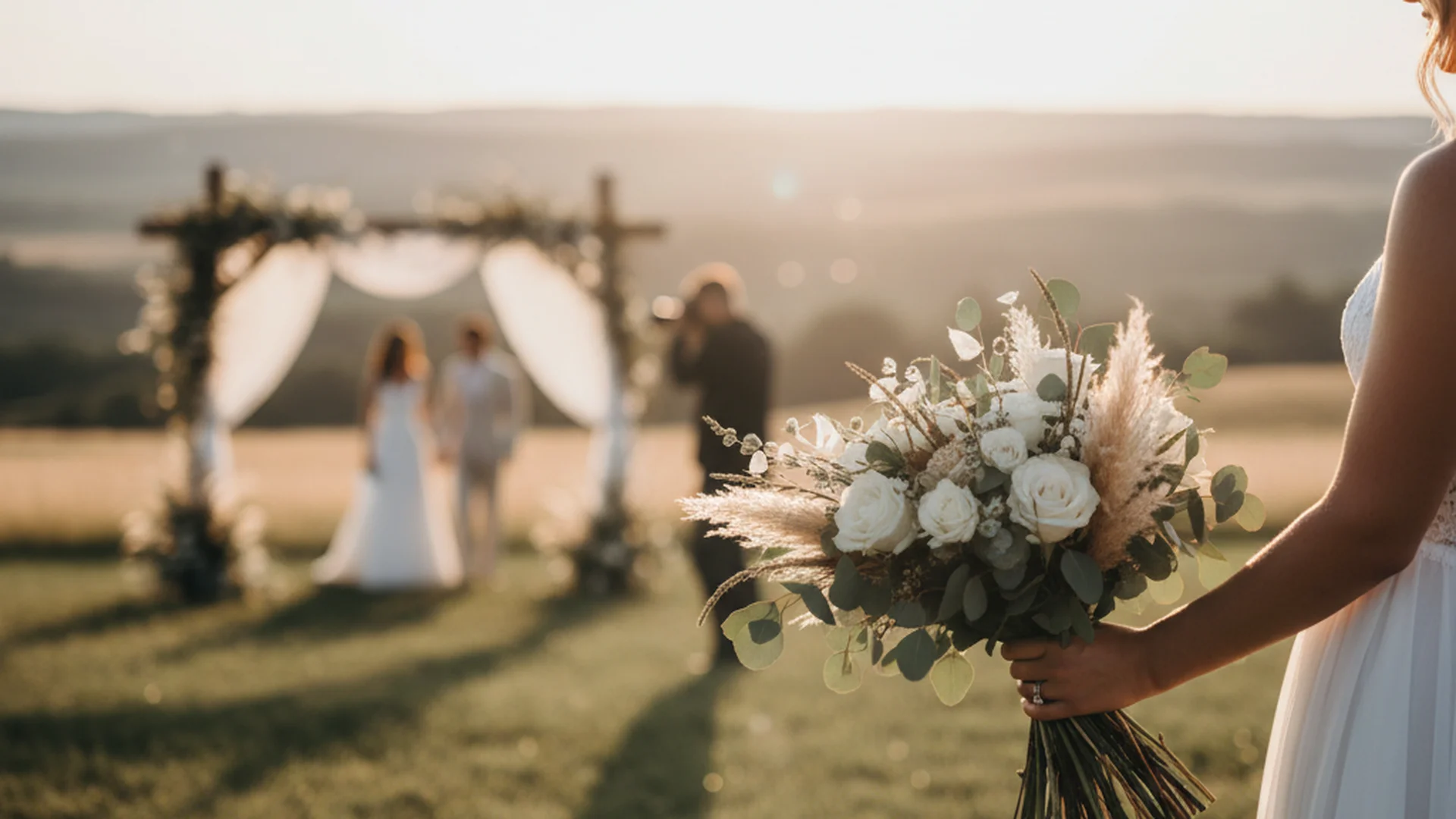
- Optimal lighting occurs 90 to 120 minutes before sunset (Golden Hour).
- Modern trends lean toward documentary-style storytelling and 90s-inspired flash.
- Preparation for weather and harsh midday sun is essential for professional results.
Outdoor weddings offer a breathtaking canvas that indoor venues simply cannot replicate. From the sweeping vistas of a mountain range to the intimate dappled light of an ancient oak grove, nature provides a romantic backdrop that resonates with the soul. However, as an interfaith wedding officiant who has designed hundreds of ceremonies, I have seen how the elements can both bless and challenge a couple's vision. Mastering Outdoor Wedding Photography Tips is about more than just having a high-end camera; it is about understanding the dance between natural light, environmental logistics, and the raw emotion of the day.
In 2025, a growing number of couples are specifically seeking out an "outdoor garden party" aesthetic. While the beauty is undeniable, the technical demands of shooting in an uncontrolled environment require a blend of artistry and strategic planning.
The Landscape of Outdoor Photography in 2025
The industry is currently undergoing a massive shift. We are moving away from the highly curated, "perfect" shots of the previous decade toward a more authentic, gritty, and atmospheric style. Despite the rise of incredible smartphone technology, the vast majority of couples still hire a professional to ensure their memories are captured with consistency and technical precision.
Whether you are a photographer looking to sharpen your skills or a couple planning your big day, understanding the technical and aesthetic trends of the 2025–2026 seasons is vital.
Note
Mastering Light: The Technical Foundation
Light is the most critical factor in outdoor photography. Unlike a studio or a ballroom, you cannot simply flip a switch to change the mood. You must adapt to what the sky provides.
Understanding the Best Time for Photos
One of the most common questions I hear is about timing. If you want those ethereal, glowing images, timing is everything. For the best results, aim for the "Golden Hour." This is the period shortly before sunset when the light is soft, warm, and directional.
If you are curious about how to structure your day around these conditions, check out our guide on the Best Time for Wedding Photos.
Technical Settings for Success
For photographers, the transition from bright sunlight to a shaded grove requires constant adjustment. Here are the recommended benchmarks:
- ISO Management: During the day, keep your ISO between 100 and 400. This ensures the highest dynamic range and the least amount of "noise" in your images.
- Aperture Strategy: To achieve that sought-after "bokeh" effect (where the background is beautifully blurred), use a wide aperture of f/1.4 to f/2.8. However, for group photos, always stop down to at least f/4 so everyone remains in sharp focus.
- Shutter Speed: Outdoor weddings often involve wind and movement. Maintain a shutter speed of at least 1/200s to freeze the action, especially during the processional.
Tip
Environmental & Lighting Management
When the sun is high and bright, it can create "raccoon eyes"—dark shadows in the eye sockets. This is the nemesis of any wedding photographer.
Backlighting is King
Position the sun behind the couple. This creates a stunning "rim light" effect on their hair and shoulders, separating them from the background while preventing them from squinting into the camera. This technique is a staple for Bridal Portrait Ideas that feel high-end and cinematic.
The Power of "Open Shade"
If the sun is too harsh, look for "open shade." This is the area at the edge of a shadow (like under a tree or the side of a building) where the light is even but still bright enough to illuminate the subjects.
| Lighting Condition | Best Strategy | Equipment Needed |
|---|---|---|
| Midday Sun | Open Shade | Reflector |
| Overcast Sky | Direct Shot | None (Natural Softbox) |
| Sunset (Golden) | Backlighting | Prime Lens (f/1.8) |
| Twilight (Blue) | Long Exposure | Tripod/Flash |
Heads up
Trending Aesthetics for 2025–2026
The "Pinterest-perfect" look is evolving. Couples today want their photos to feel like the day, not just look like a magazine spread.
1. The Film Resurgence
A growing number of couples now express a preference for film-style photography. This includes shooting on actual 35mm or medium format film, or using digital edits that mimic the organic grain and muted greens of traditional film stocks. It creates a timeless, nostalgic quality that digital often lacks.
2. Documentary-Style "Unstaged" Coverage
Couples are moving away from stiff, traditional poses. They want "candid storytelling." This involves capturing "messy" details: a veil caught in a bush, a half-eaten slice of cake on a lawn chair, or the raw laughter during a ceremony mishap. Explore Best Wedding Photography Styles to see how this fits your vision.
3. 90s Paparazzi/Direct Flash
A massive trend for the upcoming season is the use of "on-camera direct flash" at night. This creates a high-contrast, edgy, celebrity-after-party vibe. It’s perfect for outdoor receptions under string lights where you want to capture the energy of the dance floor.
4. Blue Hour and Drone Landscapes
While Golden Hour is classic, "Blue Hour" (the 20 minutes after sunset) is trending for its moody, cinematic tones. Simultaneously, drones are being used for "top-down" artistic portraits, such as a couple lying in a field of wildflowers or walking along a secluded shoreline.
Do this
From the OurVows workspace
Planning the photos?
Build a shot-friendly timeline and brief every vendor from one shared schedule.
Common Mistakes to Avoid
Even seasoned professionals can fall into traps when working in the great outdoors. Here are the most frequent blunders to watch out for:
- The "Sunglasses" Blunder: Photographers should never wear sunglasses while shooting. They distort your perception of color and exposure on the camera's LCD screen, leading to poorly edited files later.
- The Midday Sun Misconception: Many couples think "the sunnier, the better." In reality, a slightly overcast day is a photographer's best friend. The clouds act as a giant, natural softbox, providing even, flattering light on everyone's faces.
- Ignoring the "Backup Plan": If it rains, you move inside. But did the photographer scout the indoor backup space? Ensure they have the right flash equipment for a potentially cramped or dimly lit "Plan B" room.
- Tight Timelines: Moving guests and equipment across large outdoor grounds always takes longer than expected. Always build in 15-minute buffer blocks in your timeline. If you're debating a "First Look" to save time, read our breakdown of First Look Photos Pros and Cons.
Real-World Examples of Outdoor Success
Example 1: The Forest Cathedral
A couple married in a dense redwood forest. The photographer used a portable fill flash to pop the couple out from the dark greens of the woods while maintaining the ISO at 400 to keep the "mood" of the forest alive.
Example 2: The Beach "Blue Hour"
During a coastal wedding, the Golden Hour was blocked by sea mist. Instead of panicking, the photographer waited for Blue Hour, using a slow shutter speed to capture the motion of the waves while the couple stood perfectly still, creating a hauntingly beautiful, ethereal portrait.
Example 3: Embracing the Rain
At a garden wedding in England, a sudden downpour occurred. Rather than stopping, the couple grabbed clear umbrellas. The photographer positioned a flash behind them, which caught the individual raindrops, turning a "disaster" into the most iconic shot of the wedding.
Frequently asked questions
Are outdoor weddings cheaper for photography?
What is the absolute best time for an outdoor ceremony?
What happens if it rains during the photo session?
How do you fix "Raccoon Eyes" in bright sun?
Should we do a "First Look" for an outdoor wedding?
Conclusion
Outdoor wedding photography is a high-stakes, high-reward endeavor. By understanding the technical nuances of light, embracing current trends like documentary-style storytelling, and preparing for the unpredictability of nature, you can ensure that your wedding gallery is a timeless reflection of your love.
Remember, the most important element isn't the sun or the scenery—it's the genuine connection between the couple. As an officiant, I always tell my couples: if you are present in the moment, the photos will take care of themselves.
To help stay organized throughout your planning process, consider using a Wedding Checklist Generator to ensure no photographic detail is missed.
Ready when you are
Ready to Capture Your Story?
Connect with expert photographers who specialize in natural light and outdoor storytelling.
Ready when you are
Plan your wedding without the chaos.
Free forever for couples just getting started. Two minutes to set up. No credit card.
Keep reading
The Ultimate Guide to Engagement Photo Outfits: Trends for 2025 and 2026
Planning your engagement session? Discover the best engagement photo outfits, 2025-2026 trends, and expert tips to ensure you look and feel your best.
Modern Wedding Party Photo Ideas: Trends and Tips for 2025-2026
Discover the top wedding party photo ideas for 2025. From Vogue-style editorial posing to motion blur, learn how to capture stunning, modern group shots.

25 Essential Questions to Ask a Wedding Photographer Before You Book
Ensure your wedding memories are captured perfectly. Learn the 25 essential questions to ask a wedding photographer about logistics, style, and 2025 trends.