Muslim Wedding Vows: A Comprehensive Guide to Traditional and Modern Nikah Ceremonies
Explore the spiritual depth of Muslim wedding vows. Learn about the Nikah ceremony, the Mahr, and how to incorporate personalized vows in 2025-2026.
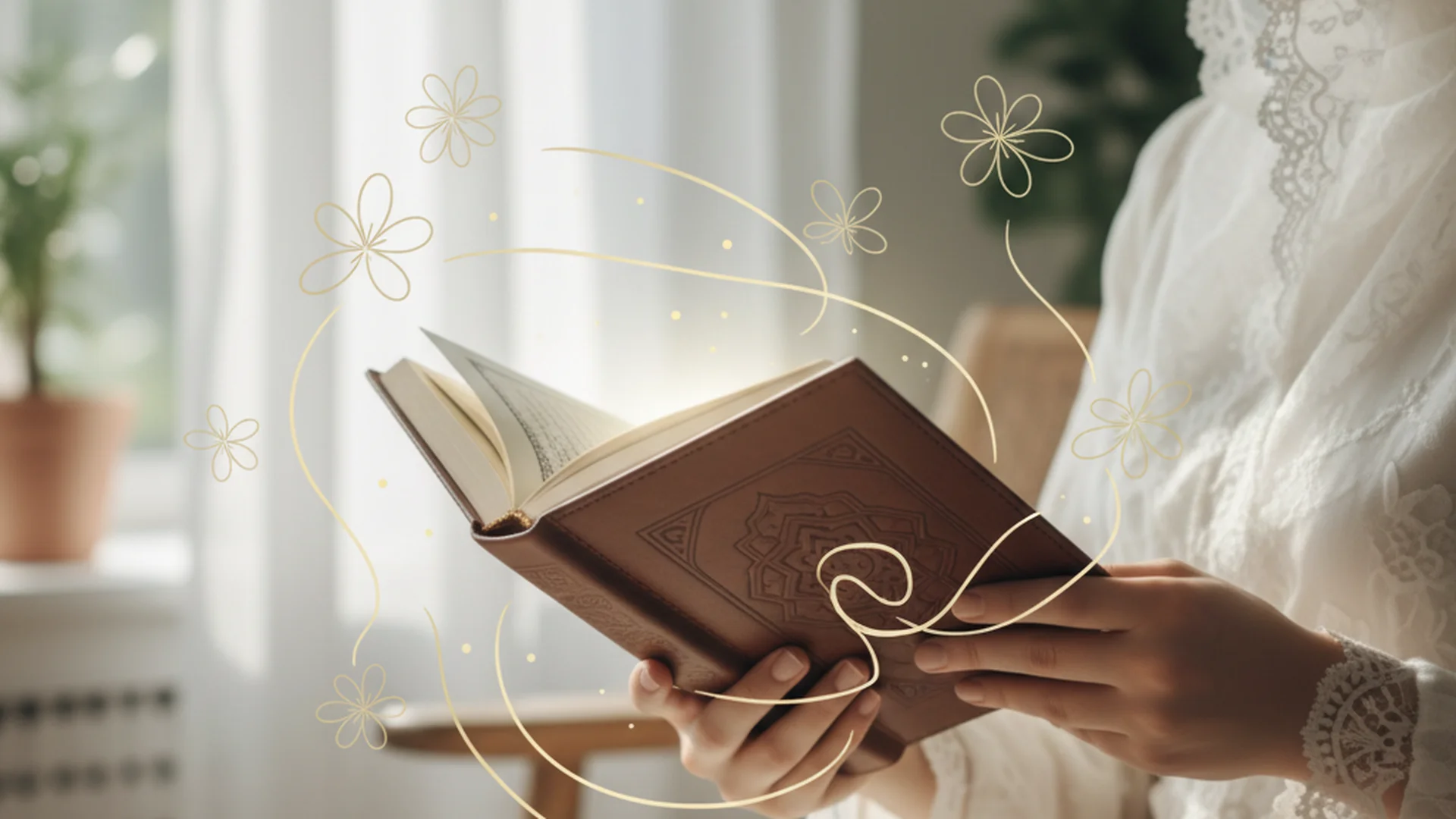
- The Nikah is a legal and spiritual contract focused on 'Ijab' and 'Qubul.'
- The Mahr is a mandatory gift symbolizing the groom's commitment to the bride.
- Modern couples are increasingly blending traditional scripts with personalized vows.
In the Islamic tradition, marriage is often described as "completing half of one's faith." Unlike many Western traditions where the exchange of rings or personal speeches takes center stage, Muslim wedding vows are rooted in a sacred legal and spiritual contract known as the Nikah. This ceremony is a profound covenant, binding two souls together under the sight of Allah (SWT) through mutual consent, respect, and deep-seated responsibility. Whether you are planning a traditional ceremony in a mosque or a modern "Micro-Nikah" in a garden setting, understanding the nuances of these vows is essential for a meaningful celebration.
The Foundation of the Nikah: More Than Just Words
At its core, the Nikah is a contract. While many couples today choose to include emotional, personalized speeches, the "legal" Muslim wedding vows consist of two primary components: the Ijab (the offer) and the Qubul (the acceptance).
The Ijab and Qubul
The Ijab is typically the formal proposal made by the bride’s representative (the Wali) or the bride herself, and the Qubul is the groom’s acceptance. In many traditional settings, the officiant (Imam) facilitates this exchange. This moment is the heartbeat of the ceremony; without the clear, unforced consent of both parties, the marriage is not considered valid under Islamic law.
The Role of the Khutbah
Before the exchange of consent, the Imam usually delivers a Khutbah-tun-Nikah (marriage sermon). This sermon often includes verses from the Quran and stories from the life of the Prophet Muhammad (PBUH) that highlight the importance of kindness, patience, and devotion within a marriage.
Tip
The Three Quranic Pillars of Marriage
When crafting your ceremony or choosing what to say in your vows, many couples look to the three central pillars mentioned in the Quran: Sakina, Mawaddah, and Rahmah.
- Sakina (Tranquility): This refers to the peace and serenity that a spouse should provide. Your vows might reflect a promise to be a sanctuary for your partner.
- Mawaddah (Deep Love): This is the passionate, driving love that brings two people together.
- Rahmah (Mercy): As the years pass, mercy becomes the glue of a relationship. It is the ability to forgive, to show compassion during hardships, and to overlook flaws.
Do this
The Mahr: A Gift of Security and Respect
A unique and mandatory element of Muslim wedding vows is the Mahr. This is a gift from the groom to the bride, agreed upon before the ceremony. Unlike a "bride price," which is a common misconception, the Mahr belongs exclusively to the bride. It is her financial security and a symbol of the groom's commitment to provide for her.
Common Forms of Mahr
- Monetary: A specific sum of money.
- Property: Real estate or gold jewelry.
- Symbolic: In some cases, the Mahr can be a trip for Hajj or a specific act of service, though financial value is more common.
Heads up
Modern Trends for 2025-2026
As we look toward the 2025 and 2026 wedding seasons, Muslim couples are finding innovative ways to honor tradition while reflecting their modern identities.
1. Personalized Vow Ceremonies
While the Nikah contract is formal, a growing trend is the "Vows Ceremony" held during the reception. After the religious requirements are met, couples exchange personal letters or "modern vows" inspired by Surah Ar-Rum (30:21). This allows for the emotional expression common in Western weddings while maintaining the sanctity of the Nikah.
2. The "Green Nikah"
Sustainability is a major focus for 2025. "Green Nikahs" involve digital invitations to reduce waste, locally sourced halal catering, and ceremonies held in natural light to reduce energy consumption. This aligns with the Islamic principle of Khalifa (stewardship of the Earth).
3. Sensory and Meditative Atmospheres
Moving away from the traditional "stage" and heavy gold decor, 2026 trends point toward "sensory aisles." These use Oud incense, soft sculptural florals, and ambient lighting to create a meditative, spiritual atmosphere that focuses the guests' attention on the gravity of the spiritual covenant.
| Trend | Focus | Key Element |
|---|---|---|
| Micro-Nikah | Intimacy | Fewer than 50 guests |
| Eco-Ethical | Stewardship | Seed-paper programs |
| Tech-Integrated | Connectivity | Live-streamed Nikah for overseas family |
From the OurVows workspace
Writing your vows?
Get a heartfelt first draft to shape into your own words — then handle every other detail with OurVows.
Muslim Wedding Vow Examples and Templates
If you are using a Wedding Vow Writer or drafting your own, here are three real-world examples ranging from traditional to modern.
Example 1: The Traditional Script
"I, [Groom's Name], in accordance with the Holy Quran and the Sunnah of the Prophet (PBUH), offer myself to you in marriage. I promise to provide for you, to honor you, and to lead our home with the fear of Allah in my heart. I accept the Mahr of [Amount] as a symbol of my devotion."
Example 2: Quran-Inspired Modern Vow
"I vow to be your 'garment' as described in Surah Baqarah—to protect you, to comfort you, and to hide your flaws. As we embark on this journey, I pray that Allah grants us Sakina in our home and Mawaddah in our hearts. I promise to walk beside you as we strive for His mercy together."
Example 3: The Interfaith-Friendly Exchange
"In the presence of our families and God, I take you to be my spouse. I promise to respect your faith, to cherish your soul, and to build a life founded on the principles of Rahmah (mercy) and justice. I offer you my hand and my heart as we create a new path together."
Note
Common Mistakes to Avoid
Even with the best intentions, planning a Nikah can lead to misunderstandings. Here are the most common pitfalls:
- Forcing the Consent: A Nikah is spiritually and legally void if either party is coerced. The bride must explicitly give her consent.
- Ignoring the Legalities: In many Western countries, a Nikah is a religious ceremony but not a legal one. To ensure your marriage is recognized by the state, you must also obtain a civil marriage license and potentially perform a separate civil ceremony.
- Focusing Only on the Party: It is easy to get caught up in the $30,000 budget (see our $30000 Wedding Budget Breakdown for tips), but Islamic tradition emphasizes that the most blessed (Barakah) marriage is the one with the least financial burden.
- Assuming Vows Must Be Arabic: While the contract's core components are often recited in Arabic, it is vital that the couple and the witnesses understand the "covenant." Speaking in your native language ensures the commitment is meaningful.
Practical Planning Tips for 2025
If you are aiming for a wedding in 2025 or 2026, keep these logistics in mind:
- Auspicious Timing: Fridays remain the most blessed day for a Nikah. Popular months for the upcoming seasons include Shawwal (post-Ramadan) and Rabi' al-Awwal.
- Guest Etiquette: If you have non-Muslim guests, provide a small note in your program regarding dress codes (modest attire) and the custom of removing shoes if the ceremony is held in a prayer hall.
- The Nikah Nama: Treat your marriage contract as a living document. Modern experts suggest including stipulations regarding career goals, residency, or the right to divorce (Tafwid) to ensure both parties are on the same page before the "I do."
Tip
Frequently asked questions
Do Muslim couples actually say vows?
Is the Nikah a legal marriage?
Can a non-Muslim attend a Nikah?
What is the average cost of the Mahr?
How long does the ceremony last?
Conclusion
Muslim wedding vows are a beautiful blend of legal protection and spiritual devotion. Whether you stick strictly to the traditional Ijab and Qubul or incorporate contemporary reflections on Sakina and Rahmah, the goal remains the same: to create a foundation of "mercy and love" as described in the Quran. By focusing on the depth of the contract and the sincerity of the commitment, you ensure that your marriage begins with the greatest possible blessings.
Do this
Ready when you are
Ready to Start?
Use our specialized tool to help draft your personalized sentiments for the big day.
Ready when you are
Plan your wedding without the chaos.
Free forever for couples just getting started. Two minutes to set up. No credit card.
Keep reading

The Modern Guide to Wedding Vows for Her: Trends, Tips, and Examples
Learn how to write meaningful, personalized wedding vows for her with our 2025 guide. Discover trends, timing tips, and common mistakes to avoid.
Writing the Perfect Wedding Vows for Your Soulmate: A 2025 Guide
Discover how to write heartfelt wedding vows for your soulmate. Explore 2025 trends, expert tips, and structures to express your unique bond perfectly.

Mastering the Wedding Vow Structure Template: A 2025 Guide
Struggling with writer's block? Use our expert wedding vow structure template to write personalized, meaningful vows for your 2025 or 2026 ceremony.