Mastering the Pivot: How to Handle Last-Minute Seating Chart Changes
Learn how to manage last-minute seating chart changes with expert strategies, 2025 tech trends, and the 5% buffer rule to keep your wedding stress-free.
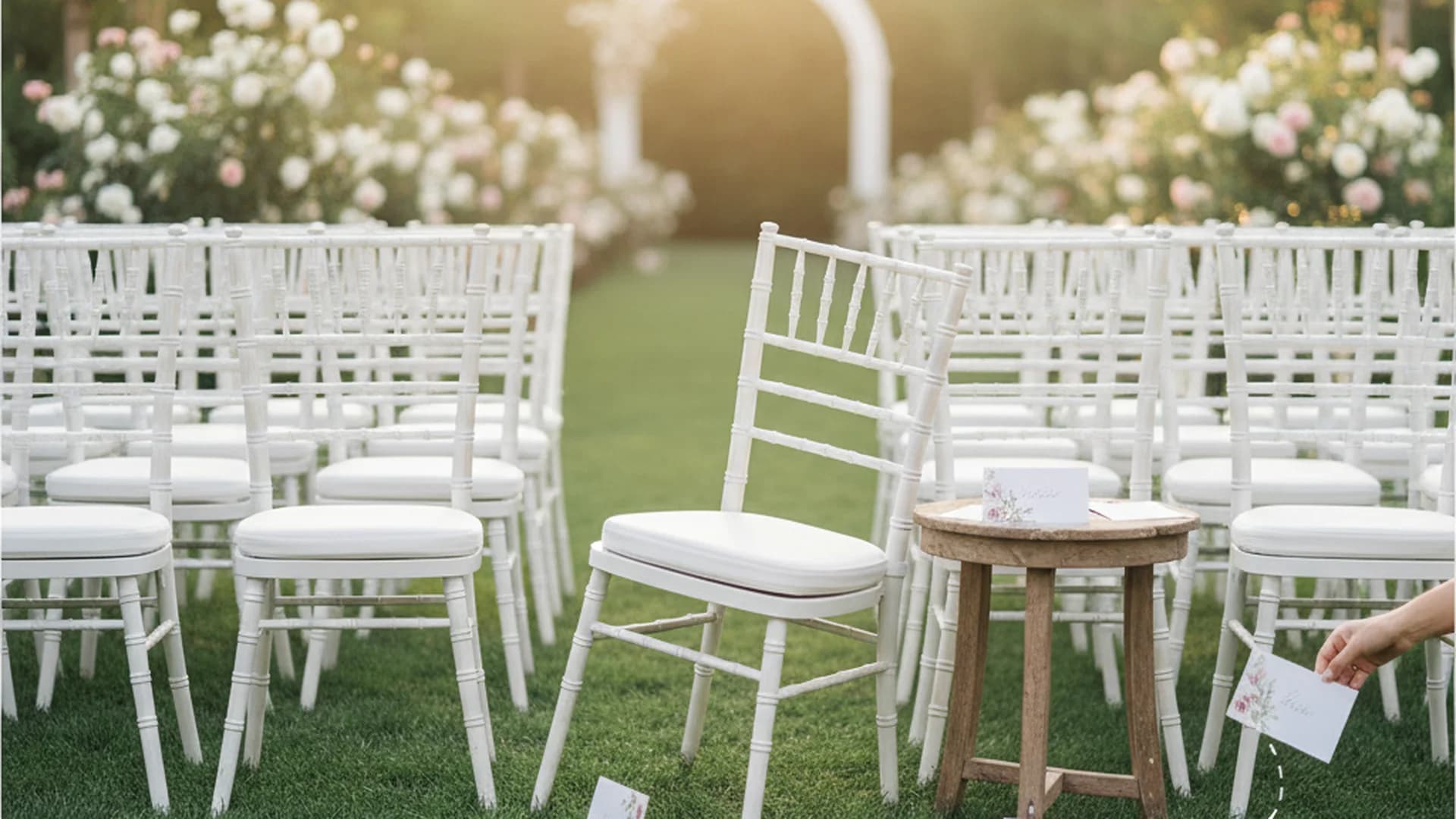
- Expect a 10-20% no-show rate even with confirmed RSVPs.
- Use digital tools and modular charts to allow for updates 24 hours before the event.
- Implement a 'Swing Table' to handle unannounced plus-ones without disruption.
The clock is ticking. You are exactly 48 hours away from saying "I do," and your phone pings. It’s your Great Aunt Martha. She’s caught a cold, and she won’t be able to make the flight. Ten minutes later, your college roommate texts to say their toddler has a fever. Suddenly, the meticulously crafted floor plan you spent six months perfecting looks like a game of Tetris played by someone who has never seen a square. Last minute seating chart changes are the uninvited guests every couple fears, but they don't have to be a disaster.
In the world of wedding planning, flexibility is the ultimate luxury. Whether it’s a sudden illness or a surprise travel delay, the reality is that your guest list is a living, breathing entity until the moment the first course is served. This guide will walk you through the chaos, using industry-standard data and the latest 2025-2026 trends to ensure your reception remains a masterpiece of social engineering.
The Reality of the "No-Show" Factor
If you think your guest list is set in stone once the RSVPs are in, I have a bridge (and perhaps a very expensive floral arch) to sell you. The "No-Show" factor is a consistent reality in modern events.
On average, 10% to 20% of guests who RSVP "yes" do not show up to the actual event. This isn't necessarily a slight against your choice of venue or the dry-rub chicken; it’s a result of travel delays, last-minute illnesses, or family emergencies. In fact, many event organizers cite last-minute guest list changes as their single biggest challenge during the execution phase.
To mitigate this, many pros follow the 20% Rule. When you are in the initial invitation phase, assume a 20% decline rate to set your budget and venue expectations. However, when those declines happen 72 hours before the wedding, the strategy shifts from budgeting to logistics.
Real-World Example: The Flu Season Wedding
Imagine a winter wedding in 2025 where a sudden flu outbreak hits a specific friend group. You lose six guests across three different tables in one afternoon. Instead of leaving "gaping holes" in your floor plan, a prepared couple uses a [Digital Wedding Seating Chart]({path: '/blog/digital-wedding-seating-chart'}) to instantly merge these groups into two full tables, maintaining the room's energy and "vibe."
The Infrastructure of Flexibility: Digital vs. Physical
While the aesthetic of a hand-calligraphed mirror or a massive foam board is undeniable, they are the enemies of last minute seating chart changes. If you print a permanent board a week out, you are essentially daring the universe to send you a cancellation.
Modular Physical Charts
In 2025, the trend is moving toward "modular" physical charts. Instead of one large board, use individual cards pinned to a backdrop or tucked into a frame. This allows you to swap out a single name or remove a table entirely without reprinting a $200 sign.
Digital-First Displays
The most tech-savvy weddings are now using digital displays or QR code seating assignments. Guests scan a code at the entrance, which pulls up their real-time seat assignment on their phone. This allows the planner to change a seat up to the very second the guest arrives at the venue.
Note
The "Swing Table" Strategy and Buffer Seating
One of the most effective ways to handle the chaos of last minute seating chart changes is the implementation of a "Swing Table." Professional planners now recommend a 5% to 10% seating buffer. This isn't just about extra chairs; it’s about "swing space."
A Swing Table is a table that is fully set with linens, silver, and glassware but has no assigned names on the chart. It exists for:
- The unannounced plus-one who "forgot" to RSVP.
- The guest who was accidentally left off the printed list.
- Rapid reshuffling if a major group cancels.
Do this
2025–2026 Trends in Seating Logistics
As we move into 2026, the way we think about the reception floor plan is evolving. It’s no longer just about where people sit, but how they interact.
AI-Driven "Social Engineering"
Corporate events are already using AI algorithms to seat guests based on networking goals and shared interests. This trend is trickling down to high-end weddings. Planners use software to identify "social anchors" and place them at tables where the dynamic might be disrupted by last-minute cancellations.
Runway-Inspired Layouts
Moving away from standard rounds, 2026 designs favor "serpentine" and "runway" seating. These long, winding tables provide more aisle space and make last-minute chair removals far less obvious. If two people cancel on a long rectangular table, you simply move the chairs and adjust the place settings, and the "gap" disappears into the design.
QR Code Seating
Instead of the bottleneck caused by 200 people staring at one alphabetized board, guests scan a QR code upon entry. This provides their table number and a map of the room directly on their smartphone. This is the gold standard for handling changes because the "master list" can be updated by the coordinator in seconds.
| Feature | Traditional Board | Digital/QR Seating |
|---|---|---|
| Cost | $100 - $500 | $0 - $50 |
| Editability | Zero | Infinite |
| Guest Flow | Low (Bottlenecks) | High (Instant) |
| Tech Level | Low | Medium/High |
From the OurVows workspace
Solving the seating puzzle?
Drag-and-drop tables, relationship warnings, and printable charts — built into your guest list.
Tactical Reshuffling: The "Extrovert Anchor"
When a guest cancels last minute, you aren't just losing a body; you’re losing a personality at that table. If the "life of the party" cancels, that table might suddenly feel very quiet.
The Extrovert Anchor strategy involves identifying your most social, outgoing friends and being prepared to move one of them to a table that has been decimated by no-shows.
Real-World Example: The "Quiet" Table
If Table 4 loses three talkative guests due to a flight delay, and you’re left with four introverts who don't know each other, the "vibe" is in danger. You might take your most gregarious cousin from Table 12 and move them to Table 4. To the cousin, it’s a fun "special mission." To the introverts, it’s a social lifesaver.
Tip
Common Mistakes to Avoid
Even the most seasoned planners fall into these traps when the pressure of last minute seating chart changes mounts.
The "B-List" Reshuffle Myth
Mistake: Trying to fill an empty seat at a "Family Table" with a last-minute acquaintance just to make the table look full. Reality: It is better to have an empty chair or remove the place setting entirely than to seat a guest where they have no connection to the group. No one wants to be the "random" person at the intimate family table. For more on this, see our guide on [Family Table Wedding Seating]({path: '/blog/family-table-wedding-seating'}).
Overcrowding for Efficiency
Mistake: Squeezing 11 or 12 people at a 60-inch round table to "save space" or avoid opening a new table. Reality: This creates a poor guest experience. Your guests won't have enough elbow room to cut their steak, and servers will struggle to reach everyone. Check the standard [Guests Per Table Wedding]({path: '/blog/guests-per-table-wedding'}) guide to stay within safe limits.
Ignoring the "Vibe Zones"
Mistake: Seating elderly guests near the DJ or speakers because that was the only "open" spot after a reshuffle. Reality: Always prioritize accessibility and comfort. Keep older guests and those with disabilities away from high-volume speakers and near exits or restrooms.
Heads up
The Final 72-Hour Timeline
To manage your sanity, follow this countdown for handling last minute seating chart changes:
72 Hours Out: The Semi-Freeze
Check your RSVPs one last time. If you haven't heard from someone, assume they are coming but have a "Plan B" for their seat. Communicate the final guest count to the caterer.
48 Hours Out: The Digital Pivot
If you are using a digital system, make your final swaps now. If you are using a modular physical chart, print your last-minute replacement cards. Review the [Head Table Seating Arrangement]({path: '/blog/head-table-seating-arrangement}) to ensure no core wedding party members have had emergency changes.
24 Hours Out: The Venue Sync
Send the final, final floor plan to your wedding coordinator and the venue manager. If you are using QR codes, ensure the link is active and the landing page is updated.
Day Of: The "Swing" Execution
Ensure your "Swing Table" is set and the coordinator knows exactly who to place there if a surprise guest arrives.
Frequently asked questions
Should I still print a physical seating chart?
How do I handle a guest who shows up without an RSVP?
Is open seating easier for last-minute changes?
When is the absolute latest I can change my seating chart?
How do I handle divorced parents in a last-minute reshuffle?
Conclusion
At the end of the day, your guests are there to celebrate your union, not to critique the geometry of your floor plan. While last minute seating chart changes can feel like a high-stakes puzzle, they are simply a part of the hospitality experience. By using digital tools, maintaining a seating buffer, and keeping a sense of humor about the "No-Show" factor, you can ensure that your reception is seamless, social, and perfectly seated.
Do this
Ready when you are
Ready to Design Your Plan?
Create a flexible, digital floor plan that adapts to any last-minute changes.
Ready when you are
Plan your wedding without the chaos.
Free forever for couples just getting started. Two minutes to set up. No credit card.
Keep reading
Navigating the Divorced Parents Seating Chart: A Diplomatic Guide for 2025-2026
Learn how to design a divorced parents seating chart that maintains peace and honors family. Expert tips for ceremony and reception layouts in 2025.

The Ultimate Wedding Seating Chart Timeline: A Month-by-Month Guide
Master your wedding seating chart timeline with our expert guide. From early drafts to last-minute changes, learn how to organize your guests stress-free.
How to Make Wedding Seating Chart: The Ultimate Stress-Free Guide
Learn how to make wedding seating chart for your big day with our comprehensive guide. Master floor plans, social engineering, and 2025-2026 trends.