Hindu Wedding Vows: A Guide to the Saptapadi and Modern Traditions
Explore the spiritual depth of Hindu wedding vows and the Saptapadi ritual. Learn how to modernize these ancient traditions for your 2025 or 2026 ceremony.
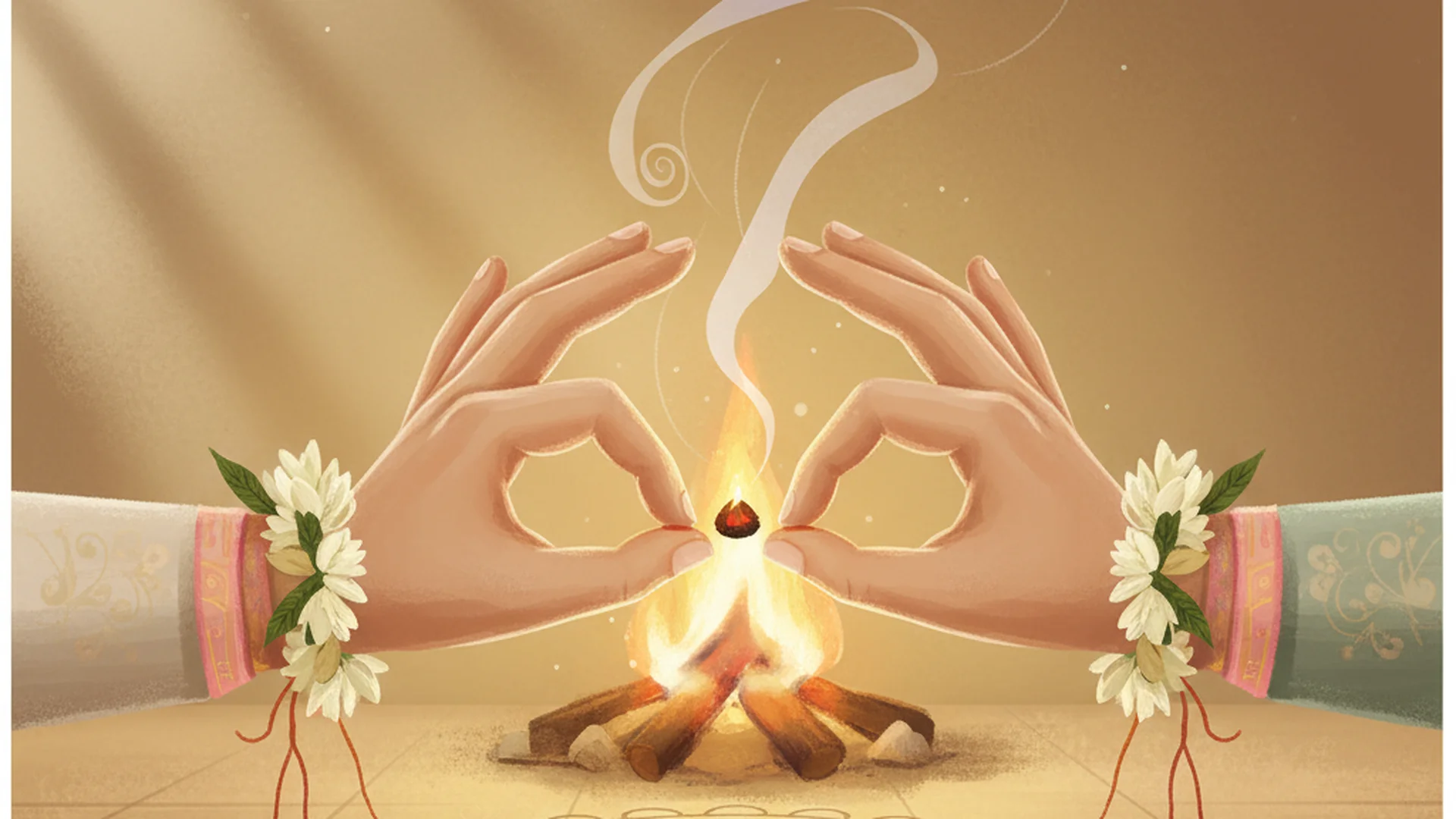
- The Saptapadi (Seven Steps) is the legal and spiritual heart of a Hindu marriage.
- In the UK, a traditional Hindu ceremony usually requires a separate civil registration for legal recognition.
- Modern couples in 2025-2026 are blending Sanskrit mantras with personalized English promises.
The union of two souls in a Hindu ceremony is less of a contract and more of a spiritual transition. At the center of this transition are the Hindu wedding vows, traditionally known as the Saptapadi or "Seven Steps." Unlike Western traditions where vows are often spoken as a set of individual promises, Hindu vows are a series of shared commitments made as the couple walks around the sacred fire (Agni).
In 2025 and 2026, we are seeing a beautiful revitalization of these ancient practices. Couples are no longer just performing the rituals; they are reclaiming the meaning behind them, ensuring that the Sanskrit chants resonate with their modern values of equality, sustainability, and partnership. As a relationship counselor, I find that understanding the depth of these seven promises can provide a powerful foundation for a lifelong journey together.
The Spiritual Heart: Understanding the Saptapadi
The Saptapadi is the most important rite in a Hindu marriage. In fact, under the Hindu Marriage Act 1955, a marriage is not considered legally complete until the seventh step is taken. Each step represents a specific blessing the couple seeks and a responsibility they accept.
The Seven Steps and Their Meanings
- First Step (Nourishment): The couple prays for an abundance of food and the resources to live a noble life. They vow to provide for one another and their future family.
- Second Step (Strength): This step is a prayer for physical, mental, and spiritual strength. It is a commitment to support each other through the trials and tribulations of life.
- Third Step (Prosperity): The couple vows to work together to earn a living and increase their wealth through honest means.
- Fourth Step (Happiness and Knowledge): Here, they promise to strive for mutual happiness, trust, and respect, while also pursuing knowledge and wisdom.
- Fifth Step (Family): This step focuses on the well-being of future generations and the couple's responsibility to raise children with strong moral values.
- Sixth Step (Self-Control and Health): The couple prays for a long, healthy life and the self-discipline to remain faithful and balanced.
- Seventh Step (Friendship and Loyalty): The final step seals the bond. They vow to be lifelong friends, companions, and partners, united in an eternal bond.
Note
Modernizing Hindu Wedding Vows for 2025 and 2026
As we move into 2026, the trend of "Emotional Storytelling" is dominating the wedding industry. While the Sanskrit mantras remain the foundation, many couples are adding personalized elements to make the ceremony more relatable for themselves and their guests.
1. Bilingual Ceremonies
It is becoming increasingly common for priests to provide real-time English translations of the Sanskrit verses. Some couples take it a step further by reciting their own personal promises after each of the seven steps. This ensures that the guests—especially in multicultural or modern wedding settings—fully appreciate the gravity of the commitments being made.
2. Gender-Neutral Language
Traditional interpretations of the vows sometimes leaned toward the groom "providing" and the bride "serving." In 2025, modern couples are working with progressive priests to use language that reflects a partnership of equals. Instead of "I will protect you," the vow becomes "We will protect each other."
3. Tech-Forward Rituals
With the rise of "Wedding Content Creators," the Saptapadi is being captured for social media in real-time. This trend allows distant relatives to witness the vows via vertical video (Reels or TikTok) within minutes of the ceremony concluding.
Tip
Real-World Examples of Vow Personalization
To give you an idea of how to blend tradition with modern flair, consider these three real-world scenarios:
- The Multicultural Blend: Anup (Hindu) and Sarah (Catholic) decided to have a fusion wedding. After the traditional Saptapadi, they exchanged Catholic wedding vows to honor both heritages. They used a bilingual priest who explained the spiritual significance of the fire to the non-Hindu guests.
- The Eco-Conscious Couple: For their 2025 wedding, Priya and Rohan opted for a "Sustainable Saat Phere." They used a smoke-free Havan Kund and biodegradable decor. As their personal eighth vow, they pledged to plant a tree for every anniversary, reinforcing their commitment to the earth.
- The Intimate Micro-Wedding: Aditi and Sameer chose a "Micro-Luxury" approach with only 30 guests. Instead of a loud ceremony, they had hand-calligraphed vow books and spoke their personal promises in soft whispers to each other as they circled the fire, creating a deeply private and emotional atmosphere.
Do this
Planning a Hindu Wedding in the UK: Legalities and Venues
For British-Hindu couples, there are specific logistical challenges to keep in mind regarding their wedding vows and ceremony.
The Legal Reality
In England and Wales, a religious Hindu ceremony is not automatically legally binding. To be legally married in the eyes of the British government, you must either:
- Perform a separate civil ceremony at a registry office.
- Ensure your religious ceremony takes place in a registered building with an authorized person (registrar) present to sign the marriage schedule.
Heads up
Fire Regulations and Indoor Venues
The Agni (Sacred Fire) is essential as the divine witness (Sakshi) to your vows. However, many modern indoor venues have strict fire codes.
| Solution | Description | Best For |
|---|---|---|
| Smoke-Free Ghee | Using high-quality, filtered ghee and specific woods like sandalwood minimizes smoke. | Standard Indoor Venues |
| Havan Kund with Extractor | Some luxury hotels now provide specialized tables with built-in smoke extractors. | High-end Ballrooms |
| Symbolic LED Fire | Using LED candles or "silk flame" lamps. | Venues with Zero-Tolerance Fire Policies |
From the OurVows workspace
Writing your vows?
Get a heartfelt first draft to shape into your own words — then handle every other detail with OurVows.
Sustainability and "Quiet Luxury" Trends
The "Big Fat Indian Wedding" is evolving. While the budget remains significant—often exceeding ₹1 Crore for luxury events—the focus has shifted toward quality over quantity.
- Bespoke Vow Books: Instead of reading from a phone or a loose sheet of paper, couples are investing in hand-calligraphed, leather-bound books to keep their vows as heirlooms.
- Sustainable Mandaps: Expect to see more mandaps (the wedding canopy) made from living plants, bamboo, or recycled materials in 2026.
- Minimalist Rituals: Some couples are shortening the length of the pre-vow rituals to ensure the focus remains on the Saptapadi itself, preventing guest fatigue.
Tip
Common Mistakes to Avoid
- Treating the Fire as an Idol: A common misconception is that Hindus worship the fire. In reality, Agni is the messenger and witness. The focus should be on the promises made in the presence of the fire.
- Tripping on the Gathbandhan: The Gathbandhan (the scarf tying the couple together) can be tricky to navigate during the seven steps, especially with heavy lehengas and sherwanis.
- Not Explaining the Ritual: If you have a diverse guest list, don't assume everyone knows what is happening. A printed program or a brief explanation by the priest makes the ceremony much more inclusive.
- Rushing the Steps: The Saptapadi is the most sacred part of the day. Take your time. Walk slowly, reflect on each vow, and savor the moment.
Heads up
Frequently asked questions
Why are there seven steps in a Hindu wedding?
Do we have to speak Sanskrit during the vows?
Is the sacred fire mandatory for the vows to be valid?
Can we write our own Hindu wedding vows?
Who leads the steps during the Saptapadi?
Conclusion: A Union of Souls
The Hindu wedding vows are more than just words; they are a roadmap for a successful and spiritual life together. Whether you are following the traditional Saptapadi to the letter or blending it with modern wedding vows, the essence remains the same: a commitment to friendship, mutual respect, and shared growth.
By understanding the history, legalities, and modern trends surrounding these rituals, you can create a ceremony that honors your heritage while celebrating your unique future. Remember that the seventh step is not just the end of a ritual, but the first step of your new life as one.
Do this
Ready when you are
Planning Your Vows?
Use our expert tools to craft the perfect ceremony.
Ready when you are
Plan your wedding without the chaos.
Free forever for couples just getting started. Two minutes to set up. No credit card.
Keep reading

The Modern Guide to Wedding Vows for Her: Trends, Tips, and Examples
Learn how to write meaningful, personalized wedding vows for her with our 2025 guide. Discover trends, timing tips, and common mistakes to avoid.
Writing the Perfect Wedding Vows for Your Soulmate: A 2025 Guide
Discover how to write heartfelt wedding vows for your soulmate. Explore 2025 trends, expert tips, and structures to express your unique bond perfectly.

Mastering the Wedding Vow Structure Template: A 2025 Guide
Struggling with writer's block? Use our expert wedding vow structure template to write personalized, meaningful vows for your 2025 or 2026 ceremony.