The Art of Writing Heartfelt Wedding Vows: A Modern Guide
Discover how to write heartfelt wedding vows that resonate. Learn the "Us, You, Me" structure, 2025 trends like Meadowcore, and expert tips for a meaningful ceremony.
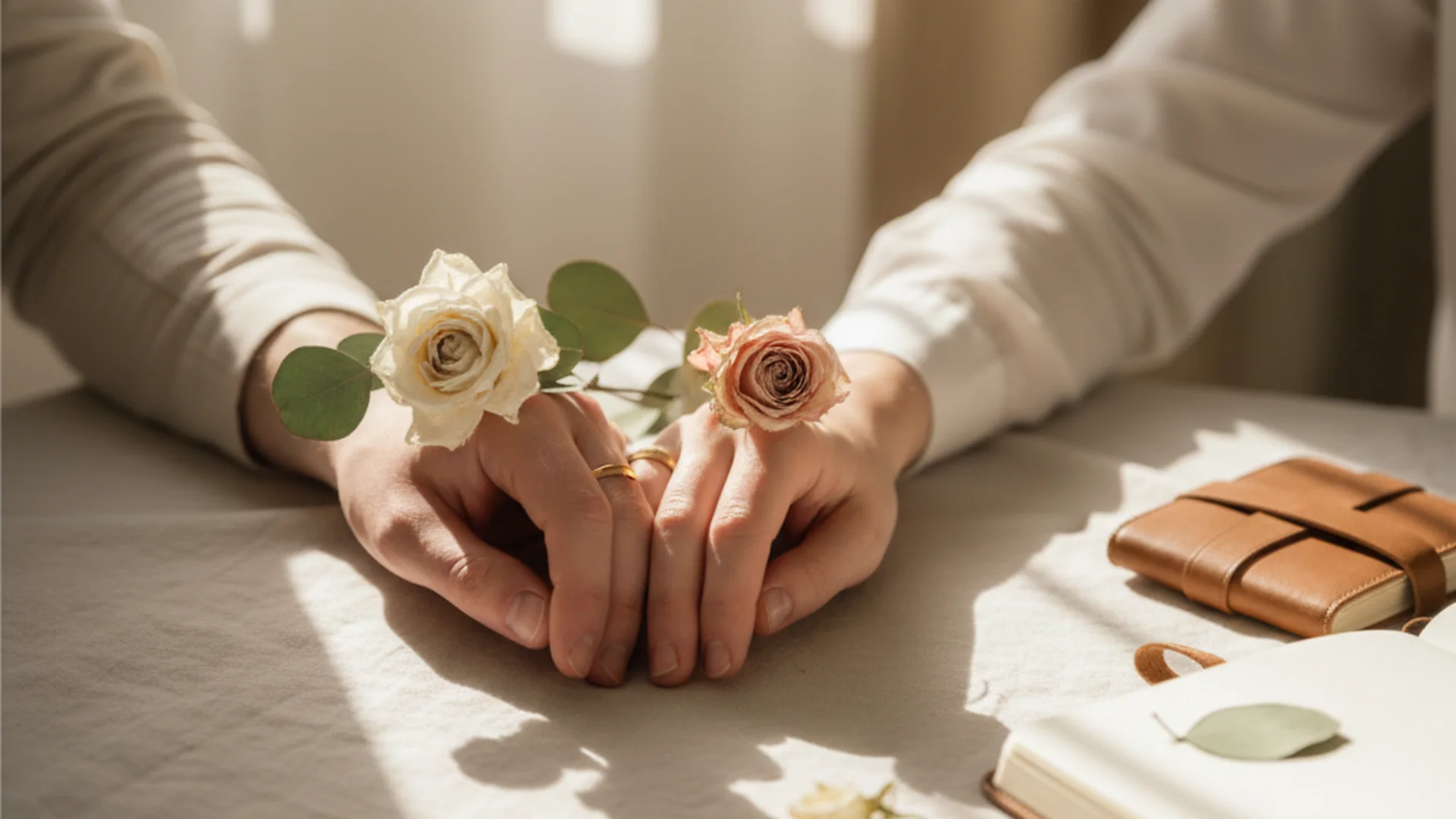
- Use the "Us, You, Me" structure to organize your thoughts and narrative.
- Practice your vows aloud at least three times to noticeably increase your confidence.
- Balance sincerity and humor with an 80/20 ratio to keep the ceremony grounded.
The moment the music fades, the guests lean in, and the world seems to go quiet—this is the exchange of vows. For many, crafting heartfelt wedding vows is the most daunting task on the wedding to-do list. How do you summarize a lifetime of love, a series of inside jokes, and a future of promises into a two-minute speech? As a professional vow ghostwriter, I have seen firsthand that the most impactful vows aren’t the ones with the biggest words, but the ones with the most honest intentions.
In today's wedding landscape, your vows are more than just a legal requirement; they are the emotional heartbeat of your celebration. Whether you are leaning into traditional sentiments or exploring modern storytelling, the goal remains the same: to speak your truth in a way that your partner—and your community—will never forget.
The Evolution of the Wedding Vow
The way we say "I do" is undergoing a significant transformation. We are moving away from the "standard" script. In 2025, a growing majority of couples are choosing to write custom vows, a massive shift from previous decades where liturgical or civil templates were the default.
This shift is driven by a desire for authenticity. With more ceremonies now being entirely secular, couples are looking for language that reflects their specific relationship rather than ancient traditions. This has led to a rise in "heartfelt" language—words that focus on the "why" of the relationship rather than just the "what."
Note
The "Us, You, Me" Structure: Your Writing Blueprint
If you are staring at a blank page, the easiest way to start is by using the "Us, You, Me" framework. This structure is recommended by celebrants worldwide because it ensures a balanced narrative that covers the past, present, and future.
Part 1: Us (The Shared Journey)
Start with a reflection on your relationship as a whole. This isn't just a history lesson; it's about the "feeling" of your partnership. Think about the small moments—Sunday morning coffees, the way you navigated your first big move, or the quiet Tuesday nights that felt like adventures.
Part 2: You (The Admiration)
Transition into what makes your partner unique. What is it about their character that made you realize you wanted to spend forever with them? Focus on virtues like their unwavering kindness, their resilience, or even their ability to make you laugh when things go wrong.
Part 3: Me (The Promises)
This is the "vow" part of the wedding vows. This is where you make your commitments. Move beyond "in sickness and in health" and get specific about how you will show up for your partner every day.
Tip
Real-World Examples of Heartfelt Vows
To help you visualize these concepts, here are three examples of how different styles of vows can still feel deeply heartfelt.
Example 1: The Storyteller (Meadowcore Style)
"Six years ago, we were just two people sharing a cramped apartment and a dream of a garden. I love the life we’ve built—the organic, messy, beautiful reality of it. I admire how you see the world with so much wonder, even on the days when it's hard to find. Today, I promise to be your steady ground. I vow to listen to your stories as if it’s the first time I’m hearing them, and to always leave space for us to grow, wild and free."
Example 2: The Modern Romantic
"I knew I loved you the moment you stayed up all night helping me finish that project, never once complaining about the lost sleep. You are my greatest advocate and my favorite person. I promise to support your wildest ambitions and to always be the person who reminds you of your strength when you forget it. I vow to love you in the quiet moments just as much as I do in the loud ones."
Example 3: The Balanced & Relatable
"I love that we can communicate entirely through looks across a crowded room. I admire your patience, especially when I'm at my most stubborn. While I can't promise to never leave my shoes in the hallway, I do promise to always be the one to kill the spiders. More importantly, I vow to be your partner in every sense—to hold your hand through the storms and to dance with you in the sun."
Do this
Emerging Vow Trends for 2025–2026
As we look toward the 2025 and 2026 wedding seasons, several new trends are emerging that prioritize emotional intimacy over traditional performance.
1. "Meadowcore" Narratives
Aligning with the organic and raw aesthetic of "Meadowcore," vows are becoming less polished and more "lived-in." This means moving away from perfect, rhyming poetry and toward unedited storytelling. It’s okay if your sentences aren’t perfect; what matters is the raw, authentic emotion behind them.
2. Private Vow Exchanges
For those who suffer from stage fright, the "Private Vow Exchange" is a growing trend. Couples share their deeply personal, long-form vows during a "First Look" or a quiet moment alone before the ceremony. During the public portion, they use traditional "I do" prompts or Short and Sweet Wedding Vows.
3. Immersive Soundscapes
Some tech-forward couples are now using spatial audio during their ceremony. By playing a very low-decibel instrumental version of "their song" or ambient nature sounds while they speak, they create an immersive emotional atmosphere that helps guests feel the weight of the words.
4. Hyper-Personalized Promises
The generic "to love and to cherish" is being replaced by specific acts of service. Couples are vowing to "always make the first pot of coffee" or "to never spoil the ending of a show we’re watching together." These small, "real-life" promises often carry more weight than abstract concepts.
| Trend | Best For | Impact Level |
|---|---|---|
| Private Vows | Introverted Couples | High Intimacy |
| Meadowcore Prose | Romantic/Nature Weddings | High Authenticity |
| Specific Promises | Modern/Relatable Couples | High Resonance |
| Soundscapes | Tech-Forward/Atmospheric | High Immersion |
From the OurVows workspace
Writing your vows?
Get a heartfelt first draft to shape into your own words — then handle every other detail with OurVows.
Practical Tips for Delivery
Writing the words is only half the battle; saying them is the other. As a public speaking coach, I always emphasize the "Three-Week Rule."
Heads up
- Finalize Early: Aim to have your draft done three weeks out. This gives you time to let the words marinate.
- Practice Out Loud: Read your vows aloud at least three times. This helps you catch "clunky" phrasing that looks fine on the page but is hard to say. In our experience, this practice noticeably increases your delivery confidence.
- The Vow Book: Use a physical card or a dedicated vow book. Reading from a phone is highly discouraged—it creates screen glare in professional photos and runs the risk of technical glitches or notifications popping up mid-ceremony.
- Sync with Your Partner: While you should keep the content a secret, check in on length and tone. If one person writes a ten-minute epic and the other writes two sentences, it can create an awkward imbalance.
Tip
Common Mistakes to Avoid
Even the most well-intentioned vows can hit a snag. Watch out for these common pitfalls:
1. The "Inside Joke" Trap
Inside jokes are great for a reception toast, but in a ceremony, they can alienate your guests. If 90% of the audience doesn't understand the reference, the emotional impact is lost. Keep the inside jokes to a minimum (no more than one or two).
2. Winging It
There is a romantic misconception that "speaking from the heart" on the spot is more authentic. In reality, the pressure of the moment usually leads to rambling, repeating yourself, or forgetting your most important promises. Always have your words written down.
3. The Shakespeare Complex
You don't need to be a poet to write heartfelt wedding vows. In fact, trying to use overly flowery language often makes the vows feel forced. Sincerity beats vocabulary every single time. Simple, honest words are what will make your partner (and your guests) cry.
4. Over-Sharing
While being "raw" is a trend, remember that you are in a public setting. Keep highly intimate or "TMI" details for a private letter you give your partner on the morning of the wedding.
Frequently asked questions
How long should my vows be?
Should we share our vows with each other before the wedding?
What if I’m not a good writer? Can I use quotes?
Is it okay to use humor in my vows?
Where is the best place to start?
Conclusion
Writing heartfelt wedding vows is an act of bravery. It requires you to be vulnerable, to look your partner in the eye, and to promise them your future. By following a clear structure, staying true to your unique voice, and practicing your delivery, you can turn this daunting task into the most beautiful part of your wedding day.
Remember, your guests aren't looking for a theatrical performance; they are looking for a glimpse into the love you share. If you speak from a place of honesty and kindness, you can't go wrong.
Ready when you are
Ready to Start?
Use our interactive tool to draft your perfect vows today.
If you're still looking for inspiration, explore our collections of Modern Wedding Vows or Romantic Wedding Vows to find the perfect tone for your big day.
Ready when you are
Plan your wedding without the chaos.
Free forever for couples just getting started. Two minutes to set up. No credit card.
Keep reading
Beyond the "I Do": A Guide to Writing Unique Wedding Vows That Resonate
Discover how to craft unique wedding vows for 2025 and 2026. Learn about modern trends, expert writing tips, and statistics to make your ceremony truly personal.

The Modern Guide to Wedding Vows for Her: Trends, Tips, and Examples
Learn how to write meaningful, personalized wedding vows for her with our 2025 guide. Discover trends, timing tips, and common mistakes to avoid.
Writing the Perfect Wedding Vows for Your Soulmate: A 2025 Guide
Discover how to write heartfelt wedding vows for your soulmate. Explore 2025 trends, expert tips, and structures to express your unique bond perfectly.