The Ultimate Guide to the Fit and Flare Wedding Dress: 2025 Trends and Styling Tips
Discover why the fit and flare wedding dress is the perfect balance of style and comfort. Learn about 2025 trends, body type tips, and expert styling advice.
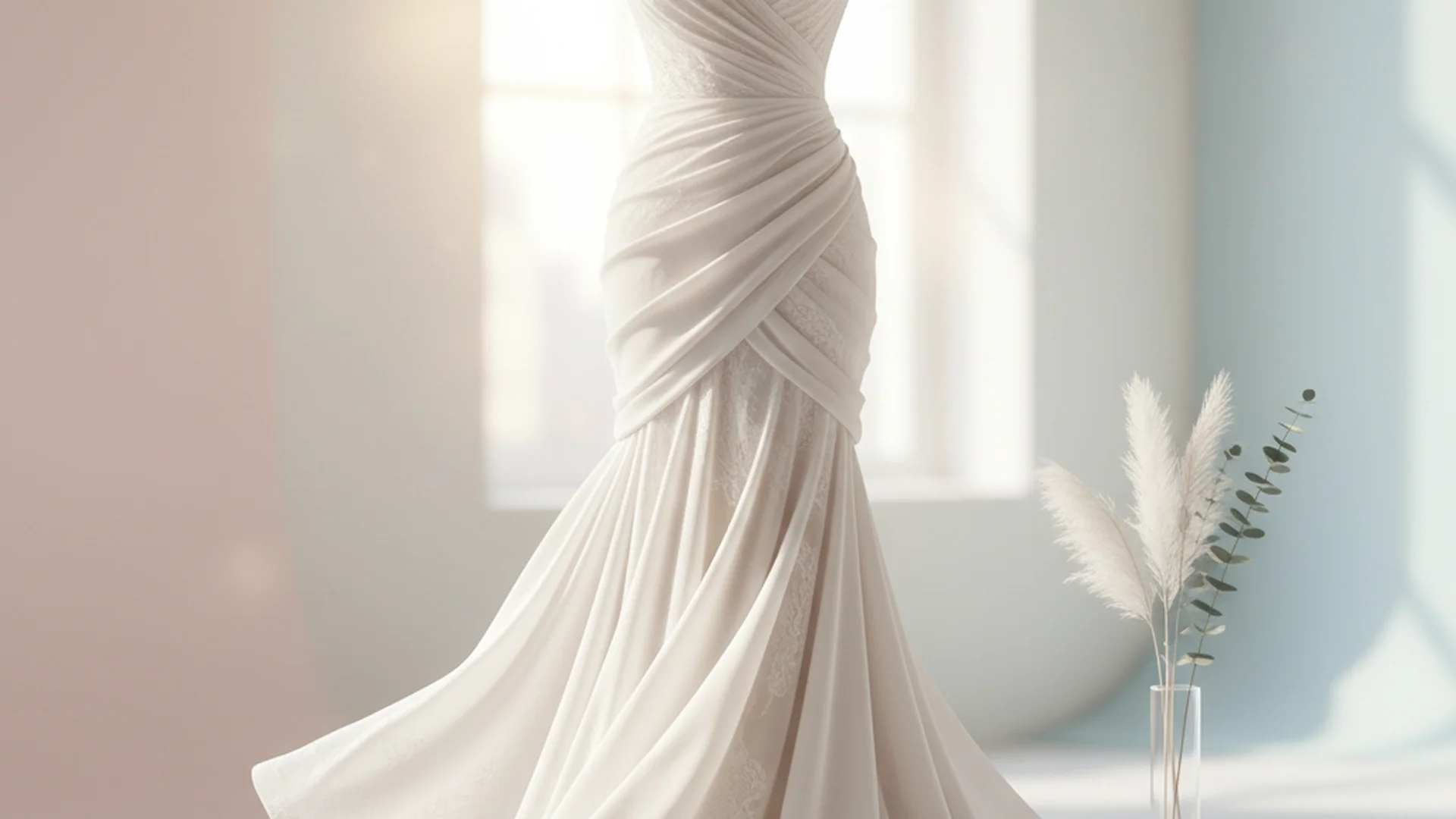
- The fit and flare silhouette offers more mobility than mermaid or trumpet styles.
- 2025/2026 trends highlight the Basque waist and 3D floral appliqués.
- This style is universally flattering for athletic, petite, and curvy body types.
Choosing your bridal gown is one of the most emotional and significant decisions of the wedding planning process. For many brides, the search ends when they discover the fit and flare wedding dress. Often called the "Goldilocks" of bridal silhouettes, the fit and flare offers the perfect middle ground: it provides the body-hugging allure of a fitted gown without the restrictive movement of a traditional mermaid style. As a relationship counselor, I often see how the right dress choice can boost a bride’s confidence, allowing her to focus on the joy of the union rather than the discomfort of her attire.
Understanding the Fit and Flare Silhouette
The fit and flare gown is defined by a bodice that remains fitted through the chest, waist, and hips, before gradually beginning to flare out around the mid-thigh. This silhouette is frequently confused with its "fitted" siblings—the trumpet and the mermaid—but the differences are crucial for both aesthetics and comfort.
While the [Complete Guide to Wedding Attire]({path: '/blog/complete-guide-wedding-attire'}) covers various styles, the fit and flare remains a top choice for brides who want to highlight their curves while maintaining the ability to walk and dance with ease.
The "Flare Point" Comparison
To choose the right gown, you must understand where the volume begins. This "flare point" determines your range of motion and the overall drama of the skirt.
| Silhouette Type | Flare Starting Point | Mobility Level | Visual Effect |
|---|---|---|---|
| Fit and Flare | Hip to Mid-Thigh | High | Elegant & Balanced |
| Trumpet | Mid-Thigh | Medium | Flirty & Conical |
| Mermaid | At or Below Knee | Low | Dramatic & High-Fashion |
Note
Why the Fit and Flare is Universally Flattering
One of the most remarkable things about this silhouette is its versatility. It is widely considered "universally flattering" because it creates or enhances an hourglass shape regardless of the bride's natural frame.
For Athletic and Rectangular Shapes
If you have a more linear or athletic build, a fit and flare gown can create the illusion of curves. By cinching at the waist and flaring at the hips, it adds dimension where there might be a straighter natural line.
For Petite Brides
Unlike a massive [Ball Gown Wedding Dress Guide]({path: '/blog/ball-gown-wedding-dress-guide'}) which can sometimes "swallow" a smaller frame, the fit and flare elongates the body. The continuous line of fabric from the shoulder to the mid-thigh creates a lengthening effect that makes petite brides appear taller.
For Pear and Hourglass Shapes
For those with natural curves, this dress acts as a spotlight. It celebrates the hips and waist while providing the necessary structure to balance the lower half of the body. Many modern designers now offer these gowns up to size 36, ensuring that every bride can find her perfect fit.
Do this
Top Trends for 2025 and 2026
If you are shopping for a wedding in the coming year, you will notice several distinct shifts in fit and flare design. Designers are moving away from the "standard" lace patterns toward more architectural and textural elements.
The Return of the Basque Waist
A massive trend for 2025/2026 is the Basque waist. This features a V-shaped or U-shaped waistline that dips below the natural waist. It draws inspiration from 18th-century regal fashion, providing a vintage look that is both structural and incredibly slimming.
3D Florals and Textures
Instead of flat, traditional lace, 2025 is all about "raised" textures. Expect to see:
- Oversized Rosettes: Large fabric flowers positioned at the hip or shoulder.
- 3D Leaf Appliqués: Petals and leaves that seem to "grow" off the gown, adding depth and movement.
- Textured Crepe: A shift toward fabrics that have a tactile, sensory quality.
Convertible Elements
The "two-in-one" look is staying strong. Many fit and flare gowns now come with detachable overskirts. This allows a bride to have a dramatic, voluminous look for the ceremony (similar to an [A-Line Wedding Dress Guide]({path: '/blog/a-line-wedding-dress-guide'})) and then remove the skirt to reveal a sleek, party-ready fit and flare for the reception.
Tip
Fabric Selection Based on Your Venue
The fabric you choose for your fit and flare wedding dress will dictate not only how you look but how you feel throughout the day.
Outdoor and Beach Weddings
For a [Beach Wedding Dress Ideas]({path: '/blog/beach-wedding-dress-ideas'}) look, opt for Crepe or Chiffon. These fabrics are lightweight, breathable, and catch the wind beautifully. Crepe, in particular, has enough "stretch" to make sitting and walking in the sand much easier.
Traditional and Indoor Ceremonies
If you are having a formal church or ballroom wedding, consider Satin or Mikado. These fabrics are heavier and provide a stiffer structure, which helps hold the dramatic "flare" shape of the skirt. Mikado has a slight sheen that looks stunning under professional ballroom lighting.
| Fabric Type | Best Venue | Breathability | Structure |
|---|---|---|---|
| Crepe | Beach/Garden | High | Soft/Draped |
| Mikado | Cathedral/Hotel | Low | High/Crisp |
| Lace | All Venues | Medium | Variable |
| Satin | Formal Indoor | Low | High/Smooth |
Heads up
From the OurVows workspace
Planning a wedding is a lot. We make it feel like less.
Checklist, budget, guest list, and a wedding website — together in one free workspace built for both of you.
Essential Styling and Undergarment Tips
Because the fit and flare is so closely fitted through the midsection, your choice of accessories and undergarments is paramount.
The Right Undergarments
To achieve a smooth silhouette, high-quality shapewear is essential. Experts recommend:
- Seamless, Raw-Edge Pieces: These prevent visible panty lines (VPL) which can easily show through crepe or silk fabrics.
- High-Waisted Shorts: These provide smoothing from the ribs to the mid-thigh, matching the exact "fitted" area of the dress.
Choosing Your Veil
- Cathedral Length: A long, dramatic veil complements the train of a fit and flare gown perfectly, creating a regal entrance.
- Fingertip Length: This is the "gold standard" for fit and flare. It ends right where the dress begins to flare, highlighting your curves rather than hiding them.
Tip
Common Mistakes to Avoid
Even the most beautiful fit and flare wedding dress can fall short if these common pitfalls aren't avoided.
1. The "Size Down" Trap
Many brides fall into the trap of ordering a size smaller in anticipation of "wedding weight loss." Fit and flare gowns are constructed with very precise seams through the hips. It is much easier (and cheaper) to take a gown in than it is to "let it out," which may not even be possible depending on the seam allowance.
2. Ignoring the Bustle
Because these dresses often feature stunning, long trains, the bustle is vital. A bustle lifts the train off the ground so you can dance. If you forget to discuss the bustle style with your tailor, you risk tripping over your skirt or having the train ruined by guests stepping on it during the reception.
3. Misidentifying the Style
Don't just look at photos; try them on. Many brides ask for a "Mermaid" but realize during the fitting that they actually want a "Fit and Flare." A true mermaid can be very restrictive for a 12-hour day. Ensure you sit, walk, and "fake dance" in the boutique before committing.
4. Underestimating Alteration Costs
Standard alterations for a fit and flare (hemming and bustling) usually range from $300 to $800. However, if your gown features intricate lace or heavy beading that must be hand-removed and reapplied during the hem process, costs can easily exceed $1,000.
Note
Frequently asked questions
Is it comfortable to dance in a fit and flare dress?
Can I wear a fit and flare dress if I am plus-sized?
What is the difference between a Fit and Flare and a Trumpet dress?
How much should I budget for a fit and flare gown?
Does this style work for a beach wedding?
Conclusion
The fit and flare wedding dress remains a timeless favorite because it understands the modern bride's need for both glamour and practicality. Whether you are drawn to the vintage charm of a Basque waist or the modern elegance of 3D florals, this silhouette offers a flattering, flexible foundation for your wedding day look. By choosing the right fabric for your venue and avoiding common sizing mistakes, you can ensure that you feel as beautiful as you look from the first walk down the aisle to the final dance of the evening.
Choosing a dress is a major step in your journey toward a new life together. Remember that while the dress is a beautiful part of the celebration, the comfort and confidence it provides will allow you to focus on what truly matters: the person waiting for you at the end of the aisle.
Do this
Ready when you are
Ready to Start?
Begin planning your perfect wedding look today.
Ready when you are
Plan your wedding without the chaos.
Free forever for couples just getting started. Two minutes to set up. No credit card.
Keep reading
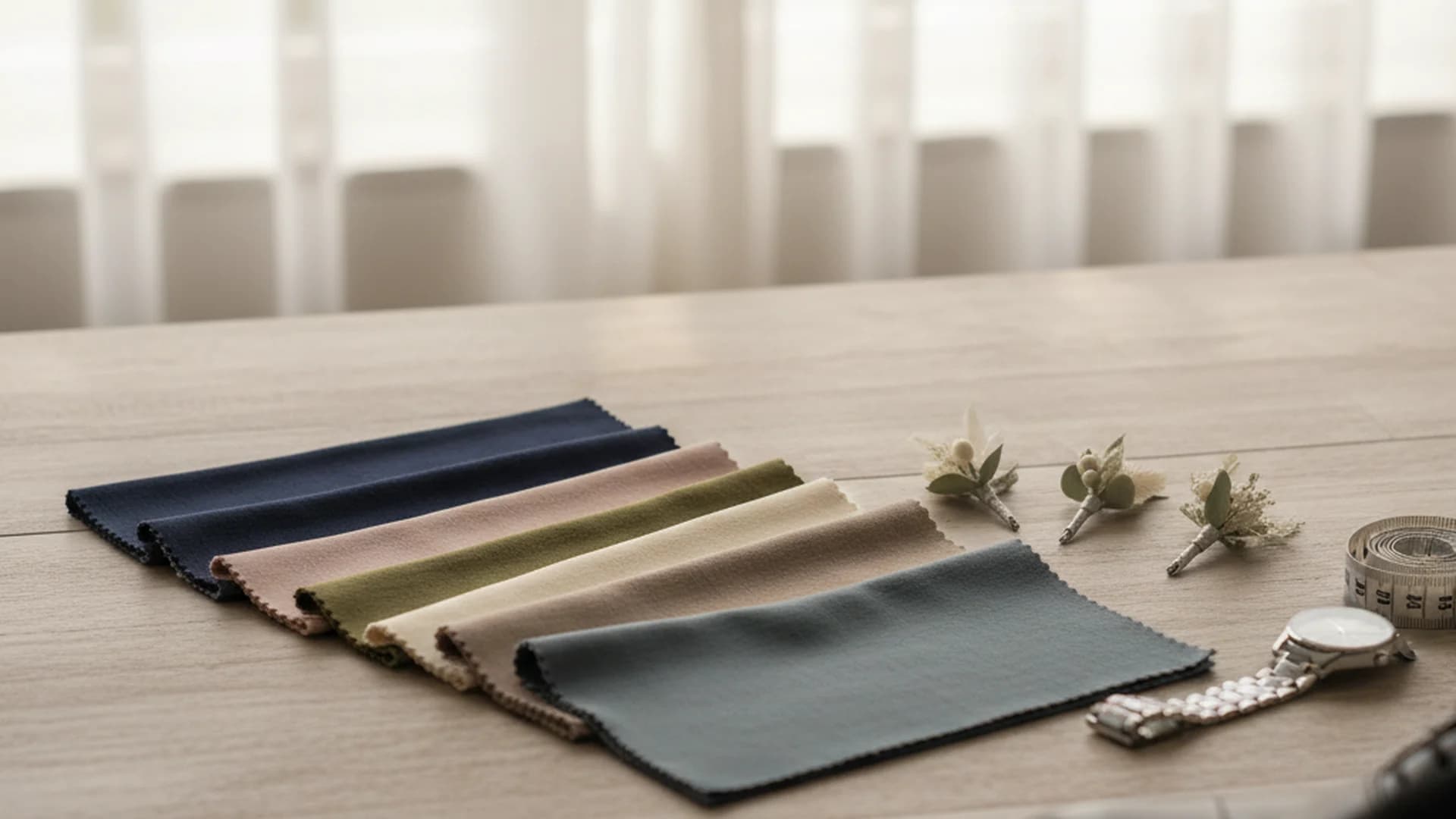
The Best Groom Suit Colors for 2025 & 2026: A Complete Guide
Explore the best groom suit colors for 2025-2026. From classic navy to trendy earth tones, find the perfect look for your wedding style and venue.
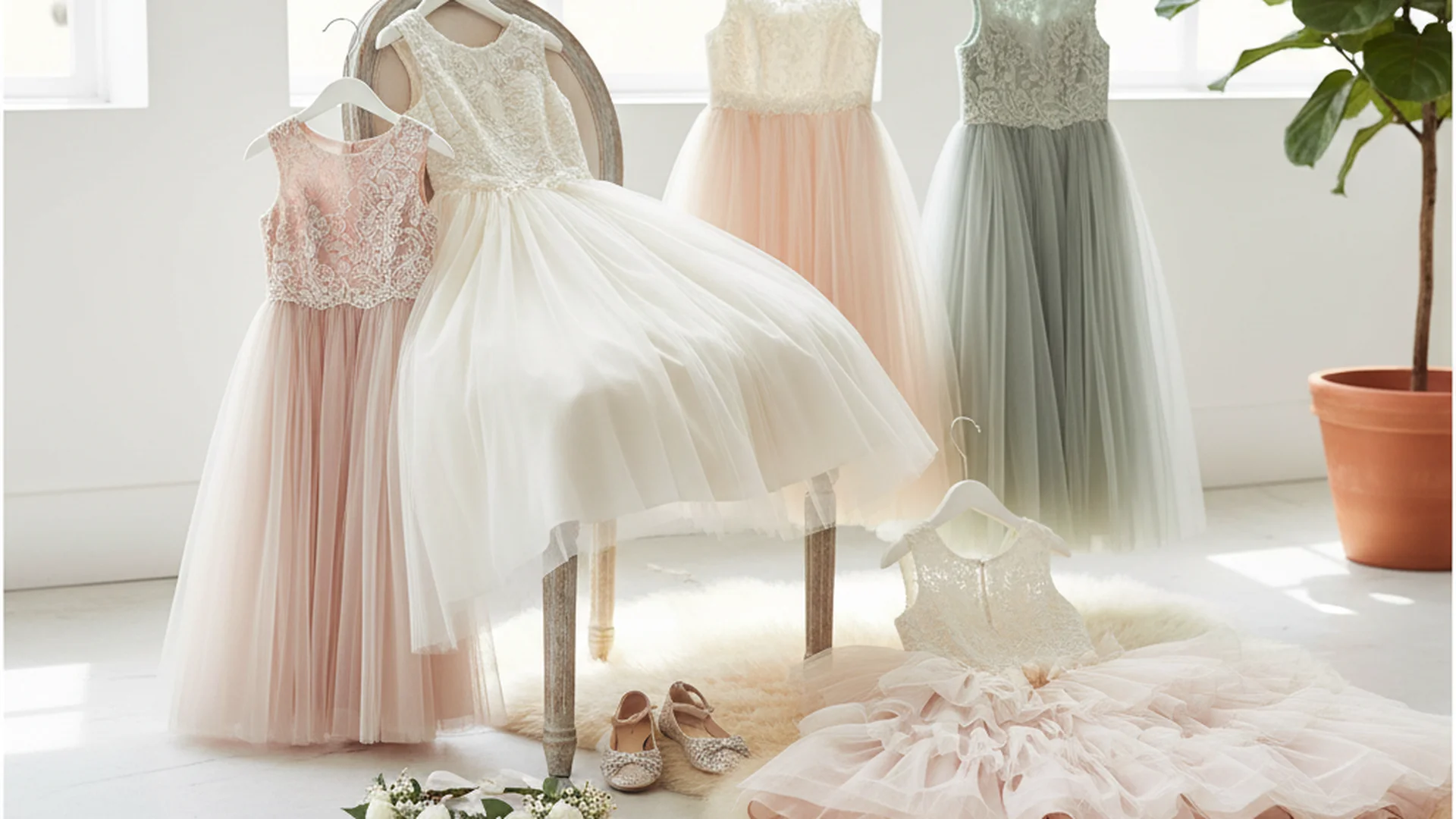
Flower Girl Dress Ideas: The Ultimate Guide for 2025 and 2026
Discover the top flower girl dress ideas for 2025–2026. From vintage revivals to 3D florals, find the perfect, comfortable look for your littlest bridal party members.
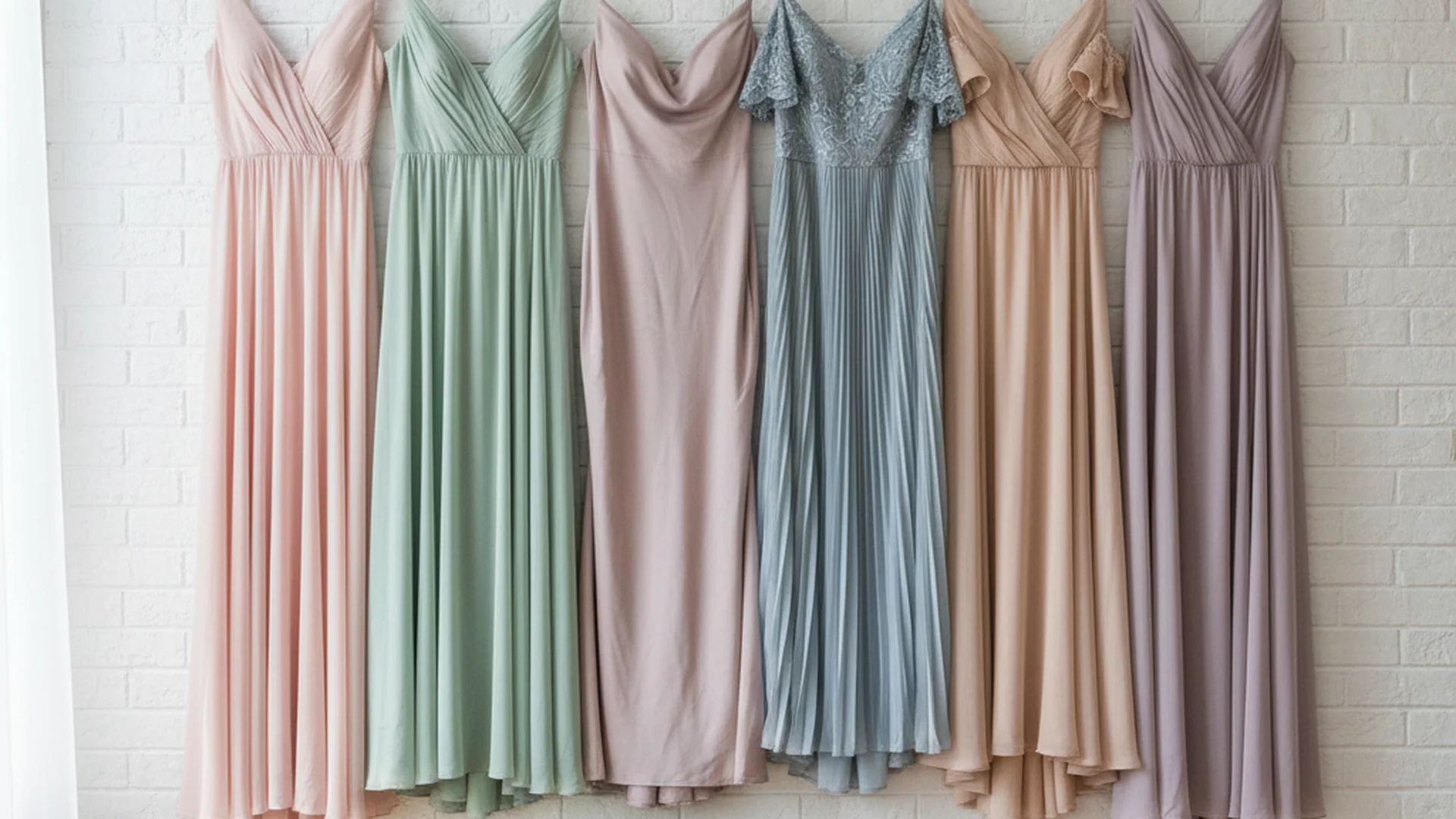
The Ultimate Bridesmaid Dress Guide: Trends and Tips for 2025–2026
Navigate the world of bridesmaid fashion with our 2025–2026 Bridesmaid Dress Guide. Learn about top trends, sizing secrets, and etiquette to keep your party happy.