Eternity Bands: The Complete Guide to Infinity Rings for 2025 & 2026
Explore everything you need to know about eternity bands, from history and 2026 trends to sizing advice and styling tips for your bridal stack.
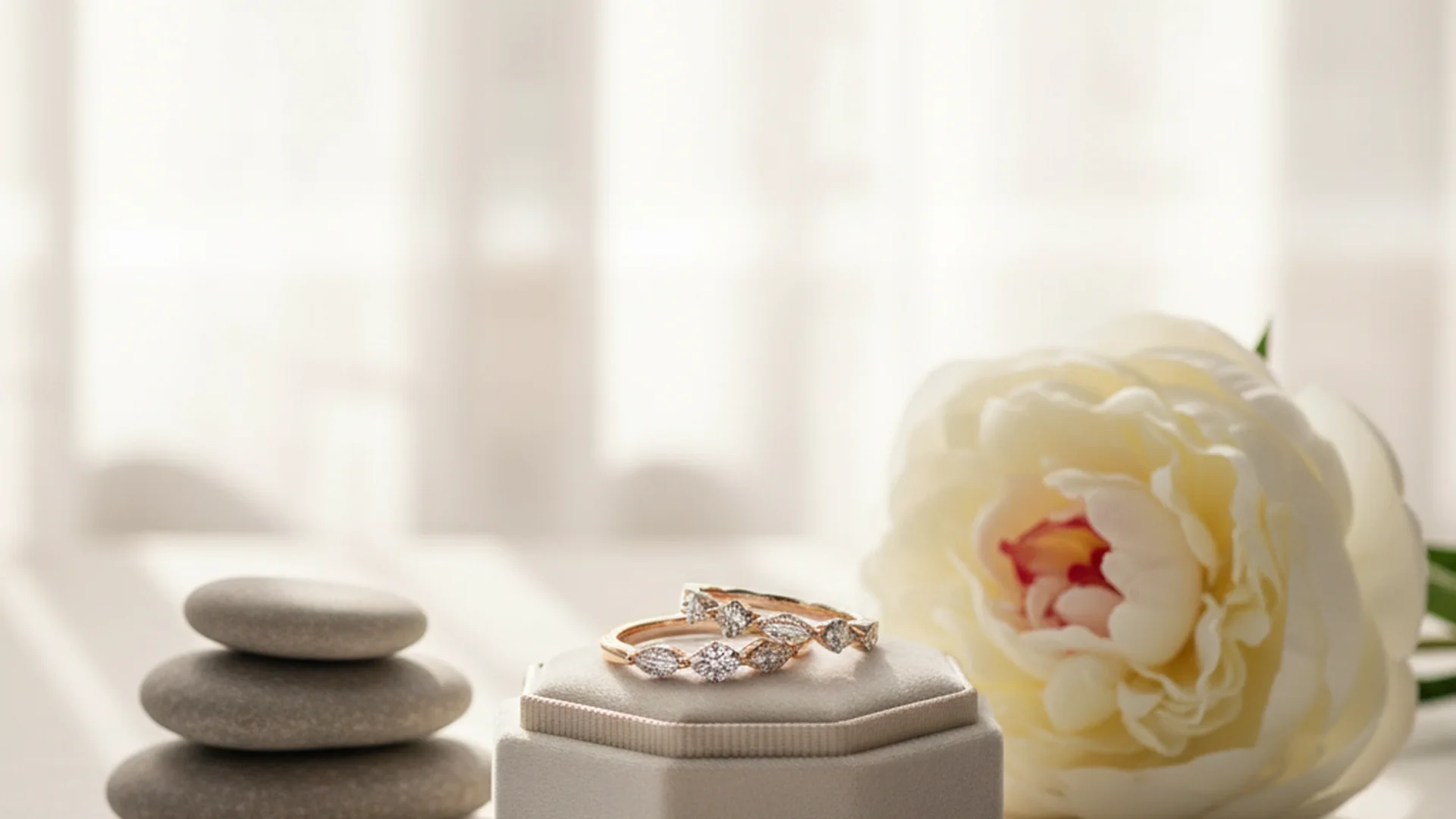
- Eternity bands symbolize "never-ending" love through a continuous line of gemstones.
- Full eternity bands cannot usually be resized, making half-eternity bands a practical alternative.
- Trends for 2025/2026 favor architectural bezel settings and lab-grown diamonds.
Eternity bands are more than just jewelry; they are a timeless symbol of devotion, representing a love that has no beginning and no end. Often referred to as infinity rings, these pieces feature a continuous line of identically cut gemstones—traditionally diamonds—that encircle the entire band. Whether you are considering one as a wedding band, a milestone anniversary gift, or a "push gift" to celebrate a new addition to the family, understanding the nuances of eternity bands is essential. As we look toward the 2025 and 2026 jewelry landscape, these rings are evolving to blend historical sentiment with modern, sustainable luxury.
The History and Symbolism of the Eternity Band
The concept of a circular ring representing eternal love is not a modern invention. The origins of the eternity band can be traced back to Ancient Egypt, approximately 2000 BC. In these ancient times, the rings were not always encrusted with diamonds. Instead, they were often crafted from braided reeds or plain metals. The Egyptians viewed the circle as a symbol of eternity, and the "never-ending" loop of the ring was intended to represent the permanent nature of marriage and life.
The modern iteration of the diamond-encrusted eternity band that we recognize today has a more commercial, yet equally fascinating, origin story. In the 1960s, the diamond giant De Beers popularized the style as a solution for using smaller diamonds. They marketed these rings as the ultimate anniversary gift, moving away from the traditional "solitaire" focus and emphasizing the "unbroken" circle of stones. This marketing masterstroke transformed the eternity band into a staple of the jewelry industry, shifting it from a niche luxury item to a primary choice for couples celebrating decades of commitment.
Understanding the Varieties: Full, Half, and ¾ Eternity Bands
One of the most important decisions a buyer faces is the "coverage" of the stones. While the definition of an eternity band implies stones that go all the way around, practical considerations have led to several popular variations.
Full Eternity Bands
This is the classic design where gemstones encircle the entire 360 degrees of the band. It offers maximum sparkle from every angle and carries the truest symbolic meaning of an "unbroken" circle. However, because there is no plain metal "sizing bar," these rings are notoriously difficult—and often impossible—to resize.
Half-Eternity Bands
In this design, the gemstones cover only the top 180 degrees (half) of the band. The underside is plain metal. This is often the most practical choice because it allows for easy resizing and is generally more comfortable for the wearer, as there are no stones rubbing against the palm or adjacent fingers.
¾ Eternity Bands
A middle-ground option, the ¾ eternity band features stones covering approximately 75% of the circumference. This provides the visual appearance of a full eternity band from the top and sides of the finger while leaving a small section of metal at the bottom for minor resizing adjustments.
| Feature | Full Eternity | Half-Eternity | ¾ Eternity |
|---|---|---|---|
| Stone Coverage | 100% (360°) | 50% (180°) | 75% (270°) |
| Resizable | No | Yes | Limited |
| Comfort | Lower (side friction) | High | Medium |
| Visual Sparkle | Maximum | Top View Only | Near-Maximum |
Note
Trends for 2025 and 2026: What’s Next for Infinity Rings?
The world of fine jewelry is shifting toward "practical luxury" and high levels of personalization. If you are shopping for eternity bands in the coming seasons, keep an eye on these emerging trends.
The Rise of Lab-Grown Dominance
Sustainability and ethics are no longer secondary concerns. Most Gen Z and Millennial buyers now prioritize sustainable materials. Lab-grown diamonds have dominated the eternity band market because they allow for larger total carat weights at a 30-50% lower price point than mined diamonds. This allows couples to opt for "statement" bands without exceeding their wedding budget.
Architectural Bezel Settings
Moving away from the delicate, "barely-there" prongs of the 2010s, 2026 trends are leaning toward bold, architectural bezel settings. A bezel setting encases each diamond in a thin rim of metal. This not only provides a sleek, modern, and graphic look but also offers superior protection for the gemstones, making it ideal for active lifestyles.
"Rhythm" and Mixed-Shape Bands
Uniformity is being traded for "visual texture." We are seeing a surge in "rhythm" bands, which feature alternating stone shapes—such as an emerald cut followed by two round brilliants. These patterns create a unique silhouette that stands out when stacked with a traditional diamond engagement ring.
Tip
Expert Recommendations for Buying and Styling
Choosing an eternity band requires more than just picking a pretty design. Because these rings are often worn daily for decades, technical specifications matter.
Match the 4 Cs to Your Engagement Ring
If you plan to stack your eternity band with an engagement ring, the diamonds must be "color matched." If your center stone is a D-grade (colorless) diamond, but your eternity band uses J-grade (near-colorless) stones, the band will look noticeably yellow next to the main ring. Use a custom engagement ring guide to understand how to align these specifications.
Prioritize a Low-Profile Setting
A common mistake is choosing a band where the stones sit too high off the finger. High-set stones can rub against the fingers on either side, causing irritation. Ask your jeweler for a "low-profile" or "flush" setting to ensure the ring sits comfortably against the skin.
Metal Hardness and Matching
Always match the metal type of your rings. If you wear a platinum engagement ring with a 14k gold eternity band, the platinum (which is denser and harder) will eventually wear down the gold band where they rub together.
Heads up
From the OurVows workspace
Ring sorted — now the wedding.
Set a realistic budget and a checklist that knows what's next, all in one free workspace.
Real-World Examples: Choosing the Right Band for Your Life
Example 1: The Active Professional
Sarah, a pediatric nurse, needed a ring that wouldn't snag on medical gloves or scratch patients. She chose a channel-set half-eternity band. The channel setting keeps the diamonds protected between two walls of gold, and the half-eternity style ensures there are no stones on the palm side of her hand to get damaged during her shifts.
Example 2: The 10th Anniversary Upgrade
Mark wanted to celebrate a 10-year vow renewal with his wife, Elena. Since her original wedding band was a simple gold wire, he surprised her with a full eternity band featuring 0.15-carat round brilliant diamonds. Because they were certain of her ring size, the lack of resizability wasn't a concern, and the 360-degree sparkle provided a high-impact upgrade.
Example 3: The Fashion-Forward Bride
Jessica wanted a unique "stack" that didn't look like everyone else's. She opted for a ¾ eternity "Rhythm" band with alternating pear and marquise-cut diamonds in yellow gold. This gave her the look of a full band but with the comfort of a small sizing bar, and the mixed shapes complemented her emerald-cut engagement ring perfectly.
Common Mistakes to Avoid
- The "Bigger is Better" Fallacy: While a 5-carat total weight eternity band sounds impressive, the diamonds can be so large that they force your fingers apart, making it impossible to close your hand naturally. Always test the "width" of the stones between your fingers.
- Ignoring the "Spin" Factor: If you buy a half-eternity band that is slightly too large, it will constantly spin, hiding the diamonds and showing only the plain metal. If you are sensitive to this, ensure a perfect fit or consider a ¾ eternity band.
- Neglecting Insurance: Because eternity bands have many small stones, the risk of losing one is statistically higher than in a solitaire ring. Ensure you have proper engagement ring insurance that covers "stone loss."
- Diamond-on-Diamond Contact: If you stack two eternity bands, ensure the diamonds from one ring aren't rubbing against the diamonds of the other. Diamonds are the hardest substance on earth, and they can scratch and chip each other if they collide.
Frequently asked questions
When do you traditionally give an eternity ring?
Can a full eternity band ever be resized?
Which finger should I wear my eternity band on?
What is the most durable setting for an eternity band?
How much should I spend on an eternity band?
Conclusion
Eternity bands remain one of the most poignant ways to express a lifelong commitment. As we move into 2025 and 2026, the shift toward sustainable lab-grown stones and protective bezel settings makes these rings more accessible and durable than ever before. Whether you choose a full circle of diamonds for its powerful symbolism or a half-eternity band for its practical comfort, the "infinity" represented by these rings is a beautiful reminder of the enduring nature of love.
By prioritizing comfort, matching your metals, and selecting a setting that fits your daily life, you can ensure that your eternity band remains a cherished heirloom for decades to come.
Do this
Ready when you are
Plan Your Dream Stack
Use our tools to manage your jewelry budget and wedding timeline.
Ready when you are
Plan your wedding without the chaos.
Free forever for couples just getting started. Two minutes to set up. No credit card.
Keep reading
The Ultimate Guide to Engagement Ring Insurance: Protecting Your Symbol of Love
Protect your investment with our comprehensive guide to engagement ring insurance. Learn about costs, 2025 trends, coverage types, and how to avoid common pitfalls.
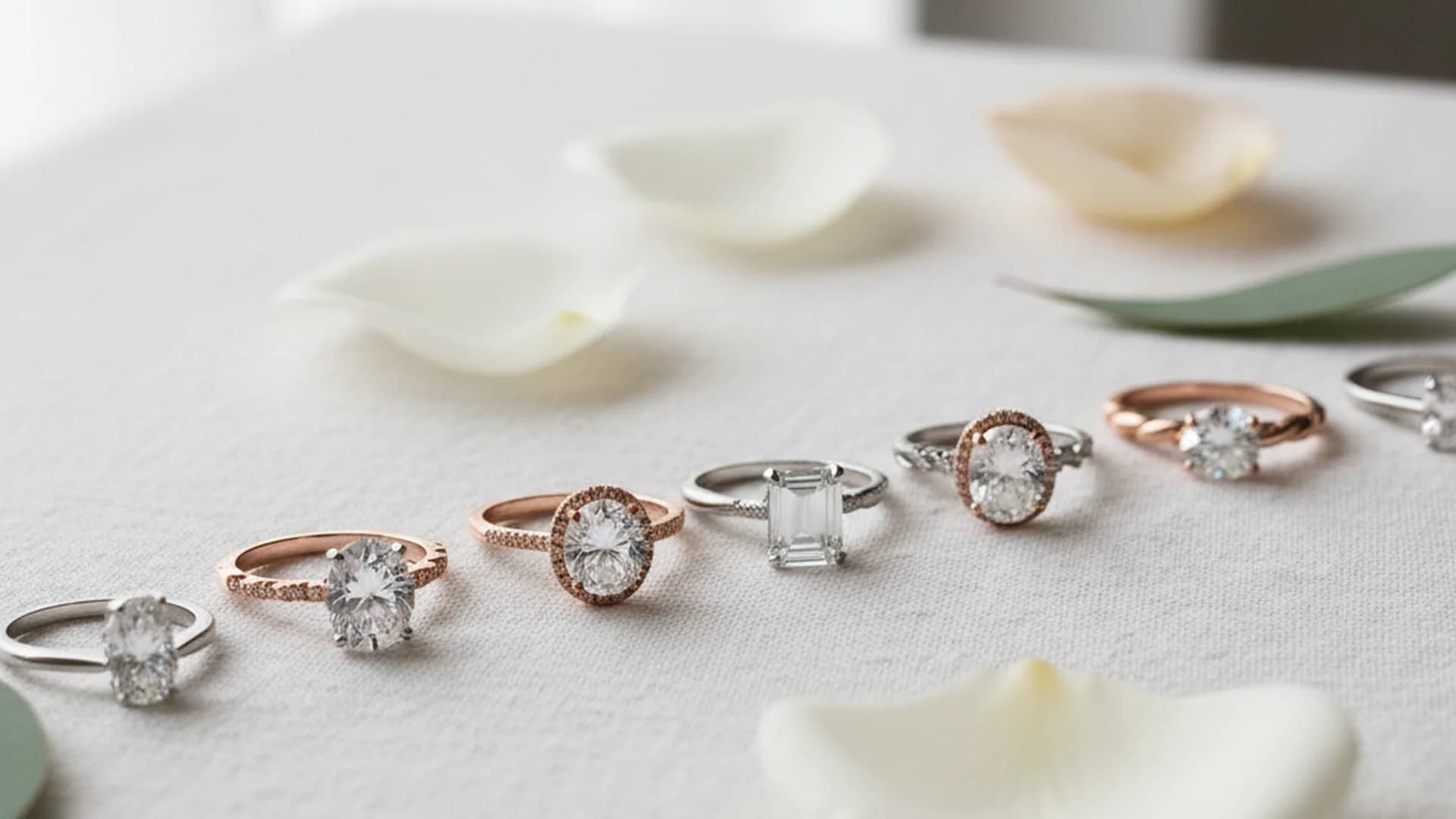
2025-2026 Guide to Engagement Ring Styles: Trends, Costs, and Expert Tips
Explore the top engagement ring styles for 2025-2026. From lab-grown diamond trends to vintage revivals and yellow gold's comeback, find your perfect ring.
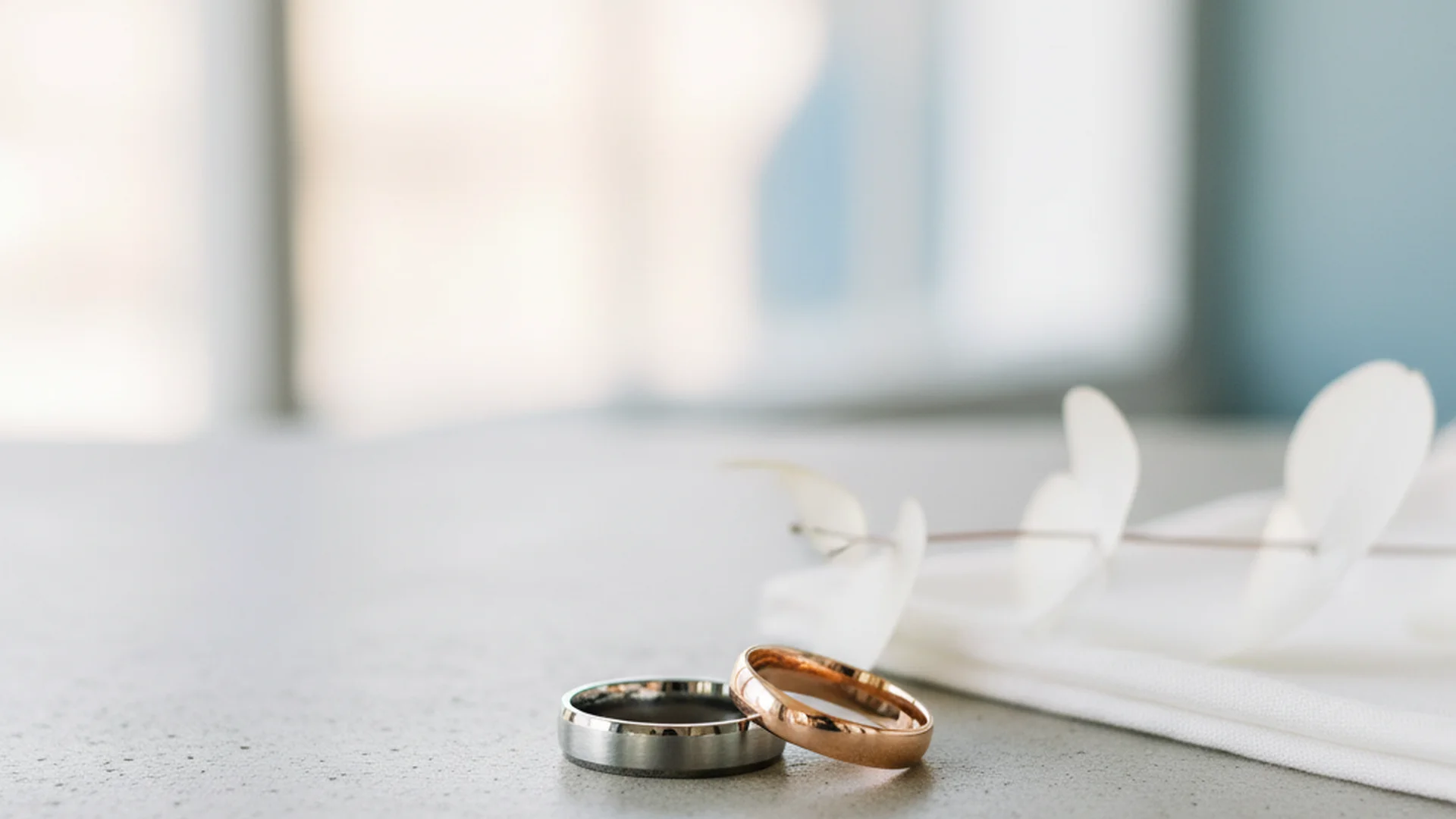
The Ultimate Mens Wedding Band Guide: Metals, Styles, and 2025 Trends
Discover the perfect ring with our comprehensive Mens Wedding Band Guide. Explore top metals, 2025 trends like meteorite inlays, and expert tips on fit and sizing.