The Ultimate Christian Wedding Ceremony Script Guide for 2025-2026
Create a meaningful Christian wedding ceremony script with our expert guide. Explore traditional outlines, modern trends, scripture ideas, and professional tips.
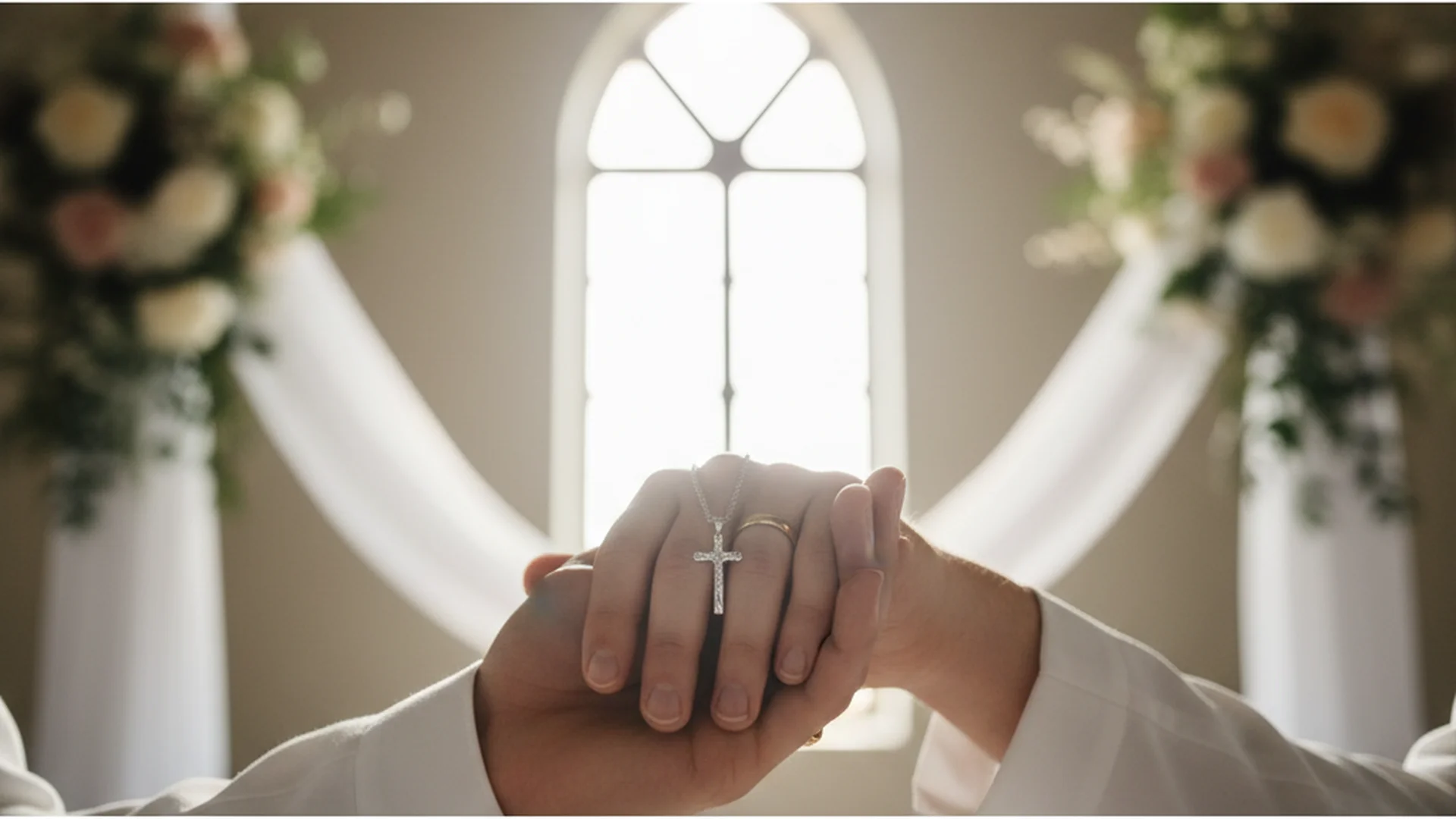
- A Christian ceremony is a worship service centered on a covenant before God.
- Modern trends like "Regency-style" and "Unplugged Mandates" are shaping 2025 weddings.
- Collaboration with your officiant is essential to balance tradition with your personal "God story."
Crafting a Christian wedding ceremony script is more than just organizing a timeline of events; it is an act of worship and the formalization of a sacred covenant. In a world where wedding trends shift rapidly, the Christian ceremony remains a steadfast anchor for many couples. Whether you are leaning into "Old World" opulence or planning a contemporary service, your script should reflect both your personal journey and the timeless truths of your faith.
As a professional vow ghostwriter, I have seen a beautiful resurgence in religious traditions. While secular ceremonies are on the rise, a meaningful share of weddings still specifically prioritize religious or cultural customs to honor family heritage and spiritual values.
The Anatomy of a Christian Wedding Ceremony Script
A standard Christian ceremony typically lasts between 20 to 30 minutes, though adding elements like communion can extend the service to 45 minutes. Understanding the traditional structure allows you to decide where to personalize and where to adhere to liturgy.
1. The Processional and Call to Worship
The ceremony begins with the entrance of the wedding party, followed by the bride. In a Christian context, the officiant often opens with a "Call to Worship," reminding guests that they are gathered not just as spectators, but as witnesses to a holy union.
2. The Invocation and Opening Prayer
This prayer invites the presence of the Holy Spirit. It sets the tone—moving the atmosphere from a social gathering to a sacred assembly.
3. Scripture Readings
Scripture is the heartbeat of the ceremony. While 1 Corinthians 13:4–8 remains the most popular choice globally, many couples are looking toward Bible Readings for Weddings that highlight stewardship, friendship, and the "God story" behind their relationship.
4. The Message or Homily
This is where the minister speaks directly to the couple about the biblical significance of marriage. Experts suggest that rather than a generic sermon, the minister should weave in the couple’s specific journey of faith.
Tip
2025-2026 Trends in Christian Ceremonies
The landscape of Christian weddings is evolving. Gen Z (ages 18–28) is increasingly embracing "Old World" values, leading to several distinct trends for the upcoming wedding seasons.
The "Bridgerton" Influence and Regency Opulence
There has been a striking surge of interest in Regency-style Christian weddings. This translates to scripts that use more poetic, theatrical language and lush opening statements. Think of it as "traditional plus"—honoring the sacred while embracing a grand, aesthetic-focused delivery.
The Unplugged Mandate
In 2025, a large and growing number of couples are including a "Digital Fast" or "Unplugged" announcement in their scripts. This asks guests to put away phones during the ceremony, ensuring the focus remains on the prayerful atmosphere rather than a social media feed.
Hybrid Participation
Live-streaming is no longer a backup plan; it is a standard feature. Modern scripts now frequently include a "Welcome to our Virtual Church" greeting for family members watching from afar, ensuring they feel like active participants in the worship service.
| Feature | Traditional Approach | 2025/2026 Trend |
|---|---|---|
| Technology | No mention of phones | Strict "Unplugged" announcement |
| Language | Standard Liturgy | Poetic, Regency-style prose |
| Inclusivity | Local guests only | "Virtual Church" greetings |
| Music | Standard Hymns | Acoustic worship or "theatrical" scores |
Sample Christian Wedding Ceremony Scripts
To help you get started, here are three examples of how to structure your service based on your personal style.
Example 1: The Traditional Covenant
This script focuses on the gravity of the liturgical tradition, ideal for high-church settings.
- Opening: "We are gathered here today in the sight of God and these witnesses..."
- The Vows: Traditional "to have and to hold" language.
- The Blessing: The Aaronic Blessing (Numbers 6:24–26).
Example 2: The Modern "God Story"
This script is more narrative-driven, focusing on how the couple has seen God move in their relationship.
- Opening: A personal story from the officiant about the couple’s first meeting at a church retreat or community event.
- The Vows: Personalized vows (150-200 words) followed by traditional covenantal vows.
- The Ritual: A "Salt Covenant" or "Feet Washing" ceremony to symbolize service to one another.
Example 3: The Short & Focused Script
Perfect for smaller gatherings or outdoor settings where brevity is key.
- Scripture: A single, impactful reading like Colossians 3:14.
- Vows: Standard "I do" statements.
- Pronouncement: A quick, joyful blessing followed by the kiss.
Note
From the OurVows workspace
Shaping your ceremony?
Draft your vows and ceremony, then keep the whole day organized in one place.
Expert Recommendations for a Seamless Ceremony
As a public speaking coach, I often see the logistical side of the ceremony script overlooked. Here are professional tips to ensure the moment is as beautiful as the words.
- The "No Template" Rule: Don't just copy-paste a script from the internet. Start with a conversation about your "God story." How did your faith bring you together? Use those specific details to anchor the script.
- The 22-Point Font Rule: Ensure your officiant uses a minimum 22-point font. This allows them to maintain eye contact with you and the congregation rather than squinting at a page.
- The "Step Aside" Move: Instruct your officiant to step out of the frame during the first kiss. This ensures your photographer gets a clean shot of just the two of you without a "floating head" in between.
- Vow Pacing: If you are writing your own vows, practice reading them out loud at least five times. Aim for 150-200 words to keep the ceremony moving while still being impactful.
Heads up
Common Mistakes to Avoid
- Forgetting the Audience: If you include a specific ritual like a "Salt Covenant," make sure the script explains what it means. Otherwise, non-Christian or non-denominational guests may feel excluded.
- The "Mic Check" Oversight: Many scripts fail to account for physical movement. If you move from the pulpit to a unity candle, will the guests still hear you? Ensure there is a lapel mic or a secondary microphone plan.
- Rushing the Pronouncement: The words "I now pronounce you..." carry immense weight. Officiants should pause for a beat before saying them to let the significance of the moment settle.
- Neglecting the "Declaration of Intent": While the wording can be creative, the "I do" (the legal declaration) is a requirement for the marriage to be legally binding in most jurisdictions.
Do this
Frequently asked questions
Is the "Declaration of Intent" legally required?
How do we handle different denominations (e.g., Catholic and Protestant)?
Can we write our own vows in a traditional Christian ceremony?
How long should the ceremony script be?
Finalizing Your Script
Your wedding ceremony is the foundation of your marriage. While the reception is a celebration of your union, the ceremony is the moment that union is created. By blending traditional liturgy with your unique "God story," you create a script that is both a tribute to your faith and a reflection of your love.
If you are looking for more inspiration, explore our Complete Guide to Wedding Ceremonies or consider a Non-Religious Wedding Ceremony Script if you are planning a ceremony that blends different worldviews.
Ready when you are
Ready to Start?
Craft the perfect vows for your sacred day.
Ready when you are
Plan your wedding without the chaos.
Free forever for couples just getting started. Two minutes to set up. No credit card.
Keep reading

Crafting the Perfect Second Marriage Ceremony Script: A Guide to New Beginnings
Planning a remarriage? Discover how to write a Second Marriage Ceremony Script that honors your past while celebrating a beautiful, mature future.
Pew Decorations Wedding: 15 Inspiring Ideas and Trends for 2025-2026
Transform your ceremony aisle with stunning pew decorations wedding ideas. From sustainable florals to 2026 trends, learn how to frame your walk to the altar.
The Ultimate Wedding Processional Order Guide: Traditions and Modern Trends
Master your wedding processional order with our comprehensive guide. From traditional Christian and Jewish lineups to modern LGBTQ+ and 2025 trends.