Buddhist Wedding Vows: A Guide to Meaningful Spiritual Commitments
Explore the traditions, rituals, and modern trends of Buddhist wedding vows. Learn how to craft aspirations based on mindfulness, compassion, and the Three Jewels.
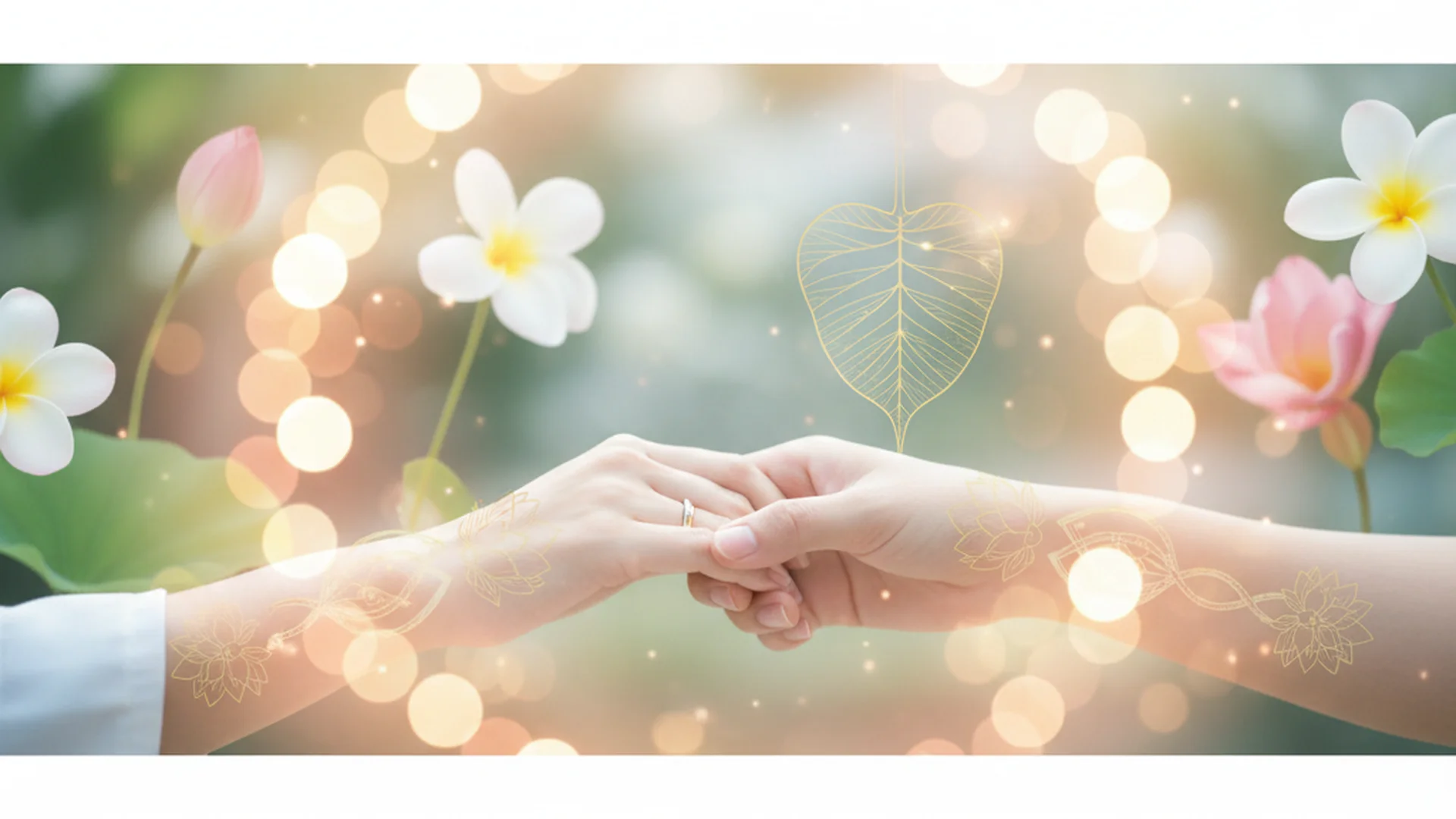
- Buddhist marriage is a secular commitment to mutual spiritual growth.
- Vows are phrased as aspirations rather than binding legalistic obligations.
- Modern ceremonies blend ancient sutras with 2025 trends like mindfulness meditation.
In many religious traditions, marriage is viewed as a sacred covenant made before a higher power. However, when we look at Buddhist wedding vows, we find a beautiful and distinct shift in perspective. In Buddhism, marriage is primarily seen as a secular institution—a conscious choice between two people to walk the path of awakening together. It is less about a "holy union" and more about a "spiritual partnership" designed to help both individuals reach enlightenment.
Whether you are a practicing Buddhist or are simply drawn to the philosophy of mindfulness and compassion, incorporating these ancient principles into your ceremony creates a grounded, intentional atmosphere. As we move into the 2025–2026 wedding seasons, more couples are seeking "Western-Buddhist fusion" ceremonies that prioritize presence over performance.
The Spiritual Foundation of Buddhist Marriage
To understand how to write your vows, you must first understand the Buddhist view of partnership. The Buddha did not prescribe specific wedding rituals or a mandatory liturgy. Instead, the foundation for Buddhist marriage is often drawn from the Sigalovada Sutta. This primary text outlines the reciprocal duties between partners, emphasizing mutual respect, kindness, and faithfulness.
In this tradition, your partner is not your "other half" who completes you, but rather a "spiritual friend" (Kalyana-mitta) who supports your journey toward wisdom. This perspective removes the pressure of "perfection" and replaces it with the reality of "practice."
Note
The Four Qualities of Love
When I coach couples on writing their Buddhist wedding vows, I always suggest looking toward the teachings of Zen Master Thich Nhat Hanh. He taught that true love consists of four elements, known as the Brahmaviharas. Incorporating these into your vows ensures your commitment is rooted in Buddhist psychology:
- Maitri (Loving-kindness): The ability to offer joy and happiness.
- Karuna (Compassion): The intention and capacity to relieve suffering.
- Mudita (Joy): The sympathetic joy felt when the other person is happy.
- Upeksha (Equanimity): The ability to love without possessiveness or discrimination.
If you find yourself struggling with where to start, you might compare these concepts to Heartfelt Wedding Vows to see how spiritual depth can be translated into modern language.
Buddhist Wedding Vow Templates and Examples
In Buddhist ceremonies, vows are often framed as "aspirations." Instead of saying "I promise to always be happy," which ignores the reality of human suffering (Dukkha), you might say, "I aspire to maintain a peaceful heart even in times of difficulty."
1. The Zen-Style "Interconnectedness" Vows
This style focuses on the concept of "interbeing"—the idea that you and your partner are not separate entities but are deeply connected to each other and the universe.
"Today, I recognize that our lives are woven together like the threads of a single cloth. I aspire to walk beside you on the path of awakening, honoring the Buddha nature within you. I vow to cultivate a home of peace, to listen with the ears of compassion, and to see our challenges not as obstacles, but as teachers. In the circle of our love, may we find the wisdom to serve all beings."
2. The Tibetan (Vajrayana) "Compassion" Vows
Tibetan-inspired vows often emphasize the accumulation of "merit" and the desire to help your partner reach their highest potential.
"Just as the earth supports all life, I aspire to support your spiritual growth. I commit to being your partner in the Dharma, sharing the joys and sorrows of this life with equanimity. I vow to practice patience when things are difficult, to practice generosity when things are plenty, and to remain mindful of our shared intention to bring more light into this world."
3. The Modern Secular Aspiration
For couples who want a Modern Wedding Vows feel while staying true to Buddhist roots, this template works beautifully.
"I take you as my spiritual partner and friend. I aspire to water the seeds of joy in your heart and to hold space for your healing when you are in pain. I do not ask you to be anything other than who you are. Instead, I vow to walk this path of life with you, practicing mindfulness in our words and kindness in our actions, for as long as our karma allows us to be together."
Tip
Essential Rituals to Include
A Buddhist wedding is often a "menu" of rituals that can be customized to fit your specific lineage or cultural background.
The Water Blessing
Common in Theravada traditions (Thai and Lao cultures), this is a beautiful visual representation of community support. Guests pour sanctified water over the couple’s hands while they are joined by a ceremonial thread. This signifies the cleansing of the past and the flow of merit into the future.
The Red String Ceremony
In many East Asian and Tibetan traditions, a red string is tied around the wrists of the couple. This represents the "invisible thread of fate" or the protection of the union. It is a tangible reminder of the vows spoken during the ceremony.
The Mindfulness Bell
A popular trend for 2025–2026 is starting the ceremony with a "Bell of Mindfulness." An officiant rings a bell, and everyone—guests included—sits in silence for three breaths. This grounds the energy of the room and ensures that everyone is fully present for the exchange of vows.
| Ritual | Meaning | Cultural Origin |
|---|---|---|
| Water Pouring | Cleansing and Merit | Theravada (Southeast Asia) |
| Chanting Sutras | Invoking Wisdom | Most Traditions |
| Three Jewels | Grounding in Faith | Universal |
| Tea Ceremony | Respect for Elders | Zen / Mahayana |
Heads up
From the OurVows workspace
Writing your vows?
Get a heartfelt first draft to shape into your own words — then handle every other detail with OurVows.
2025-2026 Trends in Buddhist Weddings
Buddhist weddings are evolving to meet modern sensibilities while staying rooted in ancient wisdom. Here are the top trends we are seeing for the upcoming seasons:
"Selective Watering" Vows
Inspired by the teachings of Plum Village, couples are now including specific vows about "watering the positive seeds." This means vowing to focus on and nurture each other's virtues while choosing not to "water" the negative habits or "weeds." It is a practical, psychological approach to long-term relationship health.
Sustainability and the "Zero-Waste" Altar
Following the Buddhist precept of non-harming (Ahimsa), 2026 trends are leaning toward eco-conscious decor. Instead of cut flowers that wither, couples are using potted lotus plants or bonsai trees that can be planted after the ceremony, symbolizing the living growth of their marriage.
Inclusion and Equality
The 2025 legalization of same-sex marriage in Thailand has sparked a global conversation about inclusivity in Buddhist ceremonies. We are seeing a rise in "Gender Neutral" Buddhist rites that focus on the "Two Souls" or "Two Spirits" rather than traditional gendered roles.
Do this
Common Mistakes to Avoid
Even though Buddhist ceremonies are known for being fluid and flexible, there are a few common pitfalls to keep in mind:
- Treating it like a Catholic Mass: Unlike Catholic Wedding Vows, which follow a very rigid and long liturgy, Buddhist ceremonies are typically short (20–30 minutes). Don't try to "pad" the ceremony with unnecessary filler; the power lies in the simplicity.
- Improper Dress Around Monks: If you invite a monk to offer a blessing, ensure you and your guests are dressed modestly (shoulders and knees covered). This is a sign of respect for their monastic vows.
- Forgetting the "Three Jewels": Many couples get caught up in the aesthetics and forget to ground the ceremony in the Buddha, Dharma (the teachings), and Sangha (the community). Always try to include a mention of these in your opening.
- Language Barriers: If you are using traditional Pali or Tibetan chants, provide translations in your program. If guests don't understand the words, they can't participate in the "joy" of the moment. If you want something more relatable, you might look at Christian Wedding Vows for ideas on how to structure a ceremony that feels familiar to Western guests while keeping your unique spiritual content.
Frequently asked questions
Do we have to get married in a temple?
Must a monk officiate the wedding?
What are "Joint Vows"?
Are rings exchanged in a Buddhist ceremony?
Is it okay to have a "funny" Buddhist wedding?
Conclusion: Marriage as a Living Meditation
A Buddhist wedding is not just a one-day event; it is the beginning of a "living meditation." By framing your vows as aspirations and your partnership as a spiritual friendship, you create a foundation that can withstand the inevitable changes of life.
As you prepare to step onto this path, remember that the goal is not to have a "perfect" marriage, but to have a "mindful" one. Every challenge is an opportunity to practice patience, and every joy is an opportunity to practice gratitude. May your union bring peace not only to yourselves but to all beings.
Do this
Ready when you are
Ready to Write Your Vows?
Start crafting your perfect, mindful wedding vows with our expert tools.
Ready when you are
Plan your wedding without the chaos.
Free forever for couples just getting started. Two minutes to set up. No credit card.
Keep reading
Beyond the "I Do": A Guide to Writing Unique Wedding Vows That Resonate
Discover how to craft unique wedding vows for 2025 and 2026. Learn about modern trends, expert writing tips, and statistics to make your ceremony truly personal.

The Modern Guide to Wedding Vows for Her: Trends, Tips, and Examples
Learn how to write meaningful, personalized wedding vows for her with our 2025 guide. Discover trends, timing tips, and common mistakes to avoid.
Writing the Perfect Wedding Vows for Your Soulmate: A 2025 Guide
Discover how to write heartfelt wedding vows for your soulmate. Explore 2025 trends, expert tips, and structures to express your unique bond perfectly.