When to Publish Your Wedding Website: The Ultimate Timeline for 2025–2026
Discover exactly when to publish your wedding website. Learn the ideal timeline for 2025-2026 couples to manage RSVPs, registries, and guest communication effectively.
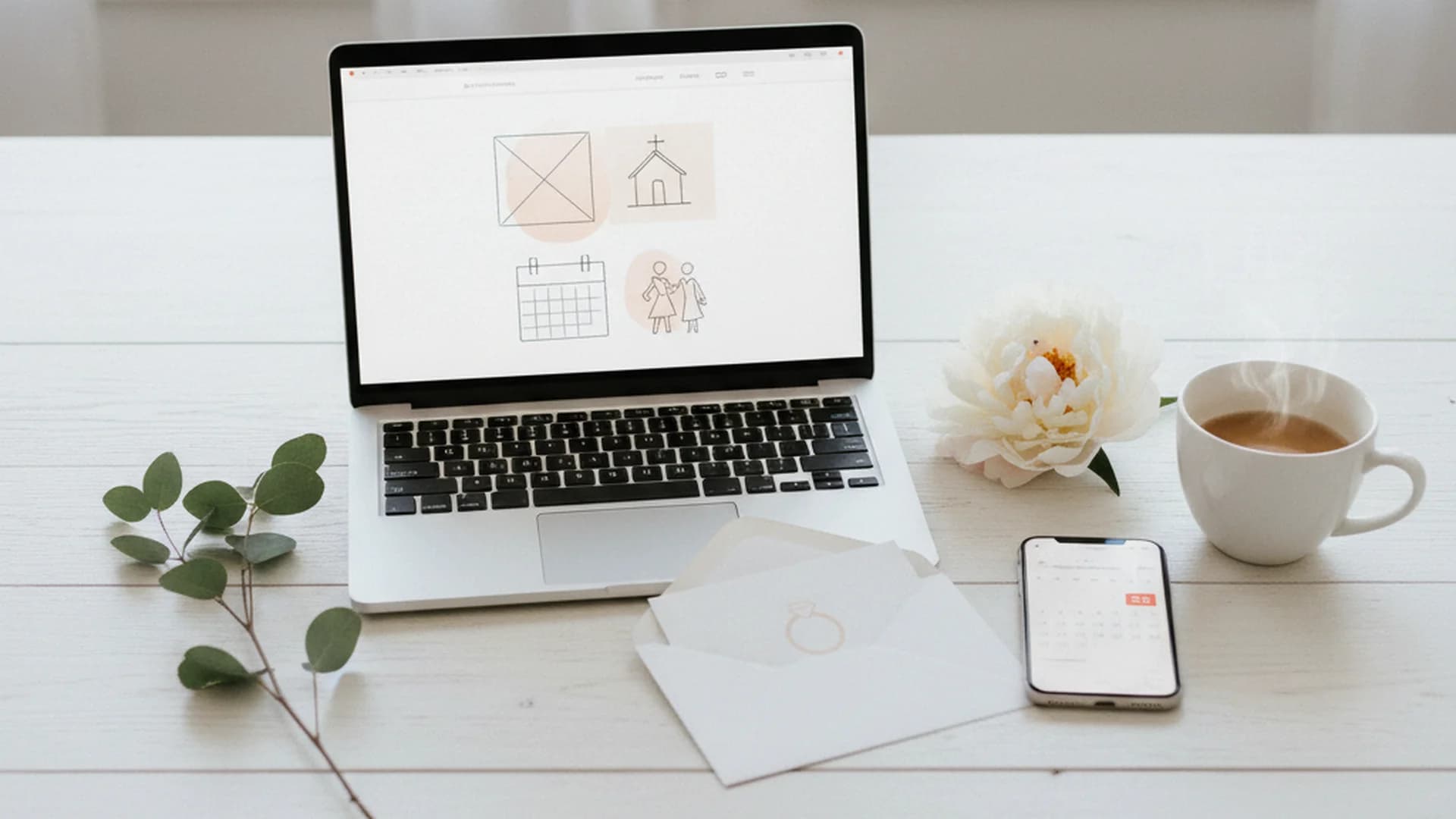
- Your website should be live by the time Save the Dates are mailed (6-8 months out).
- Use a "Coming Soon" approach for registry and schedule details to avoid launch delays.
- Mobile responsiveness is critical as most guests will access the site via phone.
In the modern era of nuptial planning, your wedding website serves as the digital heartbeat of your celebration. As we move into the 2025 and 2026 wedding seasons, the question is no longer if you need a digital hub, but exactly when to publish your wedding website to maximize its utility without overwhelming your guests or yourself.
With the vast majority of modern couples now utilizing personalized websites, the digital space has become the primary tool for managing the complex logistics of guest lists, dietary requirements, and local accommodations. As a relationship counselor, I often see couples stressed by the influx of repetitive questions from well-meaning family members. A perfectly timed website launch is the single most effective way to protect your peace of mind and provide a seamless experience for your loved ones.
Why Timing Your Wedding Website Launch Matters
Launching your website at the right moment is a strategic move. If you publish too early, you risk guests seeing incomplete information or "TBD" placeholders that make the event feel disorganized. If you publish too late—specifically after your Save the Dates have hit mailboxes—you will find yourself answering the same dozen questions via text and phone calls for weeks on end.
Today’s couples are dealing with longer engagement periods (averaging 15 months) and a high reliance on mobile-first planning. Because most of your guests will check your site on their phones, the timing of your launch must coincide with your guests' peak "planning mode"—which usually begins the moment they receive that first formal announcement in the mail.
Note
The Ideal Publication Timeline (12 Months Out to Wedding Day)
To navigate the 2025–2026 planning cycle successfully, I recommend following a phased approach. You don't need a finished product to "go live," but you do need a functional one.
10–12 Months Out: The Build Phase
This is your internal development period. Once you have secured your venue and locked in your date, you can start exploring the best free wedding website builders to find a template that matches your aesthetic.
During this phase, you are gathering the "bones" of the site:
- High-resolution engagement photos.
- The exact address of the ceremony and reception.
- Initial hotel block information.
You should not share the link with anyone yet. This is your "sandbox" where you can play with wedding website design tips without the pressure of a public audience.
6–8 Months Out: The Official Launch
This is the most critical window. Your wedding website must be live the day your Save the Dates arrive. In fact, you should include the URL (or a QR code) directly on your printed or digital Save the Dates.
Do this
At this stage, the site needs:
- The Date and City.
- Travel and Accommodation details (Hotel blocks are essential here).
- A brief "Our Story" section.
- A Registry tab (even if it says "Coming Soon").
3–4 Months Out: The Full Detail Update
As you prepare to send out your formal invitations, your website needs to transition from a "Save the Date" hub to a "Logistics Center." This is when you should add the full itinerary, specific dress codes, and the formal RSVP portal.
Tip
1 Week Out: The Final Sync
In the final days, use your website to host last-minute updates. If there is a sudden change in the weather for an outdoor ceremony or a specific parking instruction, post it prominently on the homepage.
| Phase | Timeline | Primary Goal |
|---|---|---|
| Build | 10-12 Months | Selection of platform and theme |
| Launch | 6-8 Months | Travel info and Save the Date sync |
| Update | 3-4 Months | RSVP collection and full itinerary |
| Final | 1 Week Out | Last-minute logistics and welcome message |
2025–2026 Trends in Wedding Website Content
The landscape of wedding planning is shifting toward hyper-personalization and "editorial" styles. Here is what we are seeing for the upcoming seasons:
AI-Assisted Storytelling
Many couples are now using AI tools integrated into builders to help craft their bios. If you’re struggling with what to write, look for inspiration in wedding website bio examples, then use AI to polish the tone to be more "Supper Club" casual or "Black Tie" formal.
The "Editorial" Aesthetic
The 2026 trend is moving away from generic templates and toward layouts that look like digital fashion magazines. This involves using documentary-style engagement photography, minimal text, and "vibe boards" that explain the wedding’s aesthetic to guests.
Social Media and Digital Boundaries
With the rise of "unplugged ceremonies," many couples are now including a specific page for social media policies. This section explicitly states whether guests are allowed to post TikToks of the processional or if they should wait until the reception to share photos.
Sustainable "Digital-Only" Invitations
A major trend for 2025 is the elimination of paper entirely. Many couples are sending high-end digital invitations that link directly to their published website, cutting down on waste and streamlining the RSVP process.
Heads up
Handling the "Registry" Dilemma
A common question I receive is: "Do I need my registry finished before I publish?"
The answer is no, but you shouldn't ignore the tab entirely. Guests often feel inspired to buy a gift the moment they see your Save the Date. If you don't have your registry ready, include a "Registry" page with a polite message: "We are currently working on our registry. Check back soon for more details! Your presence is the greatest gift of all."
This prevents guests from searching for you on Google and accidentally finding an old registry from a different event or a generic list you haven't approved.
Note
From the OurVows workspace
Building your wedding website?
Pick a template, claim your custom subdomain, and collect RSVPs and gifts — the OurVows website builder is part of Plus, from $12/mo.
Common Mistakes to Avoid
In my work as a consultant, I’ve seen these three mistakes cause the most friction between couples and their guests:
- Listing Exclusive Events on the Main Schedule: Never list the Rehearsal Dinner or a private Bridesmaid Brunch on the main public itinerary. This leads to "accidental" guests and hurt feelings. Modern builders allow you to create "Private Pages" that only appear to specific guests when they log in to RSVP.
- The "Information Dump": While you want to be thorough, guests don't need a five-page essay on your history. Focus on the "Three T's": Time, Town, and Transportation.
- Ignoring Security: Leaving your site public and indexed by search engines can attract "wedding crashers" or simply expose your personal details to the open web. Always use a password or check the "Hide from Search Engines" box in your settings.
Security and Privacy Best Practices
As we rely more on digital tools, security is paramount. Your wedding website contains a wealth of personal information: your full names, the date you'll be away from home, and often the names of your family members.
- Password Protection: Most 2025-2026 website builders offer a simple password gate. Use it. You can print the password on your Save the Dates.
- Search Engine Indexing: Go into your site settings and ensure "Search Engine Visibility" is turned off. This prevents your "Love Story" from showing up when someone Googles your name.
- RSVP Privacy: Ensure your RSVP tool requires a guest's name to match your uploaded list before it reveals the event details.
Frequently asked questions
When is the absolute latest I can publish my wedding website?
Should I password-protect my wedding website?
How do I handle plus-ones on the website RSVP?
Do I need to buy a custom domain?
www.samandjess2026.com is much easier for guests to type than a long sub-domain provided by a free builder. It also looks more professional on your printed stationery.
What if I don't have all the hotel details yet?
Conclusion
Determining when to publish your wedding website is about balancing your preparation with your guests' needs. By starting the build phase 10–12 months out and officially launching with your Save the Dates at the 6–8 month mark, you create a reliable resource that reduces stress for everyone involved.
Remember that your website is a living document. It doesn't have to be perfect on day one; it just needs to be helpful. As you move closer to your date, keep the "Three T's" (Time, Town, Transportation) at the forefront of your updates. By following this timeline, you ensure that your digital presence is as polished and welcoming as the wedding day itself.
Do this
Ready when you are
Ready to Start Planning?
Build your perfect wedding timeline and manage your guest list with ease.
Ready when you are
Plan your wedding without the chaos.
Free forever for couples just getting started. Two minutes to set up. No credit card.
Keep reading
The Ultimate Guide to Your Wedding Website Travel Page: 2025 Edition
Learn how to build a high-converting Wedding Website Travel Page. Includes 2025 trends, hotel block tips, and guest logistics to ensure a stress-free experience.

The Ultimate Guide to Wedding Website Mobile Optimization
Ensure your guests have a seamless experience with our guide to wedding website mobile optimization. Learn the latest 2025-2026 trends and best practices.
The Ultimate Guide to Your Wedding Website Announcement: 2025-2026 Edition
Learn the best timeline, wording, and tech trends for your wedding website announcement. Master your digital planning with expert tips for 2025 and 2026.