The Ultimate Wedding Wine Selection Guide: Planning Your 2025-2026 Bar
Master your wedding bar with our expert wedding wine selection guide. Learn about bottle counts, 2025 pricing trends, and how to choose wines your guests will love.
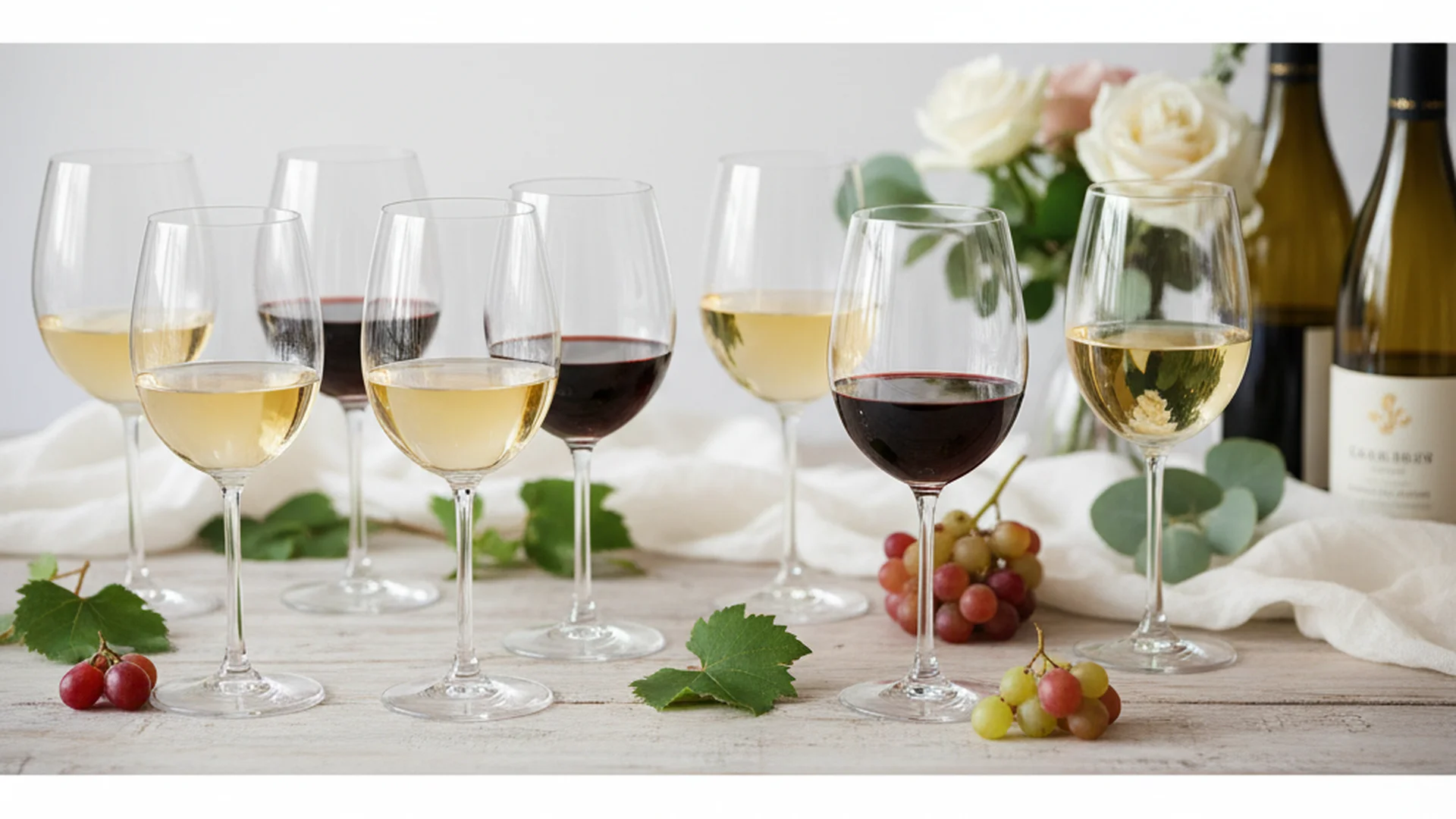
- Use the 'Rule of One' to estimate one drink per guest per hour.
- Prioritize versatile varietals like Pinot Noir and Sauvignon Blanc.
- Look to New World regions to avoid 2025 European import tariffs.
Planning a wedding is a series of high-stakes decisions, but few carry as much social weight—or potential for literal headaches—as the bar. Choosing the right vintage isn't just about what tastes good with the sea bass; it’s about logistics, budgeting, and ensuring your guests are hydrated enough to dance but not so over-served that they try to start a mosh pit during the first dance. Welcome to the definitive Wedding Wine Selection Guide, updated for the unique economic and cultural landscape of 2025 and 2026.
As we look toward the 2025 wedding season, we are seeing a fascinating shift. Couples are moving away from the "open bar at all costs" mentality toward a more curated, thoughtful beverage experience. Whether you are navigating the rising costs of European imports or trying to cater to the "sober-curious" movement, this guide will ensure your wine menu is the talk of the night—for all the right reasons.
The Foundation: Understanding the Math
Before you fall in love with a boutique Malbec from a tiny vineyard in Argentina, you need to know how much to buy. Nothing kills a reception vibe faster than the "The bar is out of white wine" whisper spreading through the room at 8:30 PM.
The Rule of One
Standard event planning is built on the Rule of One: assume every guest will consume one drink per hour. For a standard 5-hour reception, you should plan for 5 drinks per person.
If you have 100 guests, that is 500 drinks. Using the industry-standard split for a well-rounded bar (50% Wine, 25% Beer, and 25% Liquor), you would need to provide 250 servings of wine.
Bottle Yields and Conversions
- Standard Wine Bottle (750ml): Provides 5 glasses (5 oz pours).
- Sparkling Wine (750ml): Provides 8–10 half-pours for toasts.
Note
The Seasonal Split
While a 50/50 split between red and white is the traditional safe bet, the time of year matters. If you are following a Complete Guide to Wedding Reception Planning for a mid-July outdoor ceremony, your red wine consumption will plummet.
- Winter/Fall Weddings: 60% Red, 40% White/Sparkling.
- Summer/Spring Weddings: 40% White, 30% Red, 30% Rosé and Sparkling.
Budgeting and Economic Shifts for 2025
The 2025 market is experiencing some turbulence. Due to recent tariffs and global supply chain shifts, European imports—specifically your favorite French Sancerres and Italian Barolos—are projected to see price increases of 15–20%.
Finding Value in the "New World"
To keep your budget under control, experts recommend looking toward New World regions. Countries like Chile, South Africa, and Portugal are producing world-class wines that offer significantly better value for high-volume events. You can often find a spectacular Portuguese Red for $18 that tastes like a $45 French Bordeaux.
Tip
The "Sancerre Solution"
Sancerre (a French Sauvignon Blanc) has become the "it" wine of the decade, driving prices to astronomical levels. If you love that mineral-driven, crisp profile, don't pay the Sancerre tax. Ask your vendor for a Touraine Sauvignon Blanc or an Italian Friulano. These alternatives offer that same refreshing "zip" at nearly 40% less cost.
| Wine Style | Premium Option | Value Alternative | Saving % |
|---|---|---|---|
| Crisp White | Sancerre | Touraine Sav. Blanc | 40% |
| Rich White | Napa Chardonnay | Unoaked Chardonnay | 25% |
| Elegant Red | Burgundy | Oregon Pinot Noir | 30% |
| Bubbly | Champagne | Crémant or Cava | 50%+ |
Expert Best Practices for Service
Selecting the wine is only half the battle; how you serve it can make or break the experience.
The Temperature Secret
One of the most common mistakes at weddings is serving red wine at "room temperature." In a crowded ballroom or a tent in August, room temperature is often 75°F or higher. This makes the wine taste flabby and brings out the "alcohol burn."
Do this
Prioritize Versatile Varietals
When catering to 150 different palates, avoid the extremes. You want "crowd-pleasers" that pair well with a variety of foods, whether you are hosting a BBQ Wedding Reception or a formal Buffet vs Plated Wedding Dinner.
- The Red Choice: Pinot Noir or Grenache. These are light-to-medium bodied with low tannins, meaning they won't overpower the salmon but can still stand up to a steak.
- The White Choice: Sauvignon Blanc (crisp/acidic) or Unoaked Chardonnay (smooth/creamy). Avoid "oaky" Chardonnays, as they are a polarizing "love it or hate it" style.
Heads up
Emerging Trends for 2025 and 2026
The modern wedding is no longer just about the white dress and the cake; it’s about a personalized guest experience. Here is what is trending in the world of wedding viticulture.
Mindful Drinking and Premium NA Wines
There has been a 20% increase in demand for premium non-alcoholic (NA) options. Modern couples are including high-end NA wines like French Bloom or Eins-Zwei-Zero in their packages. This ensures that guests who are sober, pregnant, or simply pacing themselves feel included in the toast.
The Rise of "Chillable Reds"
For summer outdoor weddings, the "Chillable Red" is the new Rosé. Varietals like Beaujolais or Frappato are light-bodied, low-alcohol reds that are meant to be served cold. They are refreshing, photogenic, and incredibly easy to drink during a cocktail hour.
Sustainability as a Standard
Couples are increasingly asking for organic or biodynamic certifications. Furthermore, there is a push to reduce the carbon footprint of the event by choosing wines in lighter-weight glass bottles or even premium canned sparkling wine for the "after-party" or late-night dance floor.
Note
From the OurVows workspace
Planning the reception?
Build the timeline, work out the bar, and seat every guest — without the spreadsheet chaos.
Real-World Examples: Matching the Vibe
1. The Summer Garden Soirée
For an outdoor wedding in June, the couple focused on high-acid, refreshing choices. They skipped the heavy Cabernet entirely in favor of a chilled Beaujolais and a crisp Provence Rosé.
- Result: Guests stayed refreshed in the heat, and the Rosé consumption actually outpaced the beer.
2. The Formal Winter Ballroom
This couple opted for a classic approach but used the "Sancerre Solution." They served a high-quality Italian Friulano for the white and a robust Malbec for the red to match their beef short-rib entree.
- Result: The Malbec held up perfectly against the rich food, and the cost savings on the white wine allowed them to upgrade to a premium Champagne tower.
3. The Low-Waste Vineyard Wedding
Focusing on sustainability, this couple chose a local vineyard that used biodynamic farming. They served the wine from carafes rather than individual bottles to reduce glass waste and offered a premium NA sparkling wine for the toast.
- Result: A zero-waste bar that felt upscale and deeply personal to the location.
Common Mistakes to Avoid
Even the most organized couples can stumble when it comes to the bar. Here is what to watch out for:
- Overbuying Champagne: Most couples buy enough for a full pour per person for the toast. Since many guests only take a polite sip, you can safely buy for 75% of your guest count and serve half-pours.
- Ignoring the Corkage Fee: If you are bringing your own wine, venues often charge $15–$35 per bottle to open it. Always use a Wedding Budget Calculator to see if the retail savings actually outweigh the fees.
- Forgetting the After-Party: Guests often switch to lighter, "crushable" drinks as the dancing starts. Don't waste your expensive dinner wine on the late-night dance floor; have a more affordable, refreshing option ready for the final two hours.
- Choosing Based on Your Palate Alone: You might love a bone-dry, petrol-heavy Riesling, but your 200 guests might not. Aim for the "middle of the road" for the bulk of your purchase.
Frequently asked questions
Do we really need a separate champagne toast?
How many different types of wine should we offer?
Should we match wine to the season or the food?
What if our venue's wine list is terrible?
Conclusion
Selecting your wedding wine doesn't have to be a source of stress. By focusing on versatile varietals, accounting for the 2025 economic shifts, and following the "Rule of One," you can provide a sophisticated bar experience that fits your budget. Remember, at the end of the night, your guests will remember the laughter and the dancing much more than the specific vintage of the Chardonnay.
Stay mindful of your counts, chill your reds, and don't forget to have a glass yourself!
Do this
Ready when you are
Ready to Start?
Use our tools to calculate your guest count and budget today.
Ready when you are
Plan your wedding without the chaos.
Free forever for couples just getting started. Two minutes to set up. No credit card.
Keep reading
Mastering the Wedding Reception Order of Events: A 2025–2026 Guide
Plan the perfect wedding reception order of events with our expert guide. Explore modern timelines, 2025-2026 trends, and tips for a seamless celebration.
The Ultimate Guide to Wedding Ceremony Songs: Orchestrating Your Perfect Moment
Planning your 2025-2026 wedding? Discover the best wedding ceremony songs, from cinematic scores to modern pop covers, plus expert tips for timing and transitions.
The Ultimate Guide to Wedding Processional Songs for 2025 & 2026
Discover the perfect wedding processional songs for your big day. From classical masterpieces to modern Taylor Swift hits, learn how to time your walk perfectly.