Building a Family Legacy: Wedding Vows for Couples with Children
Discover how to write heartfelt wedding vows for couples with children. Learn modern trends, blended family etiquette, and age-appropriate ways to include kids.
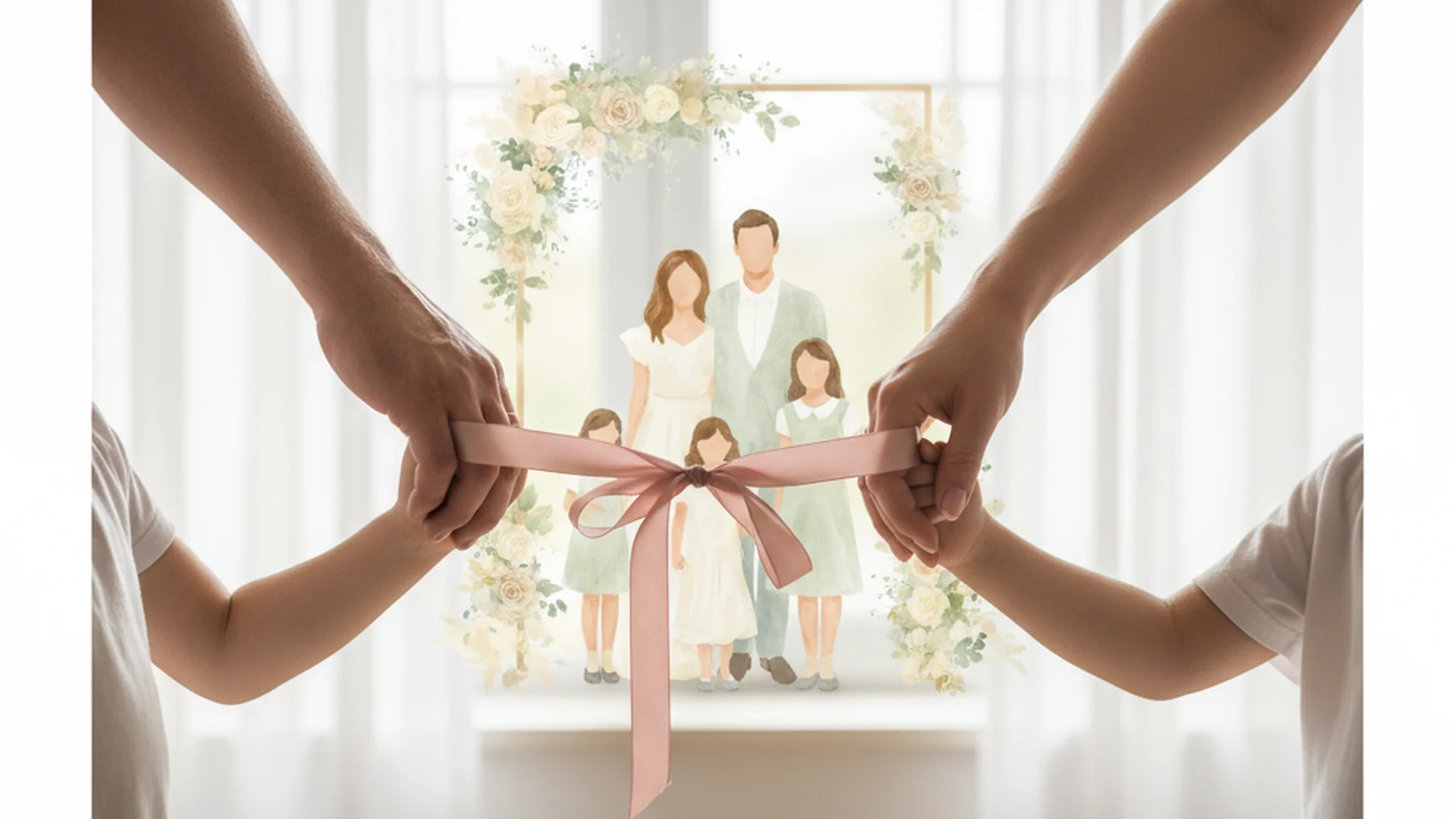
- Focus on emotional security and family unity rather than just the couple.
- Use age-appropriate roles to ensure children feel included but not pressured.
- Avoid "replacement language" in blended family scenarios to respect all biological parents.
Planning a wedding when you already have children—whether they are from your current relationship or a previous one—shifts the entire landscape of the ceremony. In 2025 and 2026, we are seeing a significant move away from rigid, "couple-only" traditions toward "intentional" ceremonies. Writing wedding vows for couples with children is no longer just about the romantic bond between two adults; it is a public celebration of a family unit being solidified. This guide explores how to navigate these emotional waters with grace, humor, and heart.
The Modern Reality of "I Do"
The traditional image of a wedding often focuses solely on the bride and groom starting a life from scratch. However, the reality is often different. A large share of marriages in the U.S. involve at least one partner with children from a previous relationship. With new stepfamilies forming every day, the "Standard American Family" is increasingly a blended one.
For many couples, cohabitation happens long before the walk down the aisle. By the time the wedding day arrives, the couple has often spent years raising children together. In these cases, the wedding is less of a "new beginning" and more of a "family milestone." Children who are actively included in these family transition rituals often feel a greater sense of emotional security. When kids hear their names in your vows, they aren't just spectators; they are stakeholders in the new family structure.
Note
Structuring Wedding Vows for Couples with Children
When writing your vows, you are essentially balancing two different commitments: your romantic promise to your partner and your parental promise to the family unit.
The "Package Deal" Mention
One of the most effective ways to address this is the "Package Deal" approach. This involves a dedicated section within your standard vows where you explicitly name the children. This confirms to the children—and the guests—that you aren't just marrying a person; you are choosing a family.
Example: "I take you as my husband, and in doing so, I also take [Children’s Names] as my own. I promise to love, protect, and guide them alongside you."
Physical Inclusion at the Altar
To make the vows feel more impactful, consider having the children stand beside their biological parent (or between the couple) during the exchange of promises. This visual representation of the "emergence of two families" is a powerful trend for 2025 ceremonies. It transforms the altar from a stage for two into a space for the whole family.
Tip
Real-World Examples of Family Vows
To help you get started, here are three distinct ways to frame your vows depending on your family dynamic.
Example 1: The Long-Term Partners
Best for: Couples who have been together for years and have biological children together.
"We’ve already built a home, a life, and a beautiful family. Today isn't about starting something new, but about honoring what we’ve already created. I promise to keep being your partner in the chaos of parenthood and your sanctuary at the end of the day. To our children, [Names], I promise that this ring is a symbol of my forever commitment to our entire house."
Example 2: The Blended Family (Stepparent Vows)
Best for: One or both partners bringing children from a previous relationship.
"[Partner's Name], I love you for your heart, your humor, and the incredible parent you are. [Children’s Names], I want you to know that I am not here to replace anyone, but to be a constant source of support, a listening ear, and a lifelong friend. I promise to love your parent with all I have and to cherish the unique bond we are building together."
Example 3: The "Family I Do"
Best for: Including younger children who may be too shy to give a speech.
Officiant: "[Children’s Names], do you promise to support this marriage and accept [Partner's Name] into your family with love?" Children: "We do." Partner: "And I promise to honor that love and protect this family for all my days."
Do this
2025-2026 Trends in Family Ceremonies
As we look toward the 2025 and 2026 wedding seasons, several "intentional" trends are emerging for families.
AI-Assisted Personalization
A growing number of couples are now comfortable using AI tools to help draft the structure of their vows. While AI (like our own Wedding Vow Writer) can provide a solid foundation, the most successful vows are those where the couple manually adds intimate anecdotes about their daily family life—like the way you all dance in the kitchen or the specific bedtime stories you tell.
Interactive Unity Rituals
Couples are moving beyond the traditional sand ceremony in favor of more creative, collaborative rituals:
- Family Unity Painting: Each family member adds a stroke of paint to a canvas to create a shared piece of art for the home.
- The Family Puzzle: A wooden puzzle where each child places a piece to complete a family crest or portrait.
- Cairn Stone Building: Stacking stones together to symbolize building a solid foundation as a unit.
"In-the-Round" Ceremonies
A 2026 layout trend involves seating guests and family in a circle around the couple. This makes children feel "surrounded by love" rather than feeling like they are on a stage being watched. It creates a more intimate, communal atmosphere that suits a family-focused celebration.
Heads up
From the OurVows workspace
Writing your vows?
Get a heartfelt first draft to shape into your own words — then handle every other detail with OurVows.
Common Mistakes to Avoid
Writing vows for a family is more complex than writing for a couple. Avoid these common pitfalls:
- "Winging It": Family vows are emotionally charged. Experts warn against improvising, as the presence of your children can make you more prone to "happy tears" or losing your train of thought. Always have your vows written down.
- Language of Replacement: Never use terms like "new mom" or "real dad" unless the child has specifically requested it. Stick to terms like "bonus parent," "mentor," or "friend" to respect existing biological bonds. For more on this, see our guide on Wedding Vows for Blended Families.
- Ignoring the Teenager: Assuming a teenager doesn't want to be involved can backfire. Even if they decline a public role, being mentioned in the vows ensures they don't feel like an afterthought.
- The "Audition" Vow: Don't make the children feel like they have to "earn" their place in the new family. The vows should focus on your commitment to them, not their duties to you.
Age-Appropriate Roles for Children
| Age Group | Recommended Role | Involvement Level |
|---|---|---|
| Under 5 | Flower Girl/Ring Bearer | Low (Focus on fun) |
| Ages 6–12 | Unity Ritual Participant | Medium (Active participation) |
| Teens | Reading a Poem/Signing Witness | High (Mature involvement) |
Note
Frequently asked questions
Is it tacky to include my children in the vows?
Should my children say their own vows?
How do I mention my children without disrespecting their other biological parent?
What if my child is a teenager and doesn't want to be in the spotlight?
Conclusion
A wedding with children is a beautiful "package deal." It is a celebration of the love that has already grown and the new legal and spiritual bonds that are being formed. By focusing on intentional inclusion, using respectful language, and embracing modern trends like interactive rituals, you can create a ceremony that honors every member of your household.
Remember, the goal of wedding vows for couples with children is to ensure that when the ceremony is over, your children feel just as "married" into this new family unit as you and your partner do.
Do this
Ready when you are
Ready to Write?
Use our specialized tools to craft the perfect family-centered vows.
Ready when you are
Plan your wedding without the chaos.
Free forever for couples just getting started. Two minutes to set up. No credit card.
Keep reading
Beyond the "I Do": A Guide to Writing Unique Wedding Vows That Resonate
Discover how to craft unique wedding vows for 2025 and 2026. Learn about modern trends, expert writing tips, and statistics to make your ceremony truly personal.

The Modern Guide to Wedding Vows for Her: Trends, Tips, and Examples
Learn how to write meaningful, personalized wedding vows for her with our 2025 guide. Discover trends, timing tips, and common mistakes to avoid.
Writing the Perfect Wedding Vows for Your Soulmate: A 2025 Guide
Discover how to write heartfelt wedding vows for your soulmate. Explore 2025 trends, expert tips, and structures to express your unique bond perfectly.