Wedding Vows for Blended Families: A Guide to Inclusive Ceremonies
Learn how to craft meaningful wedding vows for blended families. Explore 2025 trends, modern rituals like candy blending, and expert tips for including children.
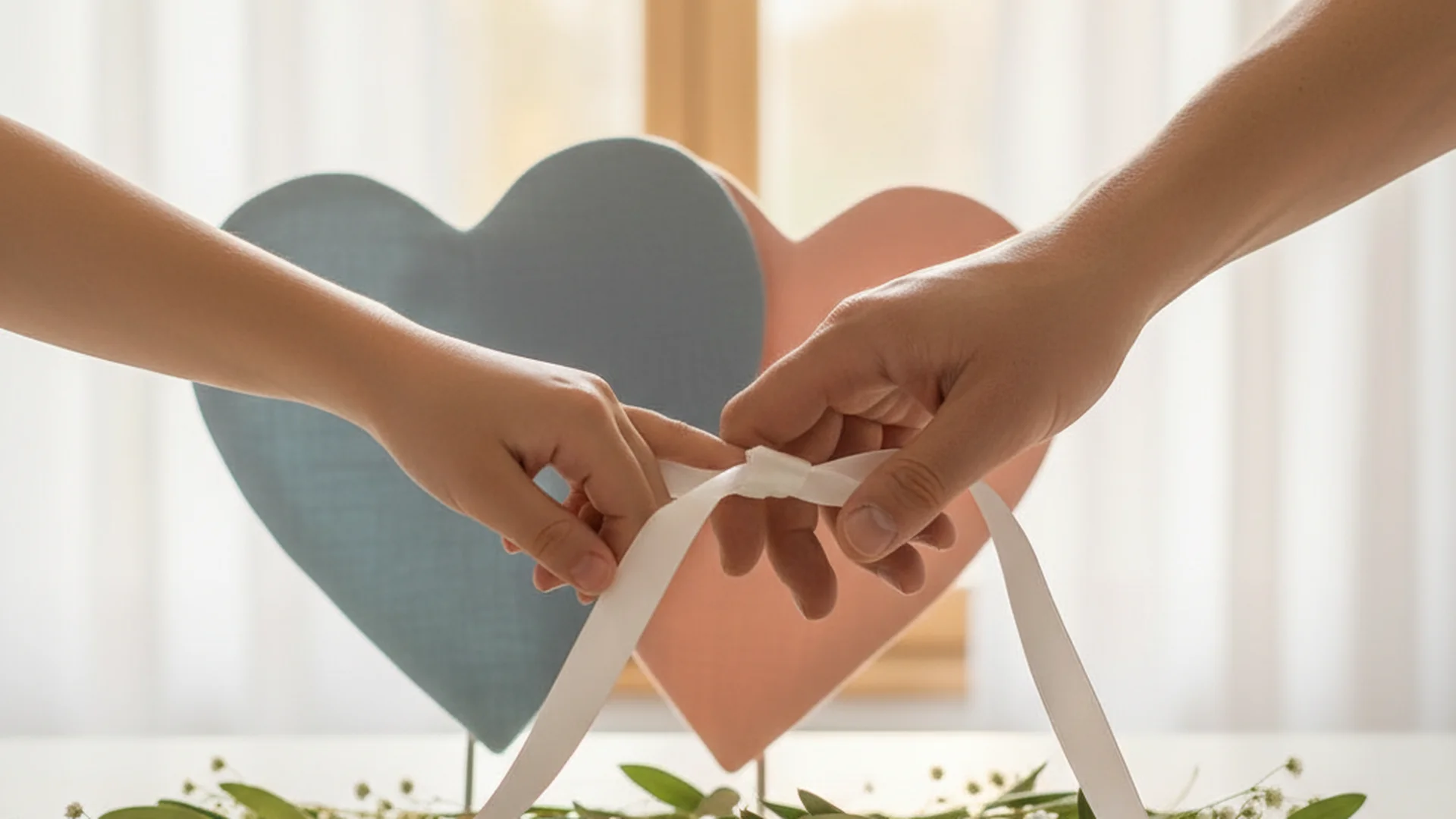
- Vows to children should ideally happen before the couple’s exchange.
- Modern "Bonus" terminology is replacing traditional "Step" labels for a more positive tone.
- Consent is crucial; never force a child or teen into a performative role.
Marriage is a profound commitment between two people, but when children are involved, it is also the architectural blueprint for a new home. In the United States today, a large share of marriages involve at least one partner with children from a previous relationship. This shift in the American family landscape has transformed how we approach the "I do." Crafting wedding vows for blended families is no longer just about the couple; it is about acknowledging the "bonus" love that expands the family circle.
As we move into the 2025–2026 wedding seasons, the focus has shifted away from rigid, legalistic traditions toward "Vulnerable Honesty." Couples are moving away from the idea of a "perfect" instant family and instead using their ceremony to honor the messy, beautiful journey of blending two lives into one.
The New Language of Blended Family Vows
Language evolves alongside our social structures. In 2026, we are seeing a significant move away from the prefix "step-" in favor of "bonus." Many couples feel that "step-parent" implies a hierarchy or a legalistic barrier, whereas "bonus mom" or "bonus dad" suggests a positive addition—a gift rather than a replacement.
When writing wedding vows for second marriages, it is important to choose terms that resonate with your specific family dynamic. Gen Z and older Millennial couples are leading this charge toward authenticity. They are "flipping the script" by replacing traditional phrases like "giving away the bride" with inclusive questions such as, "Who supports the blending of these families?"
The "In-the-Round" Influence
A major trend for 2026 is the "In-the-Round" ceremony. Instead of a traditional aisle leading to an altar, the couple stands in the center of a circular seating arrangement. This layout removes the "us vs. them" feel of traditional pews. When you deliver your wedding vows for blended families in this setting, it feels less like a performance and more like a communal embrace by the people who matter most.
Tip
3 Modern Rituals for 2026
Vows are spoken, but rituals are seen and felt. For children, a tangible symbol of their place in the new family can be more powerful than words alone. Here are three modern alternatives to the traditional sand ceremony that are trending for the upcoming seasons.
1. The Candy Blending Ritual
A 2025 favorite that replaces sand or water with something much more kid-friendly: candy. Each family member chooses their favorite colorful candy (M&Ms, Skittles, or jelly beans) and pours them into a single glass jar.
- The Symbolism: It represents that "life is sweeter when we are together."
- The Keepsake: Unlike sand, which sits on a shelf, the family can enjoy the candy together during their first movie night as a married unit.
2. The Family Cairn (Sustainable Keepsake)
Reflecting the 2026 trend toward sustainability, the Family Cairn involves each member placing a natural stone onto a stack.
- The Symbolism: Each stone is unique in shape and size, representing the individual personalities of the children and parents. Together, they create a balanced sculpture.
- The Keepsake: This becomes a permanent garden fixture or a mantlepiece that doesn't rely on plastic or synthetic dyes.
3. The Heartbeat Ritual
For families who prefer a more emotional, less "prop-heavy" ceremony, the Heartbeat Ritual is gaining popularity. The family joins hands in a circle. The couple begins by gently "squeezing" the hand of the child next to them, and that squeeze is passed around the circle until it returns to the couple.
- The Symbolism: It represents the silent, steady connection that flows through the family, even when words aren't enough.
| Ritual | Best For | Materials Needed |
|---|---|---|
| Candy Blending | Small Children | 3-5 types of candy, 1 large jar |
| Family Cairn | Teens & Adults | Smooth river stones |
| Heartbeat Ritual | Any Age | None (Just physical connection) |
Note
Sample Wedding Vows for Blended Families
Providing structure for your words can help ease the anxiety of writing. When preparing your ceremony, consider these three templates tailored to different age groups. For more general help, you can use a Wedding Vow Writer to refine your tone.
Sample 1: Vows to Small Children
Focus: Security, Fun, and Care.
"[Child's Name], I didn't just fall in love with your [Mom/Dad]; I fell in love with you, too. I promise to always have a snack ready, to listen to your stories about [Interest/Hobby], and to make sure our home is a place where you always feel safe and loved. I’m not here to replace anyone, but to be your bonus [Mom/Dad] and your biggest fan."
Sample 2: Vows to Teenagers
Focus: Respect, Autonomy, and Support.
"[Child's Name], I know that blending a family isn't always easy, and I want to thank you for the space you’ve given me. I promise to respect your boundaries, to be a person you can count on when things get tough, and to support the incredible person you are becoming. I don't expect things to be perfect, but I promise to always be real with you."
Sample 3: Vows to Adult Stepchildren
Focus: Partnership and Shared Future.
"[Child's Name], seeing the relationship you have with your [Parent] has been one of the greatest joys of my life. I am so honored to officially join this family. I promise to honor the traditions you already have and to help build new ones with you. I am here as a friend, a partner to your parent, and a lifelong supporter of your dreams."
Do this
From the OurVows workspace
Writing your vows?
Get a heartfelt first draft to shape into your own words — then handle every other detail with OurVows.
Expert Etiquette: Managing Logistics and Emotions
Navigating the logistics of a blended wedding requires a delicate touch. As an officiant, I often see couples struggle with "managing family expectations," which is consistently one of the top stressors for blended-family couples.
Handling the Biological Parent
One of the most common mistakes is failing to acknowledge the child’s relationship with their other biological parent. When crafting wedding vows for him or wedding vows for her in a blended context, avoid language that sounds like you are "taking over" the parental role.
Heads up
The "No-Vow" Option
Not every child wants to be in the spotlight. In fact, forcing a shy child or a hesitant teenager to stand at the altar and recite lines can lead to lasting resentment.
- The Solution: Offer them a "behind-the-scenes" role, like choosing the processional music or helping design the cake.
- Intimate Alternatives: Gen Z couples are increasingly moving the family "unity" portion to a private dinner or the cocktail hour to make it feel less performative and more sincere.
Seating Logic for 2026
Traditional seating (Bride's side/Groom's side) is becoming obsolete. For blended families, "open seating" is the standard. However, the front rows should be reserved carefully. If biological parents and new "bonus" parents are both attending, ensure there is a row of "buffer" seating if the relationship is tense.
Common Mistakes to Avoid
- Performative Unity: Don't perform a sand ceremony just for the Instagram photos if the children haven't actually bonded with the new partner yet. The ceremony should reflect the current reality, not a forced one.
- Excluding Adult Children: Many people assume that if the children are over 18, they don't need to be included in the vows. This is a misconception. Acknowledging adult children is vital for long-term family harmony.
- Surprising the Kids: Never surprise a child with a role in the ceremony. Discuss it months in advance.
- Forgetting the Budget: Blending families often means a larger guest list and more complex logistics. Use tools like iBudget to track expenses and ensure the "bonus" details don't break the bank.
Frequently asked questions
Should children make their own vows?
How do we handle seating for divorced and remarried parents?
What if the children don't want to participate?
Is it okay to use "Bonus Mom/Dad" in a formal ceremony?
Conclusion
Writing wedding vows for blended families is an opportunity to define your new family’s values. It is a moment to transition from "me" to "we" in a way that honors every person involved, regardless of their age or biological tie. Remember that the ceremony is just the beginning. By leading with vulnerability, respect, and a little bit of "bonus" love, you set the stage for a healthy, happy home.
For more inspiration on personalizing your ceremony, check out The Complete Guide to Writing Wedding Vows.
Do this
Ready when you are
Ready to Plan?
Take the stress out of your big day with our custom planning tools.
Ready when you are
Plan your wedding without the chaos.
Free forever for couples just getting started. Two minutes to set up. No credit card.
Keep reading

The Modern Guide to Wedding Vows for Her: Trends, Tips, and Examples
Learn how to write meaningful, personalized wedding vows for her with our 2025 guide. Discover trends, timing tips, and common mistakes to avoid.
Writing the Perfect Wedding Vows for Your Soulmate: A 2025 Guide
Discover how to write heartfelt wedding vows for your soulmate. Explore 2025 trends, expert tips, and structures to express your unique bond perfectly.
Mastering the Wedding Vow Structure Template: A 2025 Guide
Struggling with writer's block? Use our expert wedding vow structure template to write personalized, meaningful vows for your 2025 or 2026 ceremony.