The Ultimate Wedding Vendor Booking Timeline for 2025-2026
Plan your dream wedding with our expert wedding vendor booking timeline. Discover when to book venues, photographers, and more for the 2025-2026 season.
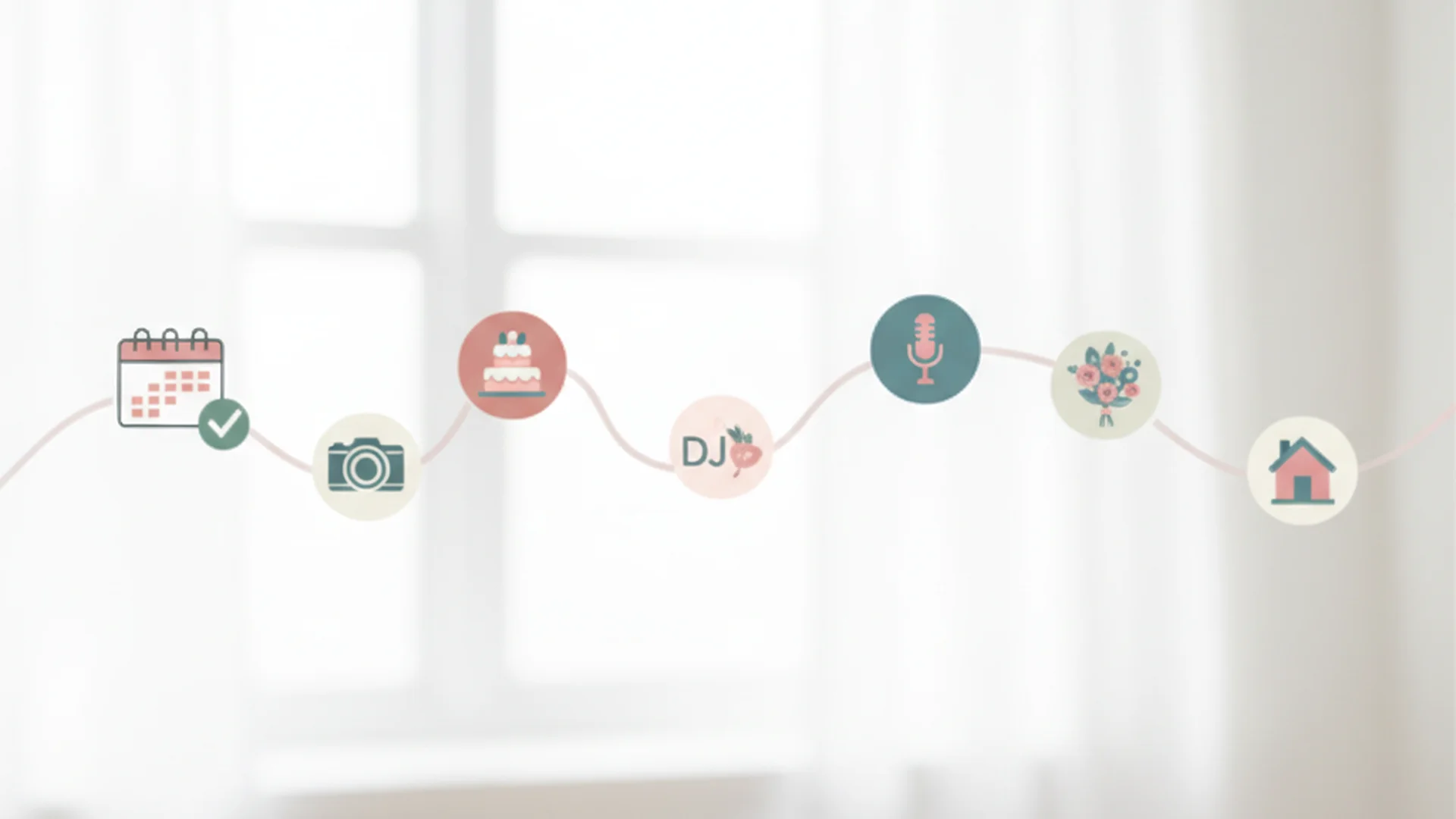
- Secure your venue and planner at least 12–18 months in advance.
- Economic shifts mean most couples are adjusting their vendor budgets.
- New vendor categories like 'Wedding Content Creators' are essential for 2026.
Getting engaged is one of the most exhilarating milestones in a person's life, but it is quickly followed by the realization that there are dozens of moving parts to coordinate. For couples planning their nuptials in the upcoming seasons, establishing a clear Wedding Vendor Booking Timeline is the most effective way to reduce stress and ensure you secure your first-choice professionals. With the average engagement length now stretching to 15 or 16 months, the "early bird" approach isn't just a suggestion—it is a necessity to navigate the competitive landscape of the 2025-2026 wedding seasons.
Understanding the New Landscape of Wedding Planning
The 2025 and 2026 wedding seasons are shaping up to be unique. We are seeing a significant shift in how couples approach their "Big Day." A growing number of couples are now extending their engagements to 19 months or longer. This isn't just to save money; it is a strategic move to secure top-tier venues and artists who are booking out further than ever before.
Furthermore, the "auspicious" date count—those highly coveted Saturday dates with repeating numbers or seasonal appeal—is noticeably smaller in 2026 than in previous years. This means competition for specific weekends will be fiercer than ever. If you have your heart set on a particular month, your Wedding Vendor Booking Timeline needs to start the moment the ring is on your finger.
Tip
Phase 1: The Foundation (12–18+ Months Out)
This phase is about securing the "big three": your planner, your venue, and your visual historians. Without these, you don't have a wedding date; you simply have an idea.
The Wedding Planner
If you are someone who feels overwhelmed by logistics, a planner should be your very first hire. For the 2025-2026 season, planners are acting as more than just coordinators; they are budget advocates. With most couples reporting that the economy has influenced their choices, a planner can help you navigate rising costs and find "sustainable" alternatives.
The Venue
The venue dictates everything from your aesthetic to your guest count. Popular venues for 2026 are already seeing inquiries 24 months in advance. Many couples are moving away from traditional ballrooms and toward "immersive" spaces like old factories, libraries, or museums. These spaces provide built-in atmosphere but often require more logistical footwork, which is why they must be booked early.
Photographer and Videographer
Unlike a catering company that can handle multiple events in a weekend, a high-demand photographer or videographer can typically only work one wedding per day. Their calendars fill up the fastest. In 2025-2026, couples are prioritizing "editorial" and "candid" styles over traditional posed photography.
Heads up
Phase 2: The Core Team (9–12 Months Out)
Once your date is locked in with a venue, it is time to build the team that will handle the "sensory" experience of your wedding: the food, the flowers, and the music.
The Caterer
If your venue is "off-premise" (meaning they don't provide their own food), this is your most critical Phase 2 hire. For 2025-2026, we are seeing a trend toward "intentional" dining—smaller guest lists (averaging 88 guests) with higher-quality, locally sourced menus.
The Florist and Event Designer
Floral trends are moving toward "immersive landscapes"—think floor-to-ceiling installations and "growing" aisles. These designs require significant labor and sourcing time. If you want a specific floral look, you need to get on a florist's calendar at least 10 months out.
Entertainment
Bands and popular DJs are often booked a year in advance. With the rise of "micro-weddings" and "intentional" celebrations, many couples are opting for specialized live performers, such as acoustic duos for cocktail hour followed by a high-energy DJ.
Wedding Attire
This is a detail that often surprises couples. A wedding dress can take 6 to 9 months for production, and you must factor in an additional 2 months for alterations. If you are looking for a custom gown or a specific designer for 2026, start shopping now.
Note
Phase 3: The Details (6–9 Months Out)
By this stage, the "bones" of your wedding are built. Now, you are focusing on the guest experience and your personal preparation.
Hair and Makeup Artists (HMUA)
Top artists for peak wedding months (May, June, September, and October) fill up incredibly fast. Because HMUAs often work with entire bridal parties, their time is limited. Secure your trial and booking by the 9-month mark to ensure your preferred artist is available.
Stationery and Save the Dates
To ensure your guests can clear their schedules—especially for Friday or Sunday weddings, which are growing in popularity—Save the Dates should be mailed 6 to 8 months before the wedding. This means your stationery designer needs to be hired and working by the 9-month mark.
Hotel Room Blocks
With the reduction in auspicious Saturday dates in 2026, many weddings will cluster on the same weekends. Securing a block of rooms for your guests is crucial to ensure they have an affordable place to stay near your venue.
| Vendor Type | Booking Window | Priority Level |
|---|---|---|
| Venue | 12-18 Months | Critical |
| Photographer | 12-18 Months | High |
| Florist | 9-12 Months | Medium |
| Officiant | 3-6 Months | Essential |
| Content Creator | 3-6 Months | New Trend |
From the OurVows workspace
Managing your vendors?
Contacts, contracts, booking status, and payment schedules — organized in one place.
Phase 4: The Finishing Touches (3–6 Months Out)
As the wedding approaches, you will fill in the remaining gaps. This is also the time when you focus on the heart of the day: the ceremony itself.
The Wedding Officiant
As an interfaith wedding officiant, I often see couples wait too long to book their officiant. While the "legal" part is simple, the "ceremony design" part takes time. Booking 3 to 6 months out allows you to begin marriage preparation or work on a personalized script that reflects your unique relationship.
Transportation
Whether you need shuttles for guests or a vintage getaway car for yourselves, these logistics should be finalized around the 4-month mark.
The "New" Vendor: Wedding Content Creator
A brand-new category for 2025-2026 is the Wedding Content Creator. These professionals capture behind-the-scenes iPhone footage specifically for TikTok and Reels. They don't replace your photographer; they supplement them by providing "instant" social media content. Because this is a burgeoning field, the best creators are booking up fast.
Do this
Trends and Innovations in 2025-2026
Planning a wedding today is different than it was even five years ago. Technology and cultural shifts have changed the timeline and the priorities.
The Rise of AI in Planning
A growing share of 2026 couples are using AI tools for initial research. AI can help you generate mood boards, manage guest lists, and even draft initial inquiries to vendors. This can save dozens of hours in the early stages of your Wedding Vendor Booking Timeline.
Weekday and Sustainable Weddings
To combat rising costs and limited Saturday availability, Friday and Sunday weddings have become increasingly common. Additionally, the "Eco-Conscious" movement is huge for 2026. Couples are looking for zero-waste caterers and florists who use local, seasonal blooms rather than imported flowers.
Intentionality Over Tradition
The average guest count has shrunk to approximately 88 guests. Couples are choosing to spend more per head on a smaller group rather than trying to host 200 people on a budget. This "intentionality" allows for more creative vendor choices, such as high-end tasting menus or custom-designed ceremony spaces.
Tip
Common Mistakes to Avoid
Even with a timeline, it is easy to trip over common wedding planning hurdles. Here are a few mistakes I see frequently in the 2025-2026 season:
- Booking Out of Order: Never book your florist or rental company before you have a venue. You need to know the venue's capacity, aesthetic, and existing inventory (like tables and chairs) before you spend money on décor.
- The DIY Trap: Many couples think DIY-ing their florals or catering will save money. In reality, the high cost of retail supplies and the stress of "day-of" coordination often make DIY more expensive and exhausting than hiring a professional for "day-of" or "month-of" services.
- Waiting for a Final Guest Count to Book Catering: You do not need a final number to book. You just need an estimate. If you wait until RSVPs come in (usually 4 weeks before the wedding), your favorite caterer will already be booked.
- Skimming the "Force Majeure" Clause: Post-pandemic, vendors have significantly updated their cancellation and rescheduling policies. Always read the fine print regarding deposits and date changes.
Heads up
Frequently asked questions
Can I book my photographer before my venue?
How early is "too early" to book a vendor?
What if I am planning a wedding in 6 months or less?
Do I really need a "Wedding Content Creator"?
How has the economy changed vendor booking?
Conclusion
Navigating the Wedding Vendor Booking Timeline is a marathon, not a sprint. By breaking the process into manageable phases—starting with the foundation of your venue and planner and moving through to the personalized details of your ceremony and social media content—you can ensure a seamless journey to the altar. Remember that 2026 is a competitive year for dates, so being decisive and organized is your greatest asset.
Do this
Ready when you are
Ready to Start?
Use our free calculator to see how to allocate your budget across your vendor team.
Ready when you are
Plan your wedding without the chaos.
Free forever for couples just getting started. Two minutes to set up. No credit card.
Keep reading

Wedding Vendor Comparison Template: The Ultimate 2025-2026 Guide
Master your wedding planning with our Wedding Vendor Comparison Template. Compare pricing, services, and vibes to make confident decisions for your 2025-2026 wedding.

The Ultimate Guide to Wedding Vendor Meal Planning
Master wedding vendor meal planning with our expert guide. Learn costs, timing rules, and 2025 trends to keep your wedding team energized and professional.
Mastering Your Wedding Vendor Package Comparison: A 2025-2026 Guide
Learn how to navigate a wedding vendor package comparison with expert tips on budgeting, hidden fees, and regional price variations for 2025-2026.