Local vs Destination Wedding Vendors: The Ultimate Guide for 2025–2026
Navigate the choice between local vs destination wedding vendors with our guide on costs, hybrid models, and latest 2026 trends for your big day.
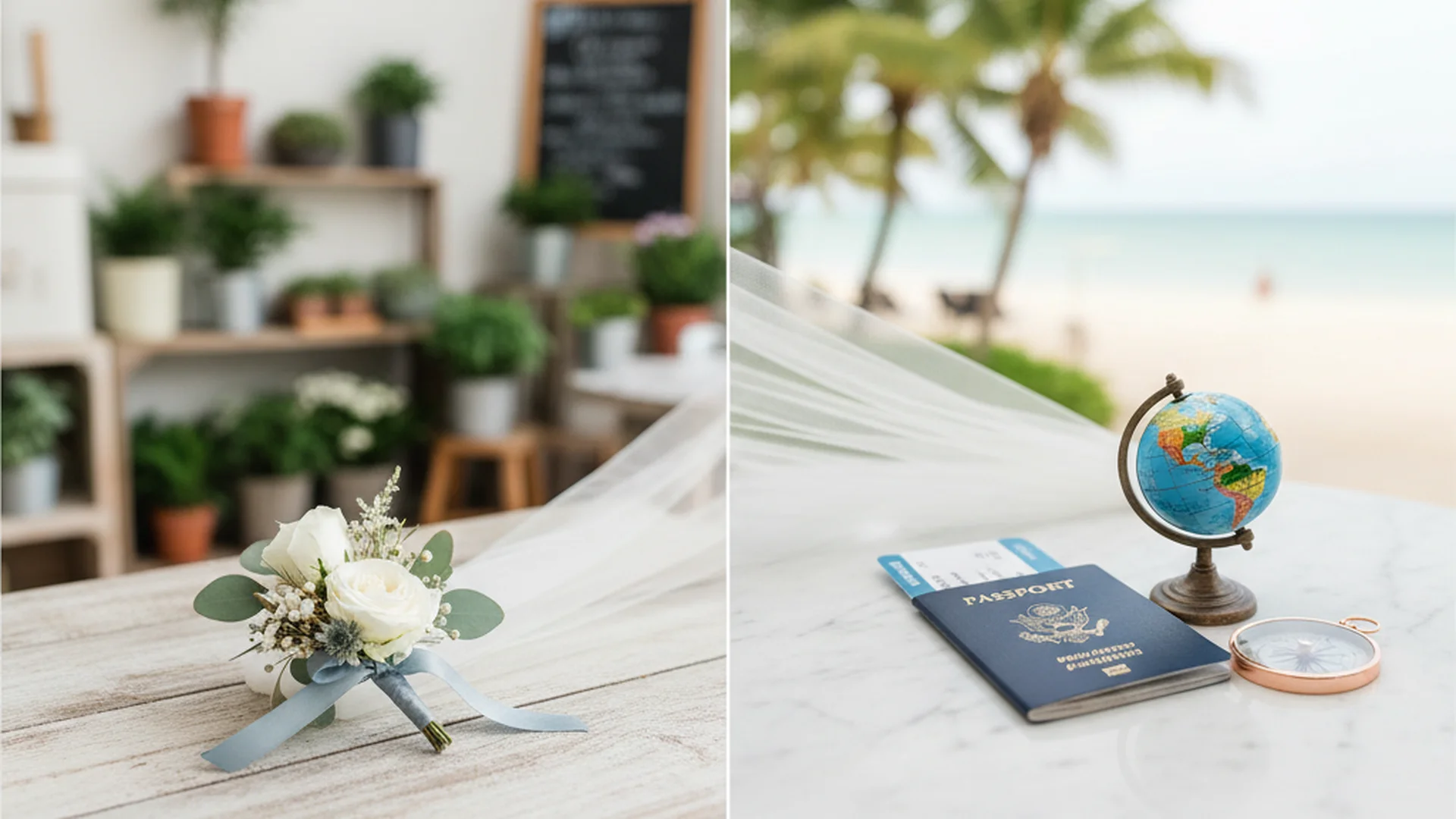
- Flying in a "dream" vendor adds $1,000–$5,000+ in travel fees.
- A hybrid model (local planners/caterers + flown-in photographers) is the most popular 2026 trend.
- Sustainability and "slow weddings" are driving couples toward local sourcing.
Planning a wedding is a journey of a thousand decisions, but few carry as much weight—both financially and logistically—as the debate between local vs destination wedding vendors. When you decide to tie the knot in a location far from home, you are immediately faced with a crossroads: do you trust the talent available in that specific region, or do you pay a premium to fly in the experts you already know and love? As a relationship counselor, I often see couples navigate the stress of these choices, and the key to a harmonious planning process is understanding the nuances of each option before the contracts are signed.
In 2025 and 2026, the landscape of destination weddings has shifted. It is no longer a choice of one or the other; instead, it has become an exercise in strategic curation. Whether you are dreaming of a cliffside ceremony in Santorini or a boutique villa wedding in Mexico, finding the right balance between local expertise and imported talent is essential for your peace of mind and your budget.
The Financial Breakdown: Understanding the "Fly-In" Premium
The first and most obvious factor in the local vs destination wedding vendor debate is the cost. While a local vendor in your destination may charge a premium if they are in a high-demand hub like Lake Como, they rarely require the extensive travel coverage that an "imported" vendor does.
When you fly in a vendor, you aren't just paying for their service; you are paying for their journey. On average, flying in a photographer, videographer, or planner adds anywhere from $1,000 to over $5,000 to their base package. These costs typically include:
- Round-trip airfare and baggage fees (especially high for photographers with heavy gear).
- 2–3 nights of local accommodation.
- Daily per diems (stipends for meals and local transport).
- Potential "out-of-office" fees for travel days.
Note
If you are working with a strict budget, such as a $20000 Wedding Budget, hiring local vendors is almost always the more sustainable path. However, for many high-end couples, the "peace of mind" that comes with a specific artistic style is worth the travel premium.
The Hybrid Model: Who to Hire Locally and Who to Bring
In 2025–2026, the most successful weddings utilize a hybrid model. This approach prioritizes local talent for logistical essentials while bringing in specialists for the "creative legacy" items.
The Local Essentials (Hire Local)
The vast majority of couples hire local caterers and florists. The reasons are both practical and environmental. It is logistically impossible to import fresh food or bulk flowers without astronomical costs and significant waste. Furthermore, local caterers have established relationships with venue managers, ensuring they know exactly how the kitchen operates and where the power breakers are located.
The Creative Specialists (Consider Flying In)
Many high-end destination couples bring their own photographer or videographer. These are the vendors responsible for how you remember your wedding for the next fifty years. If you have a specific "dark and moody" or "fine art film" aesthetic that isn't prevalent in your destination, flying in a pro ensures you aren't settling for a style you don't love.
Similarly, many couples use a "home-base" planner or an international specialist. Having someone who speaks your language fluently and understands your cultural expectations can bridge the gap when dealing with local venue staff who may have a different "tempo" of communication.
Tip
Logistics, Climate, and Local Expertise
A common misconception in the local vs destination wedding vendor debate is that local vendors are "lesser" than those in major metropolitan cities. In reality, local pros in destination hubs are often more skilled at handling their specific environment than an outsider.
Consider the "Cabo-proof" foundation. A makeup artist based in Cabo San Lucas understands exactly how the 90% humidity and salt air will interact with skin and products. A "fly-in" artist from a dry climate like Utah might use products that melt off within an hour of the ceremony.
| Vendor Type | Why Local Wins | Why Fly-In Wins |
|---|---|---|
| Planner | Venue relationships, permits, language | Aligned communication, cultural shorthand |
| HMUA | Humidity/heat expertise | Consistent "trial" availability at home |
| Caterer | Freshness, equipment, local laws | Private chef "bespoke" experiences |
| Photo | Knowledge of "hidden" photo spots | Guaranteed artistic style/editing |
Heads up
Real-World Examples: Strategic Decisions in Action
To better understand how these choices play out, let’s look at three common scenarios couples face in the 2025–2026 season.
Example 1: The "Legacy" Photographer in Tuscany
Sarah and James chose a vineyard in Tuscany. While the venue offered a local photographer, Sarah had followed a specific UK-based photographer for years. They decided to pay the $2,500 travel premium to fly her in. To offset this, they used the venue's recommended local florist and caterer, saving on rental shipping fees. The result? A perfectly captured "creative legacy" with zero logistical headaches on the food and decor front.
Example 2: The Local Expert in Mexico
A couple planning a wedding in Tulum realized that "jungle logistics" were more complex than they anticipated. They initially wanted to bring a US-based planner, but after realizing the US planner didn't know the local permit requirements for beach noise, they switched to a Tulum-based planner. This local expert was able to secure a permit that a foreigner wouldn't have known existed, saving the party from being shut down at 10:00 PM.
Example 3: The Traveling Private Chef
For a "Micro-Destination" wedding of 15 people in a private villa in Provence, the couple decided to fly in a private chef they had used for family events. Since the group was small, the cost of the chef's flight and lodging was comparable to hiring a high-end local catering company that required a "minimum guest count" they didn't meet. This is a classic example of when flying someone in actually makes financial sense.
From the OurVows workspace
Managing your vendors?
Contacts, contracts, booking status, and payment schedules — organized in one place.
2026 Trends: Sustainability and Multi-Day Experiences
The "Slow Wedding" trend is dominating 2026. Couples are moving away from the "one-day-and-done" model, opting instead for 3–4 day shared vacations. This shift has major implications for the local vs destination wedding vendor debate.
- Content Packages: If you fly in a photographer, you now need them for the welcome dinner, the rehearsal, and the "day-after" brunch. Ensure your travel contracts include these multi-day "content" sessions.
- Eco-Manifestos: Sustainability is no longer optional. Local sourcing is the #1 way to hit eco-goals. Hiring a local florist who uses seasonal, regional blooms significantly reduces the carbon footprint of your event compared to flying in peonies from Holland.
- Digital-First Documentation: To reduce the weight of destination logistics, a growing number of 2026 couples are using exclusively digital invitations and QR-code-based programs. This removes the need for local "on-day" stationery vendors or the risk of losing paper goods in transit.
Do this
Common Mistakes to Avoid
Even the most organized couples can fall into traps when navigating the local vs destination wedding vendor landscape. Here are the most frequent errors reported by experts:
- Hiring Based on Instagram Only: A beautiful feed doesn't mean a vendor knows how to navigate a remote cliffside or manage a language barrier. Always ask for a full gallery of a past destination wedding they have handled from start to finish.
- The "One-Day" Buffer Mistake: For flown-in vendors, flight delays can be catastrophic. Expert vendors build in a "buffer day," arriving at least 48 hours before the event. If your vendor plans to land the night before, you are at the mercy of the airlines.
- Ignoring Legal Nuances: A local vendor knows the difference between a "symbolic" and "legal" ceremony in their country. Flown-in vendors often lack this knowledge, which can lead to paperwork nightmares or your marriage not being legally recognized.
- Skipping the Trial Trip: Experts recommend a planning trip 6–9 months out. Use this time for a hair and makeup trial with a local artist. If they can’t execute your vision, you still have time to pivot to a travel vendor.
Tip
Frequently asked questions
Is it cheaper to hire a local vendor or fly someone in?
Do I have to pay for my vendor’s meals and hotel?
Can local vendors handle my specific style?
What happens if my flown-in vendor’s flight is delayed or canceled?
How do I manage communication with local vendors in a different time zone?
Conclusion: Priorities First
The choice between local vs destination wedding vendors ultimately comes down to your personal priorities and the specific demands of your location. If your primary goal is a seamless, stress-free logistical flow that respects the local environment, leaning heavily on local talent is the way to go. If your heart is set on a specific creative vision that requires a specialist's touch, the "fly-in" premium is a worthwhile investment in your memories.
Before you sign any contracts, sit down with your partner and decide which three categories matter most to you. Invest your "travel budget" there, and trust the local experts for the rest. By taking this balanced approach, you ensure that your wedding is not only beautiful but also a respectful and integrated celebration of the destination you've chosen.
Do this
Ready when you are
Ready to Start?
Organize your vendor search and keep your planning on track today.
Ready when you are
Plan your wedding without the chaos.
Free forever for couples just getting started. Two minutes to set up. No credit card.
Keep reading

Wedding Vendor Comparison Template: The Ultimate 2025-2026 Guide
Master your wedding planning with our Wedding Vendor Comparison Template. Compare pricing, services, and vibes to make confident decisions for your 2025-2026 wedding.

The Ultimate Guide to Wedding Vendor Meal Planning
Master wedding vendor meal planning with our expert guide. Learn costs, timing rules, and 2025 trends to keep your wedding team energized and professional.

Mastering Your Wedding Vendor Package Comparison: A 2025-2026 Guide
Learn how to navigate a wedding vendor package comparison with expert tips on budgeting, hidden fees, and regional price variations for 2025-2026.