The Ultimate Guide to Wedding Veil Styles: 2025-2026 Trends
Explore the latest wedding veil styles for 2025-2026. From Bridgerton-inspired cathedral veils to modern capes, find the perfect match for your bridal look.
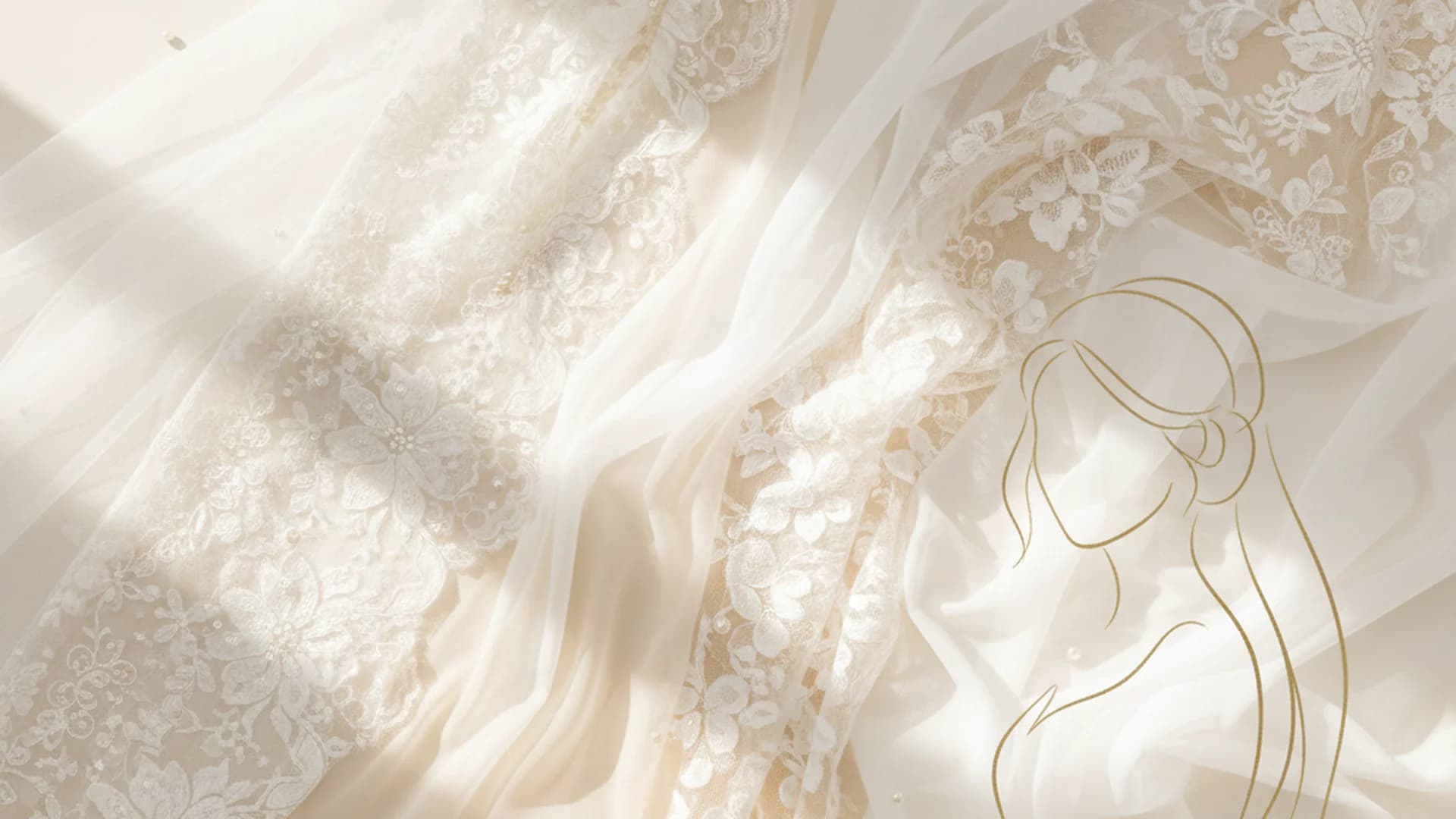
- Statement veils have doubled in popularity for the 2025-2026 seasons.
- Match your veil length to your dress train; it should be 6-12 inches longer for a seamless flow.
- Personalization through 'love letter' embroidery and 3D floral motifs is a top modern trend.
Choosing your wedding veil styles is a bit like choosing the right frame for a masterpiece painting—except the masterpiece is you, and the frame is several yards of expensive, ethereal tulle that has a mind of its own in a light breeze. As we look toward the 2025 and 2026 wedding seasons, the veil is no longer just a traditional afterthought; it has become the ultimate fashion exclamation point.
Whether you are dreaming of a dramatic "Bridgerton-style" entrance or a sleek, modern "cape" veil that says "I’m here to marry the love of my life and then possibly fight crime," the options have never been more diverse. In this guide, we will navigate the tulle-filled waters of lengths, fabrics, and trends to ensure you don’t end up looking like you’re wearing a very fancy mosquito net.
The "Bridgerton" Effect and the Rise of Drama
The 2026 Hitched Trend Report has confirmed what we’ve suspected: statement styles in wedding accessories have officially doubled in popularity. This is largely thanks to the "Bridgerton" effect. Regency-inspired weddings have seen a massive 191% surge in interest, bringing back the high-drama cathedral veil with a vengeance.
In the past, many brides opted for "less is more." Today, the motto is "more is more, and then add some lace." This trend pairs perfectly with the rise of Basque-waist dresses, which have seen a 333% increase in interest. These structured, waist-defining gowns require specific veil lengths to ensure the silhouette isn't obscured, often leading brides toward either very short or very long options.
Tip
Navigating Wedding Veil Lengths
The most common question I hear is, "How long is too long?" The answer depends entirely on your dress, your venue, and your tolerance for people accidentally stepping on you.
| Veil Type | Average Length | Best Suited For |
|---|---|---|
| Birdcage | 4–9 inches | Vintage, retro, or modern chic looks |
| Shoulder | 20–22 inches | Detailed back designs or casual ceremonies |
| Elbow | 25 inches | Minimalist gowns or ballgowns |
| Fingertip | 38–40 inches | Almost any dress style (the "Universal" length) |
| Chapel | 90 inches | Formal ceremonies without a long train |
| Cathedral | 108–120+ inches | Dramatic aisles and grand ballrooms |
Short and Chic: Birdcage to Fingertip
For the bride who wants to dance without a six-foot tail, shorter wedding veil styles are a godsend. The Birdcage veil is a fashion-forward choice for those who want a "vintage glamour" aesthetic. Meanwhile, the Fingertip veil remains the most popular choice globally because it provides the classic bridal silhouette without the weight of a cathedral style.
Long and Regal: Chapel to Cathedral
If you have a long aisle to walk down, a Chapel or Cathedral veil is non-negotiable. These styles provide that iconic "floating" look in photographs. However, a crucial rule of thumb: your veil should be at least 6–12 inches longer than your dress train to create a seamless flow.
Heads up
2025–2026 Style Trends: The New Era of Accessories
The next two years are all about texture and personalization. We are moving away from the flat, two-dimensional lace of the 2010s and into an era of tactile beauty.
1. Personalization & "Love Letters"
The top trend for 2026 is custom embroidery. Brides are increasingly asking for initials, wedding dates, or even meaningful quotes to be stitched into the hem of the veil. It turns the accessory into a family heirloom.
2. 3D Floral & Botanical Motifs
Texture is king. 2025 sees a rise in 3D "blooming" veils. Instead of simple lace, these veils feature fabric petals that stand off the tulle, adding depth and a "secret garden" vibe. This is an excellent choice if you are looking for Beach Wedding Hair Ideas that incorporate floral elements.
3. The "Scarf" and "Cape" Veil
For the modern bride who hates the idea of a comb digging into her scalp, the detachable cape veil is a game-changer. These attach at the shoulders, allowing the dress to be the focal point from the front while providing all the drama of a veil from the back.
4. Pearl Core
The scattering of pearls across sheer tulle remains a staple. It offers a "vintage glamour" look that fits both modern satin slips and traditional lace gowns. It is the perfect middle ground for a bride who wants detail without the heaviness of embroidery.
Do this
Matching the Veil to Your Dress
The most important rule in bridal styling is the "Opposites" Rule.
- Heavily Embellished Gown: If your dress is a masterpiece of lace, 3D flowers, and beading, choose a simple, sheer veil. You don't want the veil to fight the dress for attention.
- Minimalist Gown: If you are wearing a clean satin or crepe gown, you can afford a more dramatic, ornate veil. This is where you can go wild with lace borders or heavy pearl work.
Note
For more advice on balancing your look, check out our Wedding Hair with Veil guide to see how different hairstyles interact with these fabrics.
From the OurVows workspace
Planning a wedding is a lot. We make it feel like less.
Checklist, budget, guest list, and a wedding website — together in one free workspace built for both of you.
Real-World Examples of Veil Styling
To help you visualize these wedding veil styles, let’s look at three distinct bridal aesthetics:
- The Romantic Garden Bride: This bride wears a soft A-line gown with 3D floral appliqués. She chooses a Floor-length veil with matching 3D petals scattered at the bottom. It blends seamlessly into the grass during an outdoor ceremony.
- The High-Fashion Minimalist: Wearing a sleek, square-neck crepe gown, she opts for a Pearl-scattered Cathedral veil. The contrast between the clean lines of the dress and the textured veil creates a sophisticated, editorial look.
- The Regency Revivalist: Taking a cue from "Bridgerton," this bride wears a Basque-waist lace gown. She pairs it with a dramatic 120-inch Cathedral veil with a heavy lace mantilla border. The result is pure, unadulterated drama.
Common Mistakes to Avoid
Even the most fashion-savvy brides can fall into these common traps when selecting their veil.
Buying the Veil Before the Dress
This is the cardinal sin of bridal shopping. The dress silhouette, fabric, and specific shade of white are the primary factors in choosing a veil. Buying out of order often leads to clashing styles or mismatched whites.
Skipping the "Veil Trial"
Brides often forget to bring their veil to their Bridal Hair Trial Tips session. The placement of the veil—whether it sits high on the crown, tucked under a bun, or draped over the top—completely changes how the fabric drapes and how much of your face is visible.
Assuming All "Ivory" is Equal
Every designer has a different definition of ivory. One designer's ivory is another's cream, and another's "basically white but we wanted to sound fancy." Always request a fabric swatch of your dress to compare against the veil in natural light.
Heads up
Frequently asked questions
How do I choose the right length for my dress?
Can I wear a veil with short hair?
Who lifts the blusher and when?
When should I take the veil off?
How much should I expect to spend on a veil?
Final Thoughts on Wedding Veil Styles
Your veil is the one accessory you will likely never wear again (unless you have a very specific type of grocery shopping outfit in mind), so make it count. Whether you go for the 3D floral explosion or a classic fingertip length, ensure it reflects your personal style and complements your gown.
Remember to factor the veil into your Wedding Beauty Timeline to ensure it arrives in time for your final fittings and hair trials. With the right length, the right fabric, and a few strategically placed bobby pins, you’ll be ready to make an entrance that no one will forget.
Do this
Ready when you are
Ready to Style Your Look?
Check out our interactive tools to plan your perfect bridal aesthetic.
Ready when you are
Plan your wedding without the chaos.
Free forever for couples just getting started. Two minutes to set up. No credit card.
Keep reading
The Ultimate Guide to Romantic Wedding Hair for 2025–2026
Discover the top romantic wedding hair trends for 2025, including Old Money waves and modern updos. Learn expert tips for healthy, sophisticated bridal hair.
The Ultimate Guide to Wedding Day Hair Tips: 2025-2026 Edition
Discover professional wedding day hair tips for 2025-2026. From "quiet luxury" trends to scheduling and trial advice, get the flawless bridal look you deserve.
The Ultimate Bridal Manicure Guide: 2025 Trends, Timelines, and Expert Tips
Discover the essential bridal manicure guide for 2025. Learn about the latest trends, the perfect prep timeline, and expert tips for picture-perfect wedding hands.