The Art of Wedding Hair with Veil: Trends and Coordination for 2025-2026
Master the perfect wedding hair with veil. Explore 2025 trends, expert anchoring tips for every hair type, and how to avoid common bridal styling mistakes.
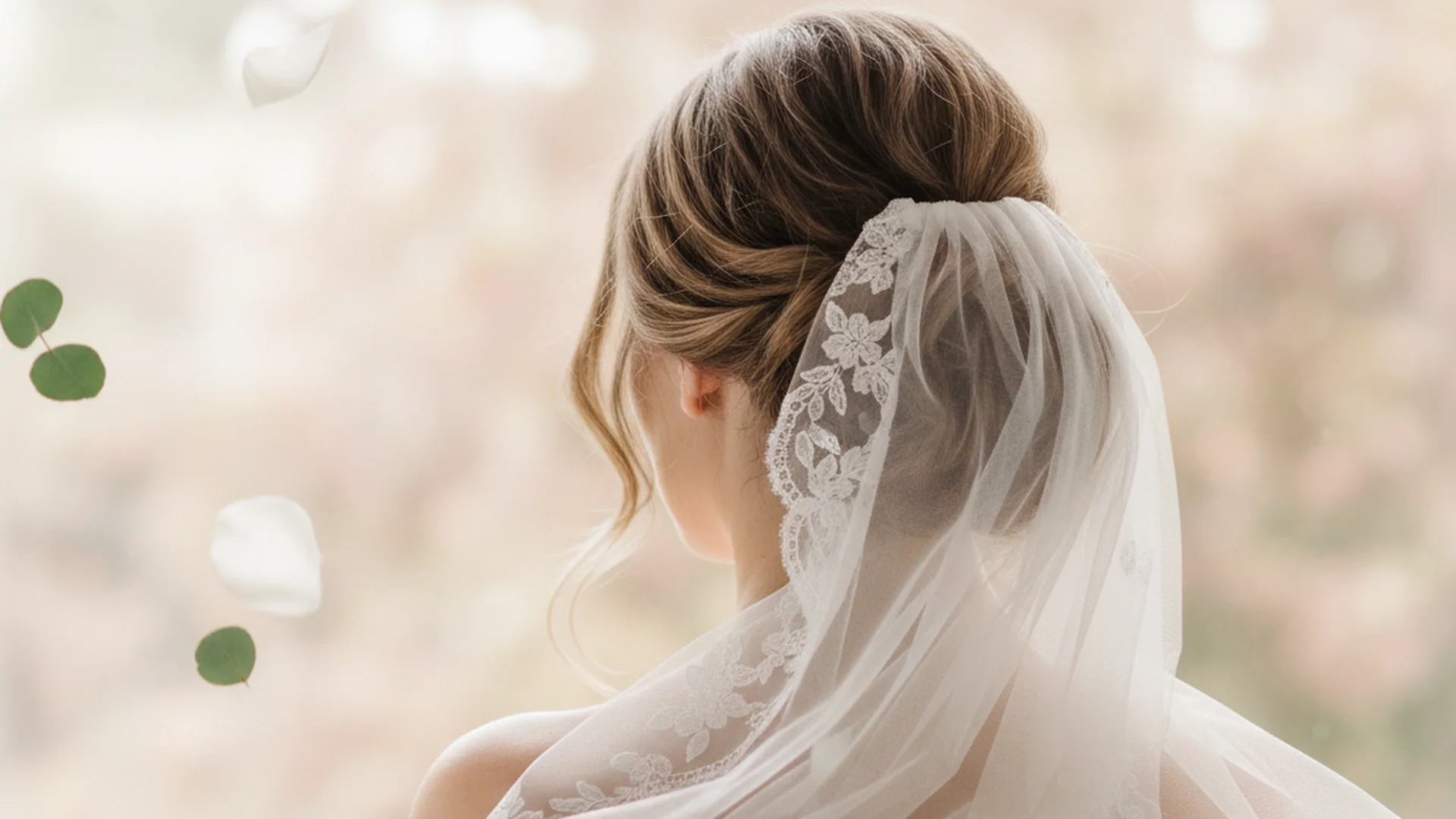
- Always choose your hairstyle before finalizing your veil to ensure structural support.
- Metal combs are superior to plastic for security and ease of removal.
- Coordinate your veil's color (Ivory vs. White) strictly with your dress to avoid visual clashing.
For many brides, the moment they place a veil over their hair is the moment they truly "feel" like a bride. However, achieving the perfect look for your wedding hair with veil is a complex balancing act between aesthetics and engineering. Whether you are dreaming of a dramatic cathedral entrance or a modern, minimalist blusher, your hairstyle serves as the literal foundation for your entire bridal ensemble.
As an officiant, I have seen firsthand the importance of a secure veil. From windy outdoor ceremonies where a veil nearly takes flight to the emotional "lifting of the veil" during the vows, your hair must be prepared for both the weight of the fabric and the mechanics of the ceremony. In 2025, we are seeing a fascinating shift toward statement accessories, making the coordination between your locks and your lace more critical than ever.
The Foundation: Hairstyle or Veil First?
One of the most common questions brides ask during their Bridal Beauty Timeline is whether they should purchase their veil or decide on a hairstyle first. While the veil is a major fashion statement, expert stylists and ceremony designers agree: Choose the hairstyle first.
Your hair is what you will be wearing for 100% of the day, while the veil is typically removed after the ceremony or photos. If you choose a heavy, three-tier cathedral veil but have your heart set on fine, wispy curls, you may find your hair flattened before the cocktail hour even begins.
Tip
Anchoring the Look
The secret to a successful wedding hair with veil combination is the "anchor point." For updo styles, this is naturally created by the structure of the bun or chignon. However, if you are looking for wedding hairstyles for long hair that involve wearing your hair down, you must create an artificial anchor.
Stylists often recommend creating a small, hidden horizontal braid at the crown of the head. This gives the veil’s comb something solid to grip onto, preventing it from sliding down during your walk down the aisle.
2025–2026 Trends in Wedding Hair and Veils
The upcoming bridal seasons are defined by a mix of Regency-era nostalgia and bold, architectural modernism. If you are looking for fresh wedding hair ideas, these four trends are currently dominating the industry.
1. The "Bridgerton" Revival
High-volume updos are back in a major way. Inspired by the Regencycore aesthetic, these styles involve intricate curls piled high on the head, often paired with lace-edged mantilla veils. This trend has seen a 191% surge in interest recently. To pull this off, the veil is usually placed at the very back of the "pile" to allow the height of the hair to remain visible from the front.
2. Soft Glam & Lived-in Waves
The "Clean Girl" aesthetic of previous years has evolved into "Soft Glam." Think polished, uniform Hollywood waves that appear effortless but are actually highly structured with professional-grade setting sprays. This style is perfect for a "drop veil" that drapes over the head without a comb, creating an ethereal, cloud-like silhouette.
3. Architectural and Sculptural Veils
Moving away from traditional soft tulle, 2026 is welcoming "sculptural" veils. These are made of pleated tulle, crinkled organza, or asymmetric tiers. Because these materials are heavier and stiffer, they require a very secure wedding updo ideas to act as a counterweight.
4. Personalized "Storytelling" Veils
More brides are opting for veils that feature embroidered wedding dates, family crests, or meaningful quotes. When the veil is this detailed, the hair should remain relatively simple—perhaps a sleek, low chignon—to avoid competing with the embroidery.
Do this
Matching Hairstyle to Veil Length
Not every hairstyle works with every veil length. Use the table below to find the best pairing for your desired silhouette.
| Veil Length | Best Hairstyle Match | Attachment Point |
|---|---|---|
| Blusher/Birdcage | Side-parted Bob or Pixie | Side of the head |
| Elbow/Shoulder | Half-up, Half-down | The crown |
| Fingertip | Classic Low Bun | Top of the bun |
| Cathedral | High Updo or Sleek Chignon | Above or tucked under bun |
| Mantilla | Loose, Romantic Waves | Top of the head (draped) |
The Low Bun/Chignon Versatility
The low bun is perhaps the most versatile choice for wedding hair with veil. You have two primary placement options:
- Above the Bun: This is the traditional approach. It provides height and allows the veil to frame your face.
- Underneath the Bun: This is a modern, "unexpected" aesthetic. It keeps the focus on the intricacy of your updo while still providing the drama of a trailing veil.
Note
From the OurVows workspace
Planning a wedding is a lot. We make it feel like less.
Checklist, budget, guest list, and a wedding website — together in one free workspace built for both of you.
Technical Tips for Security and Comfort
No bride wants to be adjusting her headpiece during the vows. Follow these professional tips to ensure your veil stays put from the first look to the final kiss.
Metal vs. Plastic Combs
Always opt for a metal comb over a plastic one. Metal combs are thinner, making them easier to hide within the hair. They are also flexible, allowing your stylist to bend the teeth slightly to follow the curve of your head, providing a much more comfortable fit.
The "X" Marks the Spot
If your veil feels heavy, your stylist should use the "crisscross" bobby pin method. By sliding two bobby pins in an "X" shape through the teeth of the comb once it is in your hair, you create a lock that is nearly impossible to pull out accidentally.
Heads up
Common Mistakes to Avoid
Even the most beautiful wedding hairstyles for short hair can be undermined by poor veil coordination. Avoid these common pitfalls:
- The "White vs. Ivory" Clash: 99% of modern wedding dresses are off-white or ivory. A "pure white" veil can make an ivory dress look yellow or "dirty" in natural light. Always swatch your veil against your dress fabric.
- Visual Chaos: If your dress has a heavily beaded bodice and an intricate lace train, a lace-edged veil may be too much. The rule of thumb: If the dress is the "star," the veil should be the "supporting actor," and vice versa.
- Ignoring the Environment: A cathedral veil at a beach wedding can be a disaster. Wind will turn a long veil into a sail, and sand will snag the delicate tulle. For outdoor or breezy locations, consider a shorter length or a beach wedding hair ideas style that incorporates braids for extra security.
- The DIY Removal: Never try to pull your own veil out. You cannot see the pins, and you will likely crush your hairstyle. Always delegate this task to a bridesmaid.
Frequently asked questions
Should I choose my hairstyle or my veil first?
Can I wear a veil with my hair down?
How do I remove the veil after the ceremony without ruining my hair?
What if my veil is heavier than my hair can handle?
Does a veil work with short hair?
Conclusion
Choosing the right wedding hair with veil combination is about more than just matching lace patterns; it is about creating a cohesive look that lasts. By prioritizing your hairstyle's structure, choosing the right anchor points, and staying mindful of current trends like Soft Glam and Regency volume, you can ensure you look breathtaking from every angle.
Remember to test the "removal process" during your hair trial. Transitioning from the ceremony to the reception should be seamless, leaving you with a perfect hairstyle that is ready for the dance floor.
Do this
Ready when you are
Planning your bridal look?
Use our checklist to stay on track with your beauty goals.
Ready when you are
Plan your wedding without the chaos.
Free forever for couples just getting started. Two minutes to set up. No credit card.
Keep reading
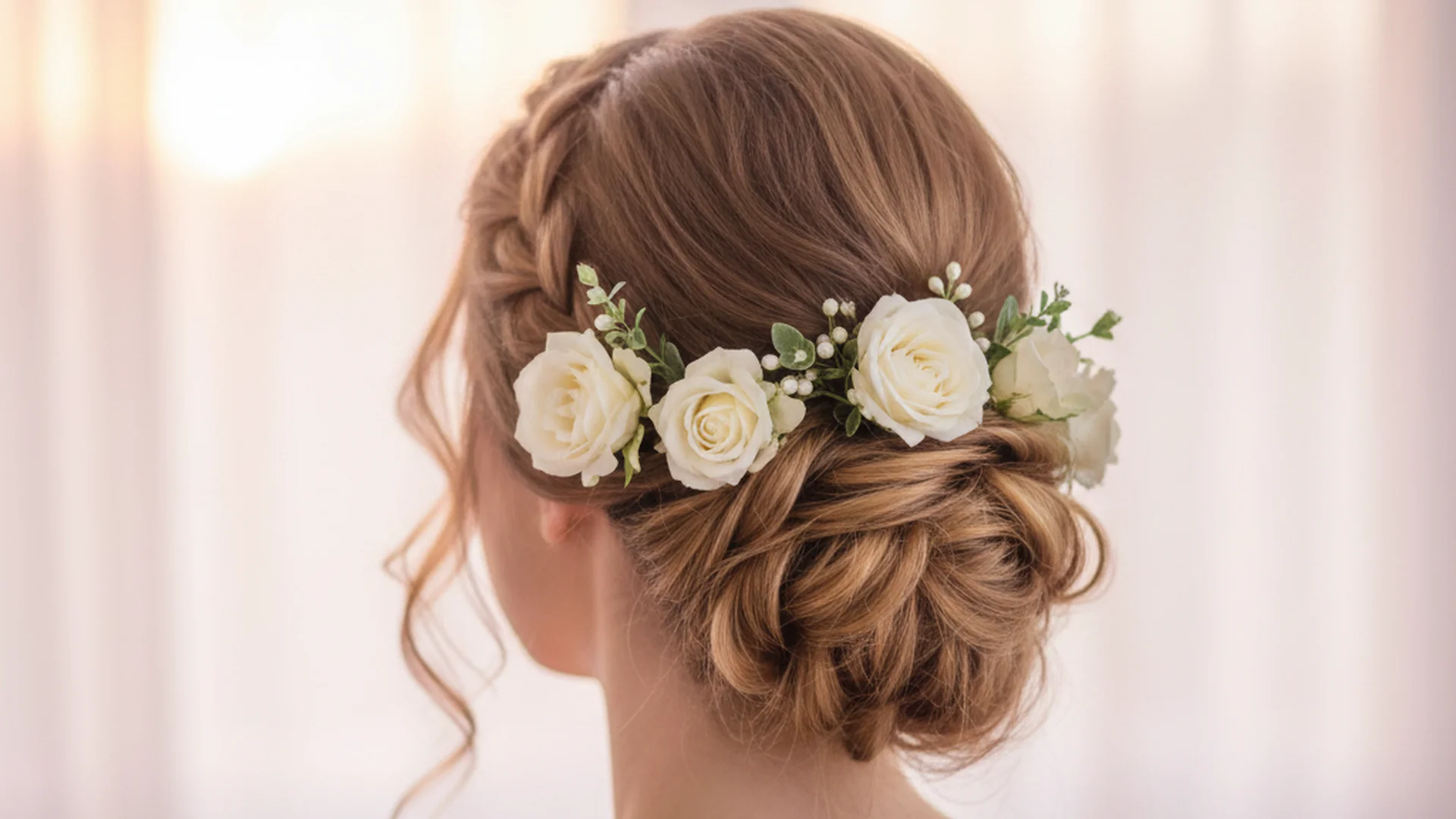
The Ultimate Guide to Romantic Wedding Hair for 2025–2026
Discover the top romantic wedding hair trends for 2025, including Old Money waves and modern updos. Learn expert tips for healthy, sophisticated bridal hair.
The Ultimate Guide to Wedding Day Hair Tips: 2025-2026 Edition
Discover professional wedding day hair tips for 2025-2026. From "quiet luxury" trends to scheduling and trial advice, get the flawless bridal look you deserve.
The Ultimate Bridal Manicure Guide: 2025 Trends, Timelines, and Expert Tips
Discover the essential bridal manicure guide for 2025. Learn about the latest trends, the perfect prep timeline, and expert tips for picture-perfect wedding hands.