25+ Creative Wedding Seating Chart Ideas & Etiquette Guide (2025-2026)
Discover the best wedding seating chart ideas for your 2025-2026 celebration. From interactive displays to high-tech QR codes, plan your reception layout with ease.
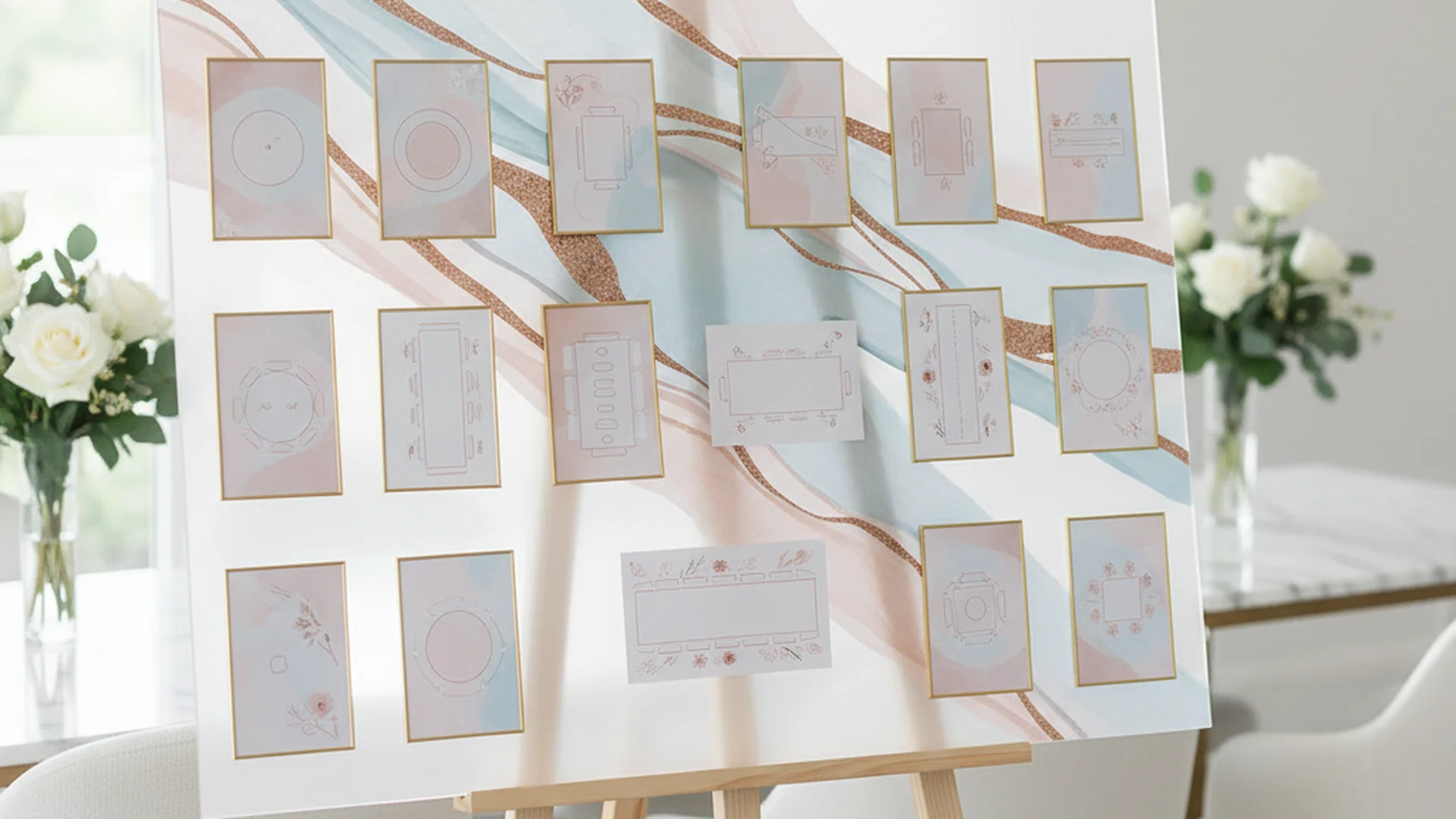
- Modern seating charts are moving toward interactive and experiential art installations.
- Alphabetical order is essential for guest lists over 100 to avoid reception bottlenecks.
- Technology adoption, including AR and QR codes, is a leading trend for 2025 and 2026 weddings.
The transition from a heartfelt ceremony to a high-energy reception is one of the most exciting moments of a wedding day. However, for many couples, the logistics of that transition can be daunting. Exploring unique wedding seating chart ideas is more than just a design exercise; it is about guest comfort and flow. Whether you are planning a grand ballroom gala or an intimate garden gathering, your seating chart serves as the first "welcome" to your reception space.
As an interfaith wedding officiant, I often see the relief on a couple's face when the ceremony concludes, but that relief can quickly turn to stress if the reception entry becomes a bottleneck. With so many couples reporting that seating arrangements are the most stressful part of the process, having a clear, creative, and functional plan is vital for a seamless celebration.
The Foundations of a Great Seating Plan
Before diving into the aesthetics, it is important to understand the terminology and the "why" behind the layout. For any wedding with more than 50 guests, experts agree that a seating chart is a necessity. Without one, guests often experience "musical chairs" anxiety, leading to awkward gaps at tables or families being split up.
Seating Chart vs. Escort Cards vs. Place Cards
Many couples use these terms interchangeably, but they serve different functions:
- Seating Chart: A single, large display (usually a board, mirror, or installation) that lists every guest's name and their assigned table number.
- Escort Cards: Individual cards or objects arranged alphabetically. A guest picks up their specific card, which tells them which table to go to.
- Place Cards: These are found at the actual dining table. They indicate the specific seat where a guest should sit.
Note
2025–2026 Wedding Seating Chart Trends
The upcoming wedding seasons are all about "experiential" design. Couples are moving away from simple paper posters and toward installations that serve as conversation starters.
1. Interactive "Shot & Seat" Displays
One of the most popular trends for 2025 is the "find your seat and take a sip" concept. Guests find their name attached to a glass—be it tequila, chilled espresso, or a signature mocktail. They "toast" to the couple's arrival and head to their table with a drink in hand. This effectively combines the seating chart with the cocktail hour.
2. QR Code Minimalism
For the tech-savvy or eco-conscious couple, QR codes are becoming a staple. A single, beautifully framed sign might feature a QR code that guests scan with their phones. This opens a digital, searchable guest list or an interactive 3D map of the reception hall. These days, most couples are using digital tools to manage these lists.
3. Experiential Art Walls
Imagine a wall covered in artisanal pasta boxes, where your name is calligraphed on a box of penne. Or perhaps a "friendship bracelet wall" where guests find their name on a woven bracelet they can wear for the rest of the night. These installations serve as both a seating guide and a wedding favor.
4. Serpentine and S-Shaped Seating
While round tables remain a classic choice (60-inch rounds are best capped at 8 guests for comfort), the 2026 season is seeing a rise in "serpentine" seating. These long, winding tables create a fluid, artistic floor plan that encourages more natural conversation across the curves of the table.
5. Augmented Reality (AR) Seating
At the high end of the market, some couples are utilizing AR. Guests scan a marker at the reception entrance, and their phone displays a "floating" path on their screen that leads them directly to their specific table in the room.
Tip
Best Practices for a Seamless Entry
No matter how beautiful your wedding seating chart ideas are, they must be functional. A beautiful sign is a failure if it creates a 20-minute line.
The Alphabetical Order Rule
This is the golden rule of wedding planning: Always list names alphabetically by last name. Do not list names by table number. If you have 150 guests and they have to scan through Table 1, Table 2, Table 3, and so on, to find their name, you will create a massive crowd at the entrance. Alphabetical lists allow guests to find their names in seconds.
Strategic Table Placement
When designing your floor plan, consider the following:
- Accessibility: Seat elderly guests or those with mobility issues near the entrance and far from the loud DJ speakers.
- The "Plus-One" Strategy: Always leave 1–2 empty seats at a few tables. This creates a "swing table" to accommodate unexpected changes or last-minute RSVPs.
- Caterer Coordination: If you are doing a formal dinner, use subtle icons on place cards (a small leaf for vegetarian, a fish for seafood) so servers can identify meals without asking guests.
Do this
From the OurVows workspace
Turn this guide into a plan.
A checklist that knows what's next, a shared budget, and a guest list that actually works — free to start.
Real-World Examples of Creative Seating Charts
Example 1: The Coastal Oyster Shell Display
For a Mediterranean or coastal-themed wedding, use cleaned, polished oyster shells. A calligrapher writes the guest's name and table number on the inside of the shell using gold ink. These shells are then nestled into a bed of sand or pinned to a velvet-backed board.
Example 2: The "Message in a Bottle" Wall
At a recent beach wedding I officiated, the couple used small glass vials with cork stoppers. Inside each vial was a rolled-up piece of parchment with the guest's name visible through the glass. Guests "unlocked" their table assignment by pulling out the message.
Example 3: The Vintage Mirror
A timeless and elegant option involves using a large, ornate vintage mirror. A professional calligrapher (or someone with a steady hand and a chalk marker) writes the names directly on the glass. This works perfectly for "Old Hollywood" or "Regency Core" wedding themes.
Heads up
Common Mistakes to Avoid
Even the most organized couples can fall into these common seating traps:
- The "Free-for-All" Fallacy: Some couples think not having a chart feels more relaxed. In reality, it causes high anxiety as guests scramble to find seats with their partners or friends, often leaving single seats open between groups that go unused.
- Forced Networking: Avoid the temptation to "mix people up" so they make new friends. Most guests are happiest when seated with people they already know.
- The Singles Table: Highlighting a guest's single status by putting them all at one table can feel exclusionary. Instead, integrate single guests into tables where they share common interests or know at least one other person.
- Ignoring the DJ Booth: Never place your "quiet" relatives or elderly family members directly next to the subwoofers. They will likely leave the party early if they cannot hear themselves speak.
- Small Font Sizes: Ensure your font is at least 18-24 point size for a wall-mounted chart. If guests have to squint or lean in, the line behind them will grow.
| Feature | Seating Chart | Escort Cards | Place Cards |
|---|---|---|---|
| Primary Purpose | Directs guests to a table | Directs guests to a table | Directs guests to a specific seat |
| Flexibility | Harder to change last minute | Easy to swap or remove | Essential for meal tracking |
| Space Required | One large area | Large table surface | On the dining table |
| Best For | 100+ guests | Interactive/Favor elements | Formal plated dinners |
Frequently asked questions
How do I handle divorced parents on a seating chart?
Do I need to assign specific seats or just tables?
How do I manage a "Kids' Table"?
When should I start making my seating chart?
Conclusion
Your wedding seating chart is the roadmap to a great party. By combining functional design with the latest trends for 2025 and 2026, you can ensure your guests feel welcomed, comfortable, and ready to celebrate. Remember that while the aesthetic is important, the goal is to get your loved ones to their seats as efficiently as possible so the toasts, laughter, and dancing can begin.
If you are still finalizing your guest list, use our (Marketing) - Tools - Guest Count Calculator to get an accurate estimate of your table needs.
Ready when you are
Ready to Plan Your Layout?
Use our suite of wedding tools to organize your guest list and budget today.
Ready when you are
Plan your wedding without the chaos.
Free forever for couples just getting started. Two minutes to set up. No credit card.
Keep reading

The Anti-Anxiety Wedding Guide: How to Actually Enjoy Your "I Dos"
Learn expert strategies for dealing with wedding day anxiety. Discover 2025 trends, grounding techniques, and mental health tips to stay present on your big day.
Essential Cold Weather Wedding Tips for a Sophisticated Winter Celebration
Planning a winter wedding? Discover essential cold weather wedding tips on logistics, fashion, and 2025-2026 trends to ensure a cozy, high-end guest experience.
The Ultimate Wedding Planning Apps Guide for 2025 and 2026
Navigate the best wedding planning apps of 2025-2026. Learn about AI tools, AR previews, and how to digitalize your wedding journey with expert tips.