The Anti-Anxiety Wedding Guide: How to Actually Enjoy Your "I Dos"
Learn expert strategies for dealing with wedding day anxiety. Discover 2025 trends, grounding techniques, and mental health tips to stay present on your big day.
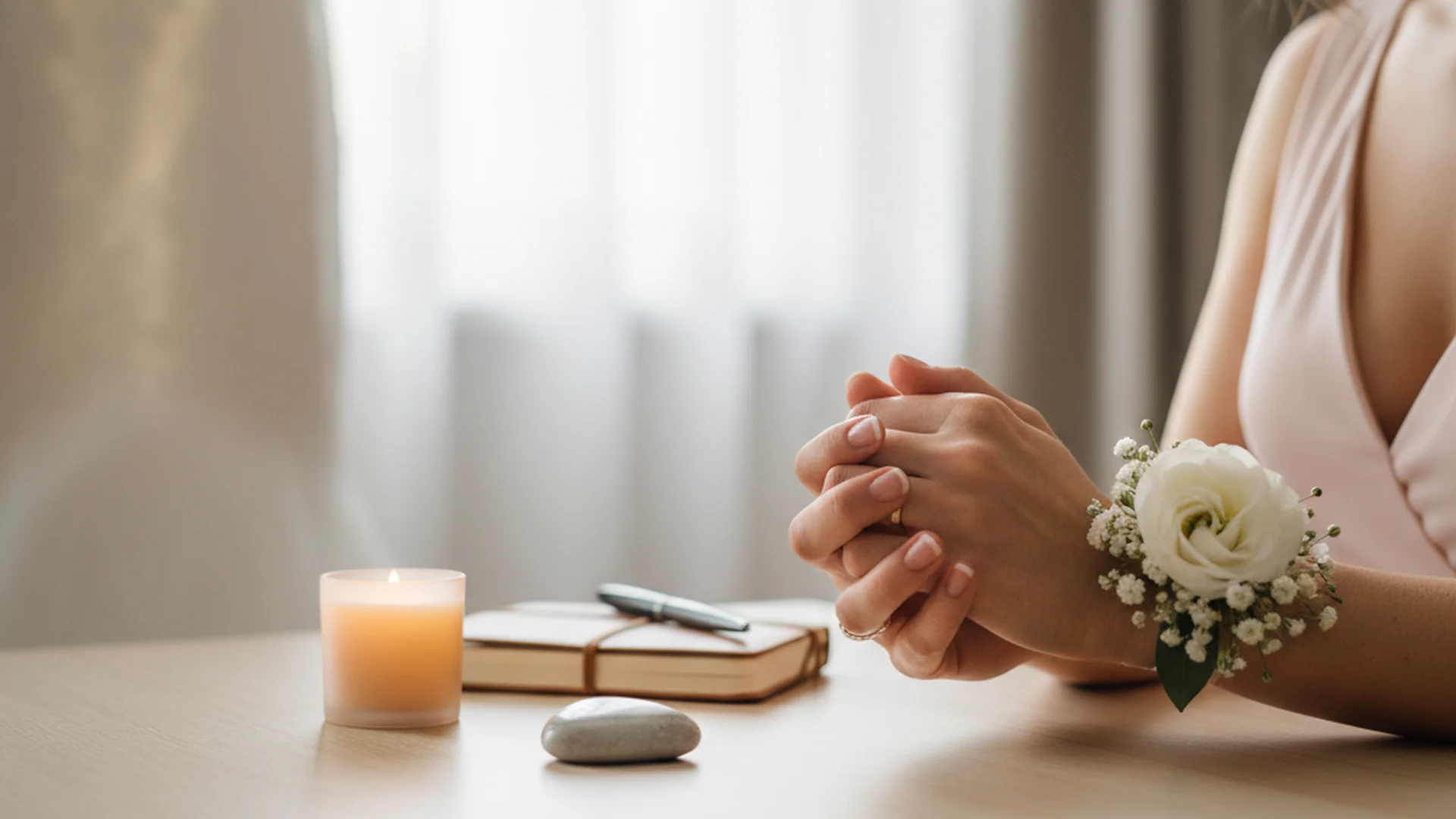
- Wedding anxiety is a physiological response to transition, not necessarily a reflection of the relationship.
- Utilizing grounding techniques like the 5-4-3-2-1 method can prevent panic during the ceremony.
- The 2025 trend toward "mental-health-first" weddings prioritizes authenticity over perfection.
For many, the image of a wedding morning involves champagne toasts, laughter, and a sense of serene anticipation. However, for a significant majority of couples, the reality is much more complex. In recent years, dealing with wedding day anxiety has become a primary focus for modern couples who are moving away from "Instagram-perfect" standards and toward "mental-health-first" celebrations.
If you find your heart racing at the thought of the guest list or your palms sweating during dress fittings, you are far from alone. As an interfaith wedding officiant, I have stood at the altar with hundreds of couples, and I can tell you that those "butterflies" are often heavy-duty nerves. Understanding that this anxiety is a manageable, measurable phenomenon is the first step toward reclaiming your joy.
The Reality of Wedding Day Stress
Wedding anxiety isn’t just "having the jitters." It is a psychological response to one of the most significant life transitions a human can undergo. Many soon-to-be-weds admit that planning a wedding is more nerve-wracking than other major life events, such as starting a new career or moving to a new city.
The pressure to perform, the financial weight of the event, and the complex web of family dynamics create a "perfect storm" for the nervous system. Interestingly, while we often focus on the ceremony itself, the stress begins long before. Many couples find that using tools like a 12 Month Wedding Planning Checklist helps, but even the best organization can't fully silence the internal critic that demands perfection.
Note
Why We Feel the Pressure
To effectively manage anxiety, we must identify the triggers. There is a stark "Joy Gap" in modern weddings: some couples report being too stressed to enjoy their actual wedding day.
The Center of Attention
For many brides, the biggest specific trigger is the first dance. The feeling of being watched by a hundred or more people can trigger a "fight or flight" response. For grooms, the anxiety often centers on social performance—specifically the fear of embarrassment during the Best Man’s speech or the weight of the lifelong commitment.
Financial and Social Weight
The guest list remains the primary stressor for many couples. Balancing family expectations with personal desires is an emotional tightrope. Furthermore, with most couples eventually exceeding their budget, the financial strain often manifests as physical anxiety in the weeks leading up to the event.
Tip
The Toolkit: Best Practices for Staying Grounded
Psychologists and ceremony designers now recommend a "toolkit" approach to emotional regulation. You wouldn't show up to your wedding without a plan for the flowers; you shouldn't show up without a plan for your peace of mind.
1. The 5-4-3-2-1 Grounding Technique
If you feel a panic attack or a "spiraling" sensation beginning, use this sensory method to pull yourself back into the present moment:
- Identify 5 things you can see (the lace on your sleeve, a chair, a flower).
- Identify 4 things you can touch (your partner's hand, your bouquet, the fabric of your clothes).
- Identify 3 things you hear (the music, a distant bird, the wind).
- Identify 2 things you smell (your perfume, the floral arrangements).
- Identify 1 thing you can taste (mint, water, or even just the air).
2. The "Designated Protector"
One of the most effective ways to reduce day-of stress is to appoint a "gatekeeper." This could be a professional coordinator, a bridesmaid, or a sibling. Their job is to handle all vendor questions and "guest fires."
Real-World Example: I once worked with a bride, Sarah, who was incredibly anxious about her estranged parents interacting. She appointed her cousin as the "Protector." The cousin’s only job was to ensure the parents stayed in separate social circles during the cocktail hour. Sarah didn't have to look over her shoulder once, allowing her to stay in a "bubble of peace."
3. Box Breathing (The 4-4-4-4 Method)
This technique is used by elite performers and athletes to lower heart rates instantly.
- Inhale for 4 seconds.
- Hold for 4 seconds.
- Exhale for 4 seconds.
- Hold for 4 seconds. This activates the parasympathetic nervous system, telling your body that you are safe.
Do this
From the OurVows workspace
Turn this guide into a plan.
A checklist that knows what's next, a shared budget, and a guest list that actually works — free to start.
2025–2026 Trends in Wedding Mental Wellness
The wedding industry is undergoing a massive shift. We are moving away from performance and toward presence. Here are the trends defining the next two years:
The Rise of the Wedding Therapist
A new niche has emerged: "Wedding Chaplains for Mental Health" or "Wedding Therapists." These professionals provide short-term, focused counseling to help couples navigate family dynamics and planning burnout. They aren't there to fix the relationship; they are there to help you navigate the event.
"Non-Wedding" Weddings
More couples are opting for "schedule-light" celebrations. By removing traditional timeline cues (like the grand entrance or the formal cake cutting), the pressure to "hit your marks" is removed. This creates a spontaneous atmosphere that is much easier on the nervous system.
Wedding Content Creators
Instead of the high-pressure environment of traditional posed photography, couples are hiring "wedding content creators." These professionals capture raw, lo-fi, candid moments on iPhones. This feels less performative and significantly reduces "camera anxiety" for couples who feel stiff during formal shoots.
The Sober Morning Movement
The tradition of "mimosas while getting ready" is fading. Alcohol is a depressant and a known trigger for heart palpitations and anxiety. 2025 is seeing a rise in "Ritual Mornings" involving matcha, hydration stations, and even group meditation or yoga before the hair and makeup team arrives.
Common Mistakes to Avoid
Even the most prepared couples can fall into traps that exacerbate wedding day anxiety.
- The "I Can Do It All" Fallacy: Many brides attempt to plan everything themselves. Delegation is not a luxury; it is a necessity for emotional survival. Use a Wedding Checklist Generator to assign tasks to others early on.
- Skipping Meals: Nerves often kill the appetite, but low blood sugar mimics anxiety symptoms (shaking, irritability, dizziness). This creates a feedback loop of stress.
- The Perfection Myth: Thinking a "good" wedding must be flawless is a recipe for disaster. In reality, the "mishaps"—the flower girl sitting down mid-aisle or a slight stumble during the vows—often become the most cherished stories.
- Neglecting Sleep: High-stress couples often stay up until 2 or 3 AM finishing DIY decor. Sleep deprivation is the fastest way to lose emotional regulation. If it’s not done by 9 PM the night before, let it go.
Heads up
Frequently asked questions
Is my anxiety a sign I shouldn’t get married?
What if I don't feel "blissfully happy" on the morning of my wedding?
How do I tell my partner I’m anxious without worrying them?
How can I prepare for my vows if I'm afraid of public speaking?
Conclusion: Prioritizing Your Peace
Dealing with wedding day anxiety is not about eliminating nerves entirely—it’s about managing them so they don't overshadow the meaning of the day. By utilizing grounding techniques, delegating tasks to a "Designated Protector," and embracing the 2025 trend of "authenticity over perfection," you can ensure that you are actually present when you say "I do."
Remember that your wedding is a bridge to your marriage. While the bridge may be decorated and crowded, the destination is what truly matters. If you are feeling overwhelmed in the final stretch, revisit your 1 Month Before Wedding Checklist to ensure you've offloaded as much as possible.
Do this
Ready when you are
Feeling Overwhelmed?
Let us help you organize the details so you can focus on your mental health.
Ready when you are
Plan your wedding without the chaos.
Free forever for couples just getting started. Two minutes to set up. No credit card.
Keep reading
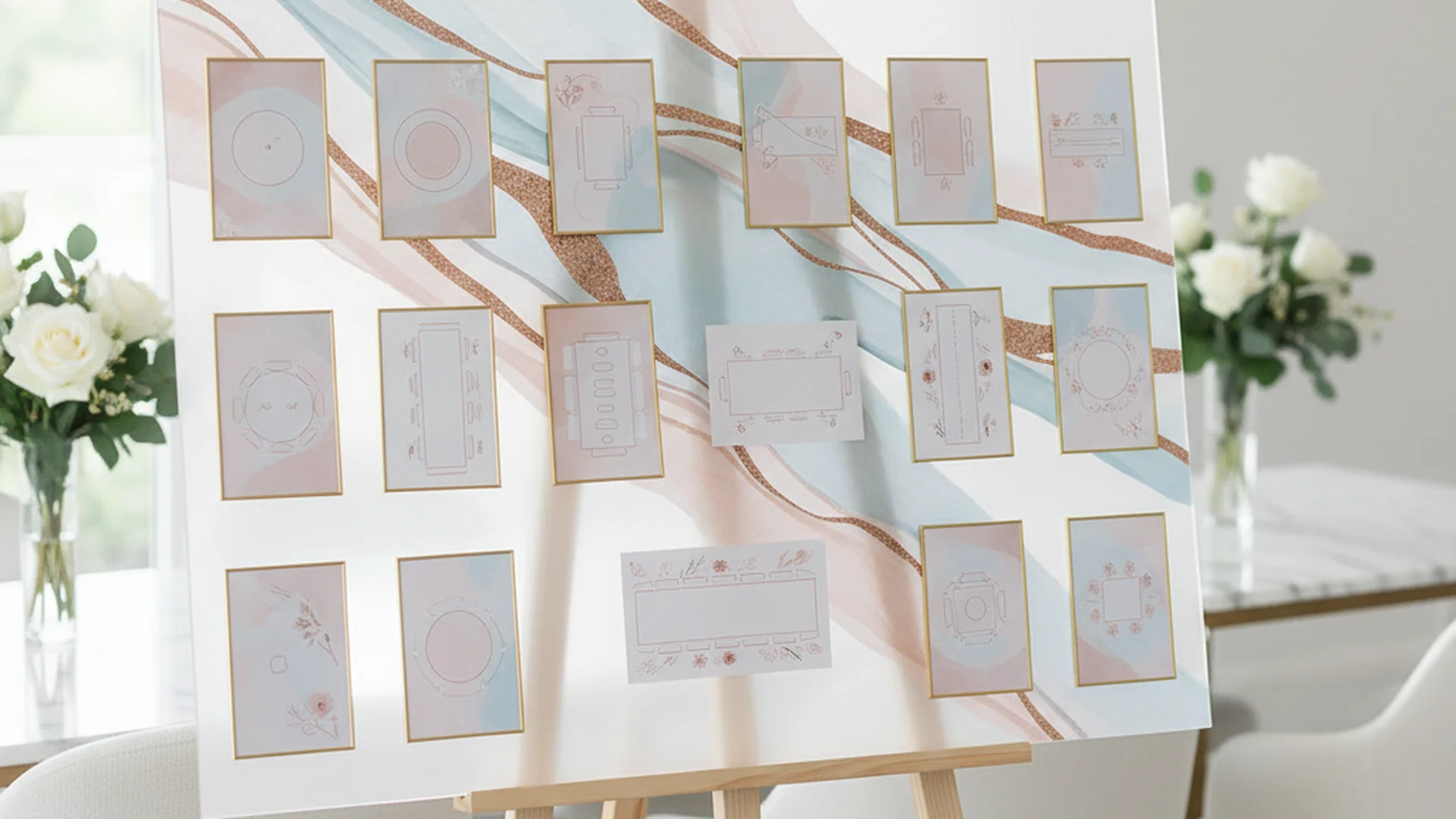
25+ Creative Wedding Seating Chart Ideas & Etiquette Guide (2025-2026)
Discover the best wedding seating chart ideas for your 2025-2026 celebration. From interactive displays to high-tech QR codes, plan your reception layout with ease.
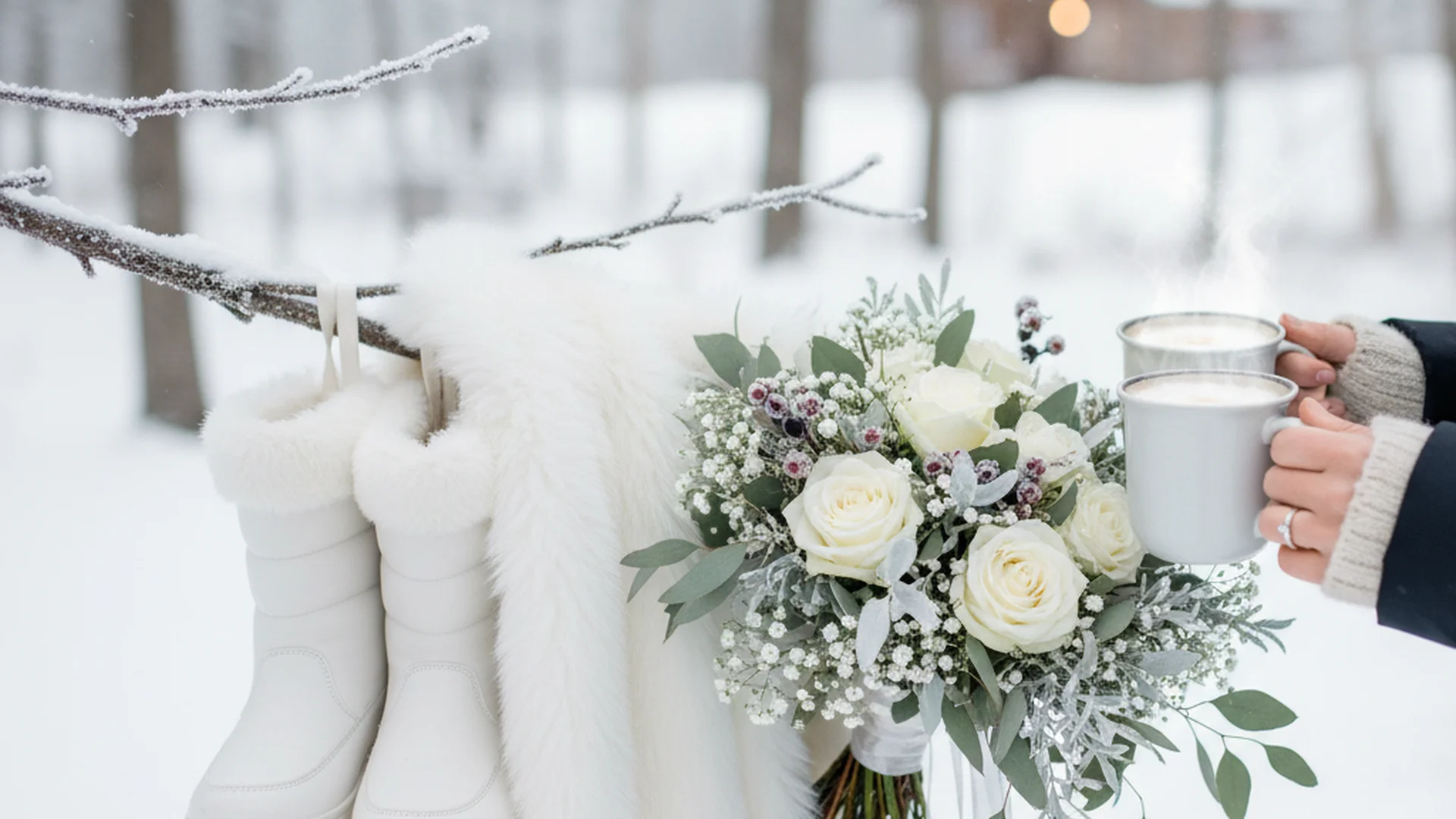
Essential Cold Weather Wedding Tips for a Sophisticated Winter Celebration
Planning a winter wedding? Discover essential cold weather wedding tips on logistics, fashion, and 2025-2026 trends to ensure a cozy, high-end guest experience.
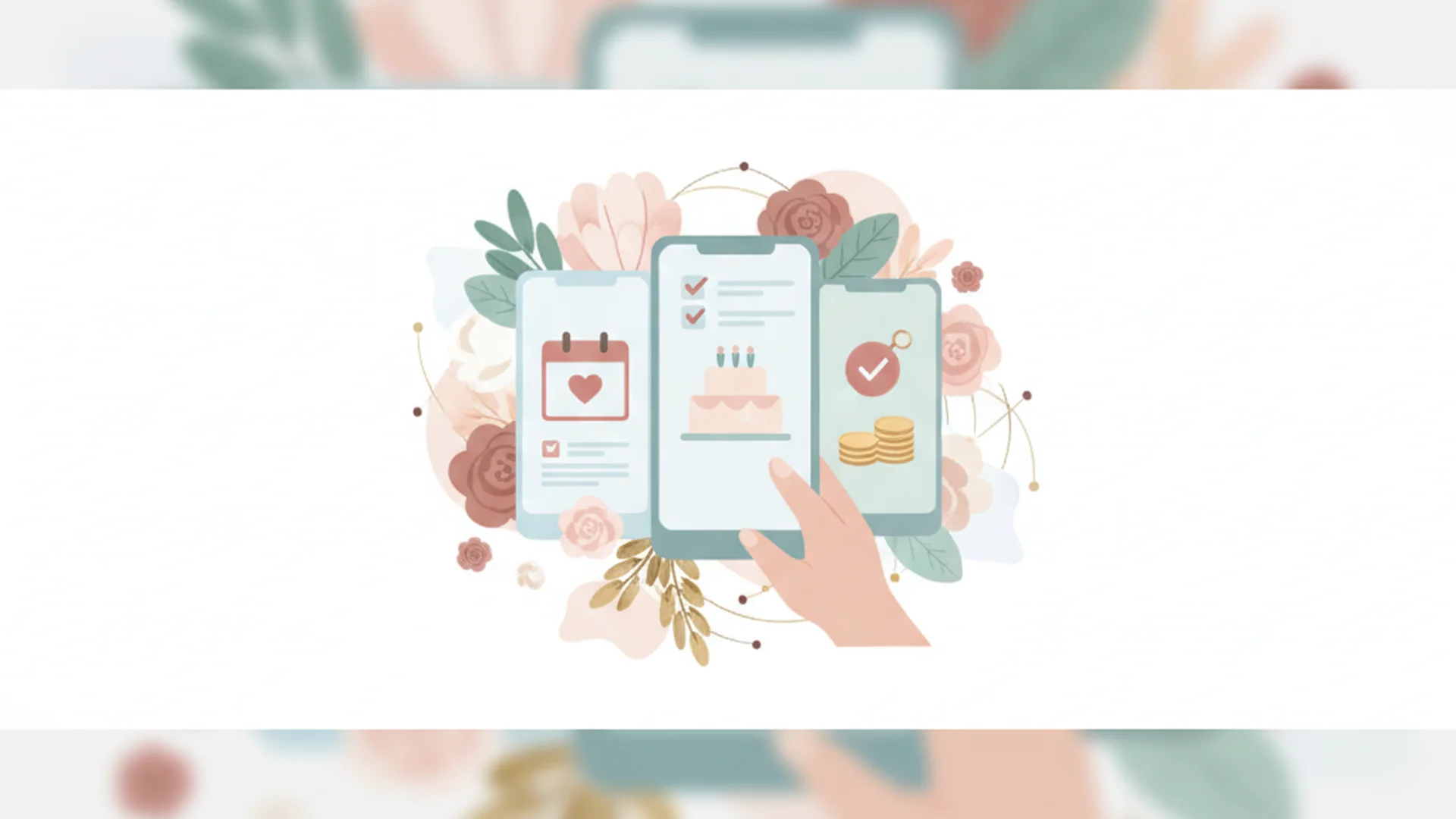
The Ultimate Wedding Planning Apps Guide for 2025 and 2026
Navigate the best wedding planning apps of 2025-2026. Learn about AI tools, AR previews, and how to digitalize your wedding journey with expert tips.