The Ultimate Wedding Planning Timeline by Month: A Stress-Free Roadmap for 2025-2026
Stay organized with our comprehensive wedding planning timeline by month. Expert advice for couples navigating their engagement journey with ease and style.

- Start the planning process 12–15 months in advance to secure top-tier vendors.
- Prioritize the "Big Three" (Venue, Photographer, Planner) before any other bookings.
- Incorporate modern trends like "Supper Club" dining and wedding content creators for a 2025-2026 edge.
Planning a wedding is a marathon, not a sprint. While the initial excitement of an engagement is a whirlwind of celebrations and champagne, the reality of logistics soon sets in. According to recent industry data, the average engagement length now holds steady at 15 months, meaning couples have over a year to curate their perfect day. However, without a structured wedding planning timeline by month, it is incredibly easy to fall into the trap of "decision fatigue" or miss critical deadlines for high-demand vendors.
Whether you are dreaming of a grand ballroom gala or an intimate garden ceremony, the key to a stress-free experience lies in breaking the massive task of "planning a wedding" into manageable monthly milestones. This guide provides a comprehensive roadmap designed for the modern couple, ensuring you stay on track from the first "Yes" to the final "I Do."
Phase 1: The Foundation (Months 12–10)
The first three months of your timeline are arguably the most critical. This is where you build the structural integrity of your event. If you rush this phase, you may find yourself with a venue that doesn't fit your guest list or a budget that is exhausted before you even look at flowers.
Determine Your Budget and Guest Count
Before you look at a single Pinterest board, you must have "the talk" about finances. In 2024, the average cost of an engagement ring was approximately $5,200, and many couples are now opting for lab-grown stones to maximize their remaining budget for the event itself. Once you know your total spend, draft a guest list.
Heads up
To help stay organized, utilize a Wedding Budget Calculator early in the process to see how your funds should be distributed across categories.
Secure the "Big Three"
The "Big Three" consist of your Venue, Photographer, and Wedding Planner. High-demand vendors and venues are currently being booked 12–18 months in advance due to a backlog of events and a surge in demand for specific "aesthetic" dates.
Define Your Vibe and Start Dress Shopping
Define your color palette and overall theme. Are you leaning toward the "Supper Club" vibes of 2025, or a classic traditional aesthetic? Once the vibe is set, start dress shopping. Designer gowns can take 6–9 months to order and fit, and you want to avoid rush fees.
Tip
Phase 2: Building the Team (Months 9–7)
Once the foundation is laid, it’s time to recruit the specialists who will bring your vision to life. This phase focuses on the sensory details: the food, the flowers, and the atmosphere.
Book Secondary Vendors
Now is the time to secure your caterer (if not provided by the venue), florist, videographer, and entertainment. For 2025 and 2026, we are seeing a shift in floral trends. Muted "sage and beige" palettes are being replaced by bold reds, funky fuchsias, and midnight blues. Talk to your florist about "farm-to-table" options to keep your event sustainable.
Logistics and Hotel Blocks
For out-of-town guests, reserve hotel blocks early. This is especially important for "destination-lite" weddings where guests may be traveling a few hours to reach a scenic locale.
Save the Dates
Send your Save the Dates 8–9 months in advance. If you are planning a holiday weekend wedding or a destination event, earlier is always better to ensure your guests can clear their calendars.
Note
Phase 3: The Details (Months 6–4)
By month six, the "bones" of your wedding are in place. Now, you focus on the guest experience and the visual finishing touches.
Wedding Party Attire and Registry
Order bridesmaid dresses and groom’s attire now. This allows time for shipping and multiple rounds of alterations. Simultaneously, finalize your wedding registry and launch your wedding website. This provides a central hub for guests to find information and gift options.
Transportation and Rentals
Book your shuttles, limos, or vintage getaway cars. Additionally, work with a rental company to secure the "extras" that make a space feel curated. Current trends include "supper club" lounge furniture—velvet sofas and mid-century modern armchairs that create intimate pockets for conversation.
Real-World Example: The "Content Creator" Addition
A rising trend for 2025 is the hiring of a Wedding Content Creator. This professional captures raw, "behind-the-scenes" iPhone footage for your social media. By hiring a dedicated person for this, you allow your guests to stay off their phones and remain present in the moment, while still ensuring you have "instant" memories to share the next morning.
Phase 4: The Countdown (Months 3–1)
The final three months are about execution and legalities. This is when the planning feels most "real."
Send Invitations and Schedule Trials
Invitations should go out 8–12 weeks before the wedding. While the invitations are in the mail, schedule your hair and makeup trials.
Tip
The Marriage License
Apply for your marriage license. Every state and region has different rules regarding expiration dates and "cooling off" periods. Some licenses expire after 30 days, while others require you to wait 72 hours after receiving the license before you can actually marry.
Final Fittings and Logistics
Ensure your attire is perfect and, most importantly, break in your shoes. Walk around your house in your wedding shoes for 15 minutes a day to avoid blisters on the big day. For more help with this final stretch, refer to the 3 Month Wedding Planning Checklist.
From the OurVows workspace
Turn this guide into a plan.
A checklist that knows what's next, a shared budget, and a guest list that actually works — free to start.
Modern Trends for 2025–2026
Wedding planning is evolving. Couples are moving away from "tradition for tradition's sake" and toward personal, meaningful experiences.
| Trend | Description | Benefit |
|---|---|---|
| Supper Club Dining | Progressive, lounge-style dining with interactive stations. | Increases guest movement and social interaction. |
| Introverted I Dos | Private vow exchanges before the public ceremony. | Reduces performance anxiety and creates a core memory. |
| Sustainability | Repurposing ceremony arches for the sweetheart table. | Reduces floral waste and maximizes the floral budget. |
| Bold Palettes | Using vibrant fuchsia, red, and midnight blue. | Creates a unique, high-energy visual aesthetic. |
Real-World Example: Private Vows
Many couples I work with as an officiant are opting for Introverted I Dos. They exchange their deeply personal, "ugly cry" vows privately during their first look. Then, during the ceremony, they stick to the standard legal vows. This allows them to express their hearts without the pressure of an audience.
Common Mistakes to Avoid
Even the most organized couples can run into trouble. Here are the most frequent pitfalls I see in my practice:
- The "Venue First" Trap: Booking a space before knowing your guest count or checking if they allow your preferred outside caterer.
- Underestimating DIY: Believing you can "hand-make" 150 centerpieces the week of the wedding. DIY projects should be completed at least 3 months out.
- Ignoring the "B-List": If you are using a B-list for invitations, send them early enough that guests don't feel like an afterthought.
- The Marriage License Expiration: Forgetting that the license has a "shelf life." Always check local government websites for specific timelines.
Heads up
Frequently asked questions
How long does it take to plan a wedding?
When should I book my photographer?
Do I really need a day-of coordinator?
When is the best time to send Save the Dates?
How much time should I leave for "getting ready"?
Conclusion
A wedding is a celebration of love, but the planning of it is a significant project management undertaking. By following a structured wedding planning timeline by month, you protect your peace of mind and ensure that the focus remains on your union rather than on logistics. Remember to communicate with your partner, trust your vendors, and build in plenty of "buffer" time for the unexpected.
Do this
If you are entering the final countdown, make sure to review our 1 Month Before Wedding Checklist to ensure every T is crossed and every I is dotted.
Ready when you are
Ready to Start?
Use our free tools to build your custom wedding roadmap today.
Ready when you are
Plan your wedding without the chaos.
Free forever for couples just getting started. Two minutes to set up. No credit card.
Keep reading

The Anti-Anxiety Wedding Guide: How to Actually Enjoy Your "I Dos"
Learn expert strategies for dealing with wedding day anxiety. Discover 2025 trends, grounding techniques, and mental health tips to stay present on your big day.
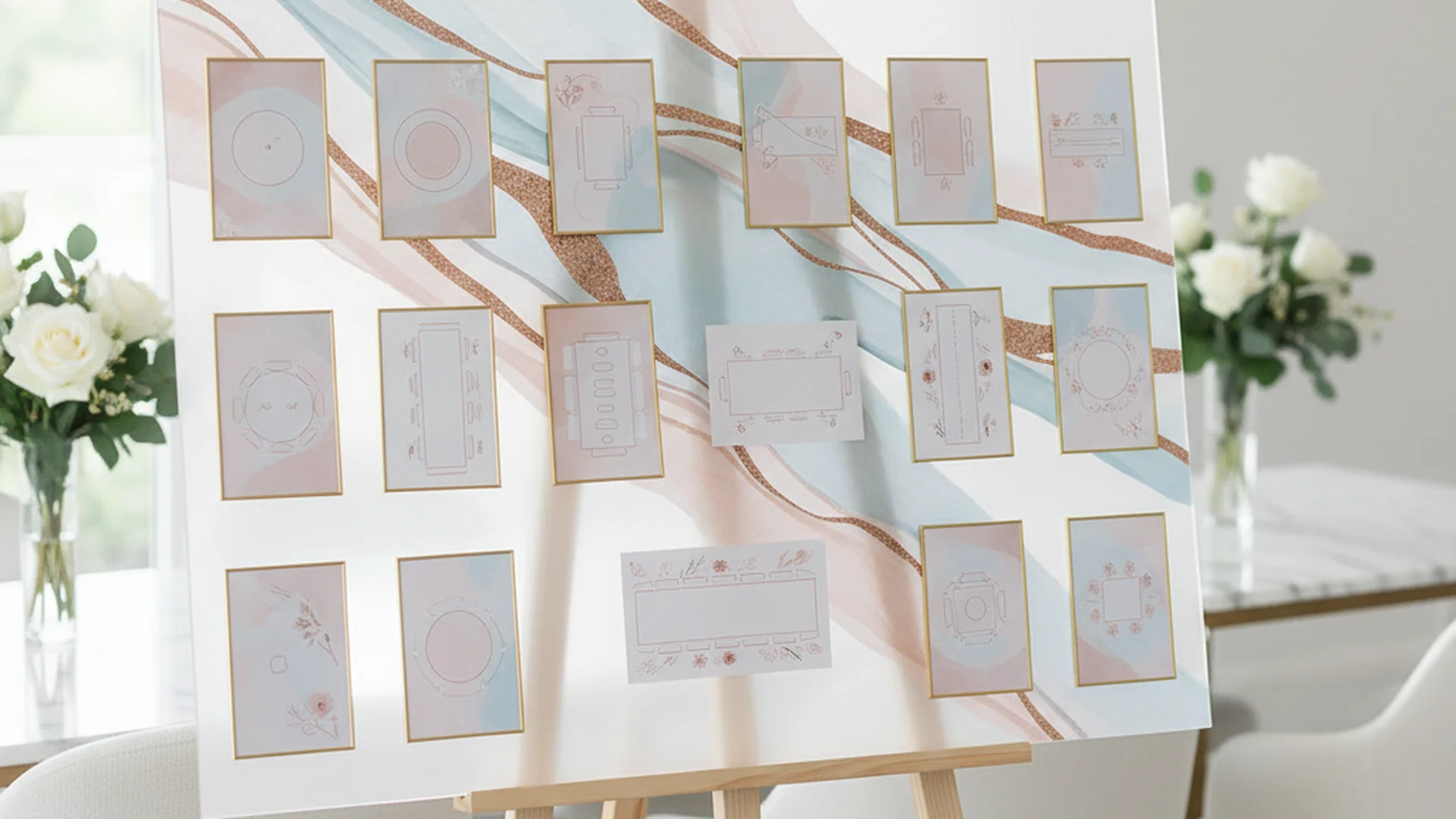
25+ Creative Wedding Seating Chart Ideas & Etiquette Guide (2025-2026)
Discover the best wedding seating chart ideas for your 2025-2026 celebration. From interactive displays to high-tech QR codes, plan your reception layout with ease.

Essential Cold Weather Wedding Tips for a Sophisticated Winter Celebration
Planning a winter wedding? Discover essential cold weather wedding tips on logistics, fashion, and 2025-2026 trends to ensure a cozy, high-end guest experience.