Illuminating Your Love: Expert Wedding Lighting Ideas for 2025 and 2026
Transform your celebration with the latest wedding lighting ideas. From cinematic amber glows to sustainable LED trends, discover how to light your venue like a pro.
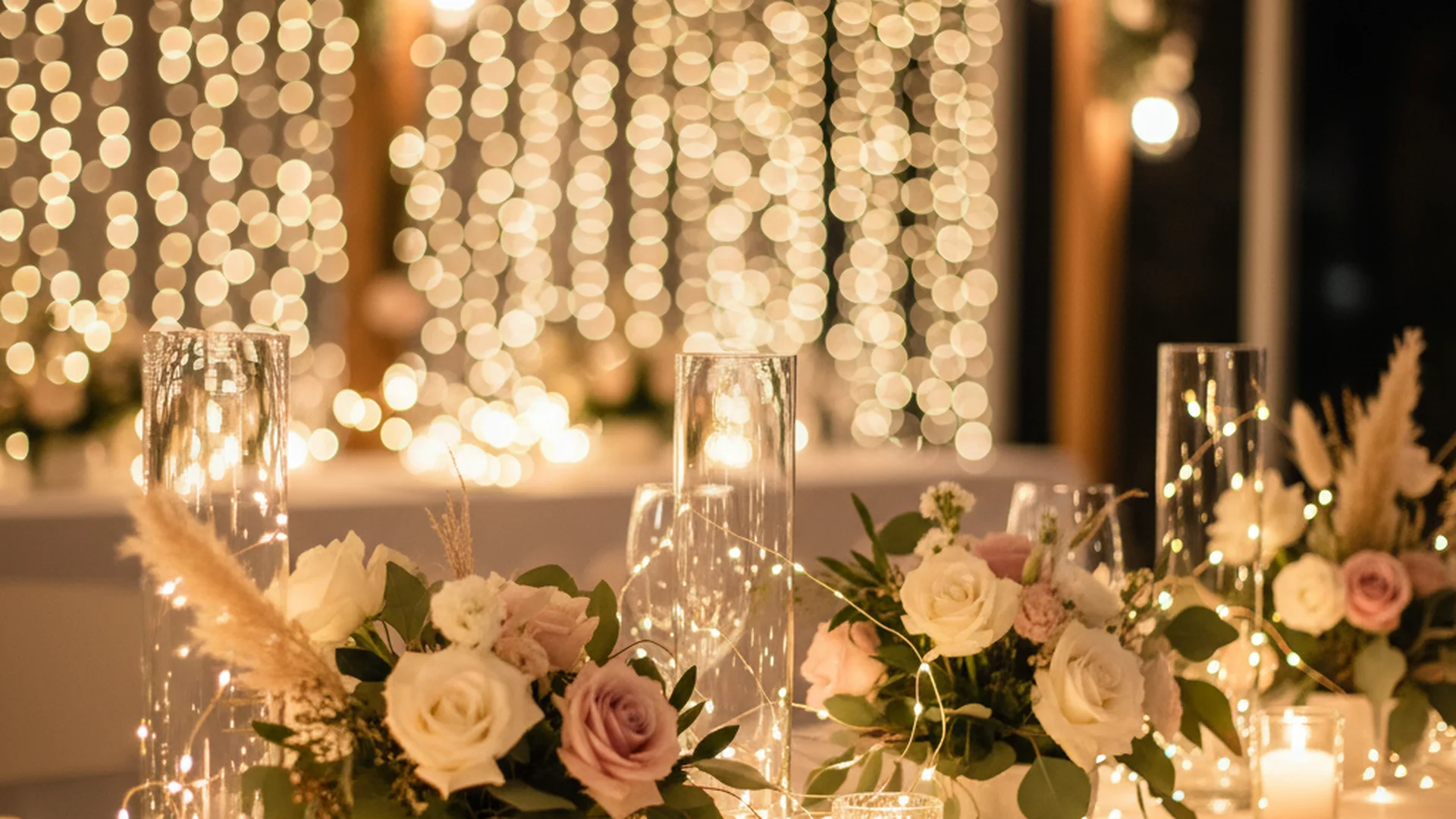
- Allocate 5% to 8% of your total budget to professional lighting design.
- Prioritize warm bulbs (2700K-3000K) to ensure flattering photography and a cozy mood.
- Use layered lighting (Ambient, Accent, and Task) to create depth in any venue.
When couples envision their big day, they often focus on the heavy hitters: the dress, the flowers, and the venue. However, as a relationship counselor who has seen hundreds of celebrations, I can tell you that the "vibe" of a wedding is what truly facilitates connection between families. Nothing dictates that vibe more than your choice of wedding lighting ideas. Lighting is the silent narrator of your wedding day; it tells your guests when it is time to be sentimental, when it is time to dine, and when it is time to let loose on the dance floor.
Planning your lighting isn't just about visibility—it’s about emotional architecture. Whether you are transforming a rustic barn or a grand hotel ballroom, the right illumination can turn a cold space into an intimate sanctuary for your blended families to unite.
The Importance of Professional Lighting Design
Many couples underestimate the technicality involved in a well-lit event. In fact, poor lighting planning ranks as the second biggest regret for couples post-wedding, trailing only behind the stress of managing the guest list. When you ignore lighting, you risk your expensive floral arrangements fading into the shadows or your professional photos looking washed out and sterile.
To avoid these pitfalls, you must understand the "Lighting Lingo." Before meeting with a vendor or looking at a Complete Guide to Wedding Flowers and Decor, familiarize yourself with these essential terms:
- Uplighting: These are fixtures placed on the floor that shine upward. They are perfect for highlighting the architectural bones of a venue or adding a splash of color to draped walls.
- Gobo: A custom template (steel or glass) placed over a light. This is how couples project their monograms, wedding dates, or leafy patterns onto the dance floor.
- Color Wash: This fills an entire room with a soft, uniform hue, such as amber or pale rose, instantly shifting the atmosphere.
- Pinspotting: These are tiny, focused beams used to illuminate specific details like your cake or centerpieces, ensuring they "pop" even in a dim room.
Note
Top Wedding Lighting Trends for 2025–2026
The world of wedding decor is shifting away from "one-size-fits-all" solutions. In the coming seasons, we are seeing a move toward highly personalized, cinematic environments.
1. The "No Big Lights" Rule
In a move borrowed from high-end interior design, 2026 weddings are ditching overhead venue lights entirely. Instead, couples are opting for "residential-style" accent lighting. Imagine clusters of vintage floor lamps in lounge areas, mini cordless table lamps on guest rounds, and hundreds of tapered candles. This creates a "home-away-from-home" feel that encourages guests to relax and stay a while.
2. Celestial Dreamscapes
For those seeking a touch of whimsy, projection mapping is taking center stage in 2025. This technology allows you to project a "starry night" or moving clouds onto the ceiling of your marquee or ballroom. Combined with fiber-optic "star" cloths, it creates an immersive, otherworldly environment that feels like dining under the cosmos.
3. Bold and Vibrant Transitions
While soft ambers remain the gold standard for dinner, the party phase is getting a neon makeover. As "outfit changes" become more popular (affecting about 23% of modern couples), lighting designers are creating "lighting scenes." This means the room might shift from a romantic candlelit glow to high-energy emerald green, cobalt blue, or deep magenta as soon as the couple hits the dance floor for the second time.
Do this
Layering Your Lighting Like a Pro
To achieve a professional look, you must think in layers. Relying on a single light source—like just stringing up some fairy lights—often results in a flat, one-dimensional look.
Ambient Lighting
This is your base layer. It’s the general glow that ensures people can see their food and each other. For a Boho Wedding Decor theme, this might be a series of large Edison bulbs or lanterns.
Accent Lighting
This is where the magic happens. Use accent lighting to draw attention to the things you’ve spent money on. If you have a stunning floral arch, use a small spotlight to ensure it’s visible throughout the evening.
Task Lighting
Don’t forget the functional areas. Your bar, guest book station, and buffet need dedicated task lighting. There is nothing more frustrating for a guest than trying to sign a guest book in total darkness.
Tip
Real-World Lighting Examples
Seeing how these concepts apply to different spaces can help you narrow down your own wedding lighting ideas.
- Example 1: The Historic Ballroom. A couple hosting their reception in a 1920s hotel used amber uplighting to highlight the ornate gold leaf molding. They added pinspotting to each table centerpiece, which made the crystal glassware sparkle, and used a gobo to project a classic monogram on the dance floor.
- Example 2: The Rustic Barn. To counter the high, dark ceilings of a barn venue, a couple used 200 meters of bistro (string) lights draped in a "zigzag" pattern. They supplemented this with copper-wire LED "firefly" lights inside mason jars on the tables, creating a warm, intimate glow that felt cozy rather than cavernous.
- Example 3: The Modern Industrial Loft. For a Modern Wedding Decor vibe, a couple used vertical neon tubes and saturated purple color washes. They skipped candles entirely in favor of sleek, cordless LED bars that changed color as the night progressed.
From the OurVows workspace
Planning a wedding is a lot. We make it feel like less.
Checklist, budget, guest list, and a wedding website — together in one free workspace built for both of you.
Technical Considerations and Safety
While it’s easy to get caught up in the aesthetics, the technical side of lighting is where the "pros" earn their keep.
Power Requirements
Large-scale lighting setups require significant power. For outdoor marquees or remote barn locations, you may need a dedicated generator. Always check with your venue about how many dedicated circuits are available to avoid blowing a fuse during the first dance. You can use a Wedding Budget Calculator to help account for the potential cost of additional power sources.
Weatherproofing (IP65)
For outdoor celebrations, all equipment must be IP65 rated. Even if the forecast is clear, morning dew or unexpected humidity can damage standard electrical equipment. Safety is paramount when mixing electricity with outdoor elements.
The Warmth Factor
When selecting bulbs, look for the Kelvin (K) rating. Experts recommend staying in the 2700K to 3000K range. This produces a soft, warm white that mimics candlelight. Avoid anything above 4000K, as "cool white" or blue-toned LEDs can make a wedding feel like a hospital waiting room and are notoriously difficult for photographers to edit.
Heads up
Common Mistakes to Avoid
Even with the best intentions, DIY lighting can go wrong quickly. Here are the most frequent errors we see:
- Underestimating Quantity: This is the #1 DIY mistake. A space that looks small during the day often "swallows" light at night. If you think you need 50 meters of fairy lights, you likely need 150 meters to achieve that "Pinterest" look.
- Ignoring the Ceiling: Couples often focus on what’s at eye level and forget the "dead space" above. If you have high ceilings, use hanging installations like floral chandeliers or Edison bulb clusters to bring the "roof" down and make the space feel more intimate.
- Color Faux Pas During the First Dance: Using rotating "disco" lights or multi-colored strobes during the first dance is a recipe for "clown face" in your professional photos. Keep the lighting warm and neutral for this specific moment.
- Forgetting the Dimmer: If you can’t dim your lights, you can’t change the mood. Ensure your lighting provider (or your venue) has everything on a dimmer switch.
| Lighting Type | Best For | Budget Level |
|---|---|---|
| Uplighting | Walls & Pillars | Low-Medium |
| Pinspotting | Centerpieces | Medium |
| Bistro Lights | Outdoor/Barns | Low |
| Projection Mapping | Immersive Themes | High |
| String/Fairy Lights | Delicate Accents | Low |
Frequently asked questions
How much should I spend on wedding lighting?
Is LED lighting better than incandescent?
Can I do my own wedding lighting?
What is the best color for wedding lighting?
Conclusion
Your wedding lighting is the bridge between your decor and your guests' experience. By layering your light, prioritizing warmth, and avoiding the common pitfalls of DIY setups, you can create an environment that feels both luxurious and welcoming. Whether you’re leaning into the "dark academia" trend or a bright, celestial theme, remember that the best lighting is the kind that makes your loved ones feel comfortable enough to celebrate all night long.
Do this
Ready when you are
Ready to Plan Your Vibe?
Use our tools to manage your budget and checklist with ease.
Ready when you are
Plan your wedding without the chaos.
Free forever for couples just getting started. Two minutes to set up. No credit card.
Keep reading
25+ Creative Wedding Sign Ideas for a Seamless 2025-2026 Celebration
Elevate your big day with these trending wedding sign ideas. From QR codes and 3D acrylic to budget-friendly DIY tips, ensure your guests have a perfect experience.
2025-2026 Winter Wedding Flowers Guide: Trends, Hardiness, and Sophisticated Palettes
Master the art of choosing winter wedding flowers. Explore 2026 trends like Amaranthus and "Subzero Sophistication" while learning how to protect blooms from frost.
Stunning Wedding Arch Flower Ideas for 2025 and 2026
Explore the latest wedding arch flower ideas, from grounded meadow arches to sustainable foam-free designs. Learn about costs, trends, and expert tips for 2025-2026.