The Ultimate Wedding Guest Thank You Timeline: Etiquette for 2025 and 2026
Master your wedding guest thank you timeline with our 2025-2026 guide. Learn the three-month rule, digital etiquette, and how to avoid post-wedding overwhelm.
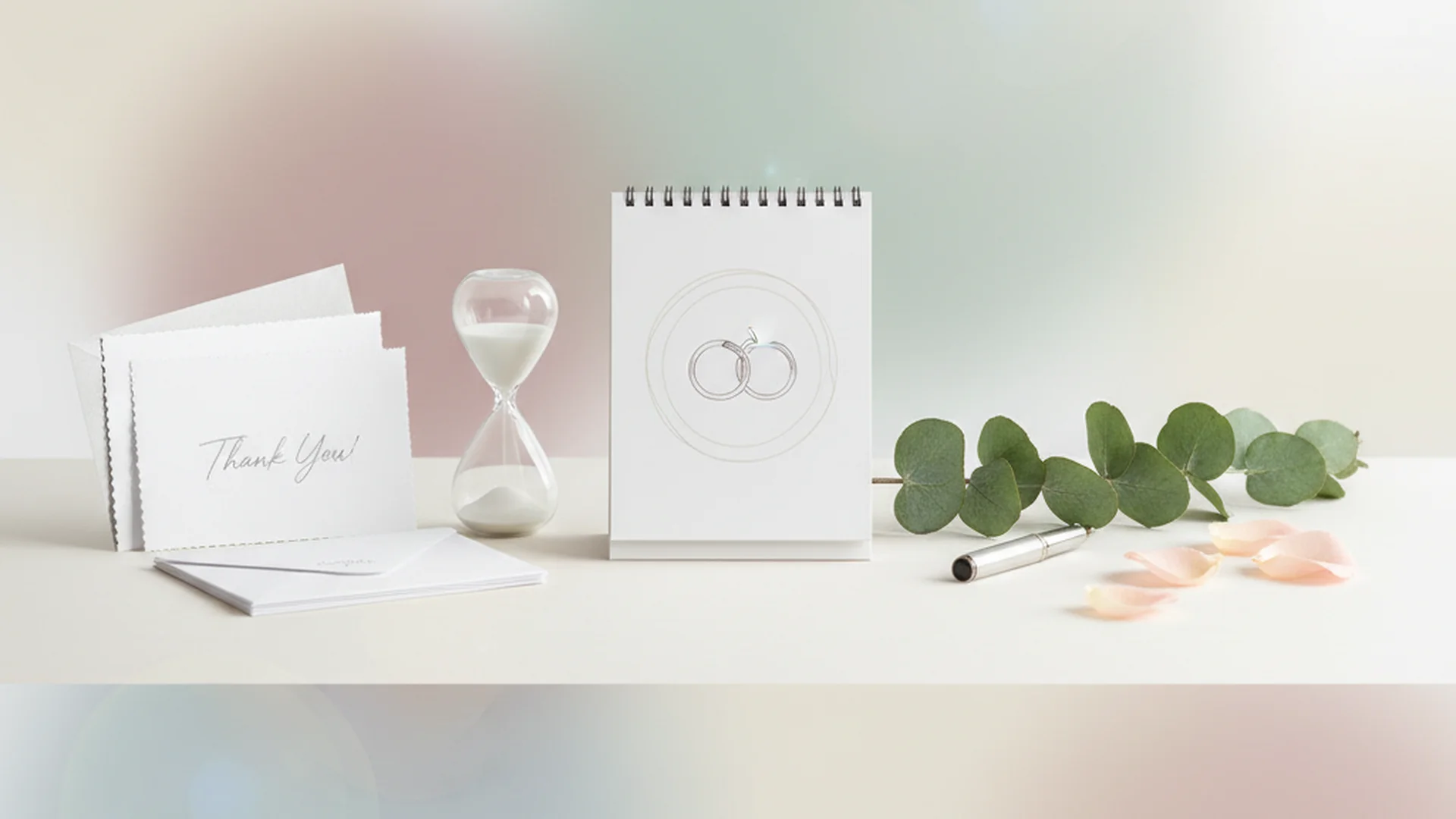
- The "one-year rule" is a myth; three months is the modern deadline.
- Early bird gifts should be acknowledged within two weeks.
- Digital thank-yous are rising but physical cards remain the gold standard for gifts.
The cake has been eaten, the honeymoon tan is starting to fade, and you’ve finally figured out how to get the confetti out of your hair. But before you can officially retire into marital bliss, there is one final boss standing in your way: the thank you notes. Navigating the wedding guest thank you timeline is often the most procrastinated task of the entire wedding journey, yet it is arguably the most important for maintaining your social standing with Aunt Bertha and your college roommates.
In 2025 and 2026, the expectations around gratitude have shifted. With the rise of AI assistants and digital communication, the "rules" aren't quite what your mother told you they were. However, the core sentiment remains the same: people spent money, time, and potentially a very long flight to see you say "I do," and they want to know you noticed.
The Modern Wedding Guest Thank You Timeline
There is a persistent, dangerous myth circulating in the wedding world that you have a full year to send out your thank you notes. Let’s be clear: this is the fastest way to make your guests feel unappreciated. By modern etiquette, the absolute maximum window for wedding day gifts is three months.
The "Early Bird" Phase (Before the Wedding)
Many guests will send gifts as soon as they receive the invitation. If you wait until after the honeymoon to thank someone who sent a blender three months before the wedding, they’re going to spend three months wondering if the package was stolen from your porch.
The "Two-Week Rule" is your best friend here. If a gift arrives before the big day, aim to send the thank you note within 14 days. Not only is this polite, but it also significantly reduces the mountain of work waiting for you after the wedding.
Tip
The "Golden Window" (0–3 Months Post-Wedding)
This is the sweet spot. Sending your notes within 90 days of the wedding ensures the memories are still fresh for both you and your guests. It demonstrates that you are organized, grateful, and haven't forgotten the people who made your day special.
The "Late But Sincere" Zone (3+ Months)
If life got in the way and you’ve crossed the six-month mark, do not give up. While three months is the goal, the expert consensus is that "late is infinitely better than never." If you are sending a note significantly late, include a brief, sincere apology. Don't make elaborate excuses about your cat's dental surgery—just acknowledge the delay and focus on the gratitude.
Why the "One Year Myth" is Dangerous
We need to talk about the "One Year Rule." Somewhere along the line, a rumor started that couples have 365 days to respond. This is arguably the most common mistake in guest management.
When a guest hasn't heard from you after six months, they stop thinking, "Oh, they're just busy newlyweds," and start thinking, "Did they even get my $200?" or "Was my presence not important?" In an era of instant gratification and digital tracking, waiting a year feels like a deliberate snub.
Heads up
Digital vs. Physical: The 2025 Etiquette Shift
As we move into 2026, the debate between digital and physical thank you notes continues to evolve.
- Physical Cards: These remain the gold standard. Most people still send physical notes for gifts, and for good reason. A physical card represents "effort currency." It shows you took the time to buy stationery, find a stamp, and put pen to paper.
- Digital Alternatives: While increasingly popular among Gen Z couples, digital thank yous are best reserved for small gestures. If someone helped you move decor or stayed late to help clean up, a thoughtful text or digital card is great. However, for physical gifts and wedding attendance, a physical card is still strongly recommended.
| Feature | Physical Card | Digital Note |
|---|---|---|
| Formality | High | Low to Medium |
| Effort Level | Moderate | Low |
| Best For | Gifts & Attendance | Small favors & Quick check-ins |
| Retention | Often kept for years | Usually deleted/archived |
The Three-Step Formula for a Perfect Note
You don't need to be a poet to write a great thank you note. Etiquette expert Elaine Swann recommends a simple, three-step structure that keeps you on track and ensures every note feels personal.
1. The Greeting
Address your guests by the names they use. If they are close friends, use nicknames. If it’s your boss, stay formal.
2. The Thank You
Explicitly state your gratitude. "Thank you so much for joining us on our special day and for the incredibly generous gift."
3. The Detail
This is the most important part. Mention the specific gift and how you plan to use it.
- For Cash: Mention how it will help. "Thank you for the generous gift; it’s going straight toward our new home fund."
- For Items: "We can't wait to host you for dinner and use the beautiful serving platter you picked out."
- For Presence (No Gift): "It meant the world to us to have you there to witness our vows."
Note
Real-World Examples of Modern Thank You Notes
To help you visualize the wedding guest thank you timeline in action, here are three examples based on common 2025 scenarios.
Example 1: The Traditional Registry Gift
"Dear Sarah and Mike, thank you so much for the Le Creuset dutch oven! It was such a thoughtful gift, and we’ve already used it to make our favorite Sunday roast. It was wonderful seeing you both on the dance floor—thank you for making the trip to celebrate with us!"
Example 2: The Cash Gift for the Honeymoon
"Dear Grandma, thank you for your incredibly generous gift. We are planning to use it for a special sunset dinner during our honeymoon in Italy next month. Having you there at the ceremony meant everything to us. We love you!"
Example 3: The Destination Guest (No Physical Gift)
"Dear Julian, thank you so much for traveling all the way to Mexico for our wedding. We know how much effort it took to be there, and your presence truly was the greatest gift we could have asked for. That tequila shot during the reception is a memory we’ll cherish forever!"
From the OurVows workspace
Wrangling the guest list?
Households, plus-ones, dietary needs, and RSVPs — all in one place, importable from a spreadsheet.
Emerging Trends for 2025 and 2026
Technology is changing how we handle gratitude. Here are the trends you’ll likely see (or want to use) in the coming seasons:
AI-Assisted Drafting
A growing number of couples are now using AI tools like ChatGPT to help draft their communications. This is a lifesaver for those with "Writer’s Block."
Do this
QR Code Integration
A very "2026" trend is the inclusion of a small QR code on the back of the thank you card. This can link guests to a "best of" photo gallery from the wedding or even a short, 30-second video of the couple saying thanks. It’s a high-tech way to add value to a traditional medium.
Sustainability and Seed Paper
Eco-friendly weddings are the standard now. Many couples are opting for "seed paper" thank you cards. Once the guest has read the note, they can plant the paper in their garden to grow wildflowers. It’s a beautiful way to ensure your thank you note lives on.
The "Instant" Thank You
Some couples are now using handwritten thank you notes as place cards or favors at the reception. While this is a lovely way to thank people for their presence, remember that a follow-up is still required if they give a physical or cash gift later.
Dividing and Conquering the Task
The burden of the wedding guest thank you timeline should never fall on just one person. This is your first major project as a married couple!
- Split the List: Partners should handle their own friends and family members.
- Batch Processing: Don't try to do 150 notes in one night. Set a goal of 10 notes per day while watching TV or having a coffee.
- Pre-Order Stationery: Order your thank you cards at the same time as your Adults Only Wedding Wording cards or main invitations. Having them ready the moment you get home removes a massive barrier to starting.
If you are struggling with a particularly large guest list, check out our Complete Wedding Guest Management Guide for tips on how to organize your contacts effectively.
Common Mistakes to Avoid
- The "One Year Myth": We've covered this, but it bears repeating. Don't wait.
- Generic/Printed Messages: A card that just says "Thanks for coming!" with a printed signature is worse than no card at all for many guests. It feels like a mass-marketing mailer.
- Forgetting Vendors: Your photographer, caterer, and planner worked incredibly hard. Sending them a brief note or leaving a glowing public review within two weeks is a professional courtesy that goes a long way.
- Spelling Errors: This is common when you’re tired. Always cross-reference your list from the How Many Guests to Invite Wedding planning phase to ensure you aren't misspelling a "plus-one's" name.
- The "Honeymoon Pause": Don't use the honeymoon as an excuse to ignore early gifts. If you have "down moments" at the airport or on the train, use that time to knock out a few notes.
Frequently asked questions
Is it too late to send a note after 6 months?
Do I need to send a card to someone who didn't give a gift?
Can I send a digital thank you?
Do I have to mention the cash amount?
What about guests who didn't show up?
Conclusion
The wedding guest thank you timeline is the final lap of your wedding marathon. While it might feel like a chore, it is a powerful way to transition into your new life with a foundation of gratitude and grace. By sticking to the three-month rule, utilizing modern tools like AI for drafting, and keeping your stationery ready to go, you can avoid the "overwhelm factor" that plagues so many couples.
Remember, the best thank you note isn't the one with the most perfect calligraphy or the most expensive paper—it's the one that gets sent.
Do this
Ready when you are
Ready to Start?
Organize your guest list and stay on top of your tasks today.
Ready when you are
Plan your wedding without the chaos.
Free forever for couples just getting started. Two minutes to set up. No credit card.
Keep reading

The Ultimate Guide to Hosting International Wedding Guests in 2026
Navigate the complexities of international wedding guests with our expert guide. From etiquette and logistics to 2026 trends, ensure your global loved ones have a seamless experience.
How to Trim Your Wedding Guest List Without the Guilt: A 2025-2026 Guide
Learn expert strategies for trimming your wedding guest list. From the 1-year rule to the "Dinner Test," manage your budget and family expectations with ease.
The Ultimate Guide to a Wedding RSVP Tracking System: 2025-2026 Edition
Master your guest list with an automated Wedding RSVP Tracking System. Learn about AI tools, QR codes, and expert tips for managing your 2025 wedding.