Mastering Your First Dance: The Ultimate Wedding Dance Lessons Guide
Prepare for your first dance with our 2025-2026 wedding dance lessons guide. Learn about costs, choreography trends, song selection, and expert tips for success.
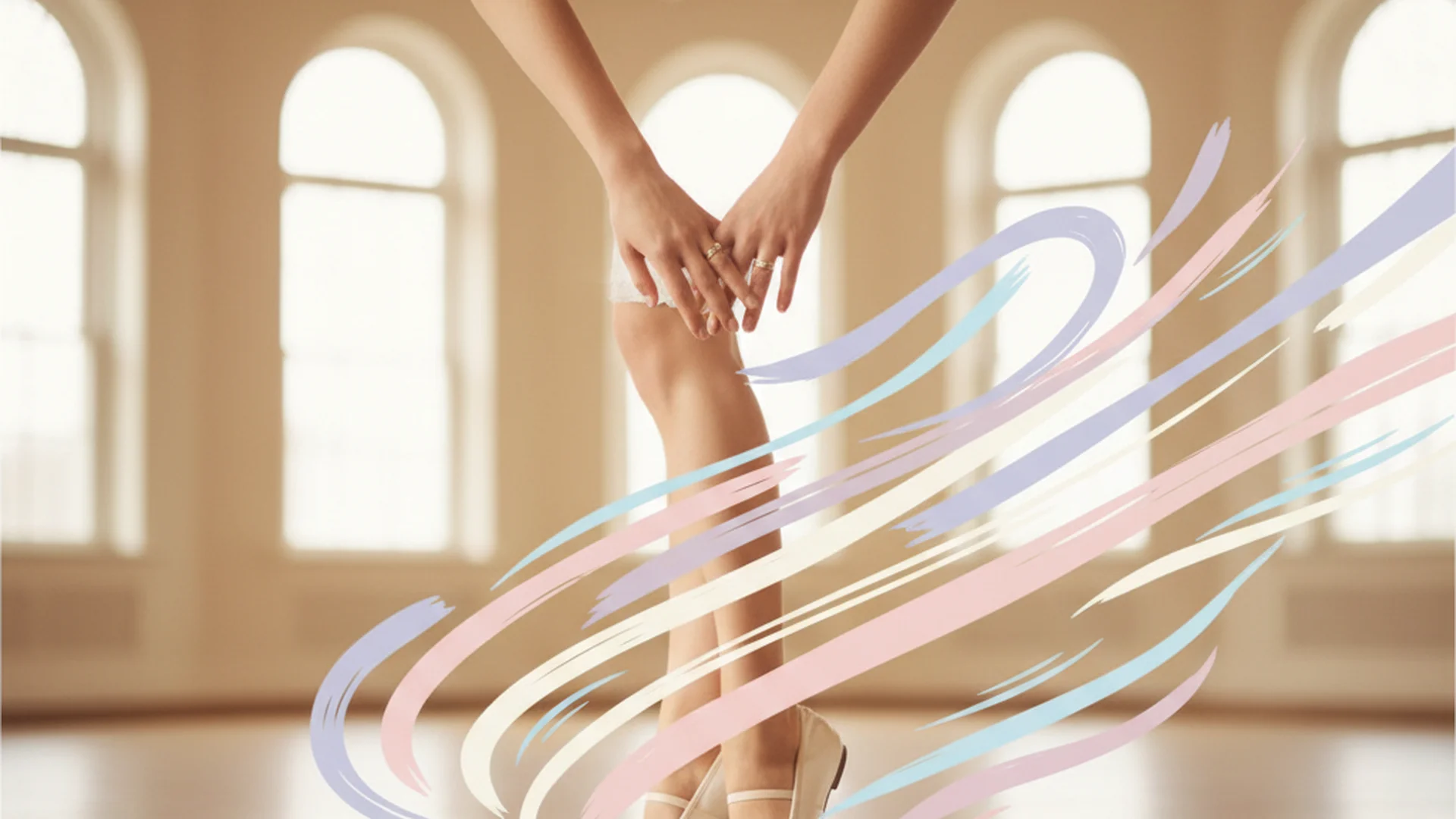
- Start wedding dance lessons 3 to 6 months before your big day to build muscle memory.
- A standard 2 to 2.5-minute routine balances guest engagement with your performance.
- Modern trends favor "introverted" first dances and high-tech LED floor integrations.
The first dance is one of the most anticipated moments of any reception—a symbolic transition from the ceremony to the celebration. As more couples look to move beyond the traditional "middle school sway," wedding dance lessons have become an essential part of the modern planning process. Whether you are dreaming of a viral-worthy choreographed routine or simply want to feel comfortable and connected in each other's arms, preparation is the key to confidence.
Why Consider Professional Wedding Dance Lessons?
In the current wedding landscape, the "choreography boom" is in full swing. A growing number of people now consider choreographed routines a standard expectation, and many wedding guests have already participated in a group or couple-focused routine.
Beyond the entertainment value, lessons offer a much-needed break from the logistical stress of planning. As an officiant, I often see couples who use their dance practice as a "date night" where they can focus solely on their partner. Professional instruction helps eliminate the "two left feet" anxiety, ensuring that your first act as a married couple is one of synergy and joy rather than stepped-on toes.
Do this
Planning Your Timeline and Budget
The most common mistake couples make is waiting until the final weeks to book their instructor. Learning a new skill requires time for muscle memory to set in. If you are also managing a 6 Month Wedding Planning Checklist, your dance lessons should begin right around the same time you are finalizing your catering and floral designs.
How Many Lessons Do You Need?
The complexity of your vision will dictate your schedule. Use the table below to estimate your needs:
| Routine Type | Number of Lessons | Best For |
|---|---|---|
| Basic Movement | 1–2 Lessons | Couples who want a few "moves" but no set routine. |
| Simple Choreography | 3–5 Lessons | A polished, repeatable dance with a clear start and finish. |
| Showcase Routine | 10–12 Lessons | Complex lifts, multiple transitions, and "wow" moments. |
| Group/Wedding Party | 4–6 Lessons | Choreographed entries or surprise bridal party dances. |
Understanding the Investment
Professional dance lessons typically range from $50 to $150 per hour. While this is an additional expense, many studios offer "wedding packages" that bundle lessons with floor time and song editing. A standard choreography package usually lands between $300 and $500. When you consider the Average Wedding Cost by State, allocating a small percentage to your first dance often provides the highest "memory ROI" for your guests.
Tip
2025–2026 First Dance Trends
The upcoming wedding seasons are defined by a mix of high-tech integration and emotional intimacy. Couples are no longer bound by tradition, opting instead for performances that reflect their unique personalities.
The "Introverted First Dance"
A major shift for 2025 is the "introverted" dance. For couples who find the spotlight overwhelming, this trend involves sharing a private first dance before the guests are invited into the reception space. Alternatively, some couples perform solo for only 60 seconds before having the DJ invite all guests onto the floor to join them. This takes the pressure off the couple while still honoring the tradition.
Tech Integration and Projection Mapping
With most couples now utilizing AI and advanced tech tools in their planning, the dance floor has become a canvas. We are seeing a rise in:
- LED Dance Floors: Floors that change color or pulse in time with the music.
- Projection Mapping: Visuals projected onto the floor or the bride’s dress that shift during the dance's climax.
- AI Lighting: Custom lighting designs that are programmed to highlight specific "lift" or "dip" moments.
Trending Songs for the New Season
While classic hits still account for the majority of first dances, modern tracks are gaining ground. Among the most-requested tracks for 2025–2026:
- "Die With A Smile" by Lady Gaga & Bruno Mars (The #1 requested ballad).
- "Lover" or "Crazier" by Taylor Swift (A perennial favorite for "Swiftie" couples).
- "Lose Control" by Teddy Swims (Perfect for couples wanting a soulful, R&B-inspired routine).
- "Beautiful Things" by Benson Boone (Great for high-energy endings and dramatic builds).
Note
From the OurVows workspace
Turn this guide into a plan.
A checklist that knows what's next, a shared budget, and a guest list that actually works — free to start.
Essential Best Practices for Success
Even the best choreography can fall flat without proper execution. Follow these expert recommendations to ensure your dance looks as good as it feels.
Focus on Connection, Not Perfection
Guests aren't judging your footwork; they are looking for your chemistry. Maintain eye contact and smile at each other. If you miss a step, keep moving. Most guests won't even realize a mistake happened unless you stop or look frustrated.
The Dress Rehearsal
You must practice in a "rehearsal version" of your wedding attire. For the bride, this might be a long skirt that mimics the volume of the gown. For the groom, a suit jacket is essential, as it restricts arm movement more than a t-shirt.
Heads up
Communicate with Your Media Team
Don't let your best moves go unrecorded. Inform your photographer and videographer of any special moments—such as a lift, a dip, or a high-energy finale. This allows them to position themselves correctly to capture the best angle.
Tip
Common Mistakes to Avoid
- Waiting Until the Last Minute: Starting lessons in the final month often leads to "concentration face." This is where the couple looks stressed and robotic because they are thinking too hard about the steps. Use a 1 Month Before Wedding Checklist to ensure your dance is already polished by this stage.
- Ignoring the Dance Floor Size: Studios are often much larger than venue dance floors. Always ask your venue for the specific dimensions of the floor so your instructor can scale the choreography accordingly.
- Neglecting the Exit: Many couples plan a beautiful dance but then awkwardly walk off the floor when the music stops. Plan a clear "exit" move, like a bow or a final dip, to signal to your guests that it is time to applaud.
- Choosing the Wrong Tempo: A song that is too fast will leave you breathless, while a song that is too slow can feel like it’s dragging. Test-dance to the full song before committing to the choreography.
Frequently asked questions
How many lessons do we really need?
How far in advance should we start?
How long should our first dance be?
What if we have "two left feet"?
What should we wear to our lessons?
Conclusion
Wedding dance lessons are about more than just footwork; they are about creating a moment of connection that you will remember for a lifetime. By starting early, choosing the right "vibe," and practicing in your wedding shoes, you can turn a potentially nerve-wracking moment into a highlight of your celebration. Whether you choose a classic waltz or a high-tech choreographed mashup, the goal is to enjoy the process and each other's company.
Do this
Ready when you are
Ready to Start?
Organize your dance rehearsals and more with our custom planning tools.
Ready when you are
Plan your wedding without the chaos.
Free forever for couples just getting started. Two minutes to set up. No credit card.
Keep reading
How to Create Wedding Seating Chart: The Ultimate 2026 Guide
Learn how to create wedding seating chart layouts without the stress. Expert tips on etiquette, logistics, and 2025-2026 trends for a perfect reception.
The Anti-Anxiety Wedding Guide: How to Actually Enjoy Your "I Dos"
Learn expert strategies for dealing with wedding day anxiety. Discover 2025 trends, grounding techniques, and mental health tips to stay present on your big day.
25+ Creative Wedding Seating Chart Ideas & Etiquette Guide (2025-2026)
Discover the best wedding seating chart ideas for your 2025-2026 celebration. From interactive displays to high-tech QR codes, plan your reception layout with ease.