Budget Wedding Ideas: How to Plan a High-End Celebration Without the Debt
Discover creative budget wedding ideas for 2025-2026. Learn how to save on venues, catering, and decor while keeping your celebration stylish and intentional.
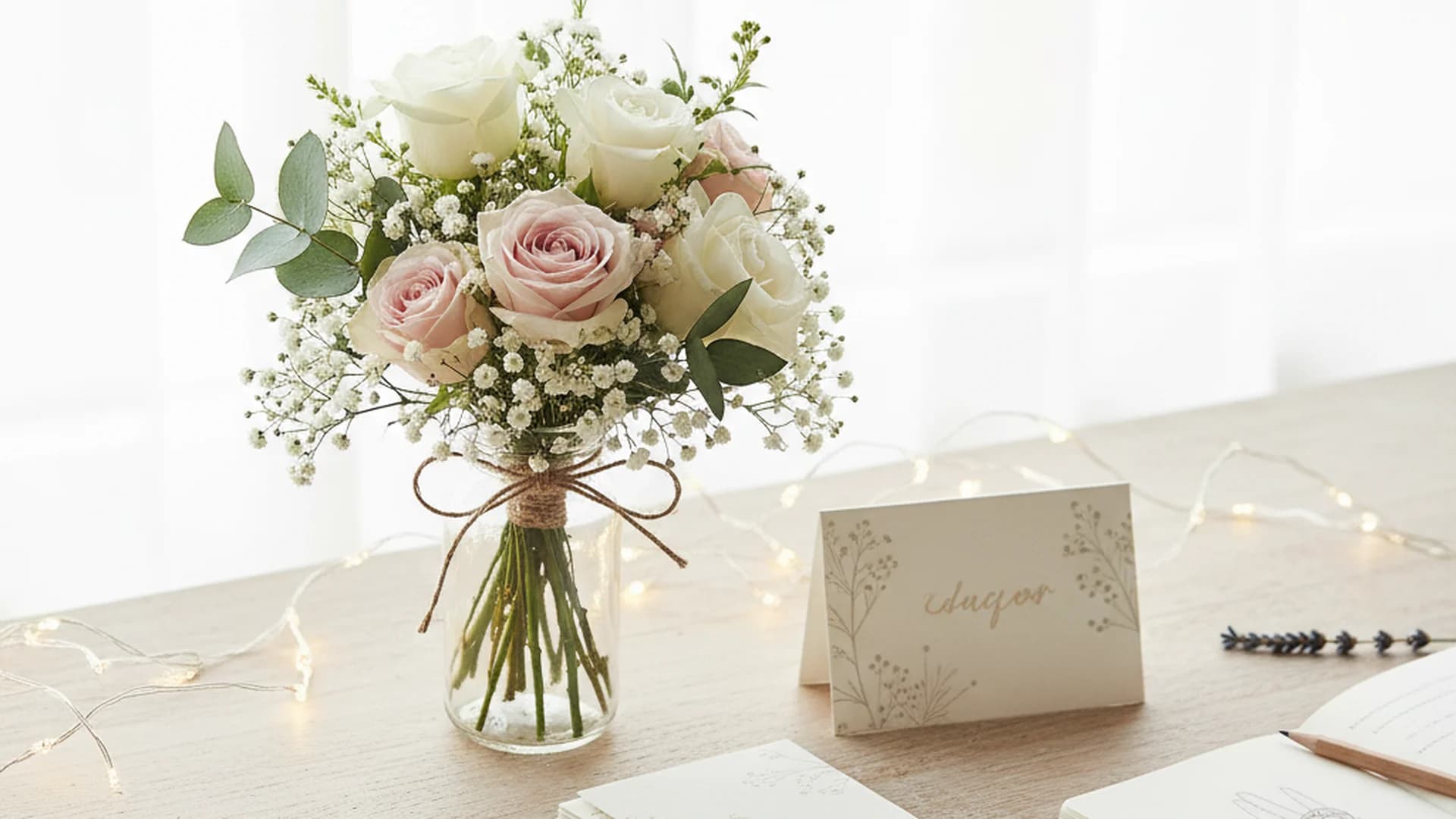
- The median wedding cost is often closer to $10,000 than the national average.
- Prioritizing your 'Top Three' expenses allows for splurges without overspending.
- Digital planning and off-peak dates can save couples upwards of 30%.
Planning a wedding in 2025 or 2026 feels a bit like trying to solve a Rubik's cube while riding a unicycle—it requires balance, a bit of luck, and a clear strategy. With rising inflation, the quest for budget wedding ideas has shifted from "how can we go cheap?" to "how can we be intentional?" Today’s couples aren't just looking to save pennies; they are looking to maximize the experience for themselves and their guests without starting their marriage in a mountain of debt.
The secret to a modern budget-friendly wedding isn't about cutting out the joy; it’s about cutting out the "shoulds." You don’t "should" have a five-course meal, and you don’t "should" have a floral arch that costs more than a used sedan. By focusing on what truly matters to you, you can host a celebration that feels luxury on a lemonade budget.
The Reality Check: Decoding Wedding Costs
Before you start looking at silk ribbons and artisanal cheese boards, we need to talk about the numbers. There is a massive gap between the "average" cost of a wedding and the "median" cost. While major publications often cite figures upwards of $35,000, many savvy couples are hosting incredible events for closer to $10,000.
The biggest factor in your total spend is almost always the guest count. At an average of $284 per guest, every person you add to your list is essentially a new designer handbag or a very nice weekend away. Trimming your list by just 25 people—the cousins you haven't seen since the 2012 family reunion—can save you nearly $7,000 instantly.
Note
If you are feeling overwhelmed by the sheer scale of the numbers, it helps to look at How Much Does a Wedding Cost to get a granular breakdown of where the money actually goes.
The Budget Framework: The 50/30/20 Rule
To keep your finances on track, I recommend using the 50/30/20 rule of wedding planning. This ensures that the "must-haves" are covered while leaving room for the "nice-to-haves" and the inevitable "oh-no-I-forgot-to-pay-the-permit-fee" moments.
- 50% for Essentials: This covers your venue, food, and basic attire. These are the elements that physically make the wedding happen.
- 30% for Enhancements: This includes photography, entertainment, and decor. These are the elements that make the wedding memorable.
- 20% for Surprises & Fees: This is your safety net. It covers service charges, tips, last-minute alterations, and your contingency fund.
Prioritizing the "Top Three"
Instead of trying to have the "best" of everything, choose three elements to splurge on. Perhaps you are foodies who want a five-star meal, but you couldn't care less about fancy invitations or a live band. By aggressively cutting costs on everything outside of your Top Three, you create a high-end feel where it matters most.
Tip
Creative Cost-Cutters That Actually Work
When looking for budget wedding ideas, it’s easy to get lost in the world of DIY. However, the most effective savings often come from strategic logistical choices rather than crafting 200 centerpieces by hand.
Digital Everything
The "Save the Date" and invitation suite can easily eat up $1,000 when you factor in professional printing, heavy cardstock, and postage. In 2025, digital-only invitations are not just acceptable; they are preferred by many guests for their ease of use. You’ll save on the physical product and the stress of tracking down missing RSVP cards in the mail.
The "BYO" Strategy
The markup on alcohol at traditional venues is often 300% or more. Look for "blank canvas" venues—like community halls, galleries, or private estates—that allow you to bring your own alcohol. Purchasing liquor and wine from wholesalers can cut your bar costs by 40%. Just remember to hire a licensed bartender to keep things safe and legal.
Off-Peak Advantage
Everyone wants a Saturday night in June. Because demand is so high, you’ll pay a premium. By shifting your date to a Friday or Sunday, or choosing "off-months" like January through March, you can often secure venue discounts of 20-30%.
Do this
| Expense Category | Traditional Cost | Budget-Savvy Alternative | Potential Saving |
|---|---|---|---|
| Invitations | $800 | Digital Invitations | $700+ |
| Venue | $6,000 | Off-Peak/Mid-week | $1,500 - $2,000 |
| Bar | $4,500 | Wholesale BYO | $1,800+ |
| Florals | $3,500 | Potted Plants/Greenery | $2,000+ |
From the OurVows workspace
Turn this guide into a plan.
A checklist that knows what's next, a shared budget, and a guest list that actually works — free to start.
2025-2026 Trend Spotlight: Sustainable and Intentional
The upcoming wedding seasons are leaning heavily into sustainability and "vibe-based" planning. These trends are naturally friendlier to your wallet than the over-the-top luxury trends of the past.
Micro-Weddings
The micro-wedding (under 50 guests) is here to stay. This isn't just about saving money; it’s about quality over quantity. Couples are choosing to host a smaller group in a luxury villa or a private room at a Michelin-star restaurant rather than a 200-person ballroom event. It feels more like an intimate dinner party and less like a production.
"No-Passport" Destinations
Instead of the logistical nightmare and expense of a destination wedding in Italy, couples are using decor to bring the "Mediterranean Summer" to their local area. Think long wooden tables, bowls of lemons as centerpieces, and family-style pasta platters. You get the aesthetic without the $1,500 flight.
Natural Materials & Favors
In 2026, we are seeing a shift toward rattan, bamboo, and potted plants. Instead of cut flowers that die the next day, use potted herbs or succulents as decor. These can double as wedding favors that guests actually want to take home, fulfilling two budget categories at once.
Tip
Common Mistakes and Misconceptions
As a wedding humor consultant, I’ve seen my fair share of "budget" ideas go horribly wrong. Here are the pitfalls you need to avoid:
The "Backyard Wedding" Myth
Many couples assume hosting a wedding at home will be "free." In reality, unless you already own a venue-ready property, you will need to rent:
- Portable luxury restrooms (the guest bathroom won't handle 100 people).
- Power generators (so you don't blow a fuse with the DJ and catering equipment).
- A tent (for rain protection).
- Flooring, lighting, and tables.
Often, these rentals end up costing more than a traditional venue that includes them in the base price.
The "DIY Everything" Trap
DIY should stand for "Don't Involve Yourself" if you are already stressed. DIY projects often cost more in specialized tools and materials than simply hiring a pro. More importantly, they cost you time. If you are spending 40 hours making paper flowers to save $100, you are valuing your time at $2.50 an hour.
Heads up
Ignoring Service Fees and Gratuity
A $10,000 catering quote is rarely just $10,000. Most catering and venue contracts include a 20-25% "service charge" or "administrative fee." This is not a tip; it’s a fee to cover the staff's hourly wages. Always read the fine print or you’ll find yourself $2,500 over budget before you’ve even bought a cake.
Frequently asked questions
How do we start a wedding budget from scratch?
Is it okay to ask for cash instead of gifts?
How much should our contingency fund be?
How can we save on wedding photography?
Conclusion
At the end of the day, your wedding is a celebration of a marriage, not a competition of who can spend the most. The most memorable weddings aren't the ones with the most expensive centerpieces; they are the ones where the couple is relaxed, the food is hot, and the love is evident. By using these budget wedding ideas, you aren't "settling"—you are choosing to start your life together on solid financial ground.
If you are ready to get organized, start with our 12 Month Wedding Planning Checklist to ensure you are hitting every milestone without the last-minute rush.
Do this
Ready when you are
Ready to Plan?
Use our free tools to stay on track and under budget.
Ready when you are
Plan your wedding without the chaos.
Free forever for couples just getting started. Two minutes to set up. No credit card.
Keep reading
How to Create Wedding Seating Chart: The Ultimate 2026 Guide
Learn how to create wedding seating chart layouts without the stress. Expert tips on etiquette, logistics, and 2025-2026 trends for a perfect reception.

The Anti-Anxiety Wedding Guide: How to Actually Enjoy Your "I Dos"
Learn expert strategies for dealing with wedding day anxiety. Discover 2025 trends, grounding techniques, and mental health tips to stay present on your big day.
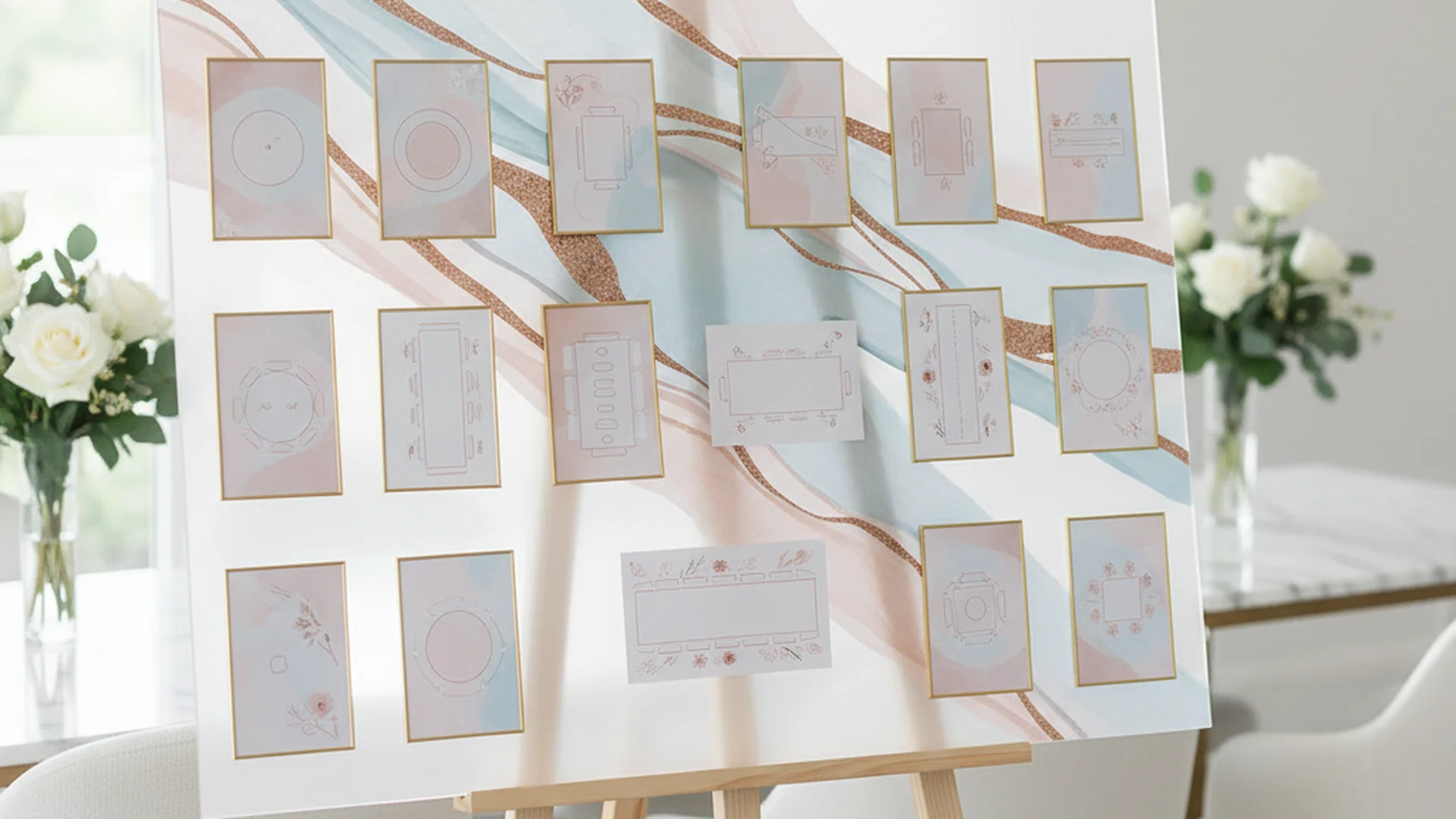
25+ Creative Wedding Seating Chart Ideas & Etiquette Guide (2025-2026)
Discover the best wedding seating chart ideas for your 2025-2026 celebration. From interactive displays to high-tech QR codes, plan your reception layout with ease.