The Ultimate Vow Renewal Ceremony Script Guide for 2025 & 2026
Planning a recommitment? Discover the perfect vow renewal ceremony script with our 2025 guide. Includes modern templates, latest trends, and expert tips.
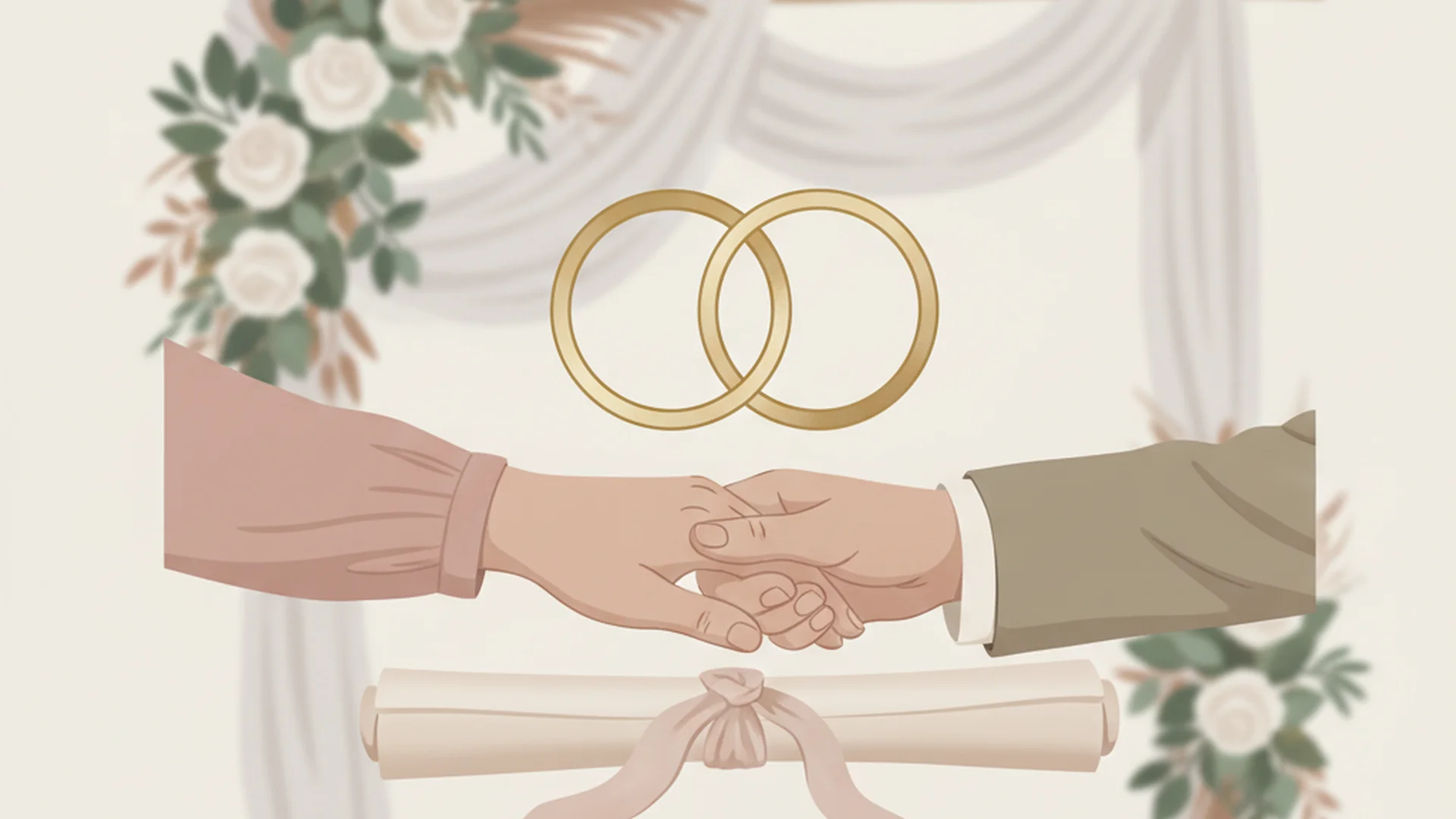
- Vow renewals are symbolic, not legal, offering total creative freedom.
- The storytelling approach focusing on the marital journey is the top 2025 trend.
- Modern scripts average 20–30 minutes and often involve children or close friends.
Whether you’ve been married for five years or fifty, there is something deeply moving about saying "I still do." Unlike a first wedding, which is often a whirlwind of expectations and legalities, a vow renewal ceremony script focuses entirely on the life you have built together. It is a celebration of history, resilience, and the continued choice to walk side-by-side. As we move into 2025 and 2026, couples are moving away from traditional "re-weddings" and toward hyper-personalized storytelling that honors their unique journey.
Why a Vow Renewal is Different in 2025
The global wedding and romance travel market is projected to reach over $73 billion by 2030. This growth is driven by couples who want to celebrate their milestones without the stress of a legal ceremony. In 2025, more and more couples are rejecting traditional "wedding rules" in favor of customized rituals.
The biggest shift we’re seeing as we look toward 2026 is the "Wed-cation"—a multi-day celebration where the ceremony is just one part of a larger group experience. Because there are no marriage licenses to sign and no legal "I dos" required, the script can be anything you want it to be.
Note
The Anatomy of a Modern Vow Renewal Script
While you have total freedom, most successful ceremonies follow a structured flow to help the narrative feel cohesive. If you are feeling stuck, our Complete Guide to Wedding Ceremonies can provide additional context on ceremony flow.
1. The Processional
In 2025, many couples are ditching the traditional "aisle walk" where one partner waits for the other. Instead, couples often enter together, symbolizing the journey they’ve already shared.
2. The Welcome and Invocation
The officiant (who can be a professional, a friend, or even your child) sets the tone. They acknowledge the time that has passed since the original wedding and welcome the "village" of friends and family who have supported the marriage.
3. The Storytelling Segment
This is the heart of the modern script. Rather than generic readings, the officiant shares a brief reflection on the couple’s marriage—highlighting challenges overcome, growth achieved, and the joy of their shared history.
4. The Exchange of Vows
This is the moment to reaffirm original promises or, more commonly, share new ones that reflect who you are today.
5. Symbolic Rituals (Optional)
From "re-blessing" original rings to adding a new anniversary band, this is a physical representation of your continued commitment.
Tip
Sample Vow Renewal Ceremony Script: The "Grand Adventure" Template
This script is designed for couples who view their marriage as a continuing journey. It works perfectly for 10, 20, or 25-year anniversaries.
The Welcome
Officiant: "Family and friends, we are gathered here today not to witness the beginning of a journey, but to celebrate the continuation of one. [Partner A] and [Partner B] stood before many of you years ago and made a series of promises. Today, they stand here with more wisdom, more gray hairs, and a much deeper love than they had on that first day."
The Story
Officiant: "In the years since their wedding, they have built a home, weathered storms, and grown in ways they never imagined. They have learned that love isn't just a feeling you have on a sunny afternoon in a white dress or a tuxedo. Love is the choice made at 3:00 AM when the baby is crying, or the quiet support offered during a career change. Today is about honoring that choice."
The Vows
Partner A: "Ten years ago, I promised to love you. Since then, we have built a home and weathered storms together. Today, I don't just promise to love you—I promise to keep choosing you, to support the person you are becoming, and to continue our grand adventure together. I am more 'us' today than I have ever been."
Partner B: "I stand here today knowing exactly who you are, and I choose you all over again. I promise to be your partner in all things, to laugh with you through the good times, and to hold you through the hard ones. Our story is my favorite story, and I can't wait for the next chapters."
The Ring Exchange
Officiant: "These rings are circles, symbols of an unending love. As you wear them, let them be a reminder not just of the day you first said 'I do,' but of this day, when you said 'I still do.'"
Do this
3 Real-World Examples of Modern Rituals
To make your vow renewal ceremony script stand out in 2026, consider incorporating one of these interactive elements:
- The Group Vow: The officiant asks the guests: "Do you, the family and friends who have supported this couple, promise to continue to stand by them and celebrate their love?" The audience responds with "We do."
- The Circular Seating: Arrange chairs in a circle around the couple. This increasingly popular trend emphasizes that the couple is surrounded by their community rather than performing for them.
- The Time Capsule: During the ceremony, the couple places a bottle of wine and a letter to their "future selves" in a box to be opened on their next major milestone (e.g., 10 years from now).
Heads up
From the OurVows workspace
Shaping your ceremony?
Draft your vows and ceremony, then keep the whole day organized in one place.
Trending Elements for 2025 and 2026
The landscape of ceremonies is shifting. If you want a script that feels current, keep these trends in mind:
AI-Assisted Scripting
A growing number of couples are now using AI to help draft the initial versions of their vows. While the final delivery should be personal, AI can help overcome the "blank page" syndrome by suggesting structures or metaphors based on your specific relationship history.
Sustainability Core
Most couples are prioritizing eco-friendly elements. This reflects in scripts through mentions of "planting roots" or "tending to the garden of marriage." Digital-only invitations have become the standard for renewals planned for 2026.
The "Village" Focus
Modern scripts are moving away from focusing solely on the couple. There is a rising trend of using the ceremony to explicitly thank the friends and family who helped the marriage survive and thrive.
Tip
Common Mistakes to Avoid
Even though a vow renewal is more relaxed than a wedding, there are several pitfalls to watch out for:
| Mistake | Why it Fails | The Fix |
|---|---|---|
| The "Re-Wedding" Mindset | It can feel like a "do-over" rather than a celebration of history. | Focus the script on your shared journey rather than wedding tropes. |
| Not Guiding the Officiant | Because friends often officiate, the ceremony can become aimless or too long. | Provide a clear script or outline to keep the ceremony under 30 minutes. |
| Formal Wedding Party | Matching bridesmaids can feel out of place at a renewal. | Have close friends sit in the front row as "honored witnesses" instead. |
| Over-Formalizing | Trying to make it look "legal" can feel forced. | Embrace the symbolic nature; use a commemorative certificate instead of a license. |
Frequently asked questions
Who should officiate a vow renewal?
Do we need to exchange rings?
How long should the ceremony last?
Can we have a bridal party?
Is it okay to use a script from our first wedding?
Conclusion
A vow renewal ceremony script is more than just words; it is a testament to your endurance as a couple. By focusing on storytelling, involving your community, and embracing the symbolic nature of the event, you can create a ceremony that is even more meaningful than your first wedding day. Whether you choose a simple backyard gathering or a grand multi-day "Wed-cation," let your script reflect the beautiful, messy, and wonderful reality of your life together.
Do this
Ready when you are
Plan Your Milestone
Need help organizing your guest list or timeline for the big day?
Ready when you are
Plan your wedding without the chaos.
Free forever for couples just getting started. Two minutes to set up. No credit card.
Keep reading

Crafting the Perfect Second Marriage Ceremony Script: A Guide to New Beginnings
Planning a remarriage? Discover how to write a Second Marriage Ceremony Script that honors your past while celebrating a beautiful, mature future.
Pew Decorations Wedding: 15 Inspiring Ideas and Trends for 2025-2026
Transform your ceremony aisle with stunning pew decorations wedding ideas. From sustainable florals to 2026 trends, learn how to frame your walk to the altar.
The Ultimate Wedding Processional Order Guide: Traditions and Modern Trends
Master your wedding processional order with our comprehensive guide. From traditional Christian and Jewish lineups to modern LGBTQ+ and 2025 trends.