The Ultimate Guide to Finding and Styling Your Vintage Wedding Dress
Discover how to source, size, and restore the perfect vintage wedding dress. From 90s minimalism to 50s glamour, find your timeless bridal look here.
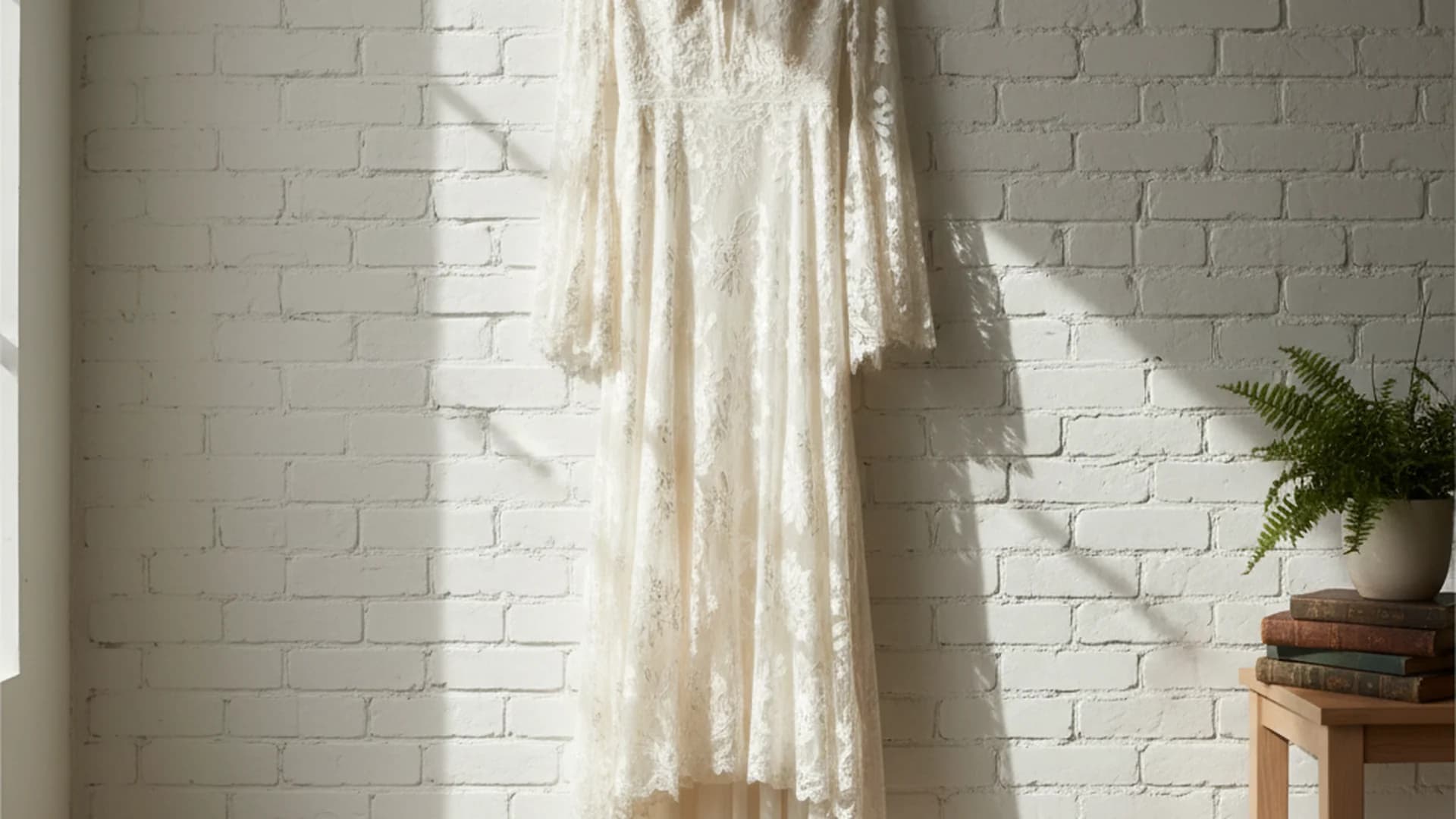
- A dress is 'vintage' if it is 20+ years old and 'antique' if over 100.
- Never trust the size tag; always shop by your actual measurements in inches.
- Restoration and tailoring can often cost more than the dress itself.
Finding the perfect vintage wedding dress is a bit like dating: it requires patience, a keen eye for red flags, and the occasional willingness to overlook a dusty exterior for a heart of pure silk. In an era of "fast-fashion" bridal gowns that often feel as disposable as a reception napkin, more brides are looking backward to find a look that is truly timeless. Whether you are hunting for a 1930s liquid satin gown or a 1990s minimalist slip, going vintage isn't just a style choice—it’s a commitment to sustainability and storytelling.
The Allure of the Past: Why Vintage is Winning 2025
The global wedding dress market is booming, projected to hit $14.43 billion by 2025. Yet, within that growth is a massive shift toward the "pre-loved" market. Modern brides are increasingly eco-conscious, driving a 28% growth in the rental and resale segments. Choosing a vintage wedding dress is the ultimate "something old," offering a level of craftsmanship and fabric quality that is often prohibitively expensive in modern made-to-order gowns.
Historically, bridal fashion has always been about the "Big Moment." While Queen Victoria popularized the white wedding dress in 1840, every decade since has contributed a distinct silhouette. From the "New Look" of the 1950s—which gave us the iconic Tea Length Wedding Dress—to the power-shoulders of the 80s, vintage allows you to step out of the current trend cycle and into a piece of history.
Note
Identifying a "True" Vintage Gown
How do you know if that "vintage" find on a resale site is actually a relic from the 60s or just a 2014 fast-fashion knockoff? You have to look at the "bones" of the garment.
The Hardware and Construction
Before 1960, most dresses utilized metal zippers. If you find a side-zip made of heavy metal, you’ve likely found a gem from the 40s or 50s. Furthermore, look at the seams. Modern dresses are finished with a "serger" (a loopy, overcast stitch). True vintage pieces often feature "pinking" (zigzag cuts to prevent fraying) or French seams, where the raw edges are completely encased.
The Labels
Look for the International Ladies' Garment Workers' Union (ILGWU) labels. These tags, often found in the side seams, changed designs every few years, allowing savvy shoppers to date a dress to a specific five-year window.
Tip
Sourcing Strategy: Silhouette vs. Era
One of the biggest mistakes brides make is searching by era before they know what silhouette actually flatters them. If you love a dramatic, royal look, you might find yourself gravitating toward a Ball Gown Wedding Dress Guide from the 1950s. If you prefer a sleek, modern vibe, the 1990s are your best friend.
| Era | Defining Silhouette | Vibe |
|---|---|---|
| 1930s | Liquid Satin / Bias Cut | Old Hollywood Glamour |
| 1950s | Tea Length / Full Skirt | Whimsical & Classic |
| 1970s | Empire Waist / Lace | Bohemian & Regencycore |
| 1990s | Silk Slips / Square Neck | Minimalist & Chic |
Real-World Example: The 90s Minimalist
Think of the "Carolyn Bessette-Kennedy" look. A bride in 2025 seeking a minimalist aesthetic should target 1990s silk slips. These gowns are often more durable than their 1930s counterparts but offer that same "liquid" movement.
Real-World Example: The Regency Revival
The "Cottagecore" trend has led to a massive resurgence in Edwardian-style gowns from the late 1960s (think designers like Gunne Sax). These feature high necks and puffed sleeves, perfect for outdoor garden weddings. For more on high-waisted options, check out our Empire Waist Wedding Dress guide.
The Reality of Sizing: Don't Look at the Tag
If there is one piece of advice I can give you as a wedding humor consultant, it is this: The size tag is a liar. Vintage sizing is significantly smaller than modern "vanity" sizing. A vintage "Size 12" from 1965 often fits like a modern "Size 4 or 6."
Heads up
The Tailoring Mastery
You should aim to buy a dress that is slightly too large rather than too small. Vintage dresses were often tailored with very tight seam allowances. This means if a dress is too small, there is often no extra fabric inside to "let it out."
When you find your gown, hire a tailor who specializes in bridal restoration, not just general alterations. They understand how to "panel in" fabric or reinforce "shattered" silk—a condition where old silk fibers become brittle and begin to split.
Do this
From the OurVows workspace
Planning a wedding is a lot. We make it feel like less.
Checklist, budget, guest list, and a wedding website — together in one free workspace built for both of you.
Common Mistakes to Avoid
- Buying Without a Condition Report: If buying online, always ask for photos of the lining and the underarms. Damage to the internal structure can make a dress unwearable, even if the lace exterior looks pristine.
- Traditional Dry Cleaning: Standard dry cleaning chemicals can be too harsh for 50-year-old lace. Many specialists recommend "wet cleaning" or using gentle solvents specifically designed for aged textiles.
- Ignoring the Timeline: Start your search at least 8 to 10 months before the wedding. Sourcing matching antique lace or buttons for repairs can take months of scouring eBay and estate sales. You can track your progress using our 12 Month Wedding Planning Checklist.
- Thinking Vintage is Always Cheap: While you can find bargains for $100, a high-end 1950s Dior or a 1970s Ossie Clark can cost thousands.
Budgeting for Your Vintage Gown
It is a common misconception that vintage means "budget." While the initial purchase price might be lower than a new boutique gown, the hidden costs can add up quickly.
| Expense Item | Estimated Cost |
|---|---|
| Initial Gown Purchase | $100 – $1,500 |
| Professional "Wet Cleaning" | $150 – $300 |
| Specialist Restoration | $300 – $800 |
| Final Alterations | $200 – $500 |
| Total Estimated Investment | $750 – $3,100 |
To keep your overall wedding costs in check, try using a (Marketing) - Tools - Wedding Budget Calculator.
Frequently asked questions
Is it hard to find a vintage wedding dress in larger sizes?
Can I dye a vintage wedding dress?
How do I store my dress until the wedding?
Is a pre-owned dress the same as a vintage dress?
Conclusion: Making History Your Own
Choosing a vintage wedding dress is an act of rebellion against the cookie-cutter wedding industry. It requires a bit more legwork and a lot more measuring tape, but the result is a gown with a soul. Whether you are wearing your grandmother's heirloom or a 1930s liquid satin find from a Parisian boutique, you are carrying a piece of the past into your future.
If you are just starting your bridal journey and aren't sure if vintage is for you, take a look at our Complete Guide to Wedding Attire to compare modern silhouettes with historical eras.
Do this
Ready when you are
Ready to Start?
Begin your wedding planning journey today with our expert tools.
Ready when you are
Plan your wedding without the chaos.
Free forever for couples just getting started. Two minutes to set up. No credit card.
Keep reading
The Best Groom Suit Colors for 2025 & 2026: A Complete Guide
Explore the best groom suit colors for 2025-2026. From classic navy to trendy earth tones, find the perfect look for your wedding style and venue.
Flower Girl Dress Ideas: The Ultimate Guide for 2025 and 2026
Discover the top flower girl dress ideas for 2025–2026. From vintage revivals to 3D florals, find the perfect, comfortable look for your littlest bridal party members.
The Ultimate Bridesmaid Dress Guide: Trends and Tips for 2025–2026
Navigate the world of bridesmaid fashion with our 2025–2026 Bridesmaid Dress Guide. Learn about top trends, sizing secrets, and etiquette to keep your party happy.