The Ultimate Guide to Reserved Seating Wedding Strategy for 2025-2026
Master your reserved seating wedding plan with expert tips on seating charts, family traditions, and 2025 trends to ensure a stress-free ceremony.
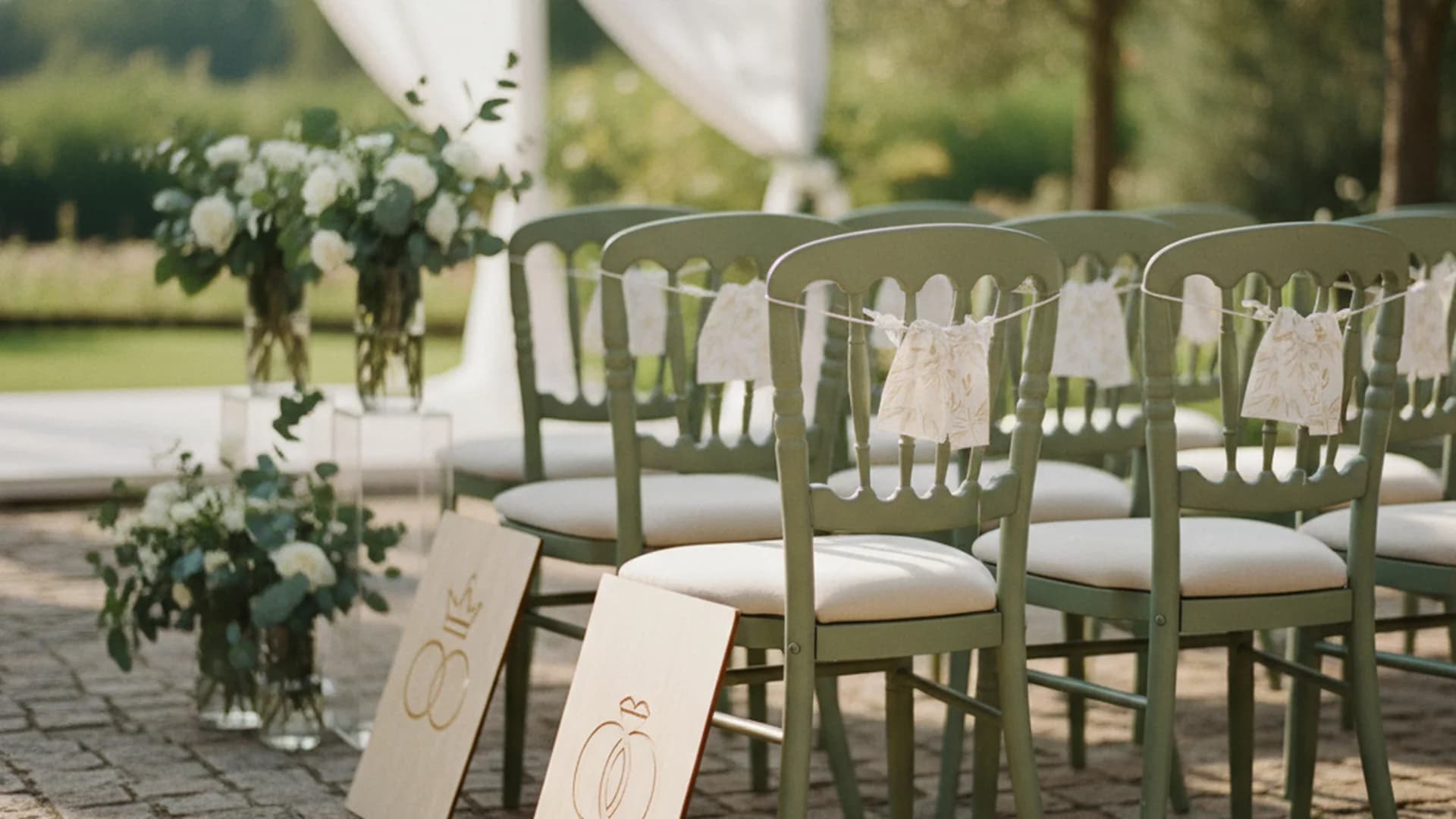
- Assigned seating significantly reduces guest anxiety and improves the ceremony flow.
- Modern trends for 2025 include seating the wedding party and "opposite side" family seating.
- Always provide 105-110% seating capacity if opting for an open seating plan.
Planning a wedding is a journey of a thousand details, but few elements impact the guest experience as directly as your seating strategy. A reserved seating wedding is no longer just a formal tradition; it is a vital logistical tool that ensures your most cherished guests feel honored and comfortable. As an officiant, I have seen firsthand how a well-organized seating plan allows the couple to focus on their vows rather than the awkward shuffling of chairs in the background.
Whether you are hosting an intimate gathering or a grand gala, understanding the nuances of who sits where—and why—is essential for a seamless event. Many couples find that creating a seating chart is one of the most stressful parts of wedding planning. However, with the right approach, this "puzzle" can become a powerful way to design a more inclusive and joyful celebration.
Why Reserved Seating Matters
While "open seating" might sound like a relaxed, bohemian dream, the reality often leans closer to a high school cafeteria. Without a clear plan, guests experience a specific type of social anxiety, wondering if they are "allowed" to sit in the front or if they are accidentally taking a seat meant for the bride’s grandmother.
In our experience, guests overwhelmingly prefer assigned seating. It eliminates the "lunchroom" feeling of searching for a spot and ensures that families and friend groups can stay together. In a complete guide to wedding ceremonies, logistical flow is often cited as the backbone of a successful day, and seating is the starting point of that flow.
The "105% Rule" for Open Seating
If you do decide to go against the grain and choose open seating, you must account for the "gap chair" problem. Humans naturally leave a buffer of one seat between themselves and strangers. To prevent your later-arriving guests from being forced to stand or split up, industry experts recommend providing 105% to 110% of the total seats needed. If you have 100 guests, set out 110 chairs.
Note
Logistics: Who Must Have a Reserved Seat?
In every ceremony, there is a "VIP" list—those whose presence is essential to the heart of the wedding. These individuals should never have to wonder where they are sitting.
Essential Reserved Guests
- The Processional Participants: Anyone walking down the aisle, including parents, grandparents, and flower girls.
- The Wedding Party: If your bridesmaids and groomsmen aren't standing at the altar for the duration of the ceremony, they need dedicated spots in the front row.
- The Officiant and Readers: If your officiant is a family friend who will join the guests after the ceremony, or if you have friends performing readings, they need easy access to the aisle.
- Accessibility Needs: Guests with mobility issues, those in wheelchairs, or elderly family members should be seated at the ends of rows near the exits.
The Role of the Usher
To ensure your reserved seating wedding runs like clockwork, you need a dedicated team. The traditional rule of thumb is one usher for every 50 guests. These individuals do more than hand out programs; they act as air traffic control, guiding VIPs to their specific name-labeled seats and ensuring the general guest population fills in the remaining rows from front to back.
| Guest Count | Recommended Ushers | Seating Strategy |
|---|---|---|
| 50 or fewer | 1-2 | Optional Chart |
| 100 Guests | 2 | Partial Reserved |
| 150+ Guests | 3-4 | Fully Assigned |
| 250+ Guests | 5+ | Alphabetical List |
Traditions and Cultural Nuances
Seating isn't just about chairs; it’s about heritage and family dynamics. Understanding the "rules" helps you decide when to follow them and when to break them.
Which Mother is Seated First?
Tradition dictates the order of the processional. Generally, the mother of the groom is seated first, signifying the start of the formal seating. She is followed by the mother of the bride, who is the final person seated before the processional begins. In many cultures, the seating of the Mother of the Bride is the "all-rise" signal that the ceremony is officially commencing.
Left vs. Right: The Family Divide
The side of the aisle a family sits on is often determined by religious or cultural tradition:
- Christian Traditions: The bride’s family sits on the left and the groom’s on the right.
- Jewish Traditions: The bride’s family is on the right and the groom’s on the left.
Tip
2025-2026 Trends in Wedding Seating
As we look toward the 2025 and 2026 wedding seasons, couples are prioritizing intimacy and visibility over rigid formality.
Seated Wedding Parties
A major upcoming trend is having the bridesmaids and groomsmen sit in the front row instead of standing at the altar. This creates a much more intimate feel for the couple, allowing them to be the sole focus during the vows. It also allows your closest friends to actually see the ceremony rather than staring at the back of your head.
"Opposite Side" Family Seating
Modern couples are increasingly seating their parents on the opposite side of the aisle. For example, the bride’s parents might sit on the groom’s side. Why? Because it allows the parents to see their own child’s face during the vows rather than just their back.
Do this
Tech-Forward Seating Solutions
The rise of QR codes isn't slowing down. For large receptions, welcome signs now feature a QR code. Guests scan it, enter their name, and their table number pops up instantly. This saves space, reduces paper waste, and prevents the bottleneck that occurs when 200 people try to find their name on a single board. If you're planning a large event, using a guest count calculator alongside digital seating can save hours of manual labor.
From the OurVows workspace
Shaping your ceremony?
Draft your vows and ceremony, then keep the whole day organized in one place.
Designing the Seating Chart
When it comes to the physical seating chart, visibility is king. For a reserved seating wedding, you want to ensure the transition from the ceremony to the reception is as smooth as possible.
Alphabetize for Efficiency
If you have more than 150 guests, never organize your seating chart by table number. This forces guests to scan every single table to find their name. Instead, alphabetize the list by last name. This allows guests to find their assignment in under 30 seconds, keeping the flow into the reception area moving.
Height and Readability
Ensure your signs are placed at eye level. Signs placed on the floor or too low are easily missed. Furthermore, avoid overly ornate "Disney-style" script fonts. While they look beautiful on Pinterest, they are notoriously difficult for older guests to read in dim reception lighting.
Heads up
Common Mistakes to Avoid
Even with the best intentions, a few common seating errors can disrupt the harmony of your day.
The "Singles Table"
Nothing makes a guest feel more "on display" than being relegated to a table of strangers just because they are single. Experts now recommend interspersing single guests among tables of people they already know or share interests with. Use your knowledge of their hobbies or career paths to create meaningful connections.
Overcrowding the Tables
Putting 12 people at a 60-inch round table (designed for 8–10) is a major comfort fail. It leads to elbow-bumping and makes it nearly impossible for catering staff to serve plated meals. If your guest list is growing, use a wedding budget calculator to see if you can afford to add more tables and linens rather than cramming guests together.
Neglecting the "Buffer" Seat
As mentioned earlier, if you aren't assigning every single seat, you must have extra chairs. Without a buffer, families of four will find themselves split up because the only remaining seats are scattered singles.
Frequently asked questions
Do I need a seating chart for a small wedding?
How do I handle divorced parents in a reserved seating wedding?
What is the "105% rule"?
Where should the officiant sit during the reception?
Should I use a QR code for my seating chart?
Conclusion
A reserved seating wedding is one of the kindest things you can do for your guests. By taking the guesswork out of where to sit, you allow your loved ones to settle in, relax, and fully immerse themselves in the celebration of your love. From the traditional seating of the mothers to the modern trend of "opposite side" visibility, every chair placement is an opportunity to honor those who have supported you.
Remember, the goal of a seating chart is not to control your guests, but to care for them. By avoiding common pitfalls like the "singles table" and prioritizing accessibility, you ensure that everyone from your youngest niece to your oldest grandparent feels like a valued part of the day.
Do this
Ready when you are
Ready to Organize?
Create your perfect guest list and seating strategy today.
Ready when you are
Plan your wedding without the chaos.
Free forever for couples just getting started. Two minutes to set up. No credit card.
Keep reading

Crafting the Perfect Second Marriage Ceremony Script: A Guide to New Beginnings
Planning a remarriage? Discover how to write a Second Marriage Ceremony Script that honors your past while celebrating a beautiful, mature future.
Pew Decorations Wedding: 15 Inspiring Ideas and Trends for 2025-2026
Transform your ceremony aisle with stunning pew decorations wedding ideas. From sustainable florals to 2026 trends, learn how to frame your walk to the altar.
The Ultimate Wedding Processional Order Guide: Traditions and Modern Trends
Master your wedding processional order with our comprehensive guide. From traditional Christian and Jewish lineups to modern LGBTQ+ and 2025 trends.