The Ultimate Guide to Love Poems for Weddings: 2025 Trends and Traditions
Discover how to choose and perform the perfect love poems for weddings. Explore 2025 trends, classic versus modern voices, and expert tips for a meaningful ceremony.
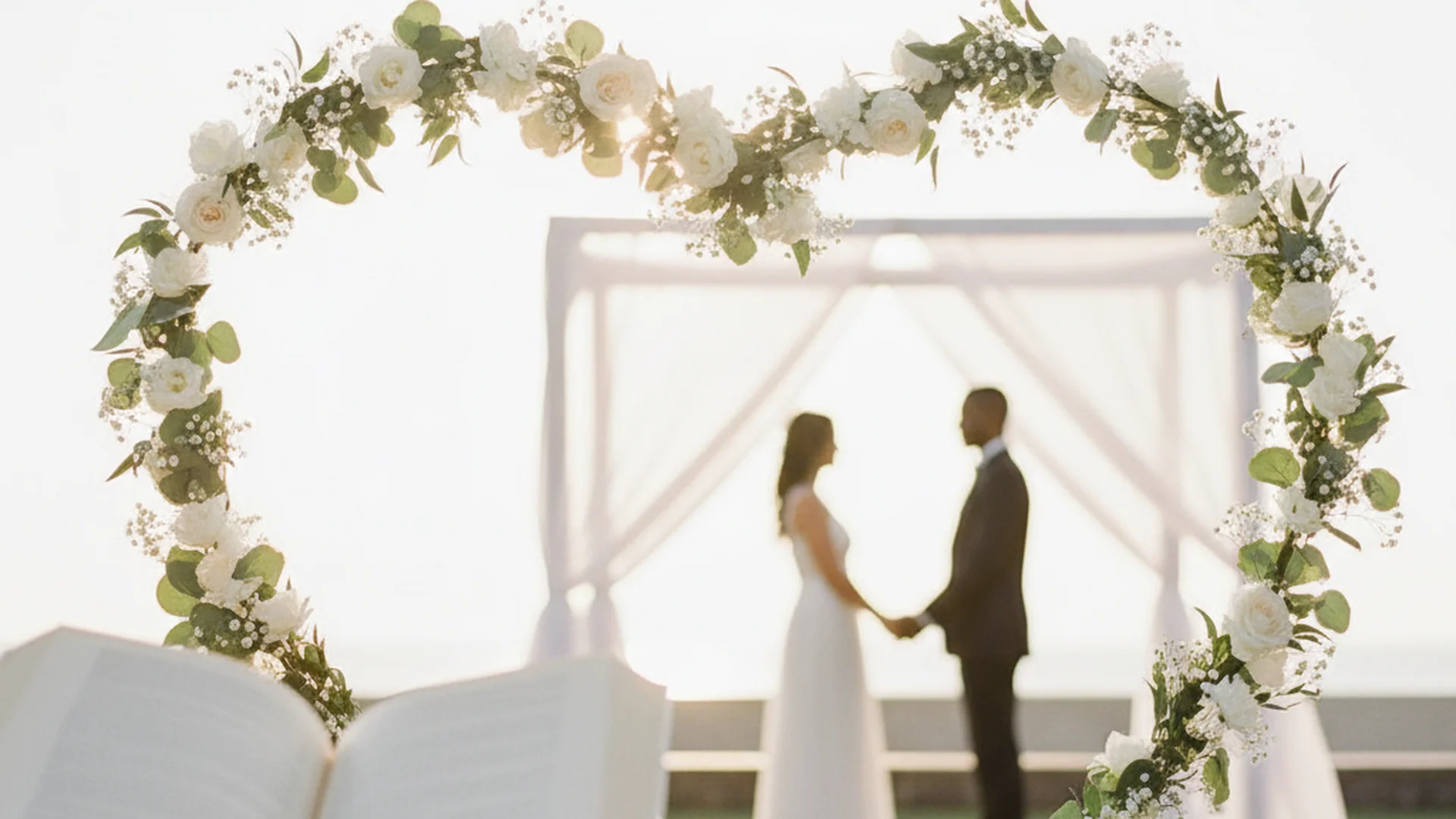
- Wedding poetry is shifting toward niche, authentic, and modern voices for 2025.
- Choose a poem with a "personal hook" rather than picking from a generic list.
- Performance matters—avoid reading from a phone and aim for a 1-2 minute duration.
Finding the perfect love poems for weddings is about more than just filling a slot in your ceremony program; it is about finding the language that articulates your unique bond when your own words feel insufficient. As a vow ghostwriter, I have seen how a well-chosen poem acts as a bridge, inviting your guests into the "sacred space" of your relationship. Whether you are leaning toward the timeless sonnets of the past or the punchy, relatable "Insta-poetry" of the present, the right verse can transform a standard ceremony into an unforgettable emotional experience.
In 2025, the landscape of wedding poetry is changing. Couples are moving away from the "one-size-fits-all" approach and toward selections that reflect their specific interests, from dark academia aesthetics to AI-assisted refinements.
The History and Modern State of Wedding Poetry
The tradition of reciting poetry during nuptials is far from a modern trend. Its roots stretch back to Ancient Greece (600 BC) with the epithalamium—a specific genre of poem written to honor the bride and groom. While the medium has evolved from clay tablets to digital screens, the core intent remains: to use rhythmic, elevated language to mark a life-altering transition.
Interestingly, there is a disconnect between our daily habits and our ceremonial choices. Most people have heard a poem read at a wedding, even though relatively few read poetry in their spare time. This suggests that we view poetry as a "high-status" language reserved for life's most significant milestones.
The Rise of the Gen Z Aesthetic
A growing share of newlyweds now belongs to Generation Z. This demographic tends to prioritize "meaningful connection" and "authenticity" over tradition for tradition's sake. This has led to a surge in niche poetry and "non-linear narratives"—free verse that focuses on sensory feelings rather than a rigid beginning-middle-end structure.
Note
2025–2026 Trends: What’s "In" for Wedding Readings
As we move into the 2025 and 2026 wedding seasons, several distinct trends are emerging that dictate which poets are making it onto the ceremony script.
1. The Gothic & Brontë Revival
Driven by a wave of 2026 film adaptations (including a highly anticipated Wuthering Heights), there is a significant shift toward "moody romance." Couples are embracing "dark academia" aesthetics, leading to a comeback for Emily Brontë and Lord Byron. These poems offer a weight and intensity that feels grounded and eternal.
2. "Insta-Poetry" and Modern Voices
While the classics remain, modern "Insta-poets" like Tyler Knott Gregson, Atticus, and Lang Leav are the most requested voices for 2025. Their work is characterized by being:
- Punchy: Often just a few lines long.
- Relatable: Using modern vocabulary and metaphors.
- Shareable: Highly visual, often appearing on programs as decor.
3. Poetry as Physical Decor
We are seeing poetry move off the page and into the physical space. One of the top entertainment trends for 2026 is hiring Live Typewriter Poets (or "Haikuists") to write custom poems for guests during the cocktail hour. Additionally, couples are printing single lines of meaningful verse in sculpted emboss or watercolor on handmade deckled-edge paper for their invitations.
4. AI Integration
A growing number of couples now use AI tools like ChatGPT to help draft or refine their wedding poems and vows. While AI is rarely used to write a poem from scratch, it has become a valuable "brainstorming partner" for modernizing older texts or finding poems that match a specific theme.
Tip
How to Choose the Perfect Poem: The "Inside Out" Approach
Expert celebrants recommend avoiding the "Catalog Trap"—searching for "best wedding poems" and picking the first one that sounds nice. Instead, use the "Inside Out" Approach:
- List Shared Interests: Think of a specific film, a book you both read early in your relationship, or a location that defines you.
- Find the "Hook": Choose a poem that has a personal connection. If you both love hiking, a poem about nature and paths feels more authentic than a generic sonnet.
- Check the Tone: Does the poem match the vibe of your venue? A moody Lord Byron poem might feel out of place at a Beach Wedding Ceremony, while a lighthearted Atticus verse fits perfectly.
Heads up
Real-World Examples of Wedding Poetry Styles
To help you visualize how these poems work in practice, here are three examples of different styles currently trending for 2025.
Example 1: The Modern Minimalist (Atticus Style)
Best for: A Civil Wedding Ceremony or a modern industrial venue.
"Love is not a place to go but a way of traveling. It is the compass, the map, and the quiet voice that says, 'Keep going, we are almost home.'"
Example 2: The Gothic Romantic (Emily Brontë Style)
Best for: Winter weddings, historic estates, or dark academia themes.
"He's more myself than I am. Whatever our souls are made of, his and mine are the same... my great thought in living is himself. If all else perished, and he remained, I should still continue to be; and if all else remained, and he were annihilated, the universe would turn to a mighty stranger." (Note: This is a prose-poetry excerpt from Wuthering Heights)
Example 3: The Secular Spiritualist (Khalil Gibran Style)
Best for: Couples who want depth without religious scripture.
"Love one another but make not a bond of love: Let it rather be a moving sea between the shores of your souls. Fill each other's cup but drink not from one cup. Give one another of your bread but eat not from the same loaf."
Do this
From the OurVows workspace
Shaping your ceremony?
Draft your vows and ceremony, then keep the whole day organized in one place.
Common Mistakes to Avoid
Even the most beautiful poem can fall flat if the execution is poor. Avoid these common pitfalls:
- The Phone-Reading Faux Pas: Reading a poem off a smartphone is a major "aesthetic mistake" for 2025. The blue-light glare ruins professional photography and feels too casual for a formal ceremony. Always provide a physical card or high-quality cardstock.
- The "Rehearsal Rule" Violation: Never ask a reader to memorize a poem. Nerves can cause memory slips. Always have a printed copy on the lectern.
- Poor Placement: Don't just "tuck it in" anywhere.
- Early in the ceremony: Sets the tone and invites guests in.
- Post-Vows: Acts as a reflection of the promises just made.
- Rushing the Delivery: Expert readers suggest "hitting the verbs" and finding natural pauses. A common mistake is rushing through metaphors due to nerves.
Heads up
Logistical Considerations: Who, What, and How Long?
Who Should Read the Poem?
Poetry readings are a fantastic way to involve "VIP" guests who aren't in the official wedding party. This could be a close friend, a sibling, or a parent. Choose someone who is comfortable with public speaking and has a voice that carries well.
How Long Should It Be?
The ideal length for a wedding poem is between 1 and 2 minutes. This usually equates to roughly 12 to 24 lines of text. Anything longer than three minutes risks losing the audience's attention, especially during a standing ceremony or in an outdoor setting with distractions.
Do I Need Copyright Permission?
Reciting a poem in a private ceremony is generally considered "fair use." However, if you plan to:
- Print the full text in a commemorative program.
- Post a high-quality video of the reading to a commercial YouTube channel.
- Include it in a published book of your wedding.
You technically need permission if the poet has been dead for less than 70 years. For most private ceremonies, however, you are safe to recite and share your wedding video with friends and family.
| Poem Type | Best For | Vibe |
|---|---|---|
| Classical | Traditional Church | Formal, Timeless |
| Modern | Loft/Urban Wedding | Short, Relatable |
| Gothic | Winter/Historic | Intense, Deep |
| Free Verse | Outdoor/Boho | Organic, Flowing |
Frequently asked questions
Can we use secular poems in a religious ceremony?
How do I find a reader if I don't want to read it myself?
Should the poem rhyme?
Is it okay to use AI to write a poem for my wedding?
Conclusion
Love poems for weddings are the connective tissue of a ceremony. They provide the "why" behind the "I do," giving your guests a glimpse into the depths of your commitment. Whether you choose the moody intensity of a Brontë revival or the minimalist beauty of a modern Insta-poet, ensure your choice is rooted in your personal story rather than a generic list.
By following the "Inside Out" approach, respecting the "Rehearsal Rule," and avoiding the aesthetic pitfall of phone-reading, you can ensure that your chosen verse resonates long after the final "Amen" or toast.
Do this
Ready when you are
Ready to Start?
Use our Wedding Vow Writer to create a ceremony that is uniquely yours.
Ready when you are
Plan your wedding without the chaos.
Free forever for couples just getting started. Two minutes to set up. No credit card.
Keep reading
25 Cinematic Wedding Readings from Movies for a Modern Ceremony
Discover the best wedding readings from movies, from rom-com classics to sci-fi epics. Expert tips from Dr. Julian Kwong on choosing the perfect cinematic quote.

The Ultimate Friend Officiant Wedding Script: A Modern Guide for 2025
Learn how to craft a personalized friend officiant wedding script. From legal requirements to storytelling tips, here is everything you need for 2025.
The Ultimate Guide to Wedding Marquee Letters: Lighting Up Your 2025-2026 Celebration
Discover how wedding marquee letters can transform your venue. Learn about 2025 trends, rental costs, and expert styling tips to make your big day shine.