LGBTQ Wedding Traditions: A Guide to Reimagining Your Big Day
Explore modern LGBTQ wedding traditions for 2025-2026. From gender-neutral fashion to inclusive ceremonies, learn how to plan a celebration that honors your love.
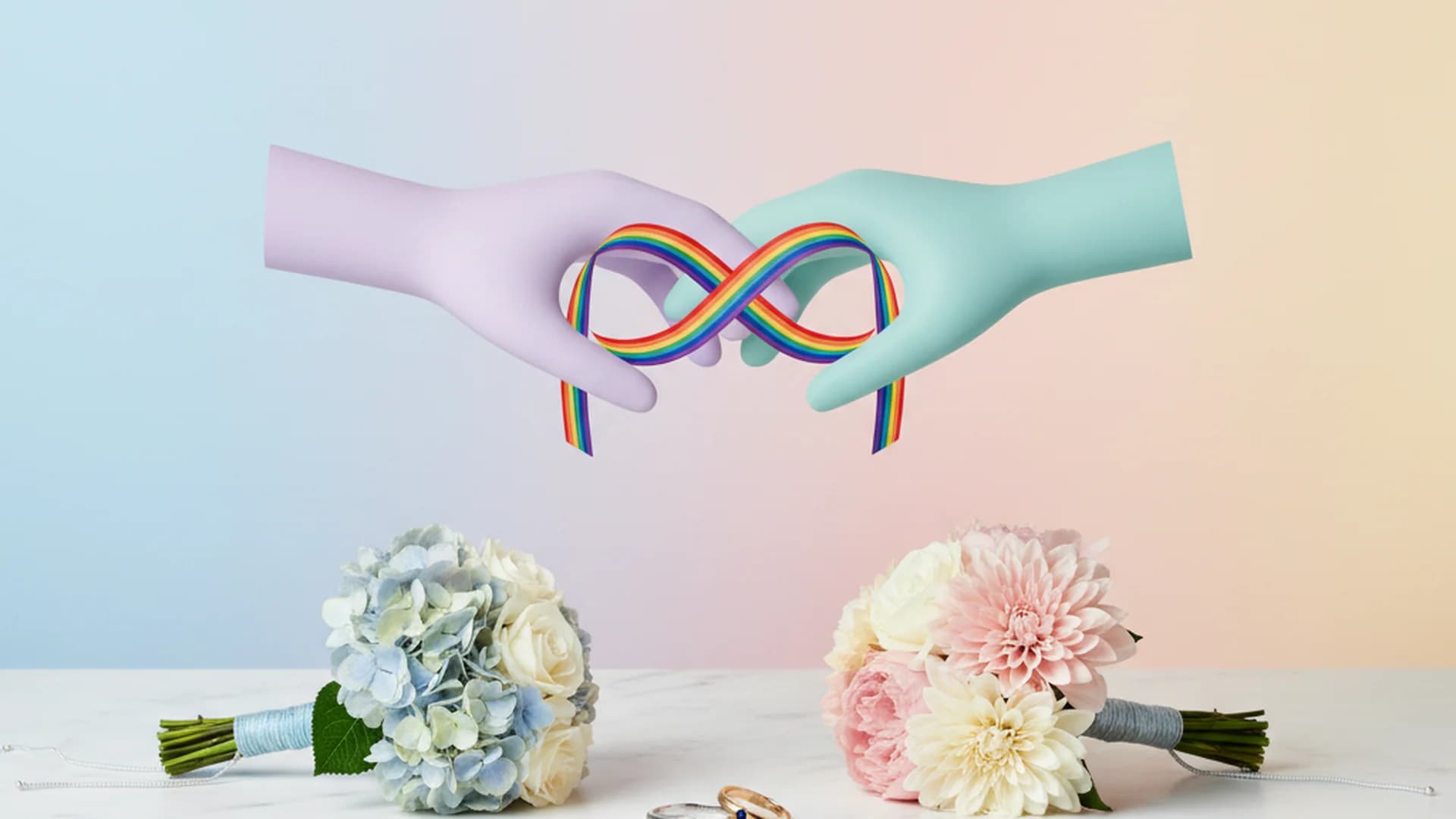
- Modern LGBTQ weddings prioritize personal expression over heteronormative rules.
- Seeking 'gay-competent' vendors is essential for an inclusive experience.
- Tradition is what you make it—most queer couples consider their unique celebrations 'traditional.'
Planning a wedding is a monumental task, but for queer couples, it is also a profound opportunity to "rip up the rulebook" and build something entirely new. When we talk about LGBTQ wedding traditions, we aren't just talking about a checklist of chores; we are talking about the reclamation of a space that was historically denied to our community. As of 2025, with over 823,000 married same-sex couples in the U.S. alone, the landscape of "the big day" has shifted from asking for permission to celebrating with unapologetic pride.
Whether you are dreaming of a quiet micro-wedding or a campy, disco-ball-infused gala, this guide will walk you through the evolving rituals, statistics, and best practices for 2025 and 2026.
The New Foundation of Queer Nuptials
For decades, weddings were built on a binary foundation: a bride and a groom, each with specific, gendered roles. Today, LGBTQ+ couples are proving that tradition is not a fixed monument but a fluid medium. Data from the Williams Institute shows that since nationwide legalization in 2015, over 591,000 couples have wed, bringing with them a surge of creativity that has influenced the entire wedding industry.
One of the most significant shifts is in the "why" behind the wedding. While legal protections and companionship are high on the list, the vast majority of couples cite love as their primary motivator. This focus on emotional authenticity is the heartbeat of every modern queer ceremony.
Tip
Reimagining the Ceremony: Rituals and Processionals
The ceremony is the most sacred part of the day, yet it is often the most heteronormative. LGBTQ+ couples are leading the way in neutralizing the "aisle experience."
The Processional
The traditional "father giving away the bride" can feel exclusionary or simply irrelevant to many queer identities. Here are three popular ways couples are handling the walk:
- Walking Together: Entering the ceremony space hand-in-hand symbolizes that you are entering this marriage as equals.
- The Double Aisle: Two aisles allow both partners to walk simultaneously, meeting at the altar at the same time. This is a powerful visual of two lives converging.
- Chosen Family: For many in the community, biological family may not be present. Walking with a "Best Person," a mentor, or a chosen sibling honors the community that sustained you before marriage was a legal option.
Inclusive Language and Roles
The terminology we use matters. Instead of "Bridesmaids" and "Groomsmen," many couples are opting for:
- The Honor Crew
- The I-Do Crew
- Attendants
- Wedding Party
Invitations and programs are also seeing a shift toward gender-inclusive prefixes like Mx. or M. to ensure all guests and participants feel seen. For more on structuring your ceremony, check out our Same Sex Wedding Ceremony Script.
Do this
Fashion: Beyond the Binary
In 2025 and 2026, we are seeing a massive rise in Gender-Neutral Luxe. The binary of "tuxedo vs. white dress" is being replaced by silhouettes that prioritize the wearer's comfort and identity.
- Capes as the New Veil: Long, flowing capes in silk, lace, or even velvet are becoming a staple for those who want drama without the traditional bridal connotation.
- High-End Fluidity: Think brocade suits, wide-leg silk trousers, and structured jumpsuits. Fashion is moving toward "reclaiming the fabulous" through bold textures and non-traditional colors.
- The Ring Trend: Interestingly, LGBTQIA+ couples are far more likely to exchange two rings than heterosexual couples. Whether it's matching bands or two distinct engagement rings, the "rules" of jewelry are officially retired.
For more inspiration on what to wear, see our guides on Two Brides Wedding Attire and Two Grooms Wedding Attire.
Real-World Examples: LGBTQ Traditions in Action
To understand how these concepts translate to real life, let's look at three couples who customized their celebrations:
1. The "Dual Aisle" Celebration (Leo and Marcus)
Leo and Marcus wanted to honor their individual journeys. They set up their outdoor ceremony with two curved aisles that met in front of a circular floral installation. They walked at the same time to a string quartet version of a Lady Gaga song, meeting in the middle to join hands and walk the final few feet together. It perfectly symbolized two distinct paths merging into one.
2. The "Gender-Fluid Gala" (Sasha and Jamie)
Sasha (non-binary) and Jamie (trans-masculine) threw out the "suit and dress" expectation. Sasha wore a bespoke gold-embroidered cape over a white jumpsuit, while Jamie wore a velvet burgundy suit with a floral harness. Their "Honor Crew" consisted of friends of all genders wearing various shades of sunset orange, allowing everyone to choose a silhouette that made them feel confident.
3. The Religious Reimagining (Elena and Maya)
Coming from a Jewish and a Catholic background respectively, Elena and Maya worked with an inclusive officiant. They incorporated a Chuppah (Jewish wedding canopy) to symbolize the home they were building but used it in a secular garden setting. They also included a Handfasting ritual—a nod to ancient Celtic traditions—to represent the binding of their lives, proving that you can blend faith and identity without compromise.
From the OurVows workspace
Planning a wedding is a lot. We make it feel like less.
Checklist, budget, guest list, and a wedding website — together in one free workspace built for both of you.
2025–2026 Trends: Reclaiming the "Fabulous"
The trend for the upcoming seasons is "Taking Back Tacky"—or what many call the Camp Aesthetic. After years of striving for "perfect" and "palatable" weddings to prove our love was "just like everyone else's," queer couples are leaning into the joy of being different.
- Interactive Entertainment: DJs are great, but drag performers, tarot card readers, and live tattoo stations are the hallmarks of a 2026 queer wedding. It’s about creating an experience for the guests.
- Bold Decor: Neon signs with cheeky phrases, disco ball centerpieces, and "maximalist" floral arrangements.
- Economic Adjustments: With many couples feeling the pinch of the economy, a growing number are choosing 10 Guest Wedding Ideas to afford high-end experiences like a private chef or a destination villa.
Note
Common Mistakes to Avoid
Even with the best intentions, planning an LGBTQ+ wedding can hit some snags. Here are the most common pitfalls to avoid:
- The "Who is the Bride?" Assumption: This is the quickest way to alienate a queer couple. In an LGBTQ+ wedding, there may be two brides, no brides, or two grooms. Avoid forcing couples into "man’s role" and "woman’s role" boxes.
- Deadnaming and Misgendering: This is a critical error. Whether it’s on a seating chart or during a toast, using a trans or non-binary person’s legal "deadname" can be deeply traumatic. Always verify names and pronouns before anything goes to print.
- Settling for "Gay-Friendly" Vendors: There is a difference between a vendor who "tolerates" queer weddings and one who is "gay-competent." A competent vendor actively showcases diverse couples in their portfolio and uses inclusive language on their website.
- Inviting Unsupportive Family: You are not obligated to invite anyone who brings judgment or negativity to your space. A wedding is a celebration of support—if they don't support the foundation of the marriage, they don't need to be at the party.
Heads up
Frequently asked questions
What terms should we use for ourselves on invitations?
How do we handle the last name change?
Can we include religion if the faith has traditional gender roles?
Do we have to follow the "Bride’s Side" and "Groom’s Side" seating?
Should we have a "Best Man" or "Maid of Honor"?
Building Your Own Tradition
At the end of the day, LGBTQ wedding traditions are about one thing: Autonomy. For the first time in history, we have the freedom to define what a "real wedding" looks like. Whether that includes a traditional religious ceremony or a drag queen throwing glitter during the recessional, the only "rule" is that it must reflect the two people at the center of it.
Remember, most LGBTQ+ couples consider their weddings "traditional"—they’ve simply modernized the templates to fit their actual lives. By focusing on "gay-competent" vendors, inclusive language, and your own unique aesthetic, you aren't just planning a party; you are making history.
Do this
Ready when you are
Ready to Start?
Use our custom tools to build your perfect, inclusive wedding day.
Ready when you are
Plan your wedding without the chaos.
Free forever for couples just getting started. Two minutes to set up. No credit card.
Keep reading
Finding Authentic LGBTQ Friendly Wedding Vendors: A Guide for 2025-2026
Learn how to find authentic LGBTQ friendly wedding vendors for your 2025-2026 celebration. Avoid pinkwashing and discover trends like gender-neutral luxe.

The Ultimate Same Sex Wedding Ceremony Script Guide for 2025 & 2026
Craft a meaningful same sex wedding ceremony script with our expert guide. Explore modern rituals, inclusive language, and 2026 trends for your LGBTQ+ celebration.
Nonbinary Wedding Ideas: A Guide to Celebrating Gender Euphoria
Discover inclusive nonbinary wedding ideas for 2025-2026. From gender-neutral terminology to attire and rituals, plan a celebration that honors your authentic self.