Breaking the Binary: How to Plan Your Perfect LGBTQ Wedding First Dance
Reclaim tradition on your own terms. Learn about switch dancing, gender-neutral songs, and 2026 trends for your LGBTQ wedding first dance.
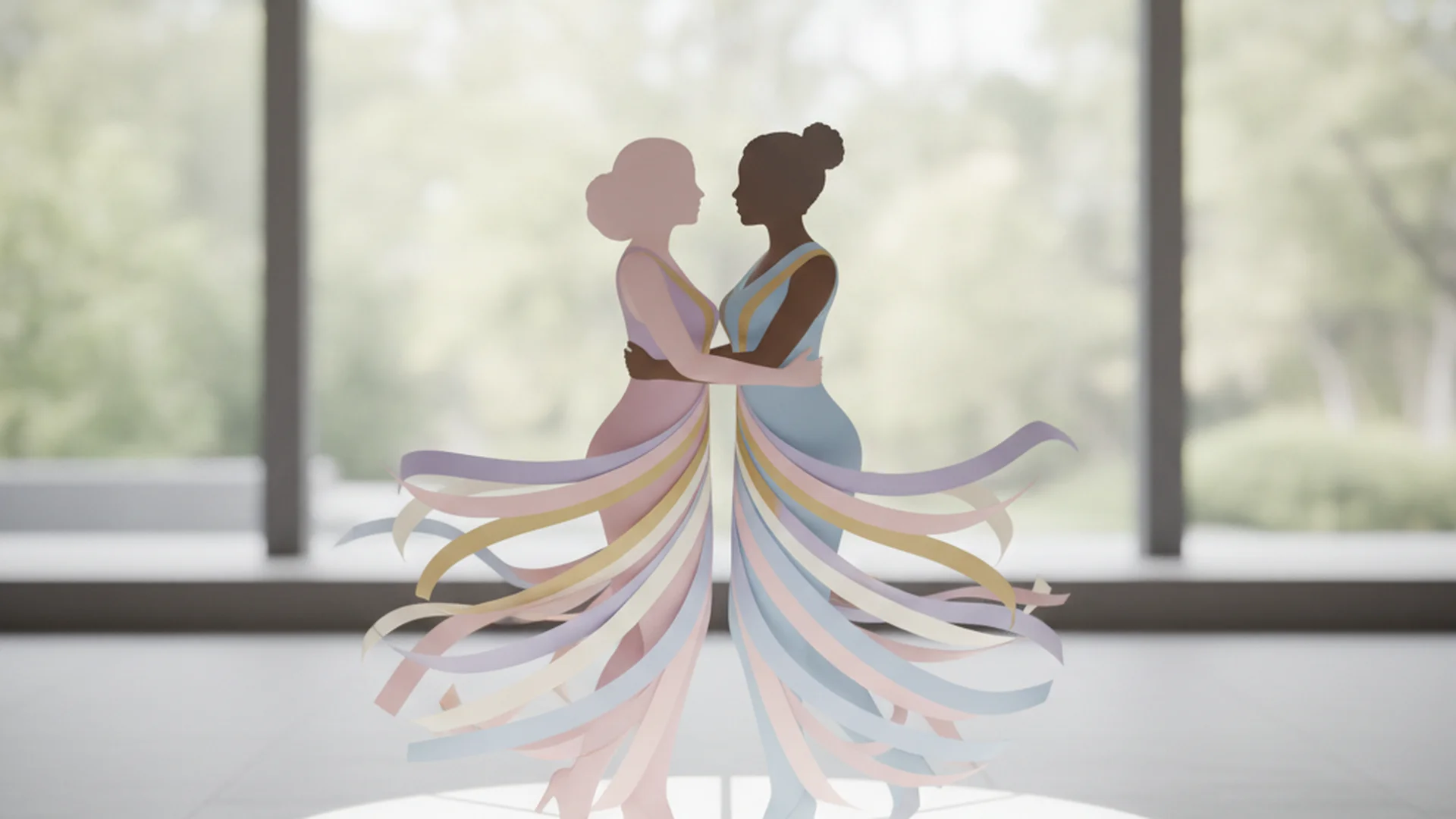
- The LGBTQ wedding first dance is being reclaimed through 'switch dancing' and gender-neutral song choices.
- Modern couples are moving away from heteronormative roles and focusing on authenticity over perfection.
- Interactive elements like drag cameos and mashups are defining the 2025-2026 wedding season.
For decades, the wedding industry was built on a foundation of "his and hers." From the aisle walk to the cake cutting, every moment followed a rigid gendered script. However, since the landmark 2015 Obergefell v. Hodges decision, queer couples have been dismantling these binaries and rebuilding them into something far more beautiful and personal. Perhaps no moment is more ripe for reinvention than the LGBTQ wedding first dance.
The first dance is a high-visibility moment that can feel daunting for many in our community. Is it too "traditional"? Who leads? What if the song pronouns don't match our identities? These questions are common, but the answers are liberating. In 2025 and 2026, the trend is moving away from performing for the audience and toward a celebration of "Freedom to Play." Whether you want a choreographed ballroom routine or a high-energy queer anthem, your first dance is the perfect opportunity to set the tone for your life together.
Rethinking the "Lead": The Rise of Switch Dancing
One of the most persistent questions I hear as a coach is: "Who leads and who follows?" In traditional ballroom dance, the "man" leads and the "woman" follows. In an LGBTQ wedding first dance, these labels are not just outdated; they are functionally irrelevant.
Many modern couples are adopting the "Switch Dance" technique, also known as "liquid leading." This style of dance involves both partners alternating the role of leader and follower throughout the song. Not only is this a practical way to navigate the dance floor, but it also serves as a powerful metaphor for the equality and partnership inherent in a queer marriage.
How to Execute a Liquid Lead
To transition roles, choreographers often recommend a "double-hand turn" or a "waist-wrap." For example, one partner might lead a spin, and as the other partner finishes the rotation, they catch the first partner's hands in a new position that naturally places them in the "lead" role.
Tip
Song Choice Guide: Beyond the Binary
Finding the right track for your LGBTQ wedding first dance can be tricky when so many "classics" are steeped in gendered language. While some couples enjoy the irony of a "he" or "she" in a song, others prefer a more inclusive lyrical experience.
When scouting for songs, look for "You/I" perspectives rather than third-person pronouns. This keeps the focus on the connection between the two of you.
Classic vs. Modern Selection
| Style | Song Title | Artist | Why it Works |
|---|---|---|---|
| Classic | "At Last" | Etta James | Timeless, soulful, and uses gender-neutral "You." |
| Modern Pop | "Lucky Strike" | Troye Sivan | Upbeat, unapologetically queer, and high energy. |
| Indie | "Mystery of Love" | Sufjan Stevens | Ethereal and deeply romantic. |
| Power Ballad | "I Choose You" | Sara Bareilles | Focuses on the conscious choice of partnership. |
Note
2026 Trends: From Capes to Drag Cameos
The queer wedding landscape in 2026 is defined by a refusal to be bored. Couples are no longer content with three minutes of swaying; they are turning their first dance into a full-scale production.
1. The "Second Look" Reveal
We are seeing a massive surge in couples using the first dance as an opportunity for a costume change. A couple might begin their dance in heavy, formal gowns or stiff blazers, only to disappear for thirty seconds and return in chic sequins, jumpsuits, or capes. This "Second Look" allows for more dynamic movement and signals to the guests that the "party" has officially started.
2. Mashup Madness
Moving from a slow, sentimental ballad into a high-energy TikTok-inspired routine is a fan favorite. We’ve seen couples start with "Your Song" by Elton John and abruptly transition into "Pink Pony Club" by Chappell Roan. It’s a great way to show both the romantic and the fun-loving sides of your relationship.
3. Interactive Entertainment & Drag Cameos
For couples who feel uncomfortable being the sole center of attention, "interruption" is a major trend. Many LGBTQ couples are hiring drag performers to "crash" the first dance halfway through. The queens or kings join the couple, the music shifts to a queer anthem like "Rush" by Troye Sivan, and the moment transforms into a mini-drag show that gets everyone on their feet.
Do this
Pro-Tips for Non-Dancers
You don't need to be a professional to have a memorable LGBTQ wedding first dance. In fact, some of the most moving dances are the ones that prioritize authenticity over perfect footwork.
Wardrobe and Physics
One of the most common mistakes is forgetting that your wedding attire is not gym wear. A long train can be a tripping hazard, and a high-fashion blazer might prevent you from lifting your arms above your shoulders.
Heads up
The "Fade-Out" Signal
If you are worried about the dance feeling too long, coordinate a "fade-out" signal with your DJ. This could be a specific spin or a nod. Once the DJ sees the signal, they can begin a slow 10-second fade of the music, allowing you to bow and invite everyone else onto the floor.
Tip
From the OurVows workspace
Planning a wedding is a lot. We make it feel like less.
Checklist, budget, guest list, and a wedding website — together in one free workspace built for both of you.
Handling Family and Tradition
Not every LGBTQ couple has a traditional relationship with their biological family. This can make the prospect of "Parent Dances" (like the Father-Daughter dance) feel exclusionary or painful.
If you want to honor your support system without adhering to heteronormative "parent" traditions, consider these alternatives:
- The Chosen Family Dance: Invite your "inner circle"—mentors, best friends, or siblings—to join you on the floor.
- The Anniversary Dance: After one minute of your first dance, have the DJ invite all married or partnered couples to the floor, starting with those who have been together the longest.
- The Joint Entrance: Skip the solo dance entirely and lead a "group dance" where the wedding party enters with a choreographed number, moving directly into an open floor.
For more ideas on navigating these complex social dynamics, check out our LGBTQ Wedding Traditions guide.
Common Mistakes to Avoid
Even with the best intentions, certain pitfalls can derail the magic of the moment.
1. The "Concentration Face"
When you are trying to remember steps, your face often goes blank or looks "grumpy." This is what we call the concentration face. Remember that your guests are looking at your expressions, not your feet.
- The Fix: Practice while maintaining eye contact. If you mess up a step, laugh it off. The joy is more important than the choreography.
2. Forgetting the Photographer
Your photographer needs to know the "front" of your dance. Usually, this is the side facing the sweetheart table or the most guests. If you plan a big "dip" or a kiss, make sure you are facing the camera!
- The Fix: During your rehearsal, designate a "Front" and tell your photographer where your "big moments" will happen.
3. Picking a "Gay" Song Just Because It's Gay
Don't feel pressured to dance to "I Kissed a Girl" or "Y.M.C.A." if that isn't your vibe. Authenticity beats stereotypes every time. If your favorite song is a niche indie track or a heavy metal ballad, use it! Your wedding should reflect your unique taste, not a generic "queer" playlist.
For more help with the overall flow of your day, visit our LGBTQ Wedding Planning Guide.
Frequently asked questions
Who leads and who follows in a same-sex first dance?
What if our favorite song has gendered lyrics?
How do we handle parent dances if we aren't on speaking terms with biological family?
Do we have to be good dancers?
How long should the first dance be?
Conclusion
Your LGBTQ wedding first dance is one of the few moments in your life where you have a captive audience and the freedom to express your love exactly how you see it. Whether you are doing a "Liquid Lead" to a classic Etta James track or performing a high-energy routine to Troye Sivan, the only choreography that truly matters is the one that makes you feel most like yourselves.
Don't be afraid to break the binary, swap the roles, and invite your chosen family onto the floor. After all, queer love is about rewriting the rules—why should your dance be any different?
Do this
Ready when you are
Ready to Start?
Use our professional tools to plan your perfect day.
Ready when you are
Plan your wedding without the chaos.
Free forever for couples just getting started. Two minutes to set up. No credit card.
Keep reading
LGBTQ Wedding Traditions: A Guide to Reimagining Your Big Day
Explore modern LGBTQ wedding traditions for 2025-2026. From gender-neutral fashion to inclusive ceremonies, learn how to plan a celebration that honors your love.
Finding Authentic LGBTQ Friendly Wedding Vendors: A Guide for 2025-2026
Learn how to find authentic LGBTQ friendly wedding vendors for your 2025-2026 celebration. Avoid pinkwashing and discover trends like gender-neutral luxe.

The Ultimate Same Sex Wedding Ceremony Script Guide for 2025 & 2026
Craft a meaningful same sex wedding ceremony script with our expert guide. Explore modern rituals, inclusive language, and 2026 trends for your LGBTQ+ celebration.