Mastering the Kosher Wedding Menu: A Modern Guide to Tradition and Taste
Plan the perfect kosher wedding menu for 2025-2026. Discover trends in global fusion, plant-forward dining, and how to balance Jewish tradition with gourmet taste.
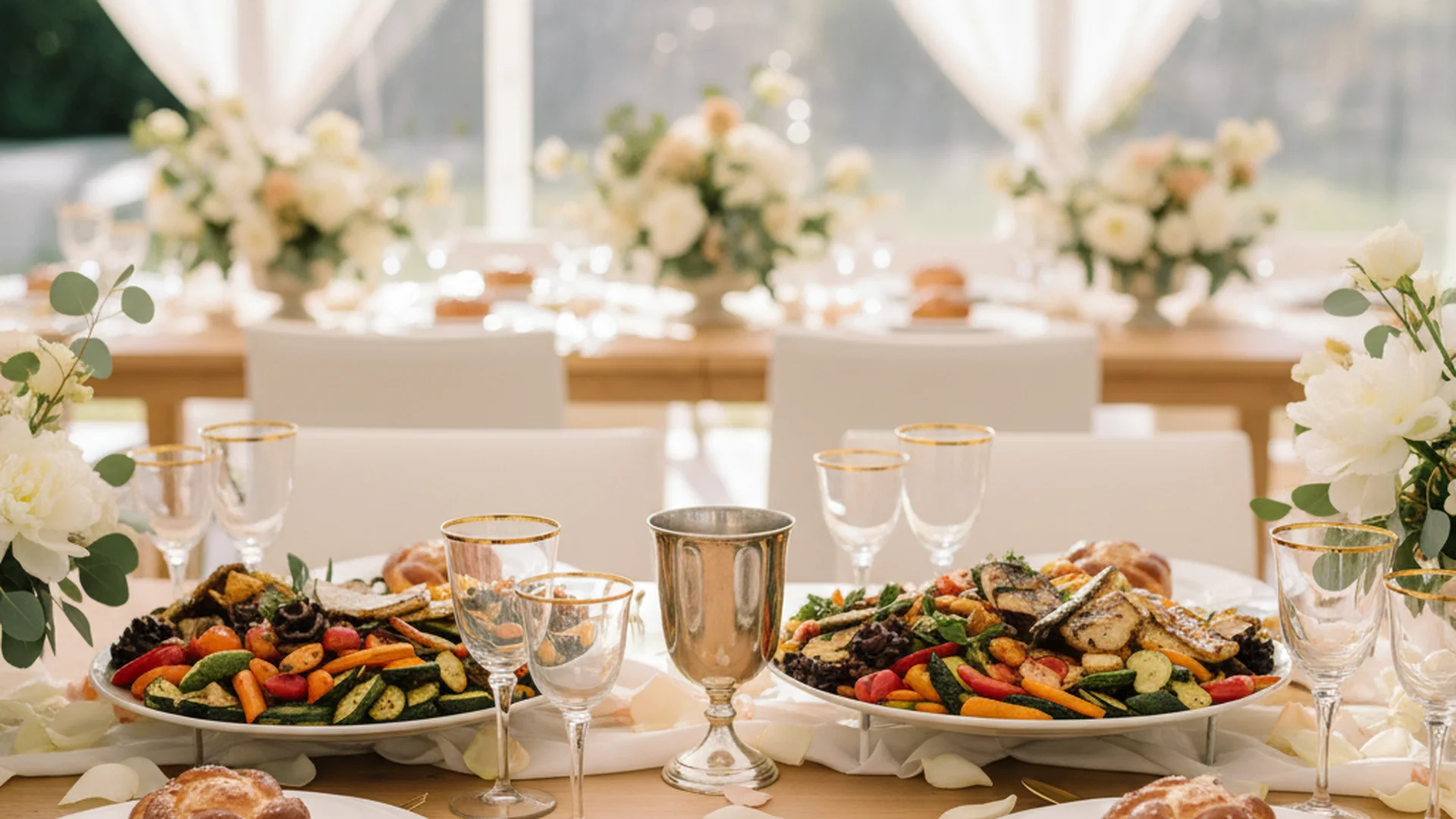
- Kosher dining in 2025 focuses on 'uncompromising inclusivity' for diverse guests.
- Understanding the difference between Kosher and Kosher-style is vital for planning.
- Parve (neutral) ingredients are the secret to high-end, dairy-free wedding desserts.
Planning a kosher wedding menu involves a delicate balance of ancient tradition and modern culinary innovation. In my work as a relationship counselor and blended family consultant, I often see how food serves as the ultimate bridge between cultures and generations. For 2025 and 2026, the focus has shifted toward "uncompromising inclusivity"—creating gourmet experiences that respect Jewish dietary laws while appealing to a global, health-conscious, and diverse guest list.
Whether you are strictly observant or looking to honor your heritage for a multi-generational celebration, your menu is more than just a meal; it is an expression of hospitality and identity. With the kosher food market projected to nearly double in size over the next decade, the options for high-end, creative catering have never been more abundant.
The Foundations of a Kosher Wedding Menu
Before diving into the creative trends of 2026, it is essential to understand the structural requirements that define a kosher event. Unlike a standard Complete Guide to Wedding Reception Planning, a kosher celebration must adhere to specific laws (Kashrut) regarding ingredient sourcing, preparation, and service.
Kosher vs. Kosher-Style: Why the Distinction Matters
One of the most frequent questions I receive from couples is regarding the difference between "Kosher-certified" and "Kosher-style."
- Kosher-Certified: This means the food is prepared in a supervised kitchen using only certified ingredients and separate equipment. To be truly kosher, a Mashgiach (certified supervisor) must be on-site from the moment ingredients arrive until the final dish is served.
- Kosher-Style: This menu simply avoids forbidden foods (like pork or shellfish) and does not mix meat and dairy. However, because it lacks rabbinical oversight and certified kitchens, it will not be suitable for observant guests.
The Meat and Dairy Divide
The most well-known rule of Kashrut is the separation of meat and dairy. In a wedding setting, this usually results in a choice: a meat-based celebration or a dairy-based celebration.
- Meat-Based (Fleishig): The most common choice for evening weddings. This includes beef, poultry, and lamb. The challenge here is the dessert and coffee service, which must be entirely non-dairy (Parve).
- Dairy-Based (Milchig): Often chosen for morning or brunch weddings, featuring gourmet cheeses, pastas, and fish. This allows for traditional butter-heavy wedding cakes and cream-based desserts.
Note
2025-2026 Kosher Culinary Trends
The modern kosher wedding has moved far beyond the "chicken or brisket" stereotype. Couples today are demanding the same level of sophistication found in non-kosher fine dining.
Global Fusion Stations
Moving away from standard plated options, 2025 weddings are embracing interactive, globally-inspired food stations. This allows for a variety of flavors while keeping the strict separation of ingredients manageable.
- Kosher Asian Fusion: Think Peking duck bao buns or live-rolled sushi (which is naturally parve).
- Mexican Street Food: Slow-cooked brisket tacos topped with a cashew-based "crema" and pickled radishes offer a high-end take on comfort food.
- Middle Eastern Mezze: A vibrant spread of hummus, za’atar-spiced lamb, and pomegranate-glazed eggplant.
The Rise of Plant-Forward Kosher
With the rise of veganism and environmental consciousness, "Plant-Forward" menus are a major 2026 trend. These menus use mushrooms, lentils, and high-end meat alternatives to create "meat-like" experiences. Because these ingredients are inherently parve, they offer incredible flexibility, especially when planning a Gluten Free Wedding Menu alongside kosher requirements.
Do this
Story-Driven Menus
Today’s couples want their kosher wedding menu to tell their unique story. I recently worked with a couple who met in Italy but wanted a meat-based kosher dinner. Their caterer created a "story-driven" course: a rich, parve mushroom risotto that mimicked the flavors of their first date in Rome, using high-quality truffle oils instead of butter.
Strategic Menu Planning: The "Fish Course" Pro-Tip
One of the most effective strategies for a high-end kosher wedding is the strategic use of the fish course. Since fish is parve, it serves as an elegant bridge.
| Course | Component | Classification |
|---|---|---|
| Appetizer | Tuna Tartare with Avocado | Parve |
| First Course | Miso Glazed Sea Bass | Parve |
| Main Course | Red Wine Braised Short Rib | Meat |
| Dessert | Dark Chocolate Mousse (Coconut base) | Parve |
Serving a fish appetizer or first course is a versatile "pro-tip" because it is light, elegant, and avoids the immediate heaviness of a meat-only menu. It also ensures that guests who may have different dietary preferences have a high-quality protein option early in the evening.
Tip
Logistics and Venue Selection
If your dream venue does not have a dedicated kosher kitchen, you have two primary options: "Kosherizing" or outside catering.
Kosherizing a Kitchen
This is a deep-cleaning ritual performed by a rabbi to ensure the kitchen meets religious standards for a specific event. It is a labor-intensive process but allows you to stay at a non-kosher venue while maintaining a certified event.
The Bar and Beverage Service
A common oversight in wedding planning is the bar. For a certified event, all wine and champagne must be kosher-certified.
Heads up
From the OurVows workspace
Planning the reception?
Build the timeline, work out the bar, and seat every guest — without the spreadsheet chaos.
Real-World Examples of Modern Kosher Excellence
To help visualize how these trends come together, here are three real-world examples of how couples are handling their menus in 2025:
- The "Mediterranean Fusion" Reception: A couple in New York opted for a "Glatt Kosher" event that featured a whole-roasted lamb station alongside a sushi bar. By focusing on naturally parve and meat ingredients, they provided a variety of flavors without needing complex dairy substitutes.
- The Dairy Brunch: A California couple chose a dairy-based Sunday brunch. This allowed them to serve a massive tiered cheesecake and a gourmet coffee bar with real cream, focusing the savory menu on smoked salmon, caper-infused cream cheese, and truffle-oil pasta.
- The Sustainable 2026 Menu: An eco-conscious couple focused on locally sourced, kosher-certified vegetables. Their main course was a "Steak" made from lion's mane mushrooms, followed by a parve churro station with dark chocolate dipping sauce.
Common Mistakes to Avoid
Even with the best intentions, several pitfalls can disrupt a kosher wedding menu.
The "Vegetarian is Kosher" Myth
Many people assume that a vegetarian meal from a non-kosher caterer is acceptable. This is a significant mistake. To be truly kosher, the equipment, oils, and even the inspection of vegetables (to ensure they are free of insects) must meet rabbinical standards. If you have observant guests, a standard vegetarian plate from a non-certified kitchen will not suffice.
The Coffee Bar Oversight
This is the most frequent error in meat-based weddings. After a beautiful beef dinner, the staff might inadvertently put out dairy milk or cream for the coffee service. For a meat event, the coffee bar must use non-dairy alternatives like oat, almond, or soy milk.
Over-Complexity
Trying to force a 5-course meat meal with a complex, chemical-heavy parve dessert often leads to "heavy" guests. It is almost always better to choose a high-impact, 3-course meal and transition to light, interactive dessert stations, such as a sorbet bar or a fresh fruit flamboyant. If you are worried about portions, you can check our guide on How Much Wedding Cake Do I Need.
Frequently asked questions
What is the difference between Kosher and Kosher-Style?
Can we serve a dairy dessert after a meat dinner?
Is fish considered meat or dairy?
How do we handle an open bar?
What is "Cholov Yisroel"?
Finalizing Your Vision
When planning your kosher wedding menu, remember that the food is a reflection of your values and your respect for your guests. By embracing the trends of 2025—such as global fusion and plant-forward ingredients—you can create a culinary experience that feels modern, inclusive, and deeply respectful of tradition.
Whether you are deciding between a Buffet vs Plated Wedding Dinner or trying to source the perfect kosher sparkling wine, the key is early communication with your caterer and your Rabbi. With the right planning, your wedding feast will be remembered not just for its adherence to law, but for its incredible flavor and soul.
Do this
Ready when you are
Ready to Start?
Use our tools to plan your perfect guest list and menu requirements today.
Ready when you are
Plan your wedding without the chaos.
Free forever for couples just getting started. Two minutes to set up. No credit card.
Keep reading

Mastering the Wedding Reception Order of Events: A 2025–2026 Guide
Plan the perfect wedding reception order of events with our expert guide. Explore modern timelines, 2025-2026 trends, and tips for a seamless celebration.

The Ultimate Guide to Wedding Ceremony Songs: Orchestrating Your Perfect Moment
Planning your 2025-2026 wedding? Discover the best wedding ceremony songs, from cinematic scores to modern pop covers, plus expert tips for timing and transitions.

The Ultimate Guide to Wedding Processional Songs for 2025 & 2026
Discover the perfect wedding processional songs for your big day. From classical masterpieces to modern Taylor Swift hits, learn how to time your walk perfectly.