The Ultimate Guide to the Jumping the Broom Ceremony: History, Meaning, and Modern Trends
Explore the rich history and cultural significance of the jumping the broom ceremony. Learn how to include this powerful ritual in your 2025 or 2026 wedding.
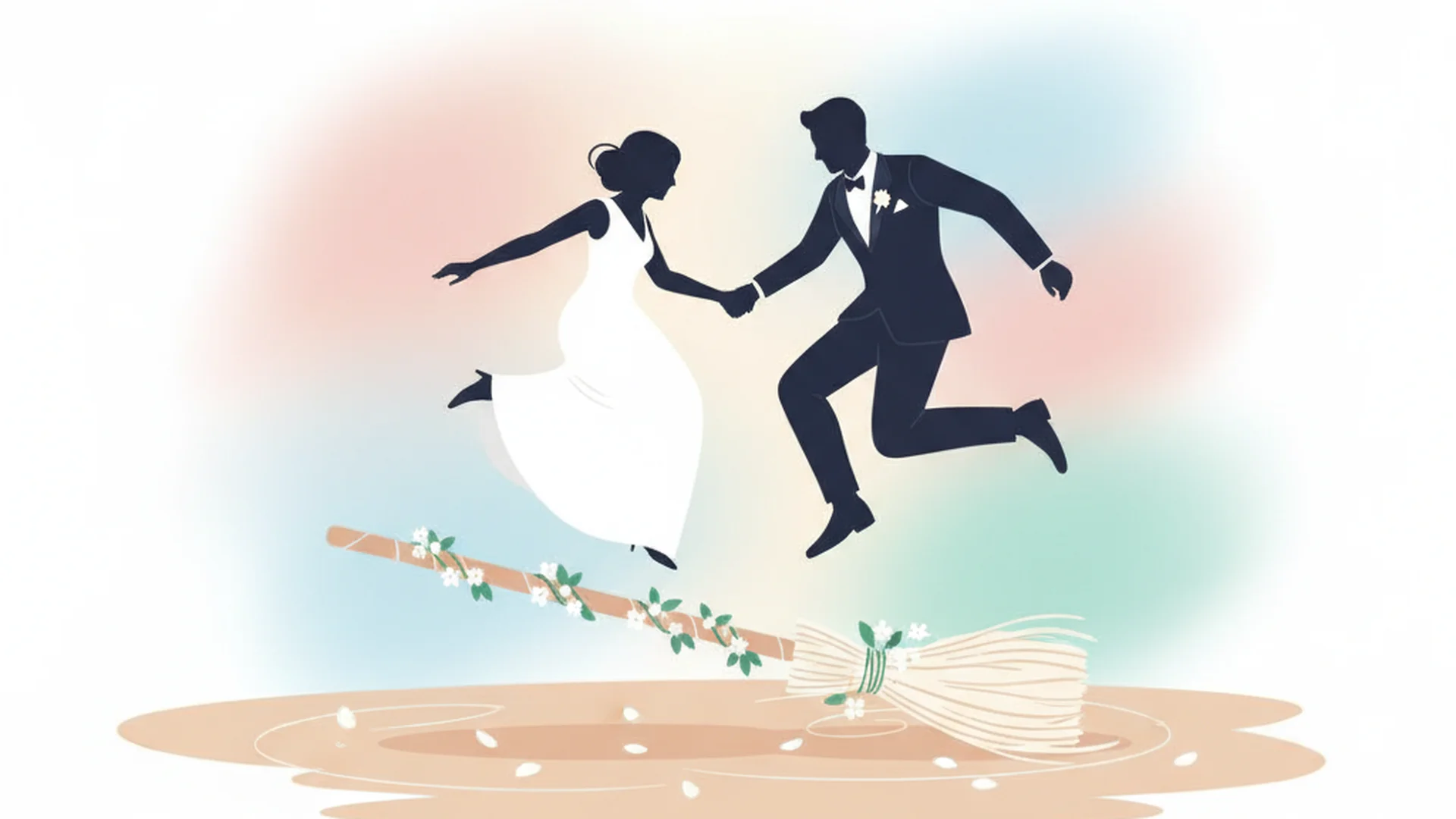
- The ceremony has dual roots in West African spiritualism and European folk traditions.
- It symbolizes the "sweeping away" of the past and the creation of a new, unified home.
- Modern trends for 2025-2026 focus on artisanal designs and interactive guest participation.
The Jumping the Broom ceremony is one of the most visually striking and emotionally resonant traditions in the world of weddings. For many couples, particularly within the African American community, it is much more than a simple leap; it is a profound tribute to ancestral resilience, a reclaiming of history, and a symbolic threshold between two lives. Whether you are looking to honor your heritage or seeking a ritual that symbolizes a fresh start, understanding the depth of this practice is essential for a meaningful ceremony.
As you plan your special day, integrating these historical elements requires a balance of respect for the past and excitement for the future. This guide will walk you through everything from the 18th-century origins of the broomstick ritual to the latest artisanal trends for 2025 and 2026.
The Multifaceted History of Jumping the Broom
To truly appreciate the jumping the broom ceremony, one must look back at a history that spans continents. While it is most widely recognized today as a cornerstone of African American weddings, the ritual has a "dual ancestry" that reflects the complexities of global cultural exchange.
West African Roots: The Asante Culture
In West Africa, specifically within the Asante culture of modern-day Ghana, the broom held deep spiritual significance long before it reached the Americas. Brooms were not merely cleaning tools; they were symbolic instruments used to ward off evil spirits and "sweep away" past wrongs or negative energies. When a couple moved into a new home together, the broom represented the cleanliness and spiritual purity of their new shared space. It also served as a nod to the ancestors who watched over the hearth and home.
European Folk Traditions: Besom Weddings
Parallel to the African tradition, the "Besom Wedding" was practiced in 18th-century Wales, England, and Scotland. In these regions, marginalized communities—such as the Roma people and those living in rural areas where the church had little reach—used jumping over a broomstick (a "besom") to validate their marriages. These were often seen as "common-law" unions that were socially recognized by the community even if they weren't legally documented by the state or church.
The Significance in U.S. Slavery
The most poignant chapter of this tradition’s history occurs in the Antebellum South. Enslaved African Americans were legally barred from marrying; their unions were not recognized by law because they were considered property rather than persons. In an act of profound resistance and dignity, many couples adopted the jumping the broom ceremony as a way to publicly and ceremonially validate their love.
By jumping the broom, they were creating their own legal and spiritual framework, asserting that their commitment to one another transcended the oppressive systems surrounding them. A 2020 scholarly study of 378 enslaved wedding testimonies found that approximately 28% specifically referenced broomstick rituals, illustrating its significant role as a symbol of resilience.
The "Roots" Resurgence
After the Civil War, the tradition saw a decline as African Americans gained the legal right to marry and often sought to distance themselves from symbols associated with the era of enslavement. However, this changed dramatically in the 1970s. Following the publication of Alex Haley’s novel Roots and the 1977 miniseries, which featured a powerful broom-jumping scene, the tradition underwent a massive cultural revival. Today, it is embraced as a joyful celebration of heritage and triumph.
Note
Symbolism and Modern Meaning
In a modern context, the jumping the broom ceremony serves several symbolic purposes. While the historical weight remains, many couples add their own layers of meaning to the act.
Sweeping Away the Old
The most common interpretation today is that of "sweeping away" the past. By jumping over the broom, the couple symbolically cleanses their path, leaving behind old arguments, past relationships, and any negativity that might hinder their new life together. It is a "threshold" ritual—marking the literal and metaphorical step from being two individuals to becoming one family unit.
Joining of Two Families
The broom itself is often seen as a representation of the community. The bristles (the brush) represent the many individuals and family members who support the couple, while the handle represents the strength and foundation of the couple's union. Jumping together signifies that they are supported by their "village" as they take this leap of faith.
Fertility and Prosperity
In some West African interpretations, the broom also symbolizes fertility. In many cultures, the "brush" of the broom is associated with the harvest and the bounty of the earth. By jumping the broom, couples are symbolically inviting abundance and growth into their household.
| Element of the Broom | Symbolic Meaning |
|---|---|
| The Handle | Strength and the Divine/Ancestors |
| The Bristles | Family, community, and "sweeping away" the past |
| The Ribbon/Wrap | The bond that holds the family together |
| Decorative Flowers | New life and the beauty of the union |
Tip
How to Perform the Ceremony: A Step-by-Step Guide
If you’ve decided to include this ritual, execution is key. You want the moment to feel seamless and significant.
Step 1: Choosing Your "Broom Bearer"
Traditionally, an elder from one of the families or a highly respected member of the community is chosen to place the broom on the ground. This symbolizes the transition of wisdom from one generation to the next. Alternatively, a young family member can act as a "broom bearer," similar to a ring bearer.
Step 2: The Officiant’s Explanation
Never assume your guests know the history. Have your officiant provide a brief 1–2 minute explanation. This is the perfect time to mention the resilience of ancestors or the symbolic "cleansing" of the couple's path.
Step 3: The Placement
The broom is typically placed at the very end of the ceremony, after the couple has been pronounced married and shared their first kiss, but before the recessional (the walk back up the aisle).
Step 4: The Leap
The couple should hold hands and jump over the broom in unison. It doesn't need to be a high hurdle; a small, graceful hop is all that’s required.
Heads up
From the OurVows workspace
Shaping your ceremony?
Draft your vows and ceremony, then keep the whole day organized in one place.
2025–2026 Trends in Jumping the Broom
As we move into the 2025 and 2026 wedding seasons, couples are finding creative ways to modernize this ancient tradition.
Artisanal and Sculptural Brooms
The days of using a standard craft-store broom are fading. We are seeing a rise in artisanal designs. Couples are commissioning artists to create brooms using Kente cloth, leather-wrapped handles, and even "meadowcore" aesthetics—incorporating dried wildflowers, eucalyptus, and lavender directly into the bristles. This turns the broom into a piece of sculptural art that can be displayed in the home after the wedding.
The "Content Creator" Transition
With the rise of professional wedding content creators, couples are now choreographing the jump for social media. A popular trend involves a "transition" edit where the couple is filmed jumping in their casual rehearsal clothes and "landing" in their full wedding attire. This allows the couple to share the significance of the tradition with a wider digital audience.
Interactive Signatures
A beautiful emerging trend for 2026 involves guest participation. Before the ceremony, guests are invited to write well-wishes or prayers on small ribbons or parchment tags. These are then attached to the broom's bristles. When the couple jumps, they are symbolically "carrying" the blessings of their entire community into their new life.
Sustainable and Eco-Conscious Materials
Eco-conscious couples are opting for brooms made from reclaimed wood or fallen branches from a significant location (like a childhood home). Using natural, locally sourced fibers ensures the tradition remains grounded in the earth.
Do this
Common Mistakes to Avoid
While the ceremony is straightforward, a few common errors can detract from the moment.
- Using a Literal Kitchen Broom: Using a plastic or standard household broom can feel informal or even disrespectful to the ritual's weight. Invest in a decorative ceremonial broom, which is typically about three feet long.
- Forgetting the Photographer: This is a "money shot." Ensure your photographer and videographer know exactly when the jump will happen so they can position themselves at the end of the aisle.
- Competing for Height: There is an old folklore joke that whoever jumps highest will be the "boss" of the house. While funny, experts recommend jumping in unison to symbolize an equal partnership.
- Skipping the Context: As mentioned before, if the guests don't know why you are jumping, it may feel like a random gimmick. Always include the "why" in your program or officiant's script.
Tip
Frequently asked questions
When does the jump actually happen during the wedding?
Can non-Black couples jump the broom?
Who is responsible for providing the broom?
What should we do with the broom after the wedding?
Conclusion
The jumping the broom ceremony is a breathtaking way to honor the past while leaping into the future. It is a ritual of transition, resilience, and community support. By taking the time to understand its multifaceted origins—from the spiritual cleansings of West Africa to the defiant unions of the Antebellum South—you transform a simple jump into a monumental act of love and history.
Whether you choose a simple, natural besom or a lavishly decorated artisanal broom wrapped in Kente cloth and wildflowers, the heartbeat of the tradition remains the same: two people, supported by their ancestors and their community, choosing to start a new life together with a clean sweep and a joyful heart.
Do this
Ready when you are
Ready to Start?
Craft the perfect words for your ceremony and honor your traditions today.
Ready when you are
Plan your wedding without the chaos.
Free forever for couples just getting started. Two minutes to set up. No credit card.
Keep reading

Crafting the Perfect Second Marriage Ceremony Script: A Guide to New Beginnings
Planning a remarriage? Discover how to write a Second Marriage Ceremony Script that honors your past while celebrating a beautiful, mature future.
Pew Decorations Wedding: 15 Inspiring Ideas and Trends for 2025-2026
Transform your ceremony aisle with stunning pew decorations wedding ideas. From sustainable florals to 2026 trends, learn how to frame your walk to the altar.
The Ultimate Wedding Processional Order Guide: Traditions and Modern Trends
Master your wedding processional order with our comprehensive guide. From traditional Christian and Jewish lineups to modern LGBTQ+ and 2025 trends.