The Ultimate Guide to Planning Your Ireland Destination Wedding
Planning an Ireland destination wedding? Learn about legal requirements, costs, castle venues, and 2025-2026 trends in this comprehensive expert guide.
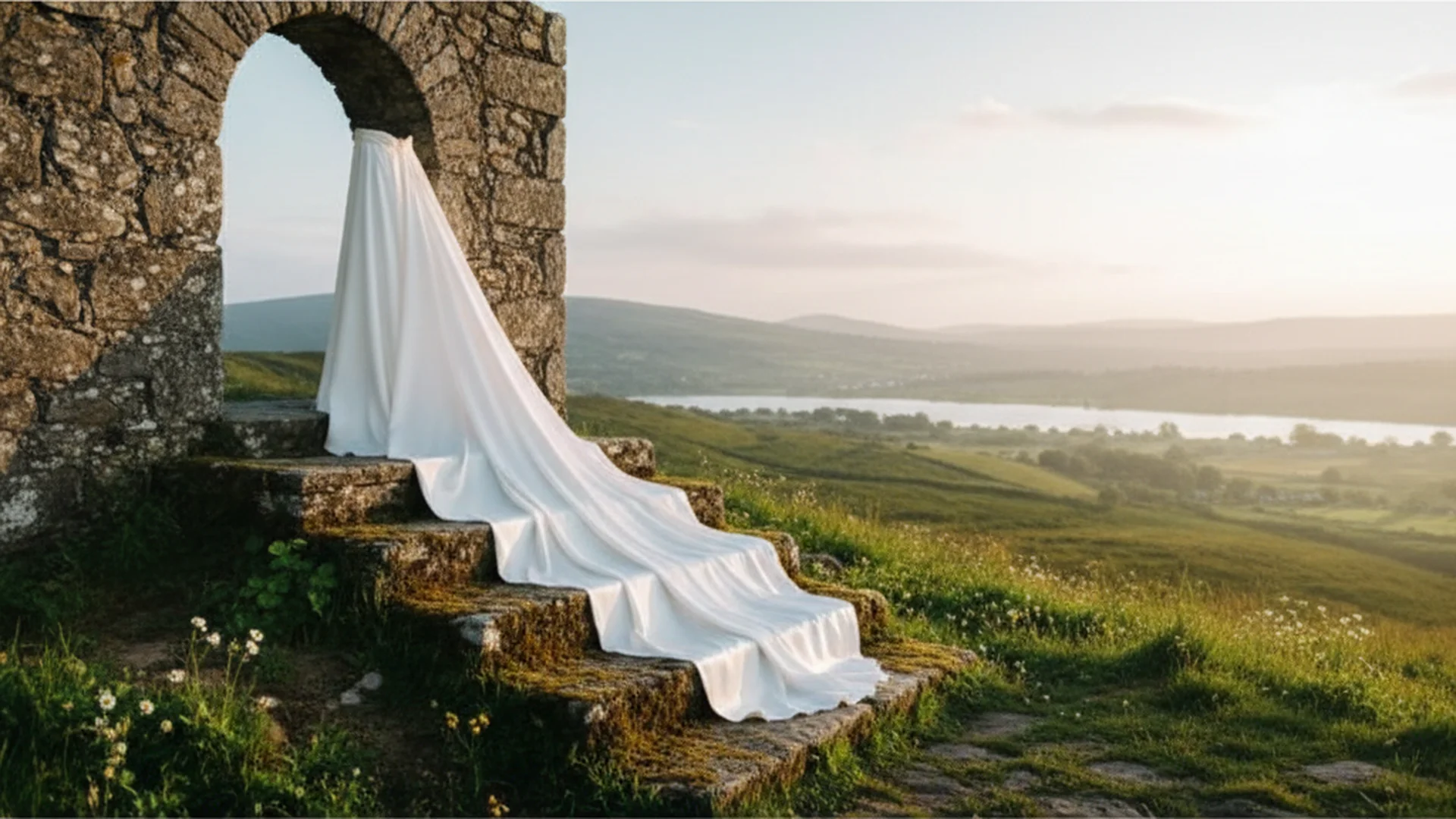
- No residency is required, but a 3-month legal notice and a 5-day in-person meeting are mandatory.
- Castles and country houses are the top venue choices for international couples.
- Multi-day "Irish Experiences" and bold emerald color palettes are leading 2025-2026 trends.
There is a profound, almost mystical pull to the Emerald Isle that makes an Ireland destination wedding one of the most sought-after experiences for couples worldwide. Whether it is the rugged cliffs of Moher, the ancient stone walls of a 15th-century castle, or the warmth of a traditional pub session, Ireland offers a romantic backdrop that is both timeless and deeply personal. As an interfaith wedding officiant, I have seen firsthand how the mist-covered hills and historic ruins create a ceremony atmosphere that simply cannot be replicated anywhere else.
However, moving from a dream to a reality requires navigating specific legalities and logistical nuances. A meaningful share of marriages in Ireland now involve couples where both partners live outside the country, and a growing number have at least one partner of non-Irish nationality. The "destination wedding" is no longer an outlier—it is a core part of the Irish wedding industry.
Navigating the Legal Landscape
The most common question I receive is: "Do we have to live in Ireland to get married there?" The short answer is no. There is no residency requirement to marry in Ireland. However, while you don’t need to live there, you do need to follow a very specific "paperwork trail."
The Three-Month Rule
All couples, regardless of their nationality or where they currently reside, must give at least three months' formal notice to the Registrar of Marriages. For international couples, this is often done by applying for permission to give notice by post. You cannot simply show up and sign a license.
The Five-Day In-Person Meeting
Even if you are granted permission to submit your initial notice by mail, you must meet the registrar in person at least five business days before your ceremony. This is a non-negotiable legal requirement. During this meeting, you will present your original documents and receive your Marriage Registration Form (MRF), which is the document your solemniser and witnesses will sign on the big day.
Heads up
Budgeting for Your Irish Celebration
While the romanticism of Ireland is priceless, the logistics have a clear price tag. In 2025, the average cost of an Irish wedding is estimated at €34,392, continuing a steady upward trend from previous years. For a destination wedding, your primary expenses will revolve around the venue and catering, which typically account for €15,000 to €20,000 of that budget.
| Expense Category | Estimated Cost (2025/2026) | Notes |
|---|---|---|
| Venue & Catering | €15,000 – €20,000 | Based on 80-100 guests |
| Photographer | €3,000 – €4,500 | High demand for "Cinematic Style" |
| Videographer | €2,500 – €4,000 | Includes drone footage |
| Entertainment | €2,500 – €3,500 | Band and DJ combo is standard |
| Flowers/Decor | €2,000 – €3,500 | Shift toward local wildflowers |
Tip
If you are trying to manage your expenses from abroad, using a (Marketing) - Tools - Wedding Budget Calculator can help you stay on track as you convert currencies and manage vendor deposits.
Choosing Your Setting: Castles, Cliffs, and Country Houses
While hotels remain popular for local weddings, the destination market is driven by Ireland’s historic architecture. Castles and country houses are the most popular choices for couples traveling from overseas.
The Castle Experience
Venues like Ashford Castle, Adare Manor, and Dromoland Castle are world-renowned for a reason. They offer a "royal" experience with high-end service. However, these top-tier venues often book out 18 to 24 months in advance. If you are aiming for a summer date in a famous castle, you must start your planning process early.
Outdoor Ceremonies
Yes, you can have a legal ceremony outdoors! The law requires that the location be "identifiable by address" and "open to the public." This means you can say your vows on a licensed cliffside or within a castle ruin, provided it meets the Registrar's criteria.
Note
2025-2026 Trends in Irish Destination Weddings
The landscape of destination weddings is shifting toward more immersive and sustainable experiences. Here is what we are seeing for the upcoming seasons:
The 3-Day Irish Experience
Couples are moving away from a single wedding day in favor of a multi-day itinerary.
- Day 1: The Welcome Pub Night. A casual evening with traditional Irish music (a "trad session") and local pints to help guests settle in.
- Day 2: The Wedding. The main event, often blending modern luxury with ancient traditions like Handfasting.
- Day 3: The "Day 2" Party. A staple of Irish culture, this is usually a relaxed BBQ or brunch at the venue or a nearby coastal village.
Bold Emerald and Berry Tones
Moving away from the muted pastels of the early 2020s, 2026 trends favor bold emerald greens, rich golds, and vibrant berry tones. These colors reflect the natural Irish landscape and photograph beautifully against the grey stone of castles and the deep blues of the Atlantic.
Sustainable "Green" Weddings
A growing number of couples now prioritize eco-conscious choices. In Ireland, this looks like "farm-to-fork" menus using local grass-fed beef and seafood, and choosing locally grown wildflowers instead of imported blooms. If you're interested in more unique ceremony styles, you might find inspiration in Adventure Elopement Ideas.
Do this
From the OurVows workspace
Planning from a distance?
A checklist tuned to your date, a shared budget, and a website your guests will actually use.
Logistics: Getting There and Getting Around
When planning an Ireland destination wedding, you must consider the guest experience. Most international flights will land in Dublin, but if your venue is in the West (Clare, Limerick, or Galway), Shannon Airport is often more convenient.
The Wedding Website
Since your guests are traveling internationally, a robust website is essential. You should include:
- Flight Tips: Explain the difference between Dublin and Shannon airports.
- Transport: Advice on car rentals (remind them about driving on the left!) or private coach options for larger groups.
- The Dress Code: Warn guests about the "four seasons in one day" weather and recommend layers and appropriate footwear for historic sites.
For those in the final stages of planning, a 1 Month Before Wedding Checklist is an invaluable tool to ensure no international logistics fall through the cracks.
Common Mistakes to Avoid
- The "15-Day Residency" Myth: Many older online guides mention a 15-day residency requirement. This is incorrect for modern Irish law. You only need to be present for your 5-day pre-wedding registrar meeting.
- Forgetting the Register of Solemnisers: In Ireland, the person officiating your wedding must be on the official Register of Solemnisers to make the ceremony legally binding. Not all independent celebrants hold this status. If you hire a celebrant who is not a solemniser, your wedding will be "symbolic" rather than legal.
- Short Notice for Guests: For a destination wedding, "Save the Dates" should be sent at least 12 months in advance. This allows guests to secure affordable flights and arrange time off work.
- DIY Paperwork Stress: Underestimating the bureaucratic requirements can lead to last-minute panic. I strongly recommend hiring a local planner who understands the specific paperwork requirements of the Irish Registrar and can bridge time-zone gaps with vendors.
Real-World Examples
The "Cliffside Elopement"
Sarah and Mark from New York wanted a minimalist ceremony. They chose a licensed spot near the Cliffs of Moher. Because they worked with a local solemniser, they met the 5-day rule by spending their first week exploring Dublin before heading west for a legal ceremony at sunset.
The "Castle Takeover"
A couple from Australia booked a country house in County Wicklow for 40 guests. By opting for a 3-day experience, they hosted a "rehearsal dinner" in a local 18th-century pub and used the "Day 2" for a guided hike in the Wicklow Mountains. Their wedding featured a traditional Handfasting ceremony—an ancient Celtic tradition where the couple’s hands are tied together with a cord to symbolize their union.
The "City Chic" Wedding
Not all destination weddings are in the countryside. A couple from London chose a historic Dublin city-center venue. This allowed their guests easy access to the city's amenities and allowed the couple to focus their budget on high-end Irish gastronomy and a cinematic drone videographer to capture the Dublin skyline. This urban approach is quite different from an Amalfi Coast Destination Wedding, focusing more on history and "craic" than sun and sea.
Frequently asked questions
Do we need to be Irish citizens to get married in Ireland?
Can we have a religious ceremony if we are from abroad?
What is "Handfasting"?
How far in advance should we book our venue?
Is the marriage legally recognized in our home country?
Conclusion
An Ireland destination wedding is more than just a ceremony; it is an adventure that blends history, tradition, and legendary hospitality. By respecting the legal timelines—specifically the three-month notice and the five-day rule—and embracing the natural beauty of the landscape, you can create an event that stays with your guests forever.
Whether you are dreaming of a 1 Year Anniversary Vow Renewal in a quiet glen or a grand gala in a medieval hall, Ireland provides the perfect stage. Start your planning early, hire local experts, and most importantly, be prepared to embrace whatever weather the Atlantic sends your way.
Do this
Ready when you are
Ready to Start?
Begin planning your dream wedding on the Emerald Isle today.
Ready when you are
Plan your wedding without the chaos.
Free forever for couples just getting started. Two minutes to set up. No credit card.
Keep reading
The Ultimate National Park Elopement Guide (2025-2026)
Plan your dream National Park elopement with our 2025-2026 guide. Learn about permits, Leave No Trace, costs, and expert tips for an adventurous outdoor wedding.
Elopement vs Traditional Wedding: Choosing Your Path in 2026
Compare elopement vs traditional wedding costs, trends, and logistics for 2025-2026. Discover which celebration style aligns with your values and budget.
How to Plan an Elopement: The Ultimate 2025-2026 Guide
Learn how to plan an elopement in 2025-2026. From budget tips and permits to tiered celebrations, discover how to create an intentional, authentic wedding experience.