Mastering the Glow: Essential Indoor Wedding Photography Tips for 2025-2026
Discover expert indoor wedding photography tips for 2025. From handling low light to mastering the direct flash trend, ensure your indoor ceremony looks stunning.
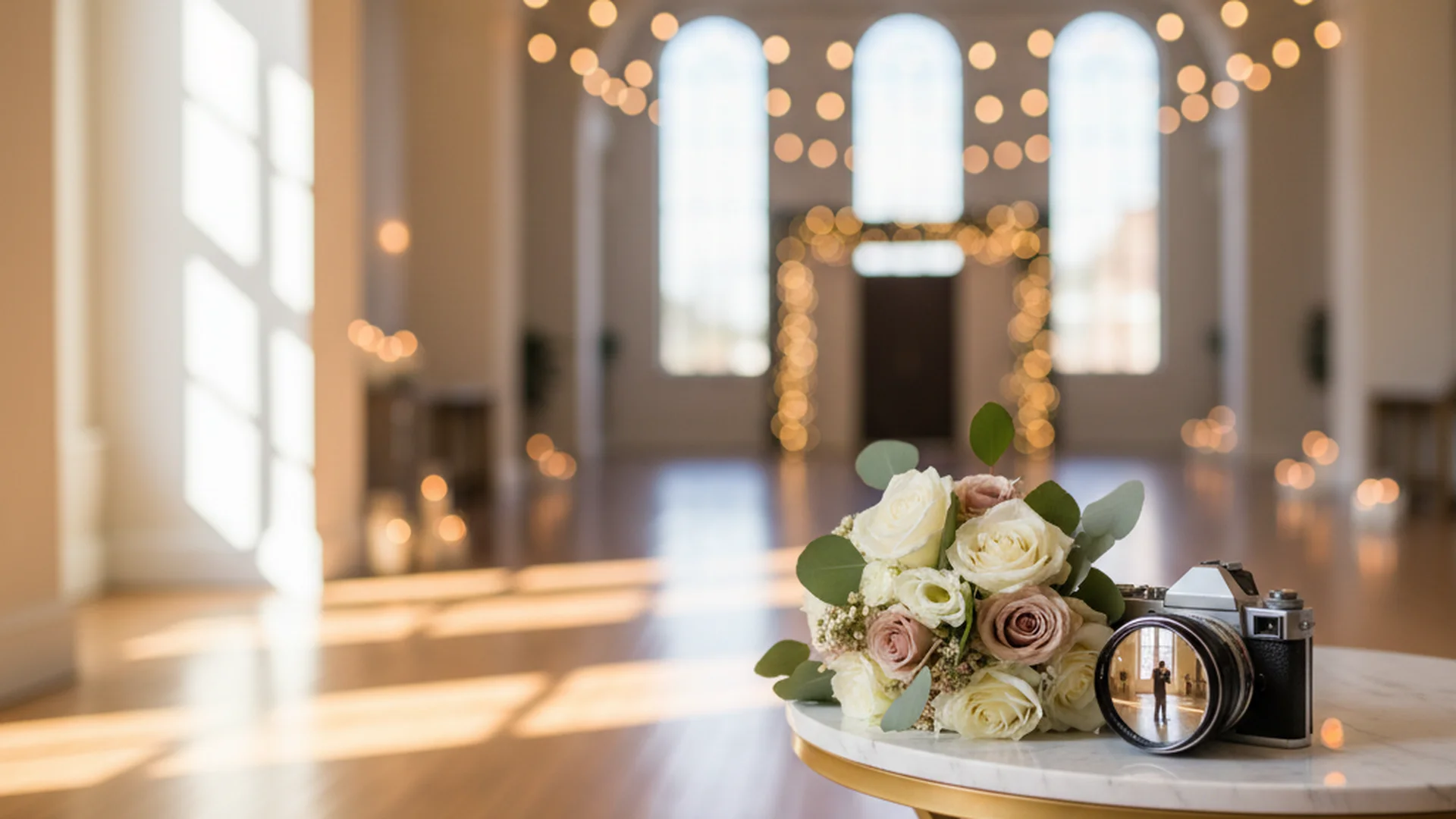
- Transitioning to documentary-style authenticity and editorial drama is the key 2025 trend.
- Mastering high ISO and "fast" prime lenses is essential for low-light indoor venues.
- Using direct flash or intentional motion blur can create an edgy, modern reception aesthetic.
As we move into the 2025 and 2026 wedding seasons, the aesthetic of the "perfect" wedding gallery is shifting. We are seeing a move away from the airy, overly-processed filters of the last decade and a surge toward raw, documentary-style authenticity. However, capturing these moments inside—whether in a grand ballroom or a moody historic library—requires a specific set of skills. These indoor wedding photography tips are designed to help couples and photographers navigate the technical hurdles of indoor venues while embracing the latest editorial trends.
The challenge of indoor photography often lies in the lack of control over ambient light. Unlike outdoor ceremonies where "golden hour" provides a natural glow, indoor settings demand a blend of high-end technical skill and creative adaptability. Whether you are a photographer looking to sharpen your craft or a couple wanting to ensure your gallery is timeless, understanding the mechanics of indoor light is the first step to success.
The Evolution of Indoor Aesthetics in 2025
The current landscape of wedding photography is heavily influenced by a "cinematic" approach. Couples no longer want every photo to look like a staged portrait; they want to feel the energy of the room. This has led to the rise of "editorial drama," where photographers use shadows and high-contrast lighting to create images that look like they belong in a high-fashion magazine.
When planning your shot list, consider how these trends might influence your Best Wedding Photography Styles. From the quiet moments during the Getting Ready Wedding Photos to the high-energy dance floor, the 2025 vibe is about being present in the moment rather than creating a "perfect" scene.
Essential Technical Tips for Low-Light Environments
Indoor venues often present "mixed lighting"—a nightmare for white balance where orange tungsten bulbs clash with blue window light. To combat this, technical mastery is non-negotiable.
The "Fast" Prime Advantage
In a dark church or a windowless reception hall, your standard zoom lens might not be enough. Industry experts recommend using "fast" prime lenses with wide apertures (f/1.2 to f/1.8). Lenses like the 50mm f/1.2 or 85mm f/1.4 allow more light to hit the sensor, creating that beautiful "bokeh" (blurred background) while keeping the subject sharp without the need for intrusive flash.
Embracing ISO Confidence
There is a common fear among photographers that high ISO leads to "noisy" or grainy photos. However, modern mirrorless cameras like the Sony a7IV or Canon R6 Mark II have revolutionized low-light performance. In 2025, it is better to push your ISO to 3200 or even 6400 to capture a sharp, well-exposed moment than to risk motion blur with a slower shutter speed. Grain can be aesthetic; blur is often a mistake.
Tip
Lighting Strategies: From Soft Bounces to Direct Flash
One of the most important indoor wedding photography tips is knowing when to use flash and when to avoid it.
Mastering the "Bounce"
For most of the wedding day, you want light that looks natural. Professional photographers achieve this by "bouncing" their flash off white ceilings or walls. This turns a small, harsh light source into a large, soft one, mimicking the effect of a large window.
The 2025 "Paparazzi" Trend
A major trend for the upcoming season is the "Direct Flash" look. Moving away from soft, bounced light, this style uses high-contrast, direct-on-camera flash to create an edgy, 90s-inspired "celebrity" look. This is particularly popular during the reception and late-night dancing, giving the photos a nostalgic, party-centric feel.
| Lighting Technique | Best Used For | Vibe |
|---|---|---|
| Bounced Flash | Formal Portraits, Speeches | Soft, Natural, Classic |
| Direct Flash | Reception, Dance Floor | Edgy, High-Contrast, Modern |
| Natural Light | Getting Ready, Window Portraits | Ethereal, Soft, Romantic |
Heads up
Recent Trends (2025–2026)
The wedding industry is currently experiencing a "vintage revival." Here are the trends dominating indoor galleries this year:
Hybrid Film and Digital
Couples are increasingly requesting a few rolls of 35mm film alongside their digital coverage. The organic grain and color science of film provide a level of nostalgia that digital sensors struggle to replicate perfectly. This is especially effective for Bridal Portrait Ideas captured in historic indoor settings.
Intentional Motion Blur
Instead of freezing every movement, photographers are intentionally slowing down their shutter speeds to capture the "energy" of the room. A blurred dress as a bride spins or a streaky light effect on the dance floor adds a sense of motion and life to the gallery that traditional "frozen" shots lack.
"Messy" Detail Shots
The days of perfectly aligned "flat lays" are fading. The 2025 trend focuses on "messy" details—a discarded veil on a chair, a half-empty champagne glass, or a crumpled guest list. These photos tell a more authentic story of how the day actually felt.
Note
From the OurVows workspace
Planning the photos?
Build a shot-friendly timeline and brief every vendor from one shared schedule.
Navigating Specific Indoor Venues
Different indoor venues require different approaches. Here is how to handle the most common types:
1. Hotels and Resorts
Hotels often have high, dark ceilings that make bouncing flash difficult. In these spaces, look for "natural light pockets" near large windows for your portraits. For more ideas on how to utilize these spaces, check out our guide on Engagement Photo Ideas.
2. Historic Buildings and Museums
Historic venues often have strict rules about equipment (like no light stands) and may have very dark wood paneling that absorbs light. In these cases, relying on fast prime lenses and high ISO is your best bet.
Do this
Common Mistakes to Avoid
Even experienced photographers can fall into traps when shooting indoors. Here are the most common pitfalls:
- The "Natural Light Only" Myth: Many beginners claim to be natural light photographers to avoid learning flash. In most indoor venues, this results in "muddy" or grainy photos that lack professional polish.
- Over-Editing Skin Tones: Indoor lights (especially orange tungsten) can make skin look unnatural. Avoid using generic "one-click" presets that don't account for these specific color casts.
- Ignoring the Background: In cramped indoor spaces, it’s easy to focus solely on the couple and miss the "Exit" sign or fire extinguisher directly behind them. Use a wide aperture to blur out these distracting elements.
- Rushing the "First Look": Because indoor lighting is controlled, there is a temptation to rush. Always leave a buffer for light adjustments. For more on this, see First Look Photos Pros and Cons.
Frequently asked questions
How do you handle dark ceremonies where flash isn't allowed?
Have you shot at our venue before?
Can we see a full gallery of an indoor reception?
How do you deal with mixed lighting?
Do you have backup equipment?
Conclusion: Creating Timeless Indoor Memories
Indoor wedding photography in 2025 is an art form that balances technical precision with a raw, editorial eye. By embracing the challenges of low light and utilizing modern trends like direct flash and motion blur, you can create a gallery that feels both nostalgic and contemporary. Whether you are navigating a grand ballroom or an intimate historic library, the key is to remain adaptable and focused on the authentic emotions of the day.
If you are currently in the planning stages, don't forget that the words spoken during the ceremony are just as important as the photos taken. For help crafting the perfect ceremony, consider using our Wedding Vow Writer.
Do this
Ready when you are
Ready to Plan Your Perfect Day?
Use our professional tools to simplify your wedding journey.
Ready when you are
Plan your wedding without the chaos.
Free forever for couples just getting started. Two minutes to set up. No credit card.
Keep reading
The Ultimate Guide to Engagement Photo Outfits: Trends for 2025 and 2026
Planning your engagement session? Discover the best engagement photo outfits, 2025-2026 trends, and expert tips to ensure you look and feel your best.
Modern Wedding Party Photo Ideas: Trends and Tips for 2025-2026
Discover the top wedding party photo ideas for 2025. From Vogue-style editorial posing to motion blur, learn how to capture stunning, modern group shots.

25 Essential Questions to Ask a Wedding Photographer Before You Book
Ensure your wedding memories are captured perfectly. Learn the 25 essential questions to ask a wedding photographer about logistics, style, and 2025 trends.