Indian Wedding Traditions: A Guide to Rituals, Etiquette, and 2026 Trends
Explore the vibrant world of Indian wedding traditions. From ancient rituals to 2026 trends, this guide covers everything about the Big Fat Indian Wedding.
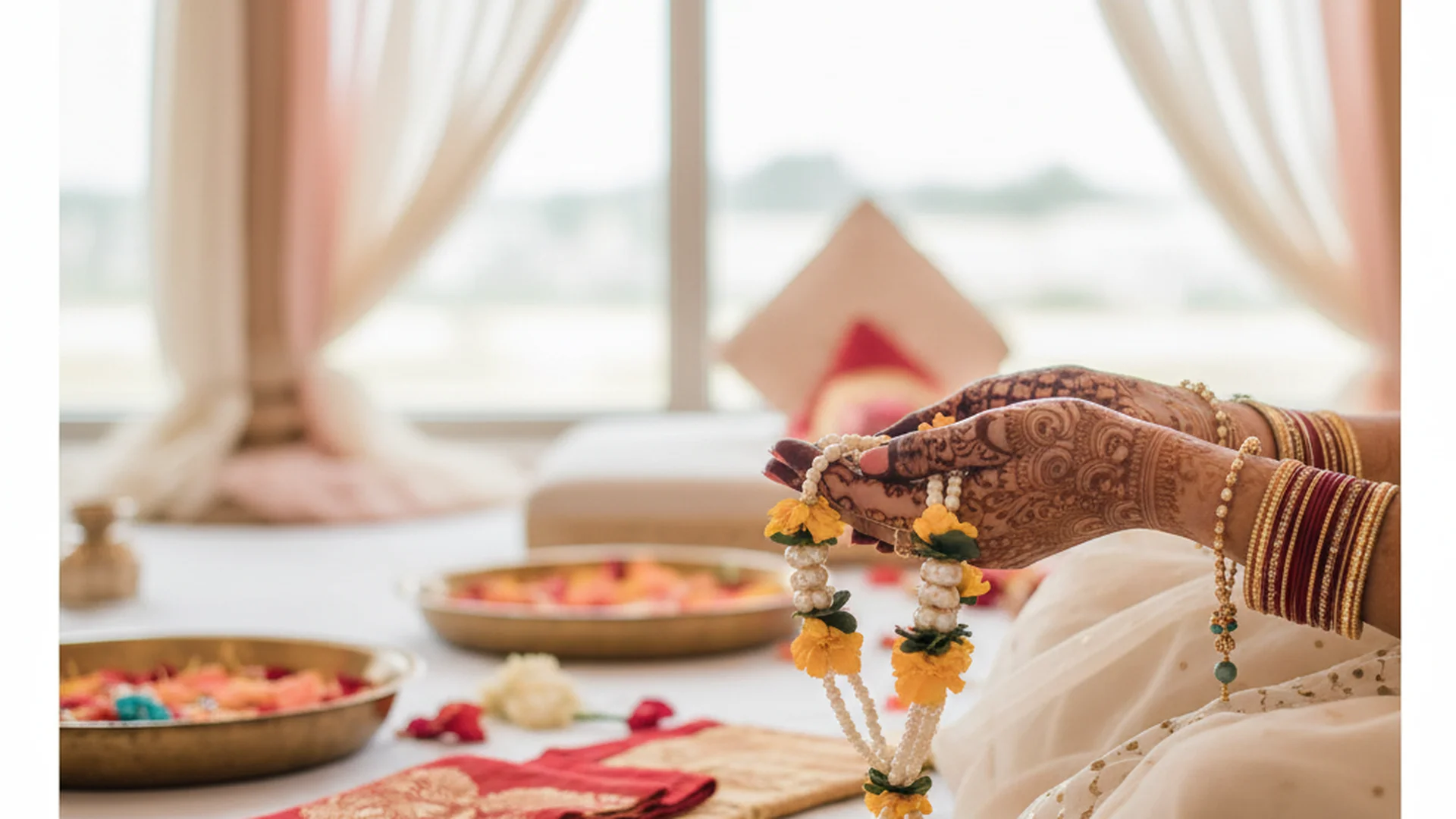
- Understand the multi-day structure of traditional Indian celebrations.
- Learn about 2025-2026 trends like sustainability and "Quiet Luxury."
- Discover essential etiquette for guests, including dress codes and gifting.
Indian wedding traditions are a kaleidoscopic fusion of ancient spirituality, deep-rooted family values, and modern celebration. For those witnessing one for the first time, the sheer scale can be overwhelming; for those planning one, it is a monumental task of balancing heritage with contemporary flair. As we look toward the 2025 and 2026 wedding seasons, these celebrations are evolving from mere "events" into immersive, soul-stirring experiences that honor the past while embracing the future.
Whether you are a guest attending your first ceremony or a couple embarking on this journey, understanding the nuances of Indian wedding traditions is key to appreciating the depth of these unions. From the vibrant hues of the Mehendi to the sacred steps around the fire, every moment is steeped in symbolism.
The Economic Heart of the Celebration
The Indian wedding industry is often described as "recession-proof," and the data for 2025-2026 supports this. Valued at approximately $130 billion, it stands as the second-largest wedding market globally. This economic powerhouse doesn’t just support jewelers and caterers; it creates over 10 million temporary jobs annually, sustaining families across the subcontinent.
A middle-class wedding in India typically ranges between ₹20 lakh to ₹50 lakh, but the luxury segment is where the "Big Fat Indian Wedding" truly earns its name, with budgets frequently exceeding ₹10 crore. This investment isn't just about "bling"—it’s about hospitality, communal joy, and the formal merging of two extended family trees.
Note
A Typical 5-Day Itinerary
While regional variations are vast, most Indian weddings follow a multi-day structure. If you are using a Wedding Checklist Generator, you will notice that the planning begins at least 12 months in advance to accommodate these specific events.
1. The Mehendi (Henna Ceremony)
Usually held two days before the wedding, this is a vibrant, predominantly female gathering. The bride has intricate henna designs applied to her hands and feet. Folklore suggests that the darker the stain, the deeper the love she will receive from her husband and mother-in-law.
2. The Sangeet (Musical Night)
The Sangeet is a grand party where both families perform choreographed dances. It has evolved from traditional folk singing into high-production events featuring professional lighting and sound systems.
3. The Haldi (Turmeric Ceremony)
On the morning of the wedding, a paste of turmeric, oil, and water is applied to the bride and groom. This ritual is meant to bless the couple with glowing skin and protect them from "evil eyes" before the ceremony.
4. The Main Ceremony
The central event takes place under a Mandap (a four-pillared canopy). This is where the religious rituals, such as the Saat Phere (seven steps around the fire), occur.
5. The Reception
The final event is a formal party hosted by the groom’s family to welcome the new bride. Unlike the wedding ceremony, which is ritual-heavy, the reception is focused on food, photography, and socializing.
| Event | Vibe | Duration |
|---|---|---|
| Mehendi | Relaxed/Artistic | 4–6 Hours |
| Sangeet | High Energy | 6–8 Hours |
| Haldi | Intimate/Fun | 2–3 Hours |
| Ceremony | Spiritual | 3–5 Hours |
| Reception | Formal/Social | 5+ Hours |
Ancient Rituals Meeting Modern Values
The heart of Indian wedding traditions lies in the Vivaha Samskara (sacred wedding rites). However, the way these rites are performed is changing.
The Mandap and the Sacred Fire
The Mandap represents the universe, and the fire (Agni) acts as the divine witness. In a traditional Hindu ceremony, the couple takes seven vows, each represented by a circle around the fire.
Do this
Regional Diversity
It is a mistake to view all Indian weddings as a monolith. A Punjabi wedding in the North is known for the Baraat (the groom’s loud, musical procession) and high-energy bhangra. In contrast, a Tamil Brahmin wedding in the South often takes place at dawn and involves the Kanyadaan (giving away the daughter) in a very specific, traditionalist manner.
Expert Planning Tips for 2026
As a relationship counselor, I often see couples stressed by the logistical weight of these traditions. Here are some expert recommendations to ensure the celebration remains joyful.
The "30-Minute Buffer"
Indian weddings are famous for "IST" (Indian Stretchable Time). To prevent the schedule from collapsing, always pad your itinerary. If the invitation says 7:00 PM, plan for the main rituals to begin at 7:30 PM. This keeps the flow professional without rushing the guests who are navigating traffic or outfit changes.
Guest Comfort and Survival Kits
With average guest lists around 330 people, personal touchpoints are essential. For outdoor ceremonies, provide "survival kits" containing:
- Handheld fans (especially for summer weddings).
- Miniature sunblocks.
- Refreshing water stations with electrolyte-infused drinks.
Tip
Dietary Diversity
While traditional Indian food is a staple, the 2026 trend is toward "Global-Indian Fusion." Always include at least one international station—such as a gourmet pasta bar or a Mexican taco stand—to accommodate children and guests who might find three days of heavy spices challenging.
From the OurVows workspace
Shaping your ceremony?
Draft your vows and ceremony, then keep the whole day organized in one place.
Trends for the 2025–2026 Season
The upcoming wedding seasons are defined by a move toward conscious luxury. We are seeing a departure from the "more is more" philosophy of the early 2000s.
1. Sustainability (Eco-Conscious Celebrations)
Couples are now opting for biodegradable Mandaps made of bamboo and potted plants instead of cut flowers. Real-world example: A couple in Bengaluru recently made headlines by using "plantable" invitations embedded with wildflower seeds, ensuring their wedding left a green footprint.
2. Tech-Infused Experiences
Digital integration is no longer optional. From QR-code-based seating charts to VR corners where guests can "relive" the couple's first date, technology is being used to enhance storytelling. Some luxury weddings even feature holographic projections of elderly relatives who cannot travel.
3. Quiet Luxury & Minimalism
The "Old Money" aesthetic is trending. This involves a shift away from bright reds and heavy golds toward muted, neutral palettes like ivory, champagne, and sage green.
4. The "Local Soul" Destination
Instead of flying to Italy or Dubai, couples are choosing heritage properties within India. Locations like the forest retreats of Madhya Pradesh or the hills of Mussoorie are becoming popular for their "authentic soul" and smaller environmental impact.
Heads up
Common Mistakes to Avoid
Even the most well-planned weddings can fall into common traps. Here is what to watch out for:
- Wearing Black or White: In many traditional Indian families, black and white are associated with mourning. Unless the couple specifically requests a "Black Tie" theme, stick to vibrant colors like pink, blue, or emerald green.
- Over-Programming: One of the biggest mistakes is not leaving enough downtime. If you have a morning Mehendi and an evening Sangeet, give your guests at least a four-hour window to nap and recharge. "Wedding fatigue" is real.
- Trying to Please Everyone: With large extended families, many couples blow their Wedding Budget trying to satisfy every distant relative's opinion. Use a "core circle" approach for decision-making.
- Neglecting the RSVP: Traditional Indian culture doesn't always emphasize formal RSVPs. You must be proactive—use digital tools or WhatsApp follow-ups to get an accurate count for the caterer.
2026 Auspicious Dates (Shubh Muhurat)
In Indian culture, the timing of the wedding is often determined by astrology. If you are planning for 2026, these are the peak months:
- January: 18, 19, 23, 26
- April: 5, 6, 12, 20
- November: 20, 21, 27
Note
Frequently asked questions
How long does an Indian wedding last?
What should I wear as a guest?
Do I need to bring a gift?
Why does the bride wear red?
Are all Indian weddings "arranged"?
Conclusion
Indian wedding traditions are a beautiful testament to the power of community, family, and spiritual commitment. Whether it’s the high-tech innovations of 2026 or the ancient Sanskrit vows that have remained unchanged for millennia, these celebrations are about more than just a party—they are a cultural heartbeat. By respecting the etiquette, embracing the vibrant colors, and planning with intention, you can ensure that the "Big Fat Indian Wedding" is a meaningful milestone for everyone involved.
For more insights into planning your perfect day, check out our Complete Guide to Wedding Ceremonies to see how different traditions compare.
Do this
Ready when you are
Planning your big day?
Use our suite of tools to simplify your wedding journey.
Ready when you are
Plan your wedding without the chaos.
Free forever for couples just getting started. Two minutes to set up. No credit card.
Keep reading
Crafting the Perfect Second Marriage Ceremony Script: A Guide to New Beginnings
Planning a remarriage? Discover how to write a Second Marriage Ceremony Script that honors your past while celebrating a beautiful, mature future.
Pew Decorations Wedding: 15 Inspiring Ideas and Trends for 2025-2026
Transform your ceremony aisle with stunning pew decorations wedding ideas. From sustainable florals to 2026 trends, learn how to frame your walk to the altar.
The Ultimate Wedding Processional Order Guide: Traditions and Modern Trends
Master your wedding processional order with our comprehensive guide. From traditional Christian and Jewish lineups to modern LGBTQ+ and 2025 trends.