The Ultimate Handfasting Ceremony Script Guide for 2025–2026
Discover the history, modern trends, and step-by-step handfasting ceremony script options for your wedding. Expert advice from Dr. Julian Kwong.
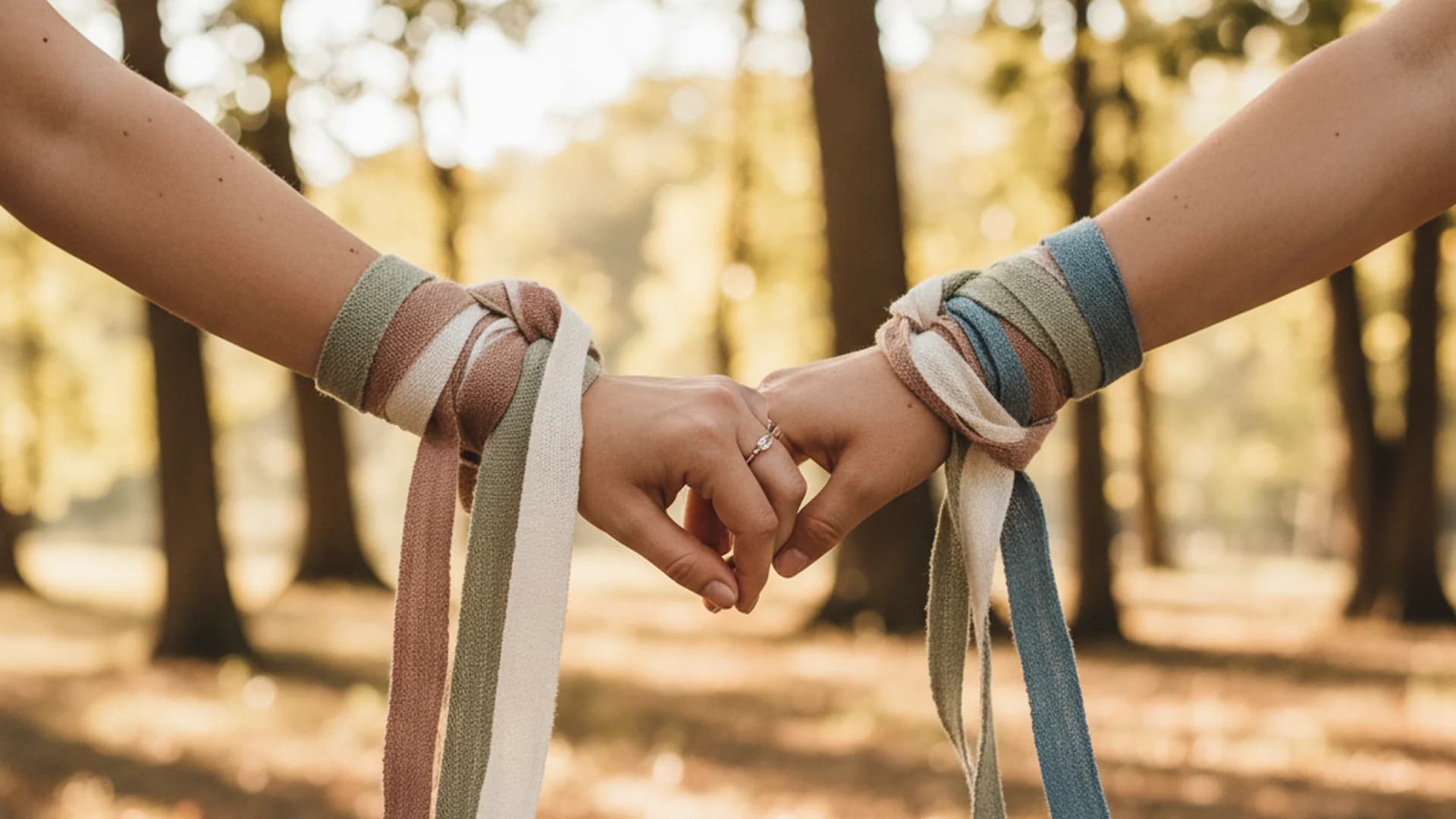
- Handfasting is an ancient 9,000-year-old ritual seeing a major resurgence in 2025.
- A successful script follows a four-part structure: Invocation, Vows, Binding, and Blessing.
- Modern trends prioritize sustainable materials and immersive "in-the-round" seating layouts.
For many modern couples, a standard exchange of rings doesn’t quite capture the depth of their connection. This is where the beauty of a Handfasting Ceremony Script comes in. Whether you are looking to honor your Celtic heritage or simply want a visual, tactile representation of your union, handfasting offers a profound way to "tie the knot"—a phrase that actually originates from this very tradition.
As an interfaith officiant, I have seen a massive surge in popularity for this ritual heading into the 2025 and 2026 wedding seasons. Couples are moving away from rigid structures and toward ceremonies that feel grounded, ancient, and deeply personal.
The Ancient History of Handfasting
To understand how to write a handfasting ceremony script, we must first look at where it began. While often associated with the Vikings, historical records show that handfasting was established in Irish Brehon Law (Cain Lanamna) as early as 700 A.D., nearly a century before the first Viking raids reached the shores of Ireland.
The term itself stems from the Old Norse handfesta and Anglo-Saxon handfaestung, both essentially meaning "to strike a bargain by joining hands." In ancient times, this wasn't just a romantic gesture; it was a formal legal contract.
Note
The Anatomy of a Modern Handfasting Script
A well-paced handfasting ritual shouldn't feel rushed. To ensure your guests understand the gravity of the moment, I recommend a four-part "arc" for your script.
1. The Invocation
This is where the officiant explains the ritual. Since many guests may never have seen a handfasting, this sets the stage. It links the couple’s present promises to the thousands of years of history that preceded them.
2. The Vows
While the hands are being prepared, or just as they are joined, the couple speaks their promises. This can be done alongside the handfasting or as a separate section of the Complete Guide to Wedding Ceremonies.
3. The Binding
This is the physical act of wrapping the cords. The officiant typically says a specific line for each wrap of the cord, symbolizing different aspects of the relationship (e.g., trust, joy, resilience).
4. The Blessing and The Knot
The climax of the ritual occurs when the couple pulls their hands away, causing the cords to tighten into a finished knot. This "seals" the vows.
Tip
Three Real-World Handfasting Script Examples
Depending on your wedding style, you may want a script that feels traditionally "Old World" or something more contemporary. Here are three templates you can adapt.
Example 1: The Traditional Celtic Script
Best for: Couples wanting to honor Irish or Scottish heritage.
Officiant: "[Partner A] and [Partner B], you have chosen to bind yourselves together today using an ancient custom. As I wrap these cords, let them remind you that your lives are now intertwined."
The Binding (Wrapping the cord): "These are the hands that will work alongside yours to build your future. These are the hands that will hold you when the world feels cold. These are the hands that will celebrate your greatest joys."
The Vow: "Do you promise to honor this bond, not out of obligation, but out of a shared soul?" Couples: "We do."
Example 2: The Modern Secular Script
Best for: Contemporary, "spiritual but not religious" ceremonies.
Officiant: "Marriage is the union of two independent spirits. To symbolize this, we use the ritual of handfasting. [Partner A] and [Partner B], please join your right hands."
The Binding: "With this cord, we bind your commitment to communication. With this cord, we bind your promise of adventure. With this cord, we bind your dedication to growth."
The Blessing: "As you pull your hands apart, may the knot that remains be a physical reminder of the promises made in this circle of friends and family."
Example 3: The "Meadowcore" Nature Script
Best for: Outdoor, garden, or sustainable weddings (2025 Trend).
Officiant: "Just as the vines of the forest grow together to support the canopy above, so too do your lives entwine today. We use natural fibers and wildflowers to tie these promises."
The Binding: "May your love be as resilient as the hemp, as flexible as the silk, and as vibrant as the blooms woven within."
Heads up
Choosing Your Cords: Materials and Colors
In 2026, the "Color of the Year" is forecasted to be Cobalt Blue. We are seeing a shift toward bold, saturated colors for handfasting cords rather than the traditional cream or white. Cobalt blue symbolizes loyalty and modern elegance.
| Material | Symbolism | Best For |
|---|---|---|
| Recycled Cotton | Strength & Simplicity | Modern/Minimalist |
| Reclaimed Sari Silk | Vibrancy & History | Bohemian/Interfaith |
| Climbing Rope | Adventure & Trust | Active/Outdoorsy |
| Heirloom Lace | Lineage & Family | Vintage/Classic |
Do this
From the OurVows workspace
Shaping your ceremony?
Draft your vows and ceremony, then keep the whole day organized in one place.
Handfasting Trends for 2025–2026
As we look toward the next few wedding seasons, several key trends are emerging that influence how we write and perform the handfasting ritual.
The "In-the-Round" Layout
Couples are ditching the traditional aisle for circular seating. This makes the handfasting a 360-degree experience. In your script, you can include a "Community Blessing" where guests extend their hands toward the couple while the cords are tied.
Eco-Minimalism
In line with sustainability trends, couples are opting for "found" materials. Using materials like vines or dried wildflowers directly in the braided cord (the "Meadowcore" aesthetic) is becoming a favorite for garden weddings.
The "Infinity Symbol" Hand Position
Instead of just holding one hand, many couples now cross both sets of hands to form a physical "infinity" symbol (the figure eight). This requires a slightly longer cord—aim for 1.5 meters—to ensure there is enough slack for the officiant to weave through the "windows" created by the arms.
Common Mistakes to Avoid
While handfasting is a beautiful ritual, there are a few practical pitfalls to watch out for:
- The Wrap is Too Tight: If the officiant wraps the cord too tightly, the couple won't be able to slide their hands out to exchange rings. It should be snug but breathable.
- The "Viking Origin" Myth: As mentioned, attributing this solely to Vikings is historically inaccurate. If your script focuses on "Old World" roots, mentioning the Irish Brehon laws adds more historical depth.
- Left Hand vs. Right Hand: Historical superstition once suggested "left-handed" handfastings were for "mistress" marriages. In 2026, most couples simply use their right hands (the "giving" hands) or both.
- Skipping the Rehearsal: Never perform a handfasting for the first time on the wedding day. The officiant needs to know exactly how the cord behaves with the specific material chosen.
Tip
Frequently asked questions
Who can perform the handfasting ceremony?
Is handfasting legally binding?
Can we still exchange rings?
How many cords should we use?
How long should the cords be?
Conclusion
A handfasting ceremony script is a bridge between the ancient past and your future together. By choosing materials that reflect your values—like sustainable hemp or a bold Cobalt Blue silk—and crafting words that speak to your unique bond, you create a moment that is visually stunning and emotionally resonant.
Whether you are planning an Elopement Ceremony Script or a grand garden wedding, "tying the knot" remains one of the most powerful ways to say "I do."
Do this
Ready when you are
Ready to Start?
Create the perfect vows to accompany your handfasting ritual.
Ready when you are
Plan your wedding without the chaos.
Free forever for couples just getting started. Two minutes to set up. No credit card.
Keep reading

Crafting the Perfect Second Marriage Ceremony Script: A Guide to New Beginnings
Planning a remarriage? Discover how to write a Second Marriage Ceremony Script that honors your past while celebrating a beautiful, mature future.
Pew Decorations Wedding: 15 Inspiring Ideas and Trends for 2025-2026
Transform your ceremony aisle with stunning pew decorations wedding ideas. From sustainable florals to 2026 trends, learn how to frame your walk to the altar.
The Ultimate Wedding Processional Order Guide: Traditions and Modern Trends
Master your wedding processional order with our comprehensive guide. From traditional Christian and Jewish lineups to modern LGBTQ+ and 2025 trends.